Son La province doesn't appear on many itineraries, which is part of the appeal. Thac Nang Tien — roughly translated as Fairy Waterfall — sits in Muong La district about 30 km from Son La city, a multi-tiered cascade surrounded by dense forest and used by local Thai ethnic communities as a swimming spot long before anyone thought to put it on a map.
What it is
Thac Nang Tien is a series of limestone tiers dropping through tropical forest in the Muong La area of Son La province. The main drop is around 30 meters, but the waterfall splits into several levels, each forming shallow pools where the water collects before tumbling again. The surrounding forest is old-growth, thick with ferns and moss-covered rocks, and the trail in is short — about 1.5 km from where you park.
The waterfall's name comes from a Thai ethnic legend about a fairy who bathed in the pools at night. Locals in nearby villages still consider the area somewhat sacred, and you'll occasionally see small offerings near the base. It's a community-managed site, not a national park, so the infrastructure is minimal — which, depending on your tolerance for slippery trails and no guardrails, is either a plus or a minus.
Why travelers go
Most people come for the swimming. The middle pools are deep enough to submerge in and cool enough to feel genuinely refreshing after the hike in, especially in summer. Others come because it's one of the more accessible waterfalls in the northwest that hasn't been turned into a ticketed theme park. There's no concrete staircase, no loudspeaker playing music, no selfie platform. It's just water, rock, and forest.
Photographers like the early morning light filtering through the canopy. If you're road-tripping between Hanoi and destinations further northwest like Sapa or Ha Giang, Son La makes a natural overnight stop, and Thac Nang Tien is the best reason to spend a few extra hours in the area.
Best time to visit
The waterfall is at its most impressive from June through September, when the summer rains push serious volume through the tiers. August is peak flow — dramatic, loud, and the pools churn enough that swimming is only safe in the upper tiers.
For swimming and comfort, late September through November is the sweet spot. The rain tapers off, the water drops to a manageable level, the pools clear up, and the forest is still intensely green. Avoid December through February: flow is minimal, some pools dry to ankle depth, and the mountain air gets genuinely cold.
How to get there
From Hanoi (하노이 / 河内 / ハノイ), Son La city is roughly 300 km northwest via the QL6 highway. You have a few options:
- Bus: Sleeper buses from My Dinh bus station run daily, taking about 5–6 hours. Tickets cost 180,000–250,000 VND depending on the operator. Hai Van and Hung Thanh are reliable names.
- Motorbike: The QL6 route through Hoa Binh and Moc Chau is one of the better mountain drives in northern Vietnam (베트남 / 越南 / ベトナム) — twisting passes, tea plantations, and valley views. Budget a full day if you're not rushing.
- Private car: Around 1,200,000–1,500,000 VND one way through a Hanoi-based tour operator or via Grab rental.
From Son La city to the waterfall, it's about 30 km north toward Muong La. The road is paved but narrow in places. You can rent a motorbike in Son La city for 120,000–150,000 VND/day. There's no public bus to the trailhead — you'll need your own wheels or a local xe om (motorbike taxi) for about 100,000 VND each way. The trailhead is signposted, but the sign is small and in Vietnamese, so save the GPS coordinates before you go.

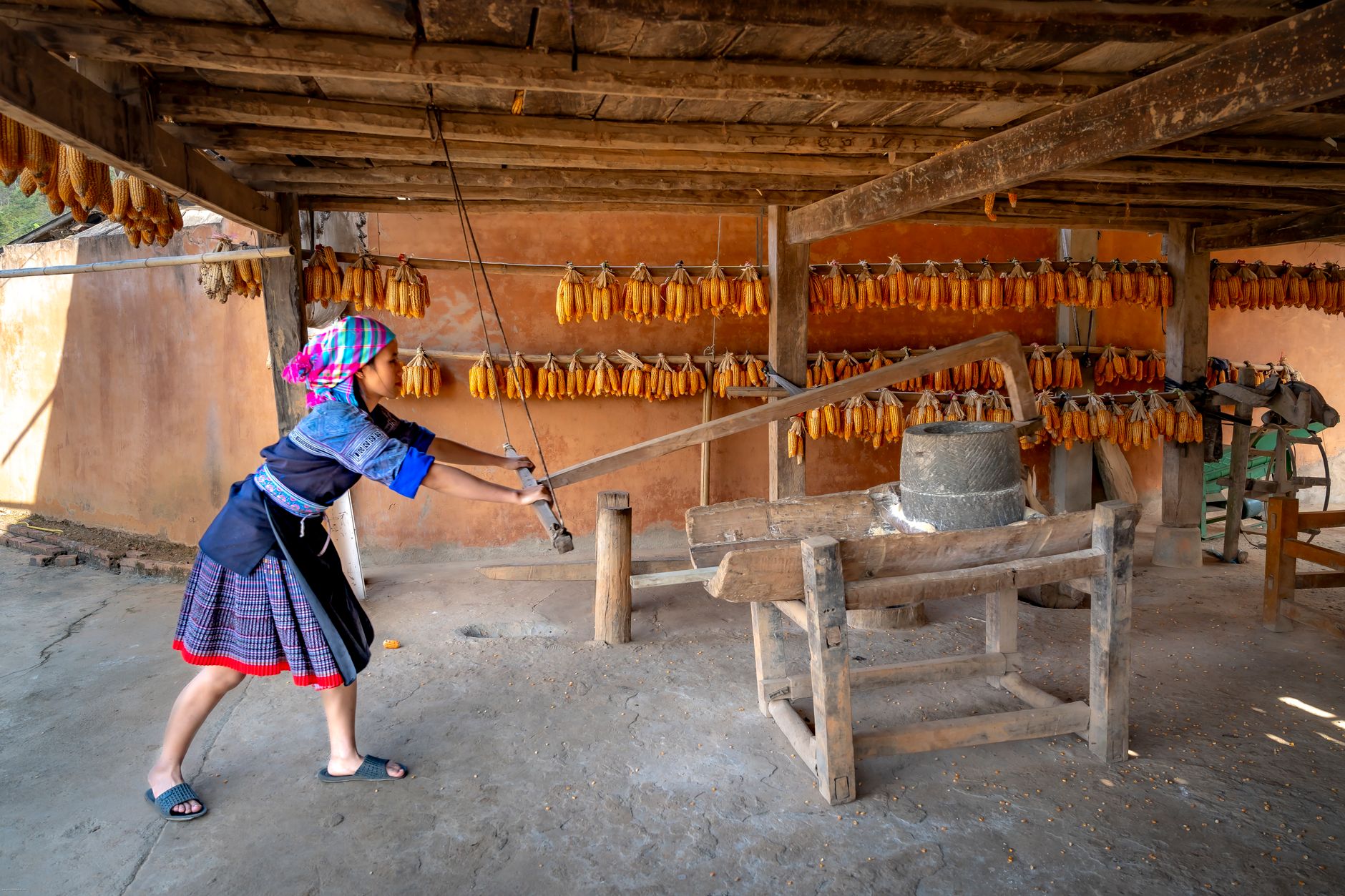
Photo by Tho Ta on Pexels
What to do
Hike the trail
The 1.5 km path from the parking area follows a stream through forest. It's not technical, but it gets slippery after rain — wear shoes with grip, not sandals. The walk takes 20–30 minutes at a relaxed pace.
Swim the middle pools
The second and third tiers have the best pools for swimming — waist to chest deep, with flat rocks around the edges for sitting. Water temperature hovers around 20–22°C even in summer, so it's cold enough to wake you up.
Photograph the upper cascade
The highest tier is the most photogenic, especially in the morning when light breaks through the canopy. A narrow trail leads up the left side. It's steep and unmarked, so take it slow.
Sit with the locals
On weekends, Thai families from nearby villages come to picnic by the lower pools. If you're open to it, you'll likely be offered some grilled meat or sticky rice. It's the kind of spontaneous hospitality that makes northwest Vietnam worth the long drive.
Explore Muong La town
The small district town has a morning market worth a wander — fresh produce, local rice wine, and dried buffalo meat are the main draws. It's not a tourist market, so prices are local prices.
Where to eat nearby
Son La city is your best bet for a proper meal before or after the waterfall. The local specialty is "com lam" — sticky rice cooked inside bamboo tubes over charcoal, served with grilled pork or dried buffalo. Restaurants along Truong Chinh Street serve it for 40,000–60,000 VND per portion. Also look for "nam piang" — a Thai-style dipping sauce made with chili, garlic, and herbs that accompanies most grilled dishes in the province.
If you're passing through Moc Chau on the way, stop for the dairy — Moc Chau milk tea and yogurt are famously good, sold at roadside stalls for 10,000–15,000 VND.
Where to stay
Son La city has a decent range of accommodation:
- Budget: Local guesthouses (nha nghi) along Le Loi or Truong Chinh streets run 150,000–250,000 VND per night. Clean enough, hot water, basic Wi-Fi.
- Mid-range: Hotels like Son La Trade Union Hotel or Muong Thanh Son La offer rooms from 400,000–700,000 VND with air conditioning and breakfast.
- Homestays: A few Thai stilt-house homestays operate in villages between Son La and Muong La. Expect 200,000–350,000 VND per person including dinner and breakfast. These are the best option if you want the cultural experience — sleeping on a shared floor mat under a mosquito net, eating home-cooked Thai food.

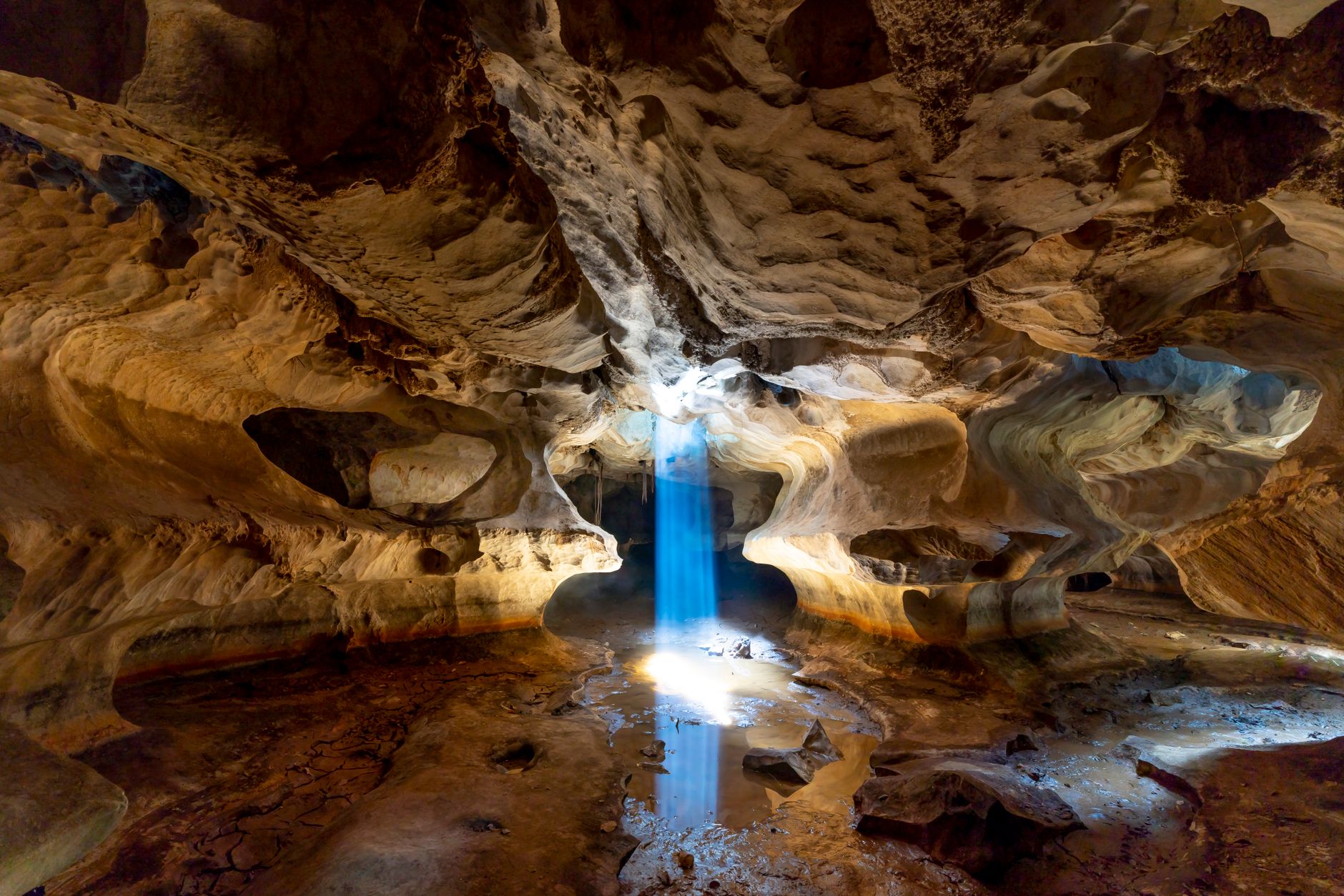
Photo by Hiếu Vũ Vlog on Pexels
Practical tips locals would tell you
- Bring your own water and snacks. There's no shop at the trailhead or the waterfall.
- Wear proper shoes. Flip-flops on wet limestone is how people twist ankles.
- Bring a dry bag or ziplock for your phone. The mist at the base of the main fall is constant.
- If you visit on a weekday, you may have the entire waterfall to yourself. Weekends draw local families.
- There's minimal phone signal at the waterfall itself. Download offline maps beforehand.
Common mistakes to avoid
- Coming in winter expecting a big waterfall. January and February are dry months. You'll see a trickle.
- Wearing white clothing to swim. The water has a slight tannin tint from the forest floor. It won't ruin dark clothes but will stain white fabric.
- Skipping Son La city entirely. It's not glamorous, but the old French prison museum and the morning market are both worth an hour, and the city has the only reliable ATMs in the area.
- Not filling up on fuel. The last reliable petrol station is in Son La city. Muong La has small roadside sellers, but they charge more and availability is hit or miss.
Practical notes
Thac Nang Tien works best as a half-day trip from Son La city, combined with an overnight there before continuing northwest toward Dien Bien or looping back through Moc Chau toward Hanoi. It's not a destination you'd fly across the country for — but if you're already road-tripping the northwest, it's one of the more rewarding stops you'll find off the main route.
Last updated · Aug 14, 2026 · independently researched, never sponsored.