Son La doesn't appear on many travel itineraries, which is exactly what makes it interesting. Den Tho Vua Le Thai Tong — a temple dedicated to the 15th-century Le dynasty king Le Thai Tong — sits in the heart of this northwestern province, offering a window into a period of Vietnamese history that most visitors never encounter outside Hanoi's Temple of Literature.
What it is and why it matters
Den Tho Vua Le Thai Tong is a memorial temple honoring King Le Thai Tong (reign: 1434–1442), the second emperor of the Le dynasty. Le Thai Tong ascended the throne at age 10 and is remembered for consolidating the dynasty's power after his father Le Loi's wars of independence. The temple in Son La marks a connection between the Le dynasty and the ethnic communities of the northwest — Le Thai Tong conducted campaigns and administrative missions through this region, and the temple commemorates his presence here.
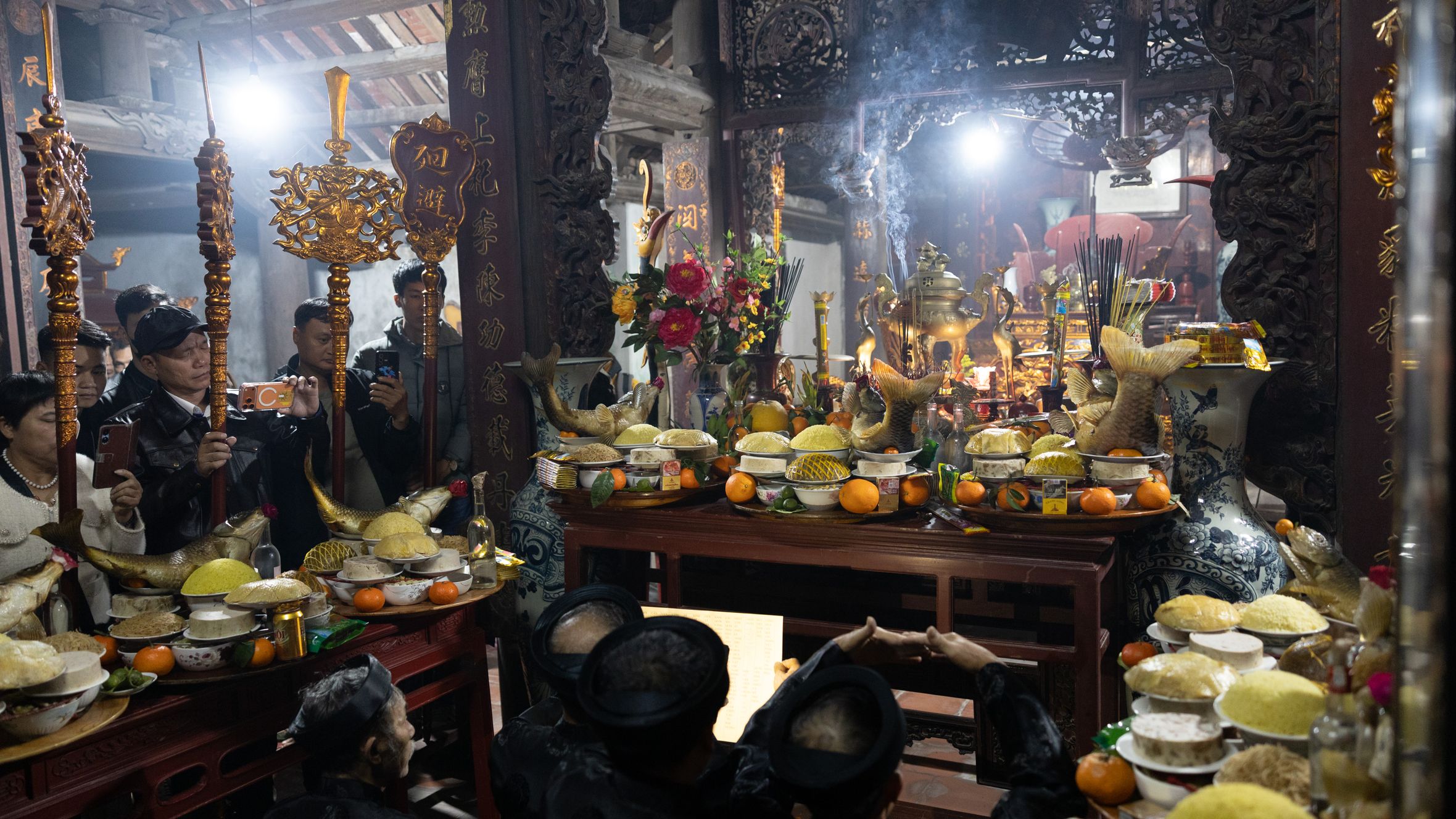
The structure itself is modest compared to the imperial sites in Hue. That's part of its appeal. You get carved wooden beams, incense-darkened altars, and a courtyard shaded by old trees without the tour bus crowds. It's a working place of worship, not a museum, so expect to see locals lighting incense and making offerings, especially around [lunar new year](/posts/tet (뗏 (베트남 설날) / 越南春节 / テト (ベトナム旧正月))-lunar-new-year-guide) and festival dates.
Why travelers go
Most visitors to Son La are already on the road between Hanoi and destinations like Dien Bien Phu or are looping through the northwest highlands. The temple gives you a reason to stop in Son La city itself rather than just passing through. It's also genuinely peaceful — a 30-minute visit that costs nothing and puts you in a space where you're likely the only foreigner.
For anyone interested in Vietnamese history beyond the well-trodden Hanoi–Hue–Saigon corridor, this temple fills in a piece of the Le dynasty story that connects the lowland capital to the highland provinces.
Best time to visit
Son La's best weather falls between October and March — dry, cool, and comfortable for walking around. December and January can dip to 10–15°C at night, so bring a layer. The temple is especially active during Tet (late January or early February), when locals come to pray and make offerings for the new year, and during the anniversary of Le Thai Tong's death on the lunar calendar.
Avoid June through August if you dislike heat and rain. Son La gets heavy afternoon downpours, the roads into town can be slippery, and the humidity makes even short walks feel like work.
How to get there
Son La city is roughly 310 km northwest of Hanoi, and the most practical route is by road.
- Bus from Hanoi: Regular sleeper buses depart from My Dinh bus station. The ride takes about 5–6 hours on the improved QL6 highway. Expect to pay 180,000–250,000 VND one way depending on the operator. Hai Au and Hung Thanh are two reliable companies on this route.
- Motorbike: Popular with riders doing the northwest loop. The QL6 from Hanoi through Hoa Binh and Moc Chau to Son La is a well-paved ride with solid mountain scenery. Budget a full day if you want to enjoy it.
- Private car/taxi: A hired car from Hanoi runs around 2,500,000–3,000,000 VND one way. Worth it if you're splitting with others or combining with stops in Mai Chau or Moc Chau.
Once in Son La city, the temple is centrally located and reachable by local taxi (grab a Grab bike for 15,000–20,000 VND from most hotels) or on foot if you're staying in the center.

Photo by Quang Nguyen Vinh on Pexels
What to do
1. Walk the temple grounds
Take your time in the courtyard before entering the main hall. The layout follows traditional Vietnamese temple architecture — a front gate, incense courtyard, and main worship hall aligned on a central axis. Look for the carved dragon motifs on the roof ridges and the calligraphy panels flanking the altar.
2. Learn the inscriptions
Several stele and plaques inside recount the history of Le Thai Tong's connection to Son La. They're in Vietnamese, but even without reading them, the stonework itself is worth examining. If you can find a local willing to translate (hotel staff or a guide), the stories add real depth.
3. Visit Son La Prison nearby
Just a short walk from the temple, the old French colonial prison (Nha Tu Son La) is Son La's most-visited historical site. Built in 1908, it held political prisoners during the colonial period. The two sites pair well for a half-day of history.
4. Catch the morning market
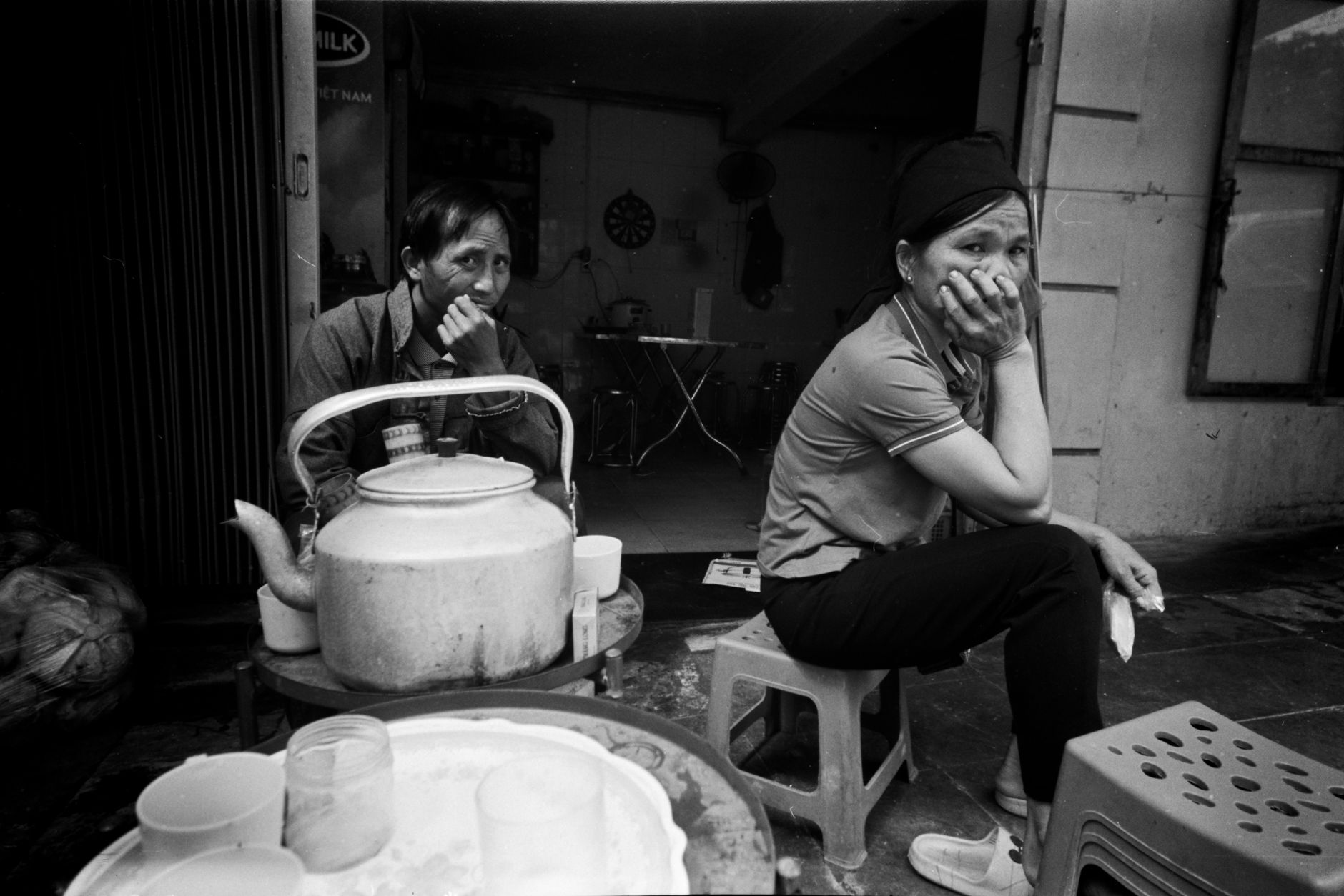
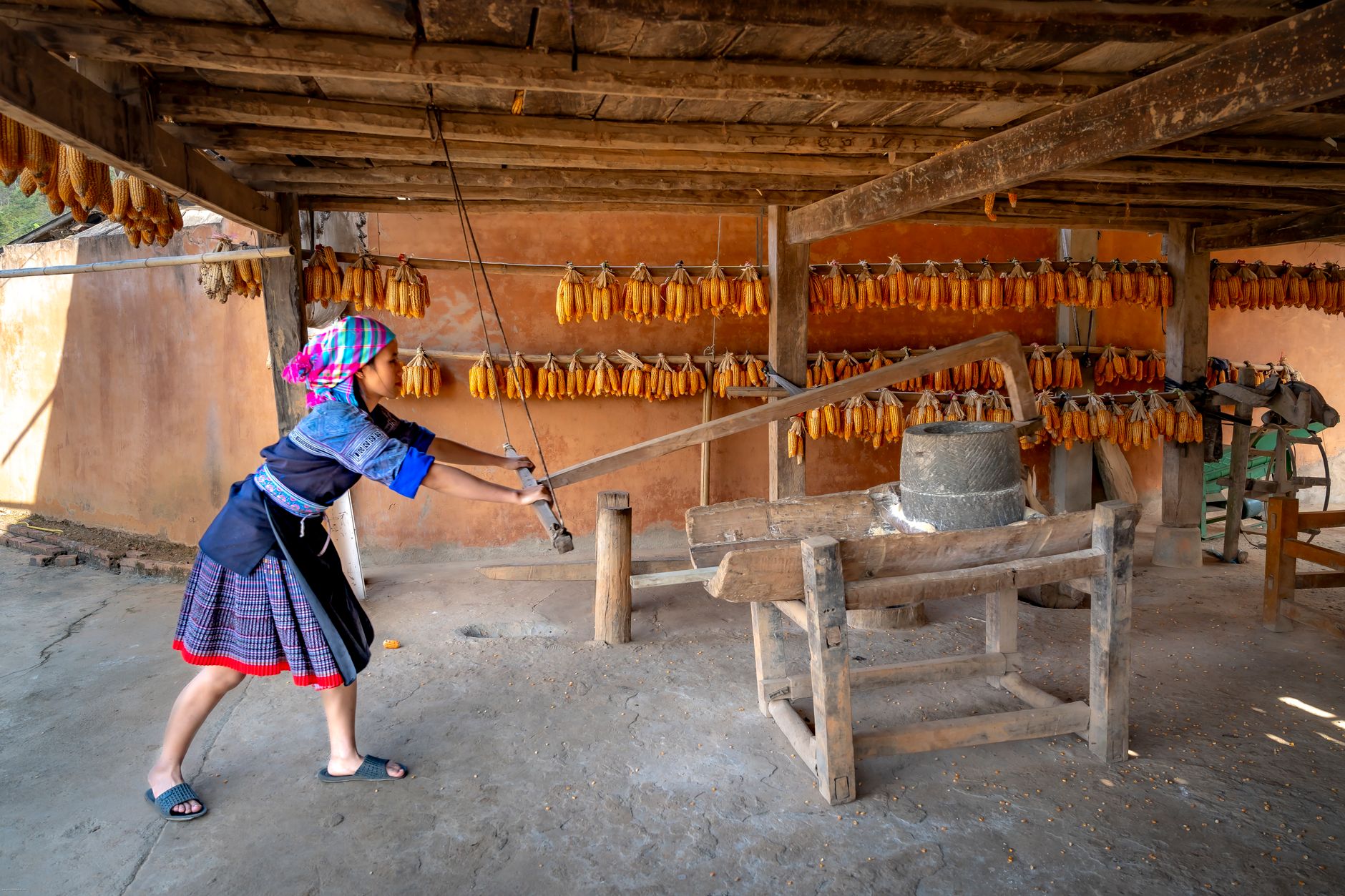
Son La's central market is busiest before 8 AM. Thai and Hmong traders bring produce, herbs, and handmade textiles down from surrounding villages. It's one of the better markets in the northwest for seeing daily life rather than tourist souvenirs.
5. Walk the hill behind the temple
If the temple sits at the base of a hillside (as many in the northwest do), a short climb gives you a view over Son La city and the surrounding valley. No marked trail — just follow the paths locals use.
Where to eat nearby
Son La has a small but satisfying food scene rooted in Thai and Hmong highland cooking.
- "Com lam" — sticky rice cooked inside bamboo tubes over charcoal — is everywhere in Son La and worth trying fresh from a street vendor. Pair it with grilled pork or "pa pinh top" (grilled fish stuffed with herbs, a Thai ethnic specialty). Look for stalls along the main road near the market.
- For something more familiar, several "pho" shops near the bus station serve solid bowls for 30,000–40,000 VND. Nothing fancy, but reliable fuel for a day of walking.
Where to stay
Son La city has a handful of hotels and guesthouses. Don't expect boutique quality — this is a provincial capital, not Hoi An.
- Budget: Local nha nghi (guesthouses) around the bus station area go for 150,000–250,000 VND/night. Basic but clean enough. Hot water is usually available.
- Mid-range: Hotels like Trade Union Hotel or Son La Hotel offer air-conditioning, Wi-Fi, and breakfast for 400,000–700,000 VND/night.
- Homestays: If you have wheels, several Thai stilt-house homestays operate in villages 10–20 km outside the city. These run 200,000–350,000 VND/night including dinner and are the better cultural experience.

Photo by Hồng Quang Official on Pexels
Practical tips locals would tell you
- Dress modestly at the temple. Shoulders covered, no short shorts. It's an active worship site, not a ruin.
- Bring cash. Son La city has ATMs, but smaller vendors, homestays, and market stalls are cash-only.
- Learn two phrases: "Xin chao" (hello) and "Cam on" (thank you) go further in the northwest than anywhere else in Vietnam. People here aren't jaded by tourism.
- Fill your tank before leaving Hanoi or Moc Chau if you're on a motorbike. Fuel stations exist in Son La but can be spaced out on the QL6.
Common mistakes to avoid
- Rushing through. Son La rewards slow travel. Don't just snap a photo at the temple and leave — sit in the courtyard, watch the incense smoke, talk to people.
- Skipping Son La entirely on the way to Dien Bien Phu. The city deserves at least an overnight, especially if you hit the morning market.
- Expecting English signage. The temple and most of Son La's sites have minimal English explanation. Download Vietnamese on Google Translate offline before you arrive.
- Wearing sandals on muddy trails. If you visit in the rainy months, the hillside paths around the temple turn slick fast. Proper shoes save you a fall.
Practical notes
Den Tho Vua Le Thai Tong is free to enter. There are no set opening hours — it follows the rhythm of a local temple, generally open from early morning until dusk. Budget a half-day in Son La city to see the temple, the prison, and the market, then continue northwest toward Dien Bien Phu or loop back through Moc Chau toward Hanoi.
Last updated · May 29, 2026 · independently researched, never sponsored.