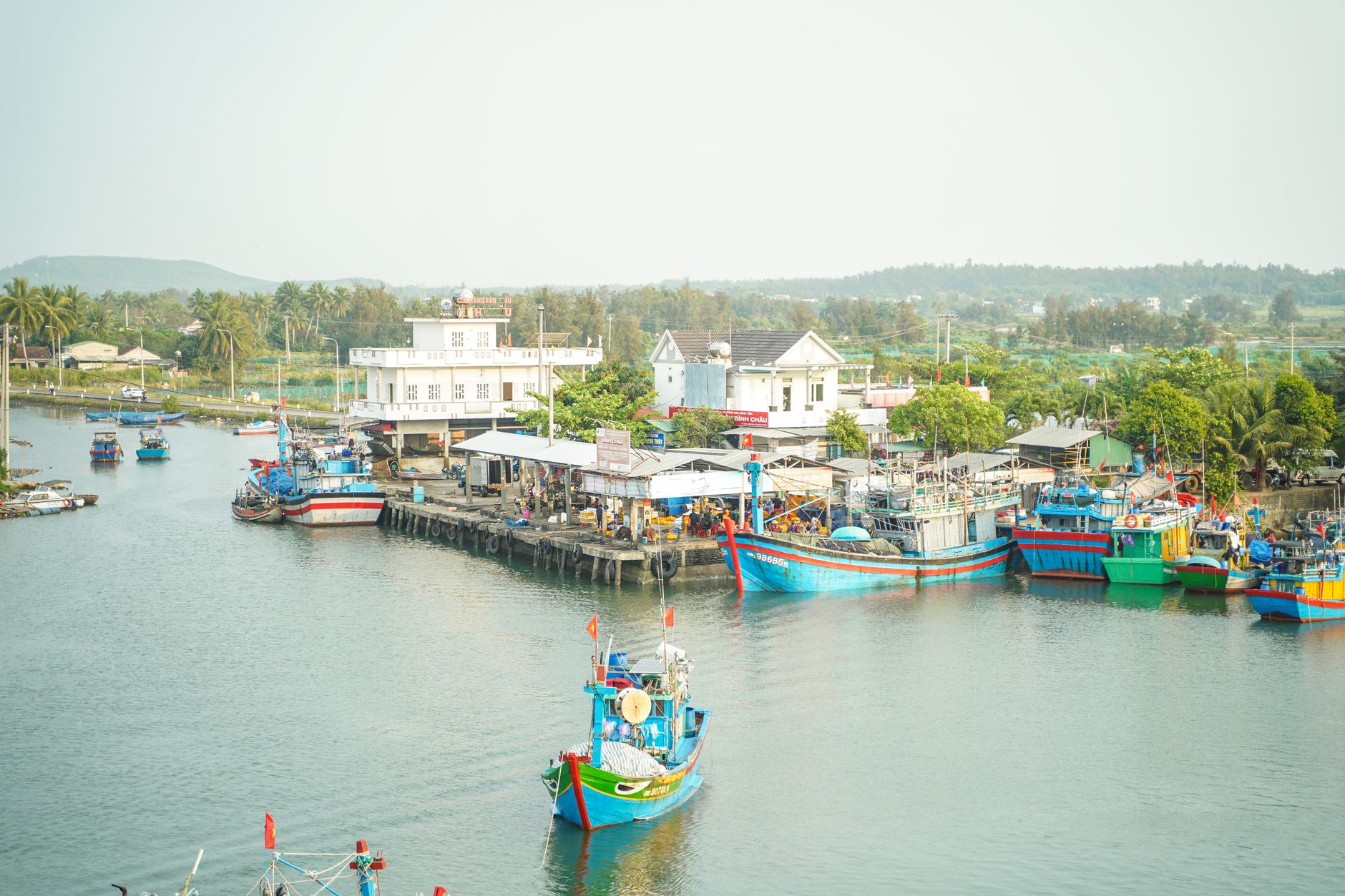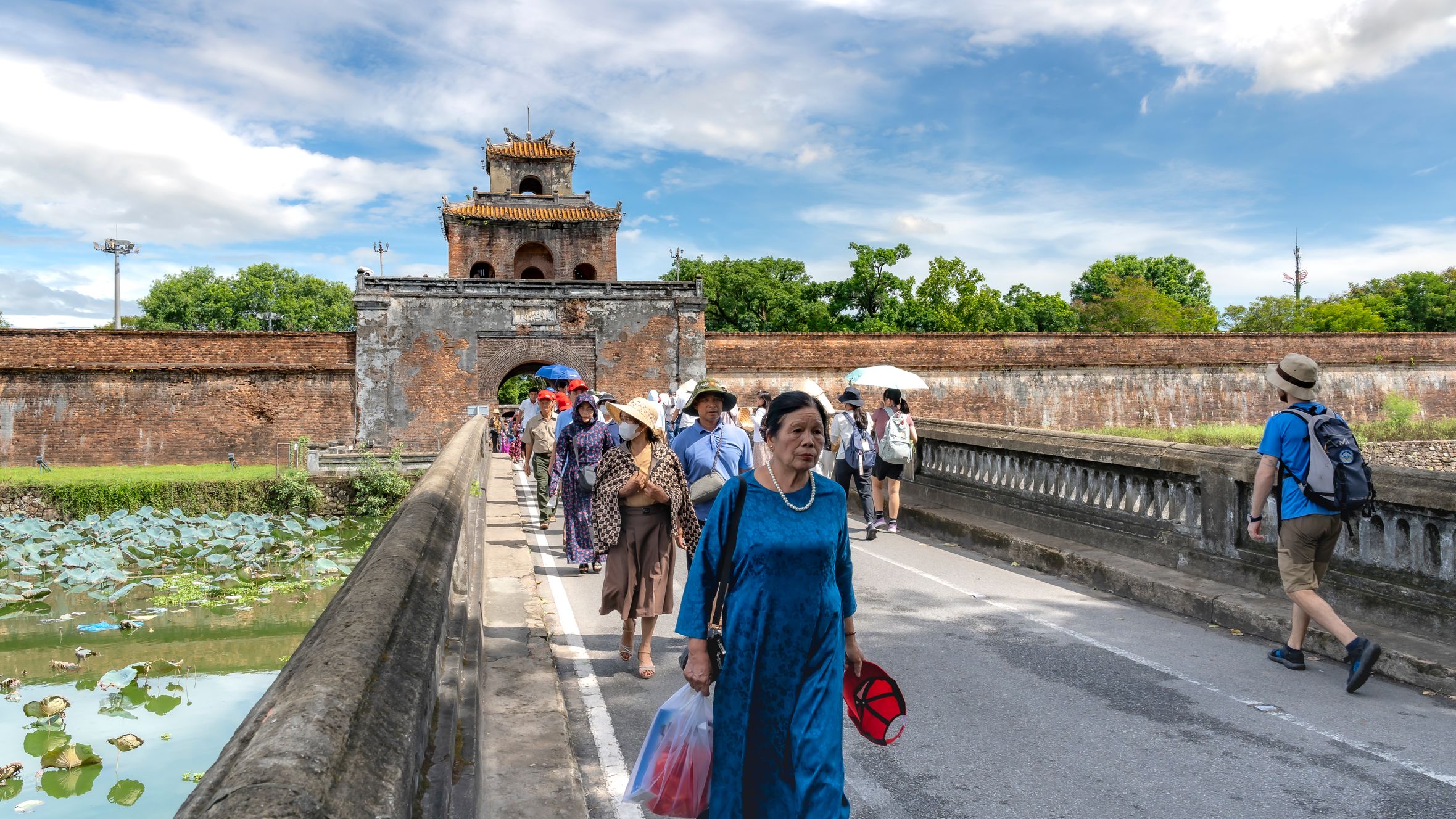
Thanh Nha Ho is one of only a handful of UNESCO World Heritage Sites in Vietnam (베트남 / 越南 / ベトナム) that doesn't draw tour buses by the dozen. This 14th-century stone citadel sits in the countryside of Thanh Hoa province, about 150 km south of Hanoi, and it rewards travelers who like their history quiet and unhurried.
What it is
Thanh Nha Ho — the Citadel of the Ho Dynasty — was built in 1397 under Ho Quy Ly, a court official who overthrew the Tran Dynasty and briefly established the Ho Dynasty before Ming China invaded in 1407. The entire construction reportedly took just three months, which is hard to believe when you see the scale of the stone walls.
The citadel is a rough rectangle, about 870 meters by 880 meters, built from massive limestone blocks — some weighing over 20 tonnes — fitted together without mortar. It earned UNESCO status in 2011, recognized as an exceptional example of Southeast Asian imperial city planning. The walls are what survive; the wooden palaces inside are long gone.
Why travelers go
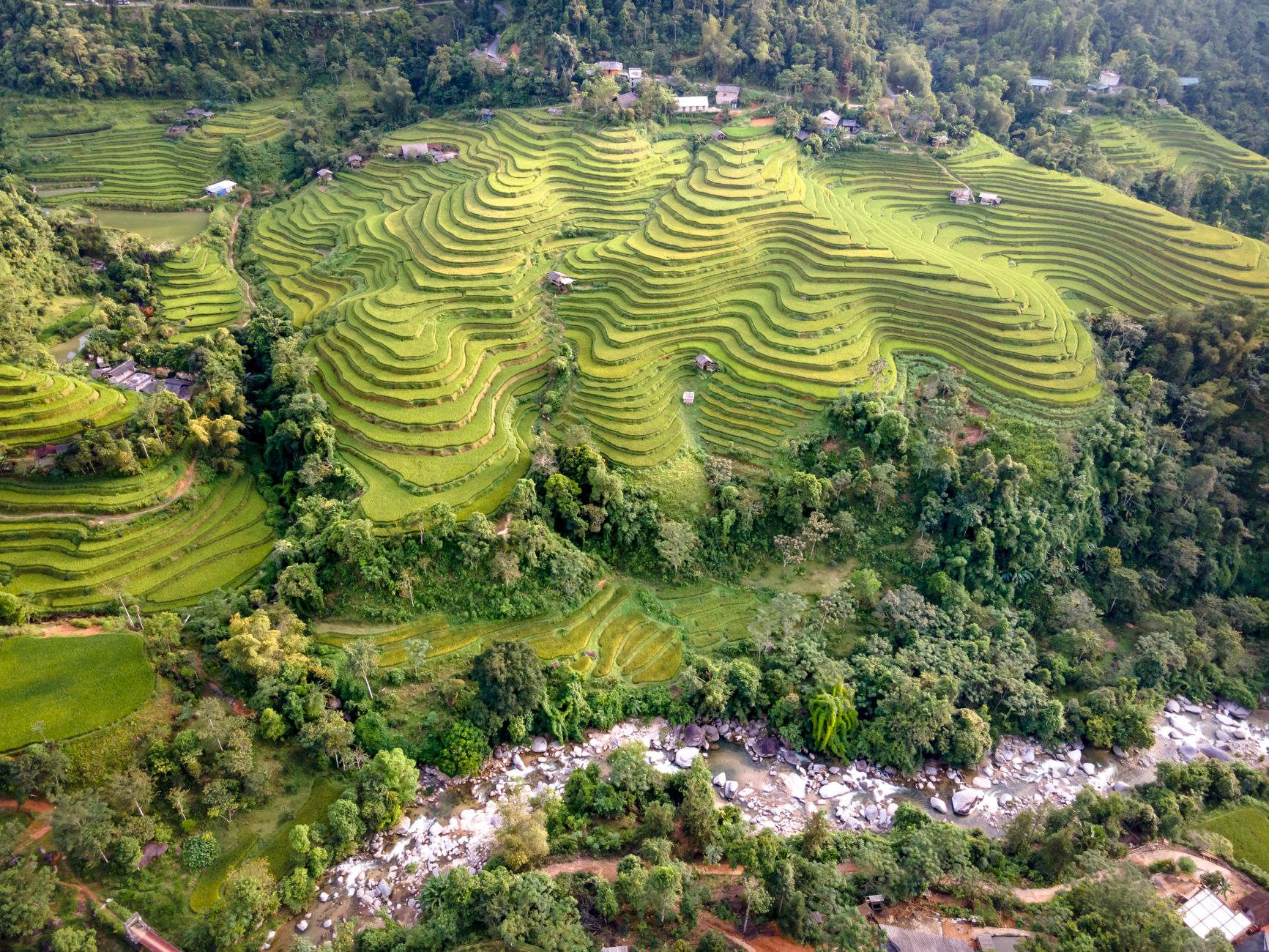
Honestly, most don't — and that's part of the appeal. You won't share this site with crowds the way you would at My Son or Hue's Imperial City. What you get is a genuinely atmospheric ruin in a rural Vietnamese setting: thick stone walls rising from rice paddies, water buffalo grazing nearby, and local kids cycling past on the road that cuts straight through what was once the southern gate.
It's also a site that rewards curiosity over spectacle. There's no light show or audio guide. You walk the walls, read the modest signage, and try to imagine a dynasty that lasted barely seven years leaving behind something this solid.
Best time to visit
September through November is ideal — the rains have eased, the rice paddies around the citadel are green or turning gold, and temperatures sit around 25-30°C. February through April also works well, though it can be overcast and drizzly.
Avoid June through August if you can. Thanh Hoa gets properly hot — 35°C and above — and the site has almost no shade. December and January are cooler but grey, which flattens the landscape.
How to get there
From Hanoi (하노이 / 河内 / ハノイ), you have a few options:
- Train: The Reunification Express stops at Thanh Hoa station. The ride takes about 3-3.5 hours and costs 120,000-250,000 VND depending on seat class. From Thanh Hoa city, the citadel is roughly 45 km northwest in Vinh Loc district.
- Bus: Buses from Hanoi's Giap Bat station to Thanh Hoa run frequently, take about 3 hours, and cost around 100,000-150,000 VND.
- Motorbike: If you're riding south from Hanoi or north from Hue, the citadel is a natural stop along the way. From Thanh Hoa city, take QL45 west to Vinh Loc — the road is decent and the ride takes about an hour.
From Thanh Hoa city to the citadel itself, you'll need a xe om (motorbike taxi), a Grab car (around 250,000-350,000 VND one way), or your own wheels. There's no direct public bus to the site. If you're hiring a car or motorbike for the day, budget around 500,000-700,000 VND for a return trip with waiting time.

Photo by Hữu Thịnh 79 on Pexels
What to do
Walk the four gates
The citadel has four gates aligned to the cardinal directions. The southern gate (Cua Nam) is the most impressive — two massive stone arches flanked by walls nearly 6 meters high. The northern gate is the most intact. Walking between all four takes about an hour at a relaxed pace and gives you the full sense of the site's scale.
Cross through the interior
The interior is mostly open farmland now. A village road runs through the middle, and locals live and farm inside the old walls. It's an unusual experience — walking through a World Heritage Site that's also someone's backyard. The contrast between the monumental stonework and everyday rural life is what makes this place stick in your memory.
Visit the small museum
A modest exhibition hall near the southern gate displays artifacts excavated from the site — ceramics, bricks, iron tools, and diagrams showing the original layout. It's nothing flashy, but it fills in the gaps that the ruins themselves can't. Free entry, usually open until 5 PM.
Explore the surrounding countryside
Rent a bicycle or motorbike and ride the lanes around Vinh Loc. The landscape is flat, green, and quiet — limestone karsts in the distance, fish ponds alongside the road. It's the kind of riding that Central Vietnam does well when you get away from the coast.
Dan Ne Village
About 5 km from the citadel, Dan Ne village is known for traditional mat weaving. You can watch artisans at work if you pass through during the day. It's not a tourist attraction — just a working village — so be respectful.
Where to eat nearby
Thanh Hoa province is known for "nem chua" — fermented pork wrapped in banana leaves with garlic and chili. You'll find it sold everywhere in Thanh Hoa city and at roadside stalls along QL45. It's tangy, funky, and pairs well with cold beer.
For a proper meal, look for "banh cuon" in Vinh Loc town — thin steamed rice rolls filled with minced pork and mushrooms, served with herbs and dipping sauce. There are small com binh dan (rice shops) along the main road near the citadel where lunch runs 30,000-50,000 VND.
Where to stay
There's no accommodation at the citadel itself. Your options:
- Thanh Hoa city: The most practical base. Budget hotels and guesthouses run 200,000-400,000 VND per night. Mid-range options like Muong Thanh or similar chains cost 500,000-900,000 VND. The city isn't charming, but it has everything you need.
- Homestays in Vinh Loc: A few basic homestays have appeared in recent years, mostly catering to Vietnamese visitors. Expect simple rooms for 150,000-300,000 VND. Ask at the museum or local shops for current availability — online listings are unreliable.

Photo by Thi Đoàn on Pexels
Practical tips locals would tell you
- Bring water and sun protection. There's one small drink stall near the southern gate and that's about it.
- The site is free to enter, though there's occasionally a small parking fee (10,000-20,000 VND for motorbikes).
- Early morning is best for photos — the light on the stone walls is warm, and you'll have the place to yourself.
- If you're combining this with a longer trip, Thanh Hoa is a logical stop between Hanoi and Ninh Binh or between Ninh Binh and Hue. It breaks up a long travel day.
Common mistakes to avoid
- Expecting a fully restored site. This isn't Hue's Imperial City. The walls are the main attraction, and the interior is farmland. Come with the right expectations and you'll enjoy it far more.
- Not arranging return transport. Grab availability outside Thanh Hoa city is spotty. If you take a xe om, agree on a return pickup time and price before your driver leaves.
- Rushing it. Some people drive out, snap a photo of the south gate, and leave in 20 minutes. Give it at least 90 minutes to walk the perimeter and absorb the setting.
Practical notes
Thanh Nha Ho is the kind of place that won't blow you away with grandeur, but it earns its keep through atmosphere and authenticity. If you're traveling between Hanoi and Central Vietnam and want a reason to stop in Thanh Hoa, this is it. Pair it with a bowl of "banh canh" in town and a cold bia hoi, and you've got a good day.
Last updated · May 29, 2026 · independently researched, never sponsored.