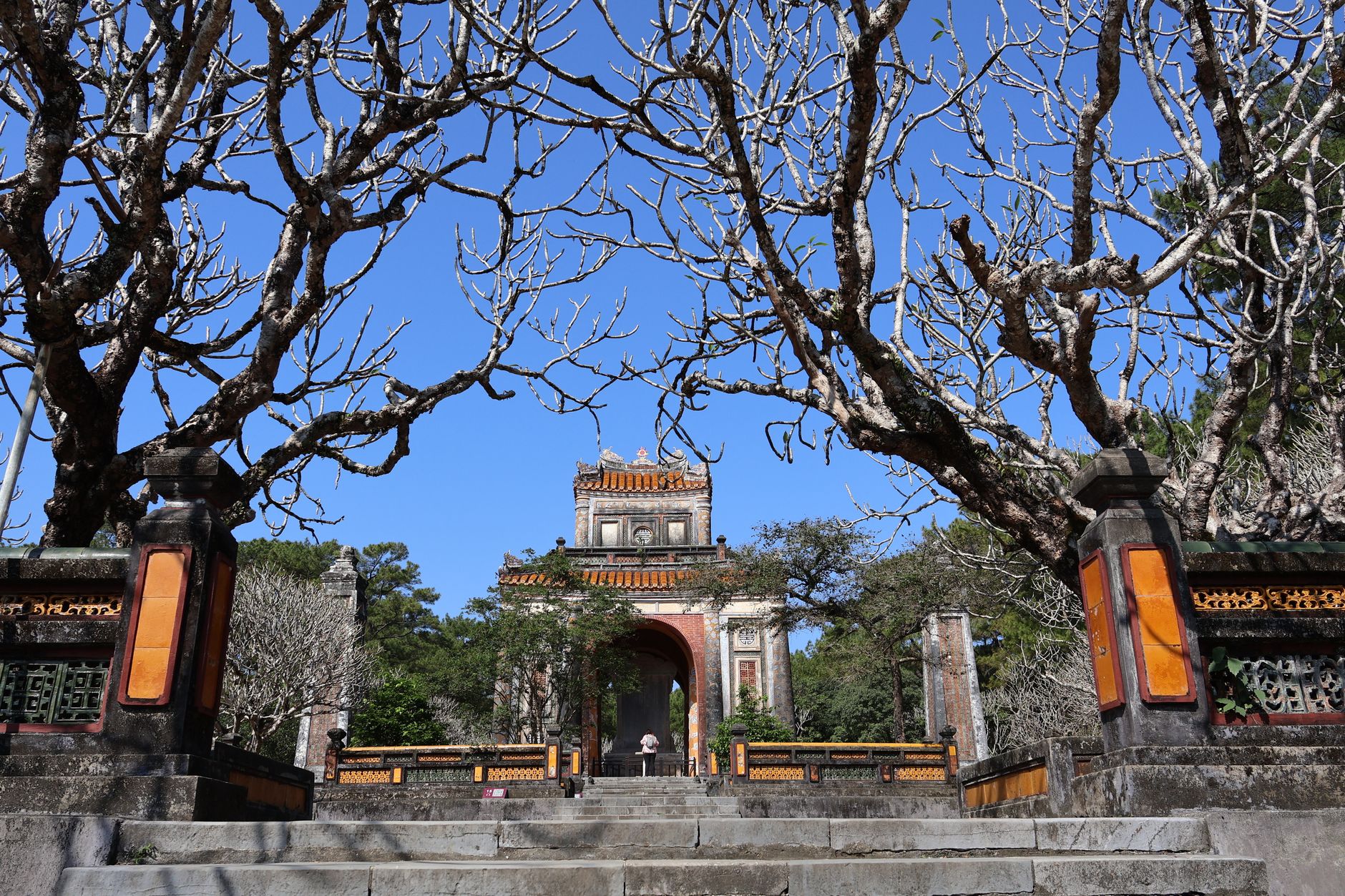
Kon Tum Prison — "Nguc Kon Tum" — sits quietly on the east bank of the Dak Bla River in Kon Tum city, a place most international travelers pass through without stopping. That's a mistake. The site is one of the more sobering and well-preserved colonial-era prison relics in Vietnam (베트남 / 越南 / ベトナム), and it takes less than half a day to see properly.
What it is
The French colonial administration built the prison in the early 1930s to hold Vietnamese political prisoners, many of whom were forced into hard labor constructing roads through the Central Highlands (중부 고원 / 中部高原 / 中部高原) — particularly the notorious Dak Pek and Dak Glei routes. Conditions were brutal. Disease, starvation, and mistreatment killed a significant number of inmates.
The site today is a memorial complex that includes reconstructed prison buildings, a museum hall with photographs and documents from the period, and a monument honoring those who died. It was recognized as a national historical relic in 1988. The complex is compact — you can walk the full grounds in about 30 minutes, but most people spend closer to an hour reading the exhibits.
Why travelers go
This isn't a site you visit for entertainment. You go because it's one of the few places in the Central Highlands where colonial history is presented directly, with original artifacts and firsthand accounts translated into Vietnamese (and partially into English). For anyone interested in how Vietnam's modern identity was shaped, or anyone heading through Kon Tum on a motorbike loop, it adds weight and context to the landscape you're riding through.
It also happens to sit along the Dak Bla River, which makes for a calm walk before or after your visit.
Best time to visit
Kon Tum's dry season runs from November through April. December to February is the sweet spot — cooler temperatures (hovering around 20–25°C), minimal rain, and low humidity by Central Highlands standards. The wet season from May to October brings heavy afternoon downpours, which won't ruin an indoor museum visit but will make the outdoor grounds muddy and less pleasant.
Mornings are best. The complex opens around 7:00 AM and the light along the river is good before 9:00. By midday, even in the cooler months, the sun is direct and there's limited shade on the grounds.
How to get there
Kon Tum city is roughly 250 km north of Quang Ngai city and about 50 km north of Pleiku (Gia Lai province). Most travelers reach Kon Tum via Pleiku, which has the nearest airport.
From Pleiku
Local buses run from Pleiku bus station to Kon Tum roughly every 30 minutes. The ride takes about 1 hour and costs 40,000–60,000 VND. A private taxi or Grab car runs around 250,000–350,000 VND one way.
From Da Nang or Hoi An
There's no direct bus. The most common route is Da Nang to Pleiku by sleeper bus (7–8 hours, around 200,000–280,000 VND), then onward to Kon Tum. Alternatively, fly from Da Nang to Pleiku — Vietnam Airlines and Bamboo Airways operate this route, with fares starting around 600,000 VND if booked in advance.
Within Kon Tum city
The prison relic site is on Truong Chinh Street, about 2 km from Kon Tum's central market. A xe om (motorbike taxi) costs 15,000–20,000 VND, or you can walk it in 20 minutes along the river.

Photo by Dương Nhân on Pexels
What to do
Walk the reconstructed prison barracks
The wooden and bamboo structures recreate the cramped quarters where prisoners were held. They're simple but effective — you get a physical sense of the space, or lack of it, that dozens of people shared.
Spend time in the museum hall
The exhibition room houses photographs, prisoner letters, tools, and shackles from the 1930s. Signage is primarily in Vietnamese, with some English captions. If you can, bring a translation app — some of the personal accounts are worth reading slowly.
Visit the Dak Glei road monument
A separate monument on the grounds marks the forced labor road-building campaigns. This is where the historical narrative hits hardest. The display panels explain the conditions prisoners faced while cutting roads through mountain jungle.
Walk along the Dak Bla River
After the memorial, head down to the riverbank. The Dak Bla is one of the prettier rivers in the Highlands — wide, slow, flanked by trees. There's a pedestrian path that runs south toward the Kon Klor suspension bridge, a wooden bridge built in the style of the local Ba Na ethnic minority. It's about a 15-minute walk and makes for a good decompression after the prison site.
Stop at the Kon Tum Wooden Church
About 1.5 km south of the prison site, this French-built church from 1913 uses traditional Ba Na timber architecture. It's one of the most distinctive religious buildings in the Central Highlands and pairs well with the prison visit for a half-day of colonial-era history.
Where to eat nearby
Kon Tum's signature dish is "pho kho" — dry pho. Unlike the soup version you'll find in Hanoi, this comes with noodles and toppings served separately from a small bowl of broth on the side. Try it at Pho Kho Ba Cuc near the central market — a bowl runs about 30,000–40,000 VND.
Also worth seeking out is "com lam," bamboo-tube rice cooked by ethnic minority communities in the area. Several small restaurants along Nguyen Hue Street serve it, usually paired with grilled chicken or pork. Expect to pay around 50,000–80,000 VND for a full plate.
Where to stay
Kon Tum isn't a tourist hub, so accommodation is straightforward and affordable.
- Budget: Guesthouses around the market area start at 150,000–250,000 VND/night. Basic but clean, with hot water and Wi-Fi.
- Mid-range: Indochine Kon Tum Hotel or Kon Tum Green Hotel offer air-conditioned rooms with breakfast for 400,000–600,000 VND/night.
- Upper mid-range: Muong Thanh Holiday Kon Tum is the nicest option in town at around 700,000–900,000 VND/night, with a pool.

Photo by Valeria Drozdova on Pexels
Practical tips
- Admission is free. No ticket required.
- Dress modestly. It's a memorial site. Shorts and tank tops are fine but show awareness of the context.
- English signage is limited. Download Google Translate's Vietnamese offline pack before you go.
- Combine it with a broader Central Highlands trip. Kon Tum pairs naturally with Pleiku and the Ha Giang-style highland passes around Mang Den, about 50 km east. If you're on a motorbike loop from Da Nang or Hoi An, Kon Tum is a solid overnight stop.
- Bring water. There's no café or drink vendor inside the complex.
Common mistakes
Rushing through in 15 minutes because the grounds look small. The exhibits reward slower reading. Skipping it entirely because it's "just a museum" — the physical reconstructions make this different from a standard exhibition hall. And showing up after 4:00 PM expecting full access — the site closes around 4:30 and staff begin locking up early.
Practical notes
Kon Tum Prison works best as part of a half-day in the city, paired with the Wooden Church and a river walk. If you're heading south toward Pleiku or north toward Dak Glei, it's an easy morning stop. The site won't take your whole day, but it will change how you see the roads you're driving on afterward.
Last updated · May 29, 2026 · independently researched, never sponsored.