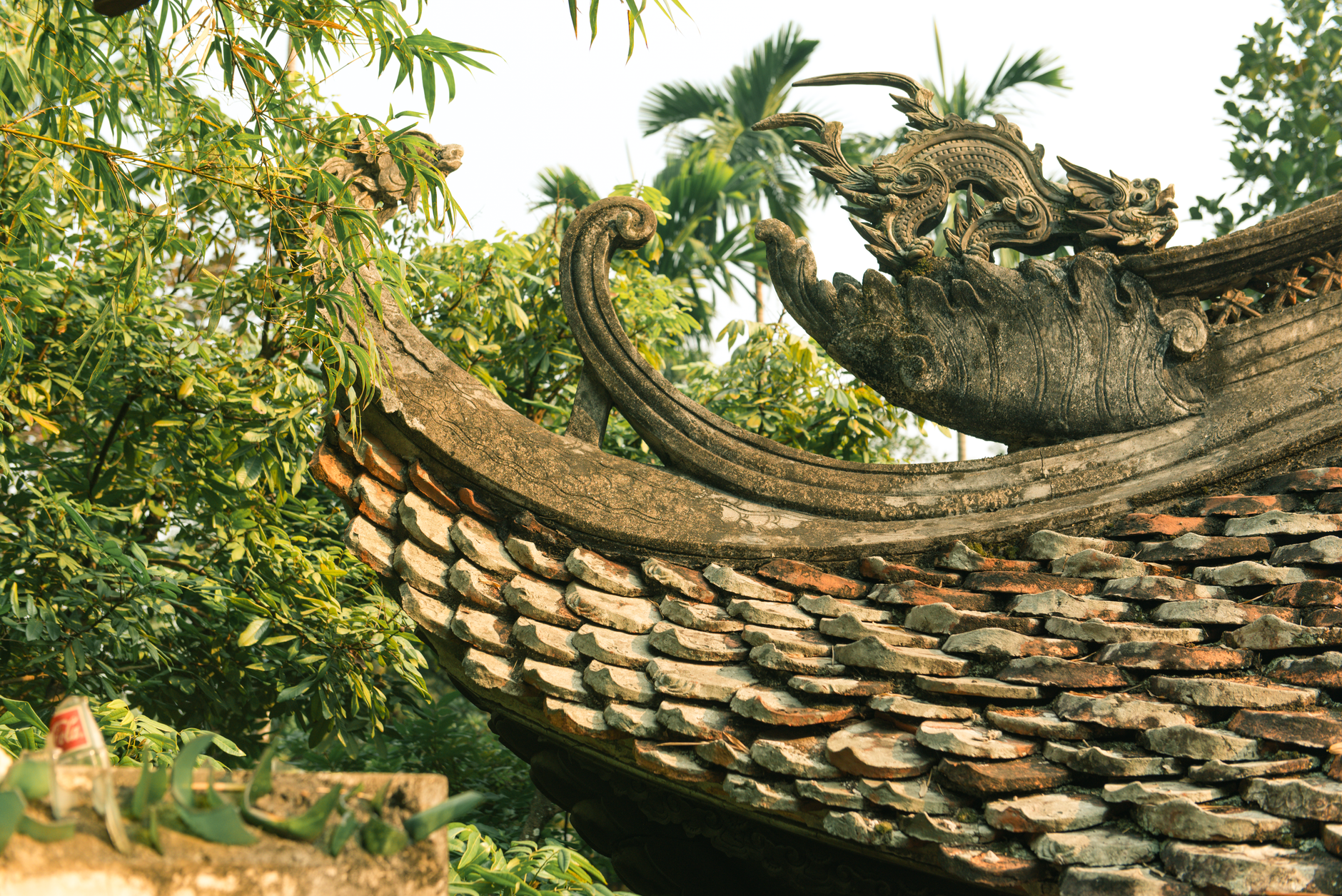
What it is
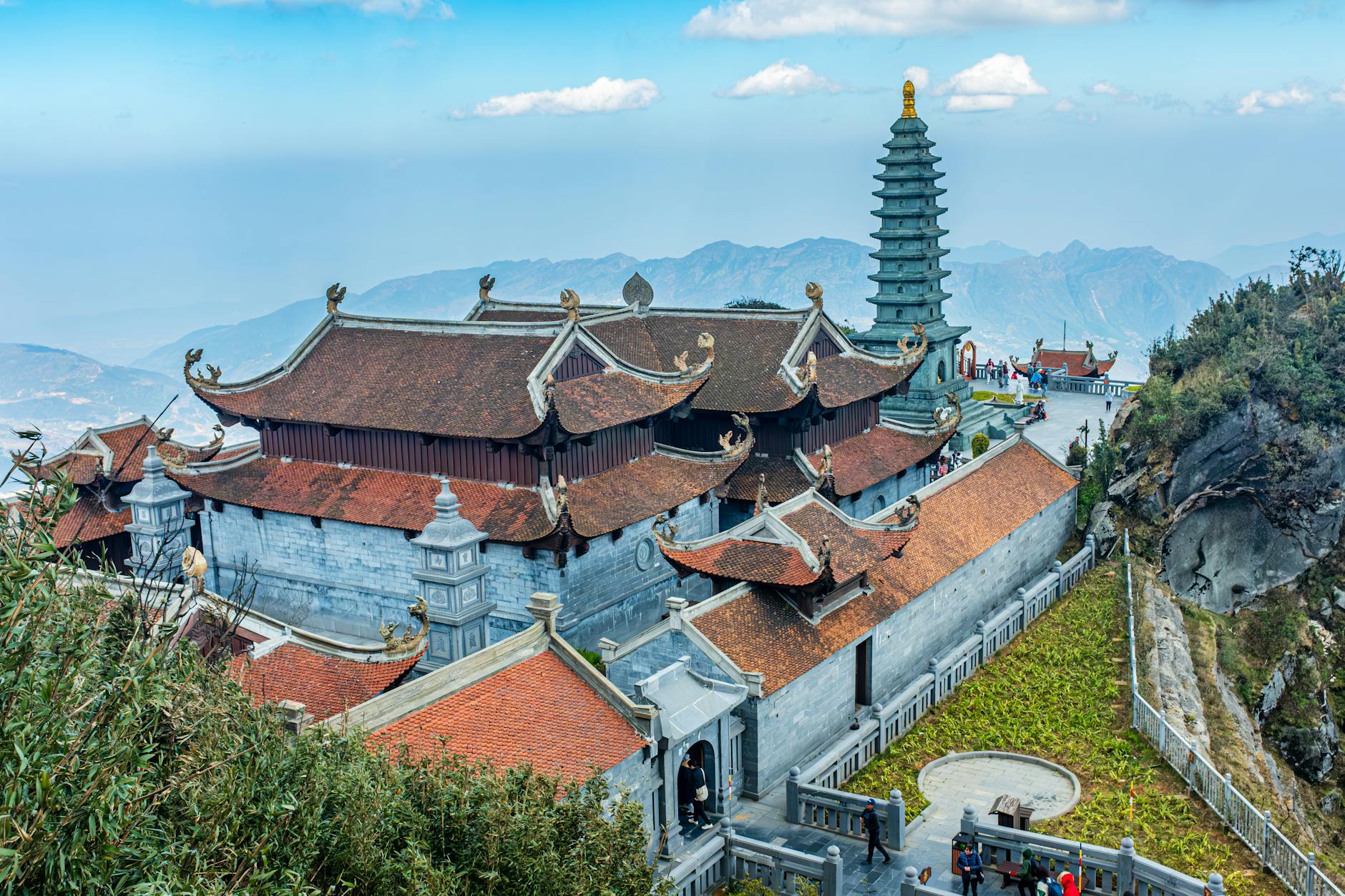
Truc Lam Tay Thien is a Zen Buddhist monastery set against the western slope of the Tam Dao mountain range, roughly 85 km northwest of Hanoi. It belongs to the Truc Lam Zen lineage — a Vietnamese school of Buddhism revived in the 1960s — and sits on a site that locals claim has hosted meditation practice for over a thousand years. The current complex was built in 2005 and expanded through 2010, making it one of the largest Truc Lam monasteries in northern Vietnam (베트남 / 越南 / ベトナム).
The grounds cover a hillside at around 300 meters elevation, connected by stone paths that wind through forest. There's a main dharma hall, a bell tower, lotus ponds, and several smaller meditation pavilions. It's a working monastery, not a museum — monks live and practice here year-round.
Why travelers go
Most visitors come for three reasons. First, the setting: the monastery sits in genuine forest, not a manicured park, and the elevation keeps temperatures a few degrees cooler than the Red River Delta below. Second, the cable car ride up offers wide views over the Tam Dao foothills. Third, it's close enough to Hanoi (하노이 / 河内 / ハノイ) for a day trip but feels genuinely removed — no karaoke bars, no tourist buses idling in parking lots.
For anyone interested in Vietnamese Buddhism beyond the incense-heavy pagodas of Hanoi, this is a good introduction to the Truc Lam tradition, which emphasizes meditation over ritual. The atmosphere is noticeably quieter than comparable sites like Bai Dinh in Ninh Binh, which draws massive weekend crowds.
Best time to visit
The sweet spot is October through December and again in March through April. Skies are clearer, humidity is lower, and the forest canopy is green without the heavy rain that turns stone steps slippery. January and February can be foggy — atmospheric if you like that, but you'll lose the views. Summer (June through August) brings afternoon downpours and the cable car occasionally suspends operation during storms.
Weekdays are significantly less crowded than weekends. If you can swing a Tuesday or Wednesday visit, you'll share the paths with monks and a handful of locals rather than tour groups.

Photo by Haneul Trac on Pexels
How to get there from Hanoi
The monastery is near Dai Dinh commune in the Tam Dao area. From central Hanoi, you have a few options:
Self-drive or motorbike
Take the Noi Bai expressway north, then branch onto National Highway 2B toward Vinh Yen, and follow signs to Tay Thien. Total distance is about 85 km. On a motorbike, expect roughly two hours; by car, 90 minutes with light traffic. This is the most flexible option and the road quality is decent.
Bus
From My Dinh bus station in Hanoi, catch a bus heading to Vinh Yen (around 60,000-80,000 VND, about 90 minutes). From Vinh Yen, you'll need a local taxi or xe om to the Tay Thien cable car station — roughly 25 km, costing 150,000-200,000 VND by taxi.
Cable car
Once at the base station, the cable car runs about 4.5 km up the hillside to the monastery. Tickets cost around 120,000 VND for a round trip (prices may adjust). The ride takes about 10 minutes each way. You can also hike up — it's roughly 3 km of stone steps through forest, taking 60-90 minutes depending on fitness.
What to do
Walk the full monastery grounds
Most visitors beeline to the main hall, snap photos, and head back to the cable car. That's a mistake. Budget at least 90 minutes to walk the stone paths that loop through the forest behind the main complex. There are smaller shrines, meditation spots, and a vegetarian garden that most people miss entirely.
Hike instead of riding the cable car (one direction)
If your knees allow it, take the cable car up and hike down — or the reverse if you want the workout with a reward. The trail passes through dense forest and you'll hear birds that the cable car noise drowns out. Wear shoes with grip; the stone steps get mossy.
Visit Thien Quang meditation pavilion
A smaller pavilion set apart from the main hall, usually empty. If you're interested in sitting quietly for 20 minutes without someone's phone going off, this is the spot.
Stop at the Tay Thien scenic area below
Before or after the monastery visit, the broader Tay Thien area includes forest trails, streams, and a few smaller temples at the base. The Dong Lo stream area is a good place to cool off if you're visiting in warmer months.
Catch the bell ceremony
If you time your visit for late afternoon (around 4:30-5:00 PM), you may hear the evening bell ceremony. It echoes off the hillside in a way that recordings don't capture.
Where to eat nearby
The monastery itself has no restaurant, but the base area near the cable car station has a row of local eateries. Look for "com binh dan" stalls serving rice plates with stir-fried vegetables and braised meat — expect 40,000-60,000 VND per plate.
The area is known for hill chicken ("ga doi"), free-range birds grilled or steamed and served with lime-leaf salt. It's noticeably better than the factory-farmed chicken you get in Hanoi. A whole chicken runs about 250,000-350,000 VND and feeds two to three people.
If you're driving back through Vinh Yen town, stop for "banh cuon" — the steamed rice rolls here are made thin and filled with minced pork and wood ear mushroom. It's a northern staple worth eating close to the source.

Photo by Quang Nguyen Vinh on Pexels
Where to stay
Most visitors treat this as a day trip from Hanoi. If you want to stay overnight:
- Budget: Guesthouses near the Tay Thien base area run 200,000-400,000 VND per night. Basic but clean.
- Mid-range: Vinh Yen city (25 km away) has several hotels in the 500,000-800,000 VND range with air conditioning and hot water.
- Splurge: Tam Dao town, about 20 km by road on the other side of the mountain range, has boutique stays from 1,000,000-2,500,000 VND if you want to combine the monastery visit with a night in the hills.
Practical tips locals would tell you
- Dress modestly. Shoulders and knees covered — this is an active monastery, not a tourist attraction that tolerates anything. Staff at the entrance will turn people away in shorts.
- Bring water. There's limited purchasing options once you're up top.
- The cable car closes at 5:00 PM (last car up is usually 4:30 PM). If you're hiking down after closing, you're committed to the full descent.
- Phone signal is patchy on the forested trails. Download offline maps if you're navigating by phone.
- If you're visiting during the Hung Kings Festival period (around the 10th day of the third lunar month), expect significantly higher traffic — the festival is celebrated with particular energy in this part of northern Vietnam.
Common mistakes to avoid
Showing up at noon on a weekend and expecting solitude. The monastery gets bus tours from Hanoi, especially Saturday mornings. Arrive before 8:30 AM or after 2:00 PM for a calmer experience.
Skipping the hike entirely. The cable car is convenient, but walking at least one direction is where the visit goes from "nice pagoda" to something you actually remember.
Not budgeting enough time. An hour isn't enough. Give yourself three hours minimum — cable car, full grounds walk, and a slow lunch at the base.
Last updated · May 29, 2026 · independently researched, never sponsored.