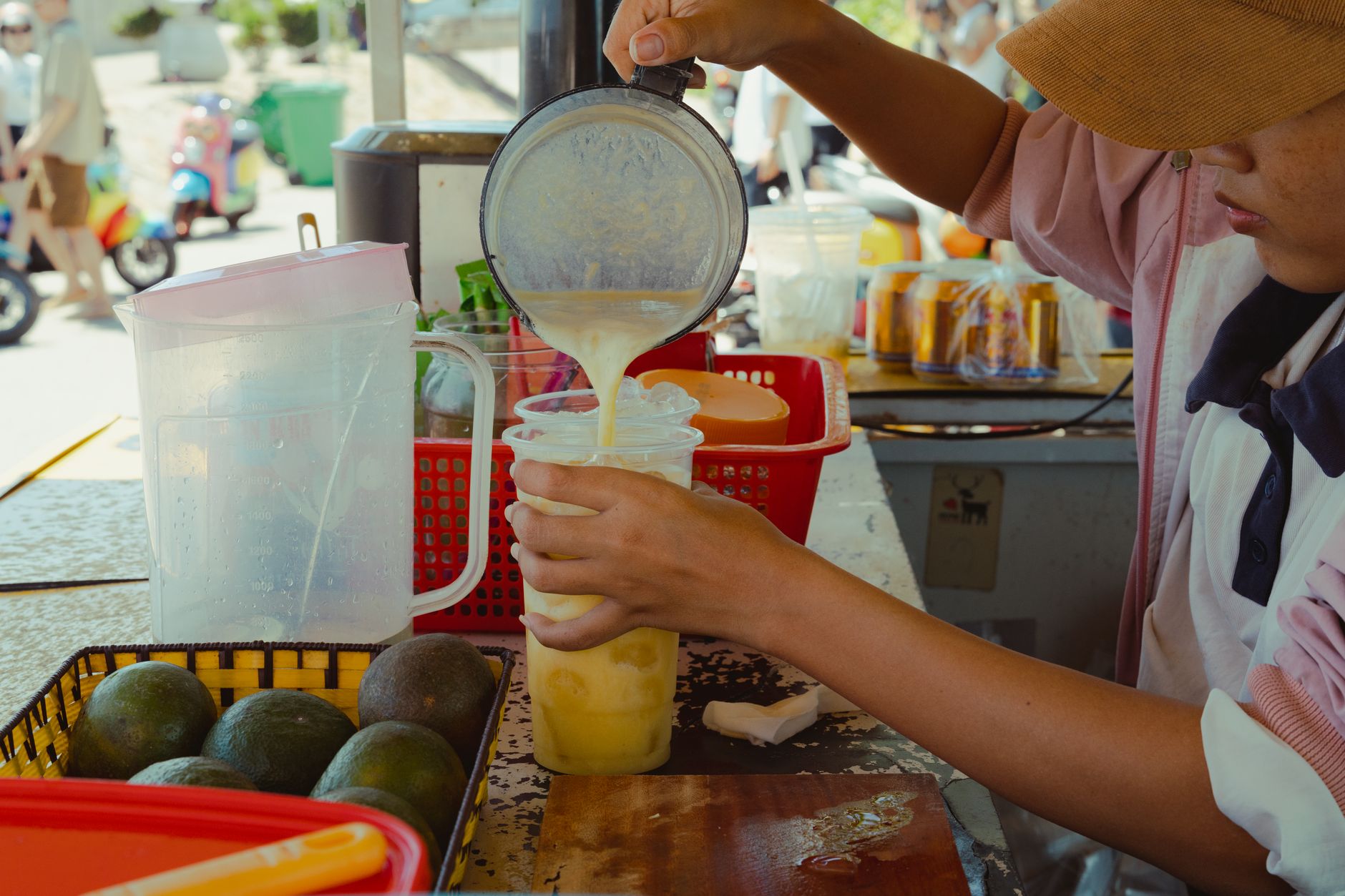
Robusta from the Central Highlands (중부 고원 / 中部高原 / 中部高原) built Vietnam into the world's second-largest coffee exporter. But the specialty side of the industry — the single-origin, high-altitude arabica that baristas actually talk about — is increasingly coming from places most tourists have never heard of.
Why Buon Ma Thuot Isn't the Whole Story
Buon Ma Thuot, in Dak Lak province, dominates Vietnamese coffee by volume. The city processes roughly 40% of the country's output, and its robusta fills supermarket blends from Seoul to Rotterdam. That dominance is real, but volume and quality aren't the same thing. The farms that specialty roasters — both local and international — are now sourcing from sit at higher elevations, in cooler microclimates, and often in provinces that weren't associated with coffee farming a generation ago.
Here's where to look.
Cau Dat, Lam Dong — The French-Era Farms
Cau Dat sits at around 1,500 metres above sea level in Lam Dong province, roughly 25 km south of Da Lat on the road toward Di Linh. The French planted arabica here in the 1930s, and some of those original Typica and Bourbon varietals are still producing. The cool, foggy climate — temperatures rarely climb above 20°C — slows cherry development and produces beans with noticeably brighter acidity than anything grown at lower altitudes.
A small cluster of specialty farms and micro-lots has developed here over the past decade. K'Ho Coffee, run by the K'Ho ethnic minority community, is one of the more visible operations and has built direct-trade relationships with buyers in the US and Japan. Their processing — both washed and natural — is handled on-site, which is still relatively rare in Vietnamese smallholder farming.
If you're visiting Da Lat (달랏 / 大叻 / ダラット), Cau Dat is a half-day trip. The drive through pine forest and tea terraces is its own reason to go. Expect to pay 80,000–150,000 VND for a bag of single-origin filter coffee at farm gates or in Da Lat's specialty cafe strip on Nguyen Van Cu.
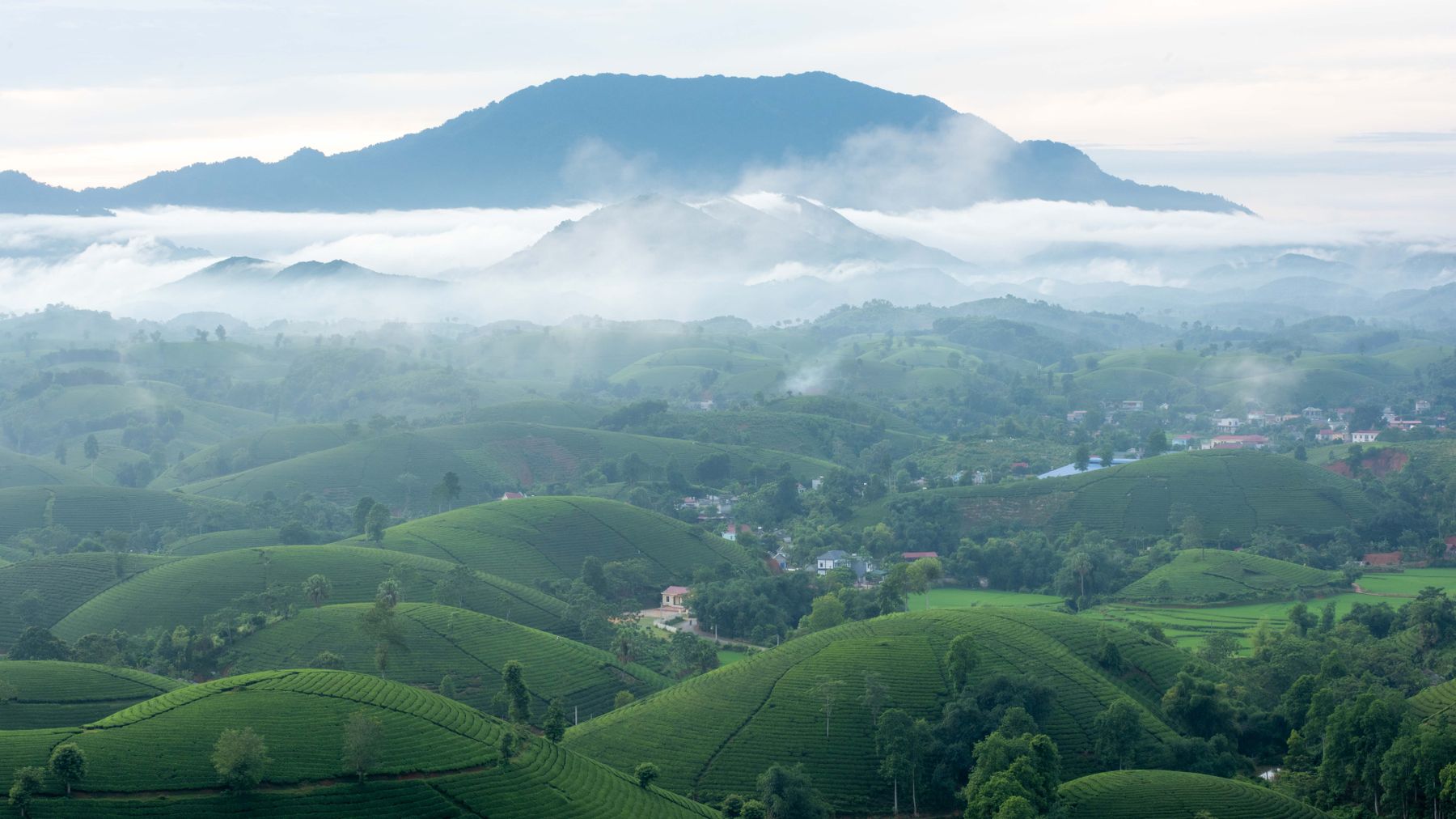
Photo by Duc Nguyen on Pexels
Son La — Northern Arabica on the Rise
Son La province in the northwest is better known as a stop on the way to Sapa or Ha Giang than as a coffee origin. That's changing. Son La now produces more arabica by volume than any other northern province, with farms concentrated around the Muong Bang plateau at elevations between 800 and 1,400 metres.
The climate here is drier and more seasonal than Lam Dong, which gives Son La arabica a different flavour profile — lower acidity, more body, with chocolate and dried-fruit notes that work well as espresso. Several Hanoi specialty roasters, including Me Trang and a handful of smaller independents on Ta Hien street, now stock Son La single-origin as a seasonal offering.
The caveat: Son La's processing infrastructure is still catching up. Wet-processing facilities are limited, and a lot of the crop still goes to commodity buyers. The best lots are small and sell quickly, so ask specifically for Son La-origin when you're shopping rather than assuming it'll be on the shelf year-round.
Quang Tri — The Unexpected Arabica Belt
Quang Tri is the province most visitors pass through on the train between Hue and Da Nang without stopping. The western highlands of Quang Tri, bordering Laos along the Ho Chi Minh trail corridor, sit at elevations between 600 and 1,000 metres — not as high as Cau Dat, but enough for arabica to thrive in the cooler months.
Farming here is almost entirely smallholder, and the coffee identity is genuinely new. Quang Tri arabica only started appearing in specialty channels around 2018–2019. What distinguishes it is the soil — red basalt similar to parts of Ethiopia's Sidama region — and the rainfall pattern, which is heavier and more concentrated than in the south. Early cup notes from roasters who've worked with Quang Tri lots describe stone fruit and mild floral character, though consistency is still variable depending on the farm and the harvest year.
This is the most "emerging" of the four regions here. If you're traveling through Hue or Da Nang, it's not yet easy to find Quang Tri-origin coffee in cafes — you're more likely to encounter it through specialty roasters online than on a cafe menu.

Photo by Israyosoy S. on Pexels
What to Order and Where
Vietnam's "vietnamese coffee" culture still runs on robusta and condensed milk — thick, sweet, served over ice as "ca phe sua da" — and there's nothing wrong with that. But the specialty side has built a real parallel scene, particularly in Hanoi and Saigon.
In Hanoi, the cafes around Tay Ho (West Lake) and the old quarter streets near Dinh Liet have the densest concentration of shops stocking regional arabica. In Saigon, District 1's Nguyen Trai corridor and the Binh Thanh neighborhood both have third-wave-style shops that rotate single-origin lots. Ask for the origin explicitly — "ca phe thu cong" (hand-brewed coffee) is the phrase that signals you're in the right kind of place.
For filter brewing specifically, washed Cau Dat arabica is the most consistent entry point: cleaner, more familiar to anyone used to East African or Colombian coffee, and increasingly available by the 200g bag for 120,000–200,000 VND.
Practical Notes
Cau Dat is the easiest of these regions to visit as a tourist — it's a straightforward day trip from Da Lat with good road access and farm-gate sales. Son La requires more planning and is best combined with a wider northwest circuit. Quang Tri's coffee highlands aren't set up for casual visitors yet. For buying regional arabica without traveling to the source, Hanoi's Dong Xuan Market area has wholesale roasters, and most specialty cafes in major cities will ship nationally.
Last updated · May 29, 2026 · independently researched, never sponsored.