Do you need vaccines to enter Vietnam?
No. Vietnam (베트남 / 越南 / ベトナム) does not require proof of vaccination for entry as of 2024. You won't be turned away at the airport if you're unvaccinated. That said, vaccines are recommended — and some make real practical sense depending on where you're going and how long you'll stay.
The difference matters: required vs. recommended. Most countries have moved away from mandatory vaccines for tourists; Vietnam is among them. But "no requirement" doesn't mean "unnecessary."
Recommended vaccines for Vietnam
The CDC and most travel health clinics recommend these for Vietnam:
Routine vaccines (up to date regardless of destination):
- Measles, mumps, rubella (MMR)
- Diphtheria, tetanus, pertussis (Tdap)
- Polio
- Flu (seasonal)
- COVID-19 (if current boosters matter to you; Vietnam no longer tracks this at border)
Hepatitis A: Highly recommended. Spread through contaminated food and water. One dose gives you 6–12 months of protection; a booster at 6–12 months = lifelong immunity. Cost: USD 50–150 per dose depending on clinic.
Typhoid: Common in Southeast Asia, especially if you'll eat street food or visit rural areas. Oral vaccine (4 doses over 1 week) or single injection. USD 30–100.
Japanese encephalitis: If you're spending 4+ weeks in rural areas during monsoon season (June–October), or visiting the Mekong Delta (메콩 델타 / 湄公河三角洲 / メコンデルタ) in summer. Rare for typical tourists. Two doses, 28 days apart. USD 150–300.
Rabies: If you're hiking in remote areas or working with animals. Post-exposure prophylaxis (PEP) is available in Hanoi and Saigon, but it's easier to vaccinate beforehand. Three doses pre-exposure. USD 150–300.
Dengue: No vaccine available in most countries (Dengvaxia exists in a few Southeast Asian countries but not widely accessible to tourists). Prevention is mosquito avoidance: repellent, long sleeves at dawn/dusk.
Yellow fever: Not endemic in Vietnam. Only required if you're traveling from or to certain African/South American countries. Skip it for Vietnam-only trips.
Where to get vaccinated
Before you leave home: Easiest option. Schedule at your doctor, travel clinic, or pharmacy vaccine service 4–6 weeks before departure. Gives time for full series if needed.
In Vietnam: Possible but slower. Hanoi and Saigon have international clinics (International SOS, Medicare, Family Medical Practice). Expect to pay more than at home (roughly 30–50% markup) and navigate appointments in Vietnamese or spotty English. Vaccine availability can be limited. Only practical if you forgot something or staying >3 months.
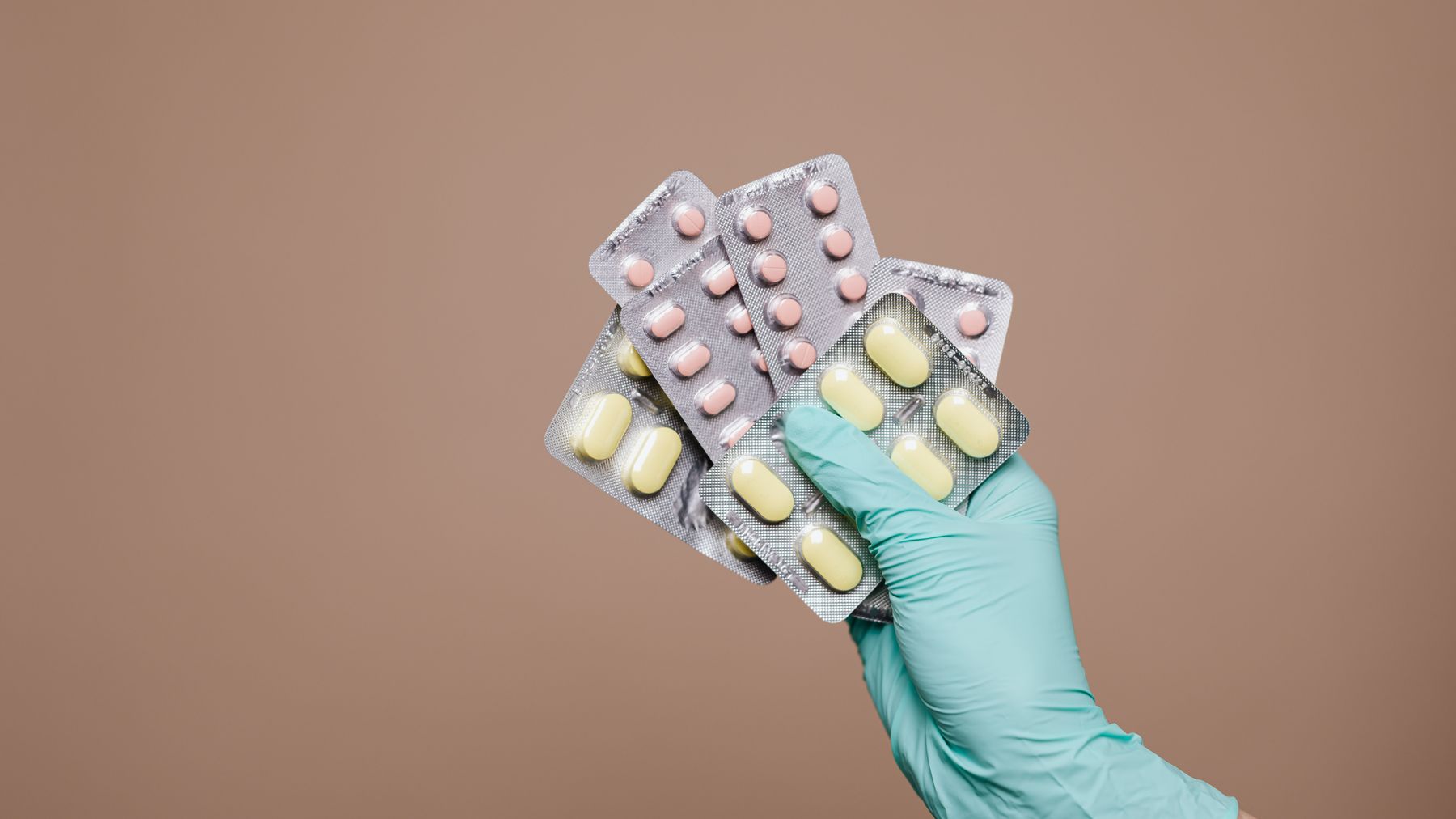
Photo by www.kaboompics.com on Pexels
Costs and timeline
Total vaccine cost at a US travel clinic: USD 300–600 for hepatitis A + typhoid + routine boosters. Japanese encephalitis or rabies push it higher.
Timeline:
- Single-dose vaccines (typhoid injection, yellow fever): 1 dose = 2–3 weeks immunity before trip.
- Hepatitis A: 1 dose works; booster later if desired.
- Japanese encephalitis: 2 doses, 28 days apart = need to start 6–8 weeks out.
- Rabies: 3 doses, days 0, 7, 21 = need 3+ weeks.
Don't leave this for the week before you fly. Get it done 4–6 weeks ahead.
Practical tips for Vietnam
Drink bottled or boiled water: Even if vaccinated against hepatitis A and typhoid, these viruses spread via water. Order water in sealed bottles (or canned drinks) at restaurants. Tap water in Hanoi and Saigon is treated but not potable for tourists; ice in drinks is usually fine from established places, risky at street stalls.
Street food is generally safe: The overwhelming majority of tourists eat street food in Vietnam without illness. High turnover + hot cooking = safer than you'd think. Busy pho or banh mi stalls are lower-risk than sketchy sit-down restaurants. Use common sense: if it looks neglected or smells off, skip it.
Mosquitoes are the real threat: Dengue, Zika, and chikungunya spread via mosquitoes. Malaria is not present in major cities but rare in far-rural areas. Buy mosquito repellent (DEET 20–30%) at any pharmacy in Vietnam (costs 50,000–100,000 VND / USD 2–4). Use it at dawn and dusk.
Pharmacies are good: Vietnam's pharmacies are well-stocked and staff speak some English in tourist areas. If you get sick, a pharmacist can often help or point you to a clinic. Antibiotics are available over-the-counter (though self-medicating is not ideal). Travel insurance should cover urgent care if needed.
Get travel insurance anyway: Even if fully vaccinated. It covers evacuation, hospitalization, and medication if something goes wrong — vaccine or not.

Photo by Vietnam Hidden Light on Pexels
Do you need a yellow fever certificate?
Only if you're traveling from Vietnam to certain African or South American countries, or arriving in Vietnam from those countries. If you're a typical tourist flying from North America or Europe to Vietnam only, you don't need it.
Check your onward destination at the WHO website (Yellow Fever Vaccination Certificate Requirements by Country) if you're unsure.
Bottom line
Vaccinate against hepatitis A and typhoid if you're staying more than 2 weeks or planning rural travel. Keep routine vaccines current. Drink bottled water. Avoid mosquitoes at dawn and dusk. Buy travel insurance. The vast majority of tourists in Vietnam have zero vaccine-preventable illness — basic precautions work.
Last updated · May 29, 2026 · independently researched, never sponsored.