Vietnam (베트남 / 越南 / ベトナム) has 54 officially recognized ethnic groups, and most travelers never encounter more than two or three. Lang Van Hoa Cac Dan Toc Viet Nam — the Vietnam National Village for Ethnic Culture — puts replicas of traditional homes, rituals, and daily life from all 54 groups into a single sprawling park on Hanoi's western edge. It's not Disneyland, and it's not a museum. It sits somewhere in between, and that's exactly what makes it worth the trip.
What it is and how it got here
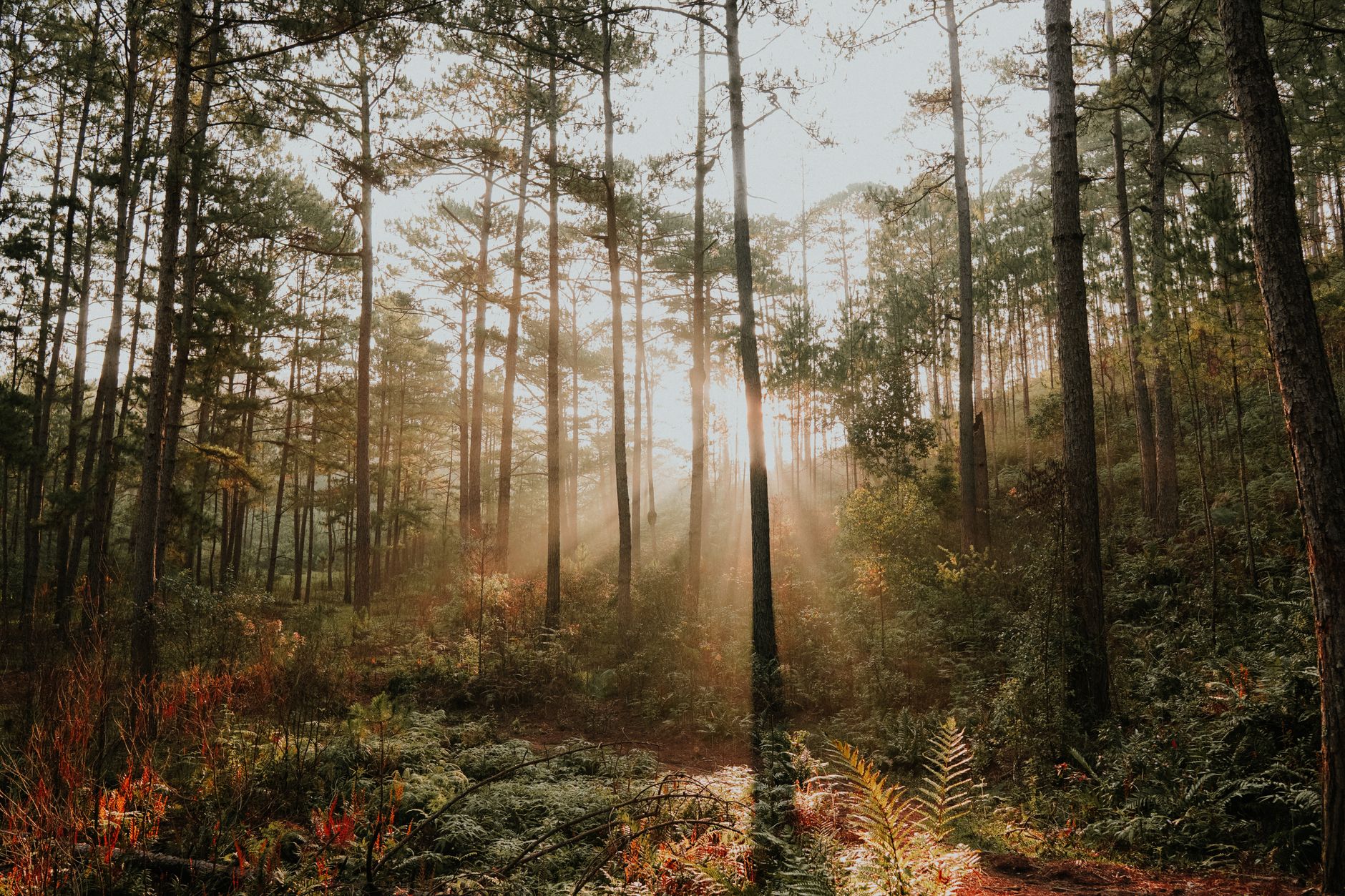
The village covers roughly 198 hectares in Son Tay district, about 40 km west of central Hanoi (하노이 / 河内 / ハノイ), hugging the shore of Dong Mo Lake. Construction started in 1997, and it opened to visitors in stages through the early 2000s. The concept is straightforward: each ethnic group gets a dedicated zone with reconstructed homes, workshops, and cultural spaces built using traditional materials and techniques. Tay stilt houses, Cham towers, Bahnar communal "rong" houses, Hmong stone-walled homesteads — they're all here, spread across hilly terrain with enough forest cover to feel genuinely rural.
During major festivals — especially around Tet and the Hung Kings Festival — the park hosts performances, craft demonstrations, and food events with actual community members from highland and delta regions. Outside of festival periods, it's quieter, which has its own appeal.
Why travelers go
If you're spending most of your time in Hanoi or Saigon, your exposure to Vietnam's ethnic diversity is limited to what you see in the Old Quarter shops selling Hmong textiles. This park gives you physical context — what a Ede longhouse looks like from the inside, how a Muong bronze drum fits into a village layout, why Tay homes are elevated exactly the way they are. It's useful preparation if you're heading to Sapa or Ha Giang afterward, and it's a decent standalone half-day trip if you want to get out of Hanoi's traffic for a few hours.
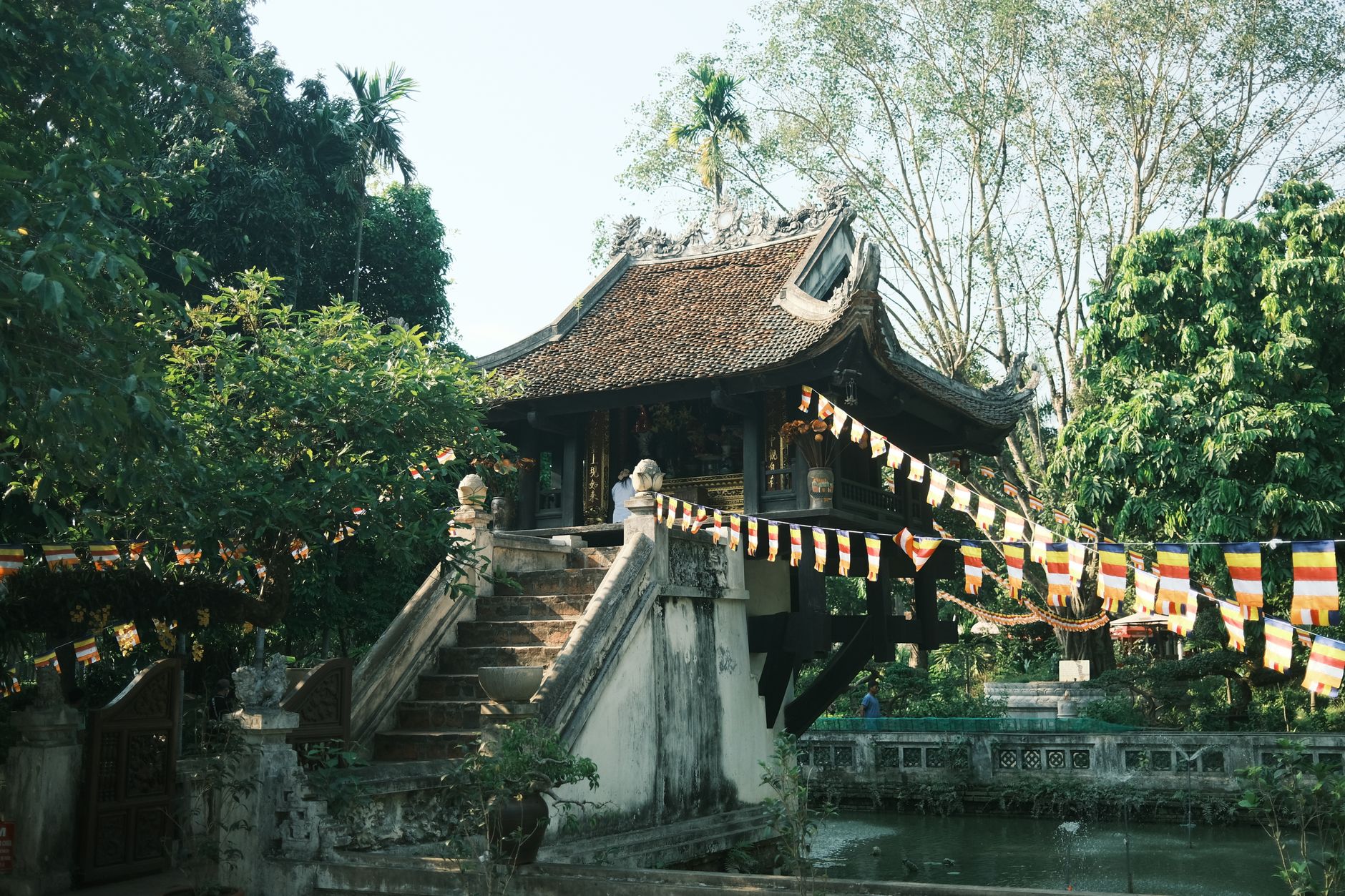
Photographers come for the architecture. The Bahnar rong house alone — soaring thatched roof, no nails — is worth the drive.
Best time to visit
The park is open year-round, but timing matters.
- March to May and September to November are the sweet spots. Temperatures are manageable (22-30°C), and the grounds are green without being waterlogged.
- Tet / 越南春节 / テト) (January/February) and the Hung Kings Festival (around the 10th day of the 3rd lunar month) bring the park to life with performances and food stalls, but also domestic tourist crowds.
- June to August is hot and humid, and afternoon downpours can turn dirt paths muddy. Doable, but bring water and patience.
- December to February outside of Tet can be grey and chilly, though the upside is you'll have the place nearly to yourself.
How to get there from Hanoi
The village is about 40 km from Hoan Kiem district. Options:
- Grab car: 250,000-350,000 VND one way, roughly 50-70 minutes depending on traffic. Easiest option. Book a return or keep your driver's number — Grabs aren't always plentiful out there.
- Motorbike: Take Thang Long Boulevard (Dai Lo Thang Long) west. Straightforward ride, about 45 minutes without traffic. Parking at the gate is 10,000 VND for a bike.
- Bus: Route 71 runs from My Dinh bus station toward Son Tay and passes near the village entrance. Around 10,000 VND, but the ride takes 90+ minutes and the drop-off point requires a short walk or xe om to the gate.
Entry ticket: 30,000 VND for adults. Electric cart rental inside the park runs about 200,000 VND per trip — worth considering given the distances.

Photo by Quang Nguyen Vinh on Pexels
What to do inside
Walk the ethnic group zones
The core of the experience. The park is divided into clusters representing different regions and groups. Don't try to see all 54 — pick a few that interest you. The Tay-Nung zone and the Central Highlands cluster (Bahnar, Gia Rai, Ede) are the most architecturally striking. The Cham zone includes a scaled replica of Po Nagar-style temple towers.
Watch craft demonstrations
On weekends and during festivals, artisans demonstrate brocade weaving, pottery, and basket-making. Weekday visits are quieter, but some workshops still operate. The Hmong batik area is particularly good — you can watch indigo dyeing from start to finish.
Rent a bike and ride the lakeside loop
Dong Mo Lake borders the park, and a paved path runs along part of the shoreline. Bicycle rentals are available near the main gate for around 50,000 VND per hour. It's flat, shaded in parts, and a welcome break from walking between village clusters.
Catch a "Water Puppetry" or gong performance
The park has a small performance area that hosts water puppet shows and Central Highlands gong music, particularly on weekends and holidays. Check the schedule board near the entrance — showtimes aren't always posted online.
Visit the museum building
A permanent exhibition hall near the entrance covers ethnic group history, traditional clothing (including different regional styles of "ao dai" and highland dress), musical instruments, and agricultural tools. It's air-conditioned, which is reason enough to stop in during summer.
Where to eat nearby
Inside the park, a few food stalls sell "com lam" (bamboo-tube rice), grilled meats, and "xoi" (sticky rice) — all decent and cheap, around 30,000-50,000 VND per portion. The com lam is the move here; it's a highland staple you won't easily find in central Hanoi.
Outside the gate, small roadside restaurants along the Son Tay road serve standard northern Vietnamese fare. A bowl of "pho" or a plate of "bun cha" will run 40,000-60,000 VND. Nothing remarkable, but solid enough for lunch.
If you're driving back toward Hanoi, Duong Lam Ancient Village is only 15 km further west and has better food options, including local "che lam" (sticky rice candy) and "tuong" (fermented bean paste) dishes.
Where to stay
Most travelers visit as a day trip from Hanoi. But if you want to combine it with Son Tay or Duong Lam:
- Budget: Guesthouses near Son Tay town center, 200,000-400,000 VND/night. Basic but functional.
- Mid-range: A handful of lakeside resorts near Dong Mo Lake offer rooms from 800,000-1,500,000 VND/night with pool access and quiet grounds.
- Back in Hanoi: Stay in the Old Quarter or Ba Dinh area and treat this as a half-day trip.

Photo by Hữu Quyết on Pexels
Practical tips locals would tell you
- Wear walking shoes. The park is enormous and paths between zones are unpaved in places. Sandals work in dry weather, but after rain you'll regret it.
- Bring your own water and snacks. There are a few drink vendors inside, but they're spread thin across 198 hectares.
- Start early. Gates open at 8:00 AM. Arriving by 8:30 gives you the best light for photos and a head start before tour groups arrive around 10:00.
- Weekend vs. weekday trade-off: Weekends have more performances and food stalls; weekdays are emptier and more atmospheric. Neither is wrong.
Common mistakes to avoid
- Trying to see everything. You can't cover 198 hectares meaningfully in one visit. Pick three or four zones, spend real time in them, and save the rest for a return trip.
- Skipping the electric cart. Walking between distant zones eats time and energy. The cart fee pays for itself in comfort.
- Visiting only during weekdays and expecting performances. If cultural shows matter to you, check ahead or aim for a weekend or festival period.
- Not combining with nearby sites. Duong Lam Ancient Village, Ba Vi National Park, and Thay Pagoda are all within 20-30 km. Pair two for a full day out of Hanoi.
Practical notes
Lang Van Hoa is one of those places that rewards curiosity more than speed. It's not the most polished attraction near Hanoi, and some zones feel underfunded. But as a primer on Vietnam's ethnic diversity — or just as an excuse to spend a morning outside the city — it delivers more than most visitors expect. Bring good shoes, charge your phone, and give yourself at least three hours.
Last updated · May 29, 2026 · independently researched, never sponsored.