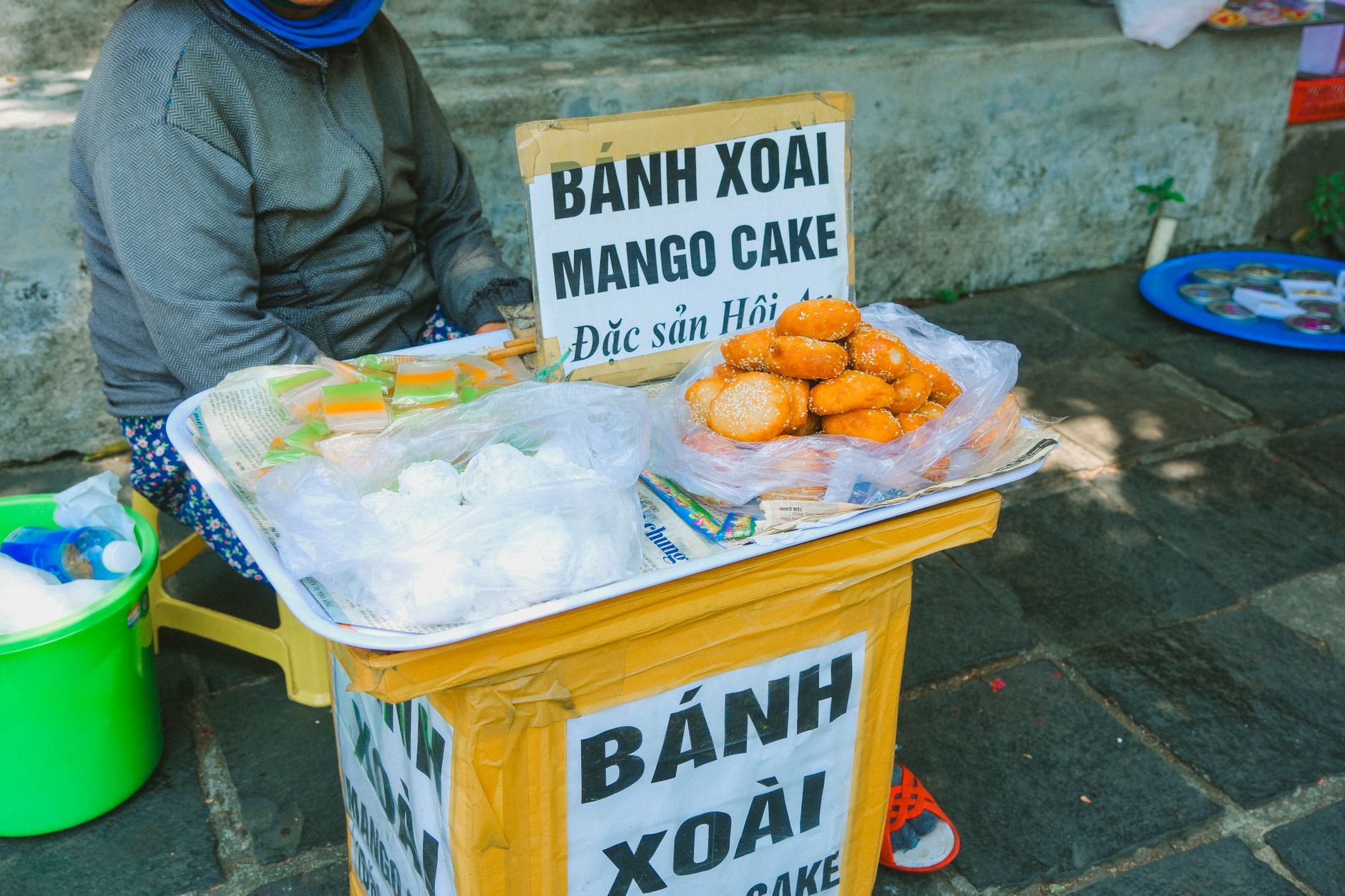
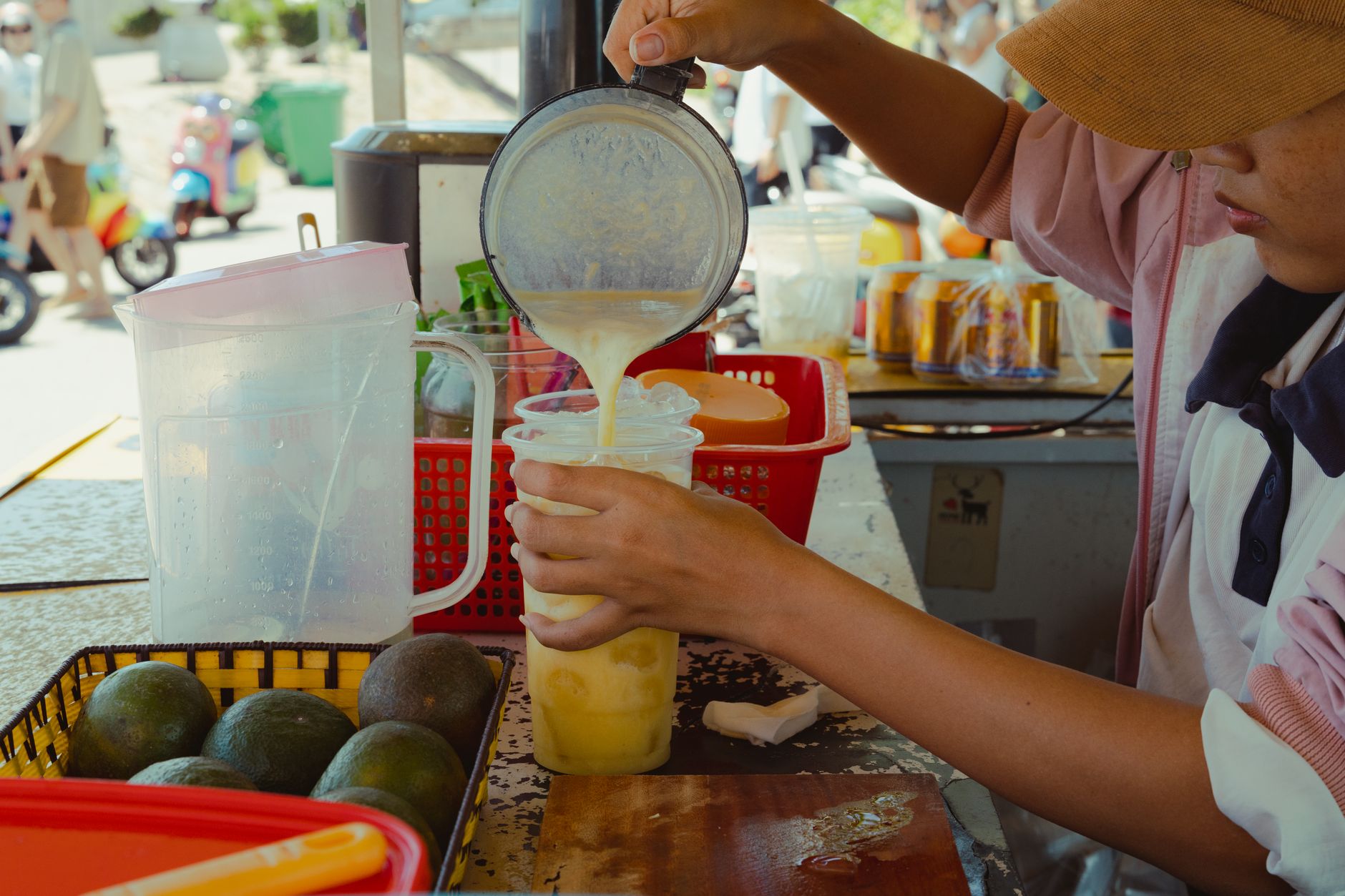
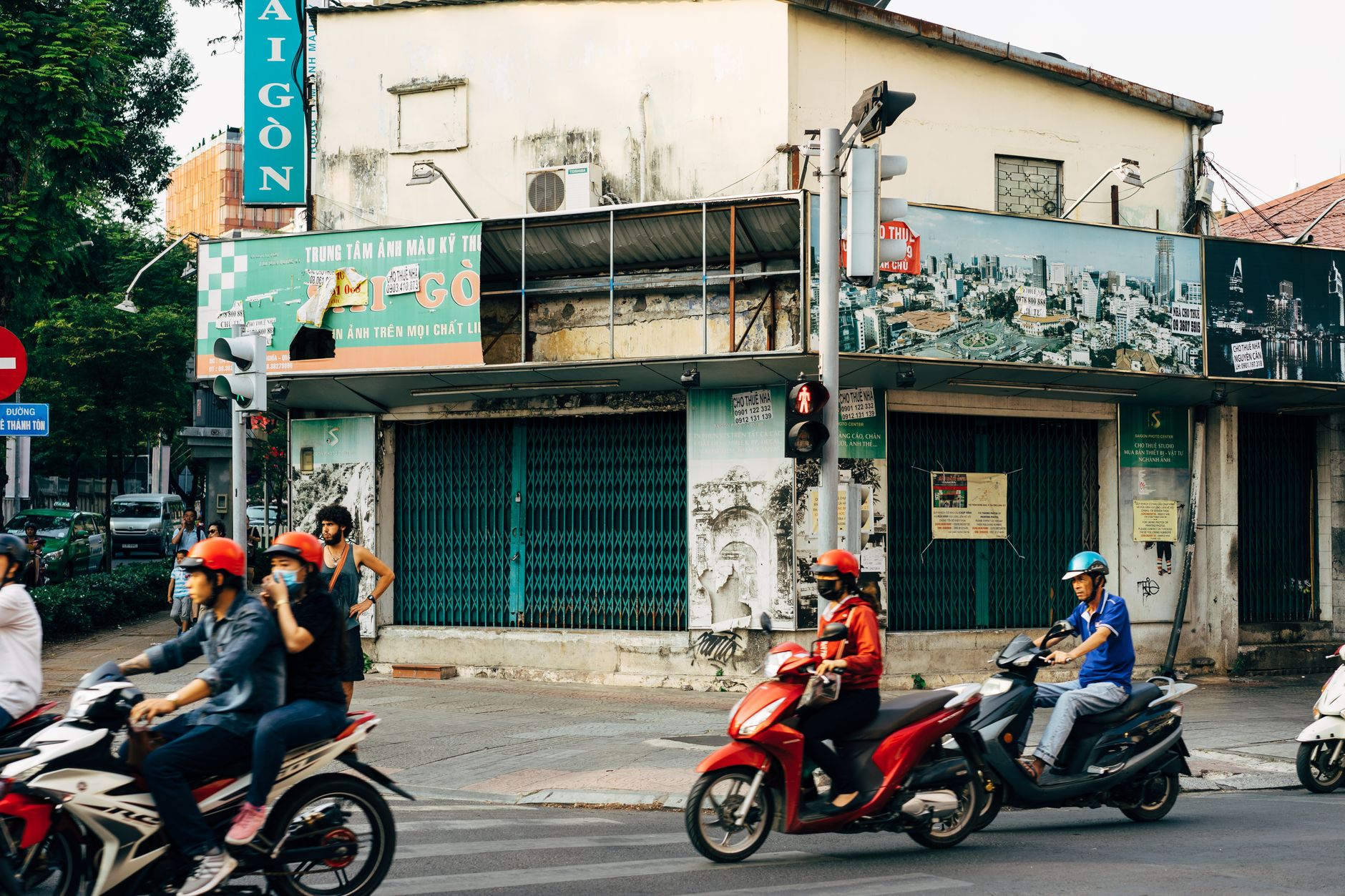
Airports sell the same three brands in the same shrink-wrapped boxes. Skip them. The better stuff is sitting in market stalls, specialty shops, and provincial bakeries — and most of it costs a fraction of the duty-free price. Here's what to actually look for.
Keo Dua — Coconut Candy from Ben Tre
"Keo dua" is the one souvenir almost everyone comes home with from the Mekong Delta (메콩 델타 / 湄公河三角洲 / メコンデルタ), and it's earned the reputation. The best versions come from Ben Tre province: chewy, slightly sticky rectangles made from coconut milk and malt sugar, often wrapped in edible rice paper. Flavors go well beyond plain — pandan, durian, jackfruit, chocolate, and a peppery ginger version that's genuinely good.
In Saigon's Ben Thanh Market or any Mekong Delta town, expect to pay around 50,000–80,000 VND for a 400g bag of decent quality. The vacuum-sealed packets travel fine in checked luggage for two to three weeks. Avoid loose, unwrapped pieces sold by weight in open baskets — they'll stick together into one candy brick by the time you land.
Banh Dau Xanh — Mung Bean Cakes from Hai Duong
"Banh dau xanh" are small, dense squares made almost entirely from ground mung beans and sugar, sometimes pressed with a floral mold. The canonical version comes from Hai Duong, a province about 60km east of Hanoi — and the locals there take it seriously. The Bao Hien brand in the green tin is the one to look for; it's sold all over Hanoi and at Noi Bai airport. A tin of 20–24 pieces runs about 120,000–160,000 VND.
They're dry, shelf-stable, and pack flat. The flavor is subtle — mildly sweet, faintly earthy — and they pair well with Vietnamese coffee or lotus tea. They also survive long-haul flights without any special treatment, which puts them near the top of the practical list.
Cha Bong — Pork or Chicken Floss
"Cha bong" (also called ruoc in the north) is dried, shredded meat — usually pork, sometimes chicken or fish — cooked down with fish sauce and sugar until it's almost powder-fine and faintly caramelized. It's used as a topping for rice porridge, stuffed into banh mi, or eaten plain as a snack.
It travels well in sealed bags and is available at supermarkets like WinMart and Co.opmart nationwide. Prices run 60,000–120,000 VND per 100g depending on the meat and brand. The only issue: it looks suspicious in X-ray. It has been stopped at customs in some countries. Check your destination's rules on dried meat products before packing it — Australia and New Zealand are particularly strict.
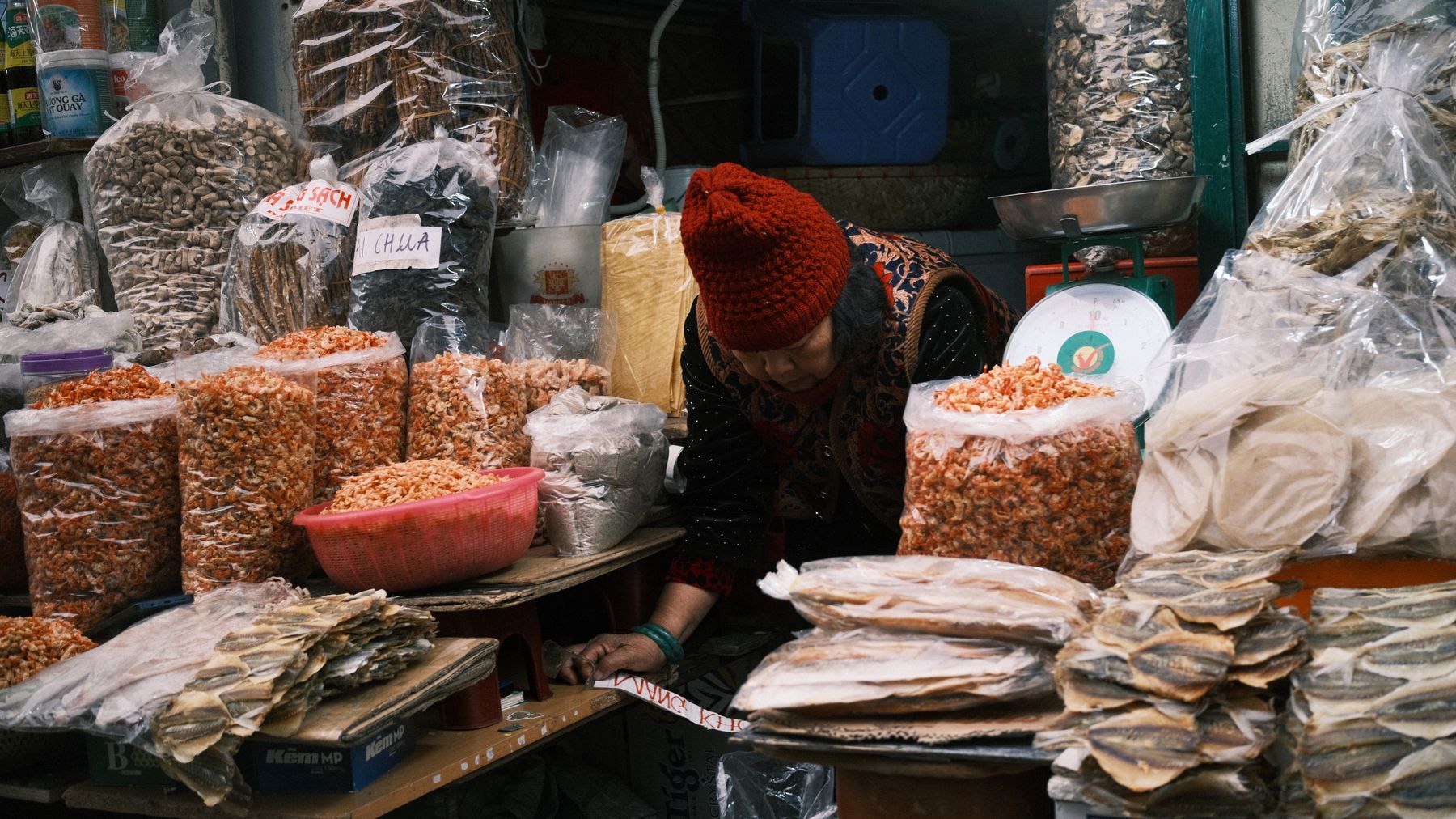
Photo by mitbg000 on Pexels
Mut — Candied Fruit and Vegetables
"Mut" is most closely associated with Tet, when it appears in lacquered boxes as gifts: candied ginger, lotus seeds, coconut strips, kumquats, carrot, winter melon, and tamarind, each cooked separately with sugar and dried to varying degrees of stickiness.
Outside of Tet season (late January or early February), mut is still sold year-round at specialty shops — particularly in Hanoi (하노이 / 河内 / ハノイ)'s Old Quarter around Hang Duong Street, which has been the city's preserved-food street for generations. Quality varies a lot. The ginger and lotus seed versions tend to be the most shelf-stable and the least cloying. A mixed 300g box costs around 80,000–150,000 VND. Skip the overly dyed versions in tourist shops; the coloring adds nothing to the flavor.
Banh Trang — Sesame Rice Crackers
Thin, brittle rice crackers topped with sesame seeds and sometimes dried shrimp or scallion, baked or sun-dried. The ones from Tay Ninh and Binh Dinh provinces are considered the best. You'll find them stacked in tall cylindrical stacks at markets throughout the south.
They're cheap — around 20,000–40,000 VND for a bundle — and light. The fragility is the only real problem: pack them in the center of your bag surrounded by clothes, or buy the pre-boxed versions. They have almost no moisture content, so spoilage isn't a concern.

Photo by HONG SON on Pexels
Hat Dieu — Cashews from Binh Phuoc
Vietnam is one of the world's largest cashew exporters, and the domestic product sold at markets is genuinely good — roasted with salt, chili, or mixed spices. The Binh Phuoc province label is a quality indicator. At Ben Thanh Market or any supermarket, expect to pay 150,000–250,000 VND per 500g, which is still cheaper than what you'd pay at home.
Vacuum-sealed bags are the safest bet for travel. Loose market cashews are fine for eating in-country but tend to go stale or soft in luggage.
What to Skip
A few things that sound good but don't make the cut:
Banh chung — the sticky rice cake wrapped in banana leaves. It's a meaningful Tet food, but it has a short shelf life (three to five days unrefrigerated) and customs agents in most countries will confiscate it.
Fresh fruit candies and jellies with high moisture content. The kind sold loose from big glass jars look appealing but tend to mold quickly or fuse together. Unless you'll eat them within a few days, leave them.
Durian-flavored anything — legal to pack, but you'll know why people avoid it in enclosed spaces.
Practical Notes
For the widest selection in one place, Hanoi's Dong Xuan Market and Saigon's Ben Thanh Market both have dedicated dried goods sections with competitive pricing. If you're traveling through Da Nang or Hue, look for regional specialties like "banh dua" (toasted sesame coconut cookies) that don't make it north or south in quantity. Always check your home country's biosecurity rules before packing meat or plant-based products — the snack isn't worth the fine.
Last updated · May 29, 2026 · independently researched, never sponsored.