The logic of Vietnamese numbers
If you have spent any time in Hanoi or Saigon, you have likely seen prices written as '50k' or '100'. In Vietnam (베트남 / 越南 / ベトナム), the currency is the Dong (VND), and because the denominations are large, locals almost always drop the 'thousand' (nghin) when speaking. If a bowl of "pho" is listed as 50,000 VND, a vendor will simply say 'nam muoi' (fifty).
Learning these basics will save you from the common 'calculator dance' at markets like Ben Thanh Market or Dong Xuan Market.
The cheat sheet: 1 to 10
Before you tackle the big numbers, you need the foundation. Vietnamese is a tonal language, but for numbers, you can usually get by with a flat tone if you are clearly pointing at an item.
- 1: mot
- 2: hai
- 3: ba
- 4: bon
- 5: nam
- 6: sau
- 7: bay
- 8: tam
- 9: chin
- 10: muoi

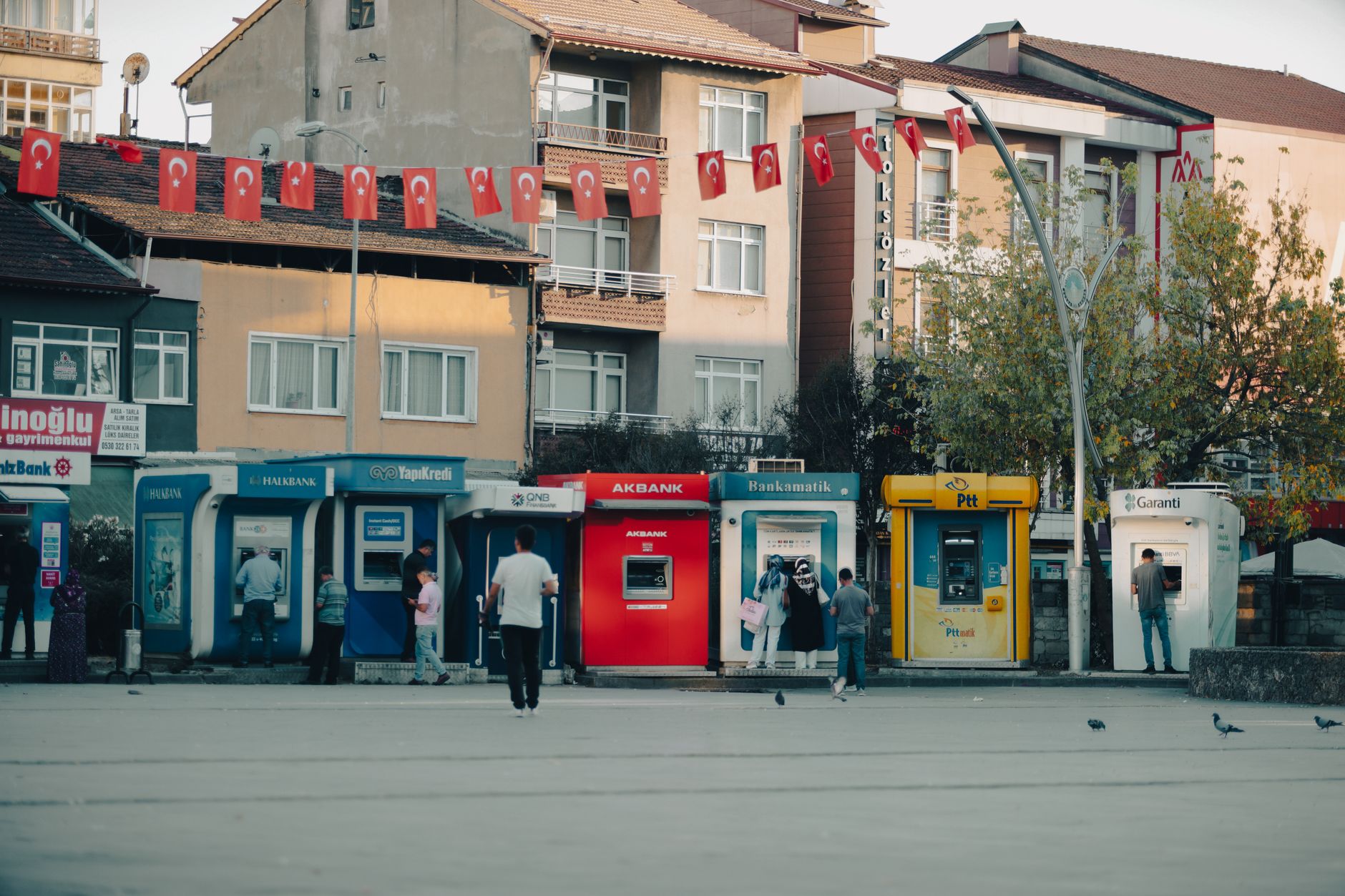
Photo by Loifotos on Pexels
Scaling up: The 'k' factor
When you move into the tens of thousands, the structure is simple: [Number] + 'muoi' (ten) + [Number]. For example, 50,000 is 'nam muoi' (50).
Once you hit 100,000, the word 'tram' (hundred) comes into play.
- 10,000: muoi nghin (or 'muoi k')
- 50,000: nam muoi nghin (or 'nam muoi k')
- 100,000: mot tram nghin
- 500,000: nam tram nghin
- 1,000,000: mot trieu
If you are at a stall buying a "banh mi" and the price is 30,000, just say 'ba muoi'. If you are unsure, just show the vendor your phone calculator. They are used to it, and it prevents any misunderstanding over a zero.
Essential phrases for transactions
Beyond just the numbers, these phrases will help you navigate a transaction smoothly.
'How much?'
Bao nhieu tien? This is the golden phrase. Use it while pointing at the item you want. If you are at a local shop, you might hear a rapid-fire response. If you don't catch it, just ask them to write it down: 'Viet vao day' (Write it here).
'Too expensive'
Dat qua! Use this sparingly. In a fixed-price shop or a restaurant, the price is the price. However, if you are at a tourist-heavy market buying souvenirs, a polite 'Dat qua' followed by a smile can sometimes initiate a small discount. Don't push too hard; it is rarely worth the effort for a few thousand VND.
'Just one'
Lay mot cai If you are buying street snacks like "nem chua" or "cha gio (짜조 / 炸春卷 / チャーゾー)", use this to specify quantity. 'Cai' is a general classifier for objects.
'Keep the change'
Khong can tra lai If you are in a taxi or a nice cafe and the change is trivial (under 5,000 or 10,000 VND), you can say this. It is polite, though tipping is not expected in Vietnam.
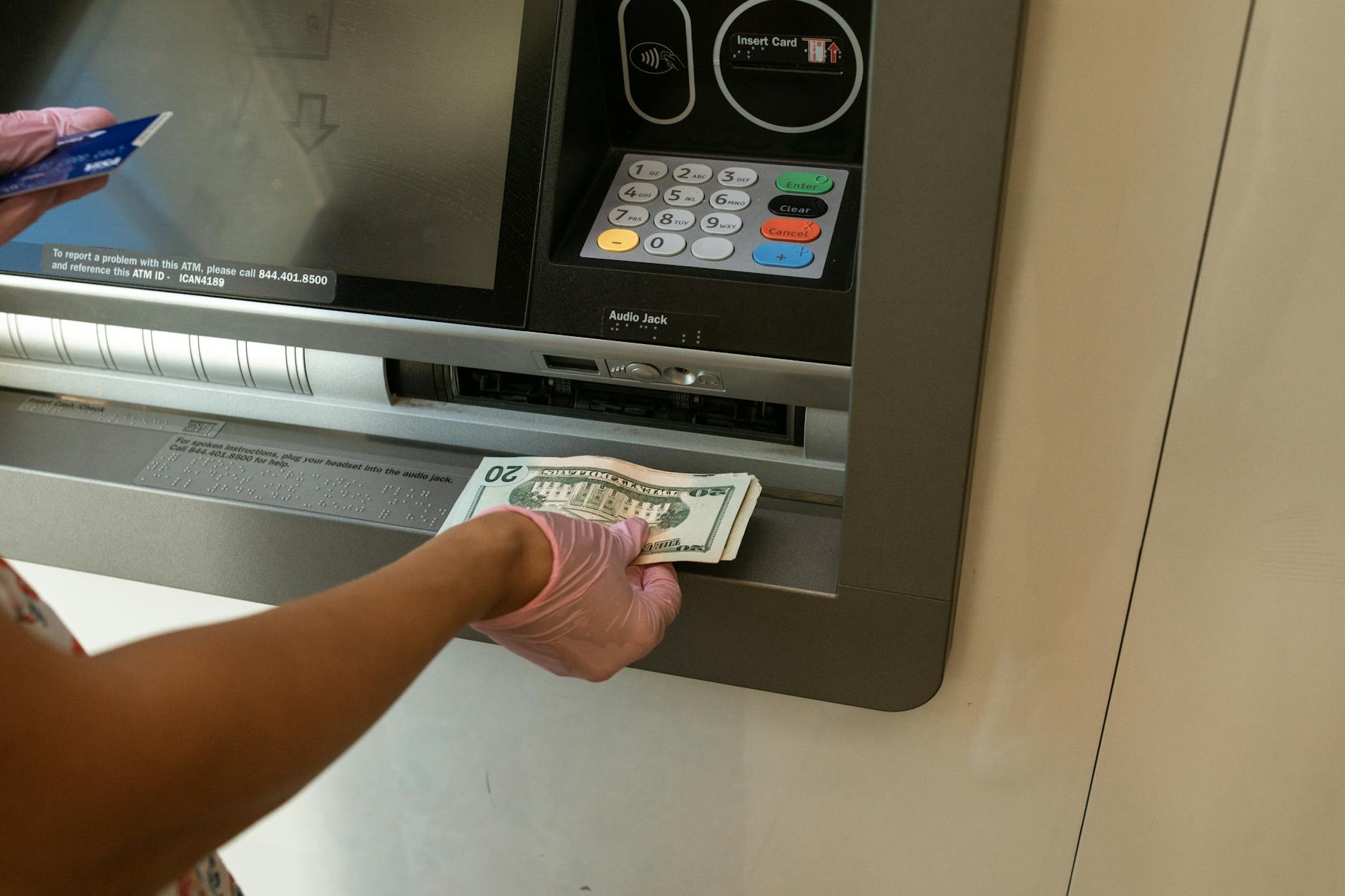
Photo by Loifotos on Pexels
Cultural context: The 'k' and the 'm'
You will often see prices written as '50k' on menus. The 'k' stands for kilo, or thousand. If you see '500m', that is usually shorthand for 500,000 (m for million).
Be careful with the 500,000 VND note. It is blue and looks somewhat similar to the 20,000 VND note (also blue/greenish) if you are moving quickly or in low light. Always double-check the number of zeros before handing over a bill.
Finally, remember that in smaller towns or rural areas, people may not have change for a 500,000 VND note early in the morning. Try to keep smaller denominations—10,000, 20,000, and 50,000 notes—in your wallet for your daily "ca phe sua da" or street food runs.
Final note
Don't stress about perfect pronunciation. Most vendors are happy to see you making an effort, and the calculator on your phone is a perfectly acceptable tool if the language barrier gets too high. Keep your small notes handy, and you will find that transactions in Vietnam are generally efficient and honest.
Last updated · May 30, 2026 · independently researched, never sponsored.