Xanh SM launched in 2023 and expanded fast — it now operates tens of thousands of VF e34 and VF 5 electric vehicles across Hanoi, Saigon, Da Nang, Hue, and a growing list of secondary cities. If you haven't encountered one yet, you will.
What Xanh SM Actually Is
Xanh SM (pronounced roughly "sanh sim") is Vingroup's ride-hailing brand, running entirely on VinFast electric vehicles. Unlike Grab or Be, which use contracted private drivers with their own cars, Xanh SM operates a company-owned fleet with uniformed drivers, fixed training standards, and in-car cameras. That fleet structure matters more than the EV angle — it's why the service feels different from the moment you get in.
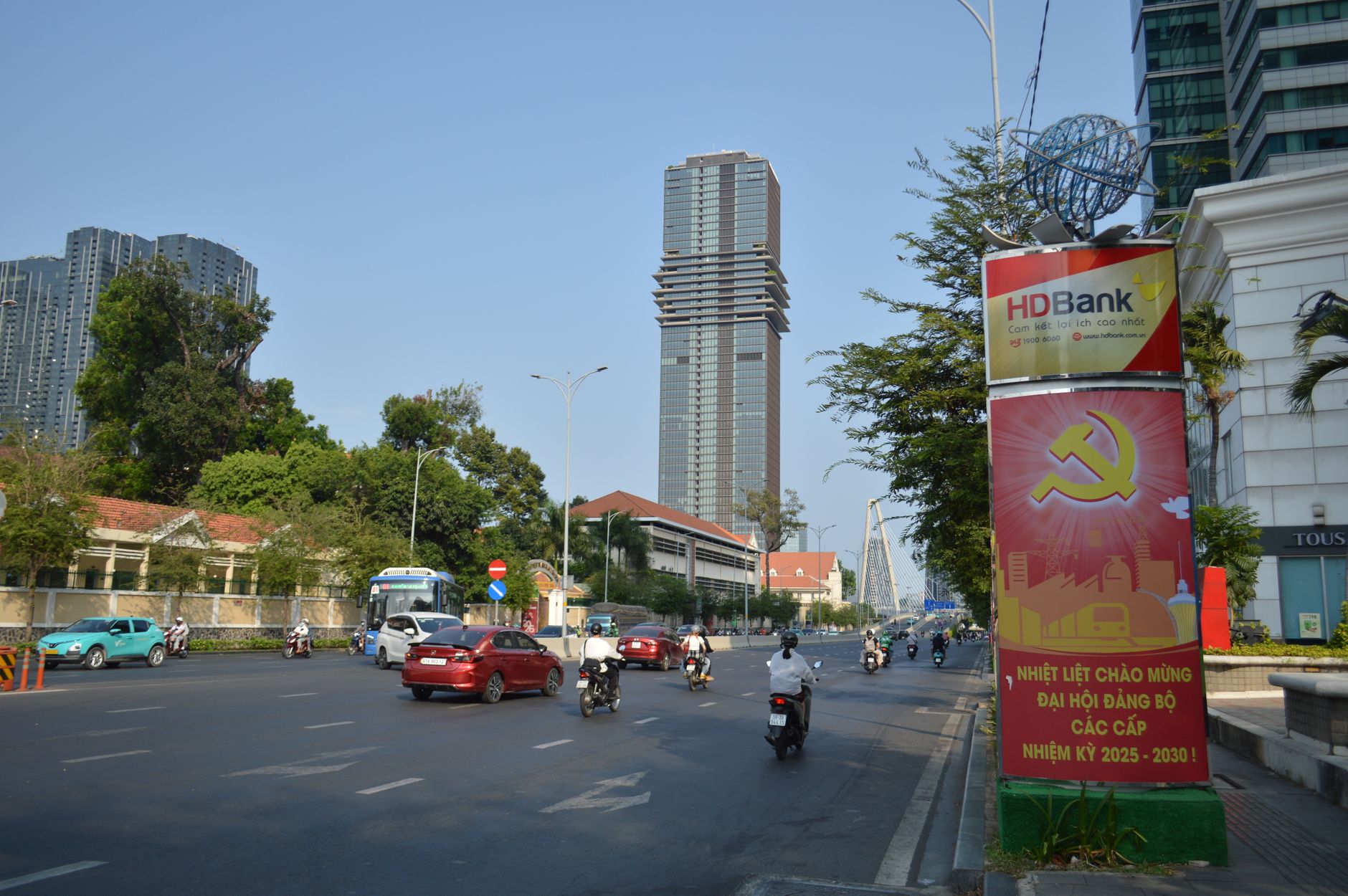
Bookings go through the Xanh SM app (iOS and Android, available in English) or through the GSM Taxi shortcut on some hotel concierge tablets. You can also flag one down on the street in central Hanoi and Saigon (사이공 / 西贡 / サイゴン), where they're now as common as the old Vinasun or Mai Linh cabs.
How the Price Compares to Grab and Be
For most airport and city runs, Xanh SM sits between Grab Car and Grab Premium. Some benchmarks based on recent fares:
- Noi Bai Airport to Hoan Kiem, Hanoi (하노이 / 河内 / ハノイ): Xanh SM ~280,000–320,000 VND; GrabCar ~240,000–280,000 VND; Be ~220,000–260,000 VND.
- Tan Son Nhat Airport to District 1, Saigon: Xanh SM ~120,000–160,000 VND; GrabCar ~100,000–140,000 VND.
- Short city hops (3–5 km): all three cluster within 20,000–30,000 VND of each other.
Xanh SM is not the cheapest option. On a two-week trip you'll notice the gap on airport runs, less so on shorter fares. The pricing model uses surge less aggressively than Grab during rain or rush hour, which partially closes that gap in practice.
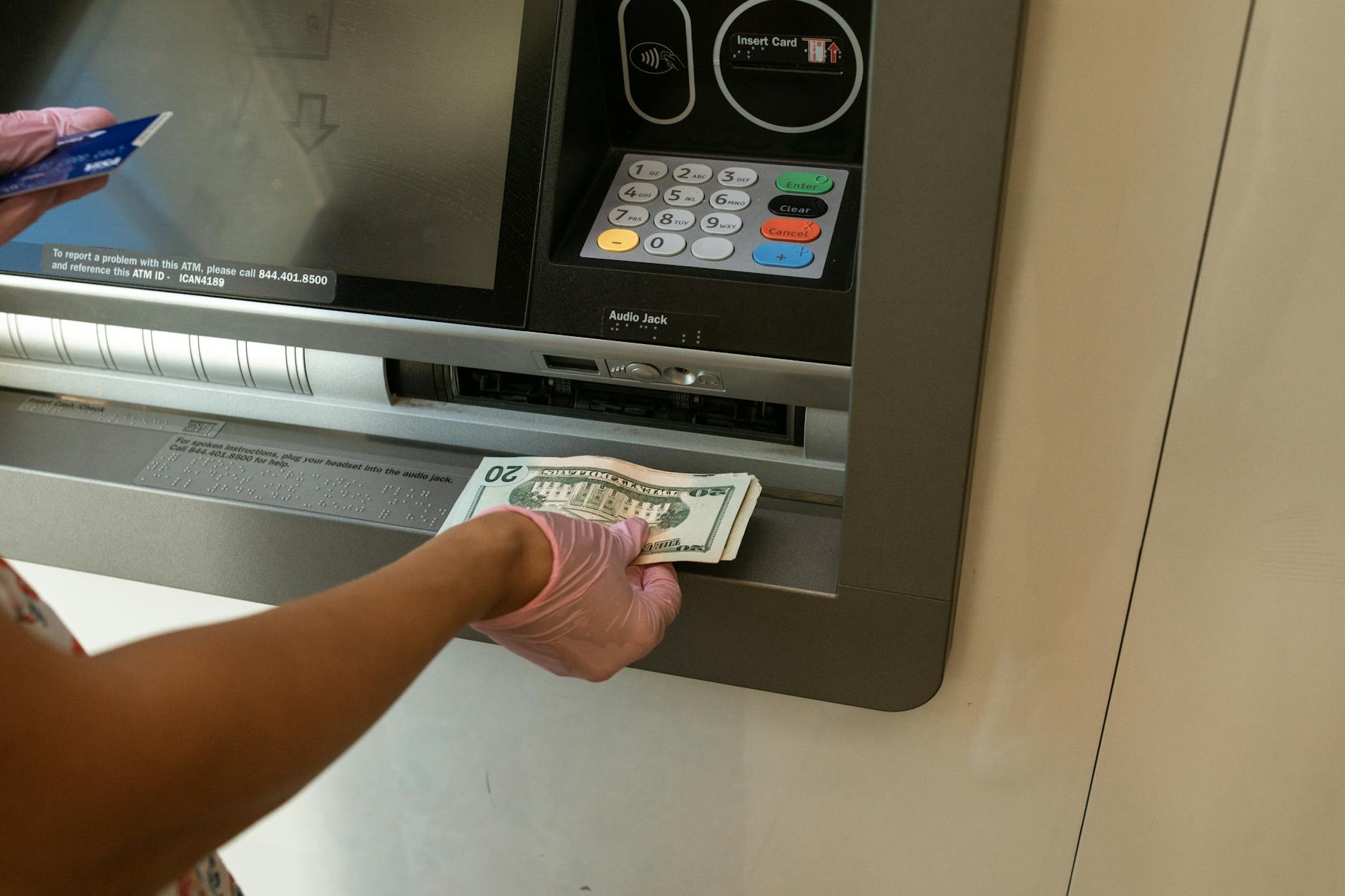
Payment is app-based (card or e-wallet) or cash — drivers carry change, which is not always true of Grab drivers.

Photo by Nimit N on Pexels
Comfort and Quality Differences
This is where Xanh SM earns its premium. A few things that stand out:
Vehicle condition. The VF e34 sedans are new. Air conditioning is cold and consistent, there's no smell of stale cigarette smoke, and the back seat has legroom for tall passengers. Grab and Be cars range from brand-new to ten-year-old Toyotas that shake on the expressway.
Driver conduct. Uniformed drivers, consistent use of seatbelts, no phone-on-handlebars navigation chaos. Xanh SM drivers tend not to argue fares or request cash top-ups the way some contracted Grab drivers do — especially on airport routes where surcharges get creative.
Quietness. Electric drivetrain noise is a genuine quality-of-life improvement on long airport runs. After a redeye flight, it's a noticeable difference.
App experience. The Xanh SM app is functional and English-language, though Grab's interface is still more polished and its customer support response faster for disputes.
Where Xanh SM Is Strongest — and Where It Isn't
Strongest: Hanoi, Saigon, Da Nang. Fleet density is high enough that pickup times match or beat Grab in central areas. Noi Bai and Tan Son Nhat airports both have dedicated Xanh SM pickup lanes, which reduces the chaos of finding your car.
Hue and Da Lat have Xanh SM presence but thinner fleets — expect 8–15 minute waits outside peak hours. In Hoi An, coverage is patchy; Grab is still the more reliable choice for anything beyond the town center.
Weakest: rural routes, inter-province transfers, and anywhere outside the major urban cores. If you're heading from Ninh Binh to a village homestay or navigating the mountain roads near Ha Giang, Xanh SM won't be relevant — you'll need a local car hire or a motorbike.
For island destinations like Phu Quoc, Xanh SM has limited coverage; local taxis and rented scooters still dominate.

Photo by Tuan Vy Spotter on Pexels
Xanh SM vs. Grab: Which Should You Default To?
Download both apps. Use Grab as your default and check Xanh SM when:
- You're doing an airport run and want predictable quality.
- Grab is surging hard (rain, rush hour, holidays near Tet).
- You're traveling with luggage and prefer not to negotiate with a driver who's decided the metered fare is negotiable.
Be is worth keeping for short hops in Saigon and Hanoi — its base fares are often the lowest of the three, and the app is straightforward.
One practical note: Xanh SM does not yet have a motorbike option ("xe om" style). For short, cheap hops through Old Quarter traffic in Hanoi or District 1 backstreets in Saigon, Grab Bike or Be Bike remain the faster, cheaper tool.
Practical Notes
Set up the Xanh SM app before you land — having a local SIM with data helps, and getting a SIM at the airport has become faster and cheaper in recent years. Xanh SM's in-app fare estimate is accurate; the driver cannot add charges after the fact, which removes one of the most common friction points with traditional metered taxis. If you travel frequently between Hanoi's city center and Noi Bai, the airport-route flat fee option in the app is worth knowing about.
Last updated · May 30, 2026 · independently researched, never sponsored.