Sending money to Vietnam (베트남 / 越南 / ベトナム) — whether you're funding a long stay, paying rent from abroad, or helping family — comes down to three numbers: the exchange rate margin, the flat fee, and how long it takes to land in a Vietnamese bank account. Here's how Wise, Revolut, and Western Union actually compare on the ground.
What the Vietnamese Banking Side Looks Like
Before comparing services, it helps to know what they're sending into. Vietnam's most transfer-friendly banks are Vietcombank, Techcombank, MB Bank, VPBank, and BIDV. All five accept international SWIFT transfers and are well-mapped by the major transfer platforms. Smaller regional banks sometimes cause delays or rejections — if your recipient uses a rural cooperative bank (Agribank branches in smaller provinces can be inconsistent), confirm before sending.
All incoming transfers land in VND unless the account is a foreign-currency account (usually USD). The receiving bank converts at its own rate, which can differ from the mid-market rate by 0.5–1.5%. That conversion step is where hidden costs often appear, regardless of which platform you use.
Wise
Wise is the benchmark for most expats living in Hanoi or Saigon. It uses the mid-market exchange rate — the one you see on Google — and charges a transparent percentage fee that typically runs 0.6–1.1% for USD-to-VND or EUR-to-VND transfers. On a 10,000,000 VND transfer (roughly USD 400), that's about 24,000–44,000 VND in fees, which is low.
Bank coverage in Vietnam is solid. Wise supports transfers to Vietcombank, Techcombank, MB Bank, VPBank, BIDV, ACB, and Sacombank by account number. The recipient does not need a Wise account.
Speed: Most transfers settle within a few hours during Vietnamese banking hours (8am–4pm, Monday–Friday). Transfers initiated late Friday or on weekends often sit until Monday morning. Wise shows an estimated arrival time before you confirm — take it at face value, it's usually accurate.
Best for: Regular transfers, larger amounts (100 USD and up), anyone who wants full fee transparency and a rate they can actually compare.
Revolut
Revolut's Vietnam story depends entirely on your subscription tier. Free-tier users get the mid-market rate on weekday transfers up to a monthly limit (currently around 1,000 USD equivalent), but weekend transfers carry a 0.5% markup. Premium and Metal subscribers get higher or unlimited mid-market transfers.
The bigger caveat: Revolut routes international transfers through its partner banks, and the Vietnamese receiving end can be inconsistent. Transfers to Vietcombank and Techcombank generally work. Smaller banks sometimes require a manual SWIFT trace, which can add one to three business days and frustration. Revolut's in-app customer support for transfer issues is slow compared to Wise.
Revolut also doesn't have a dedicated VND wallet, so it converts at the point of transfer. The rate is competitive on weekdays but verify the markup during weekends before sending anything time-sensitive.
Speed: 1–3 business days for most Vietnamese banks. Occasionally faster, occasionally not.
Best for: Revolut users already on Premium or Metal who are sending moderate amounts on a weekday and banking with Vietcombank or Techcombank. Less reliable as a standalone Vietnam-transfer tool.

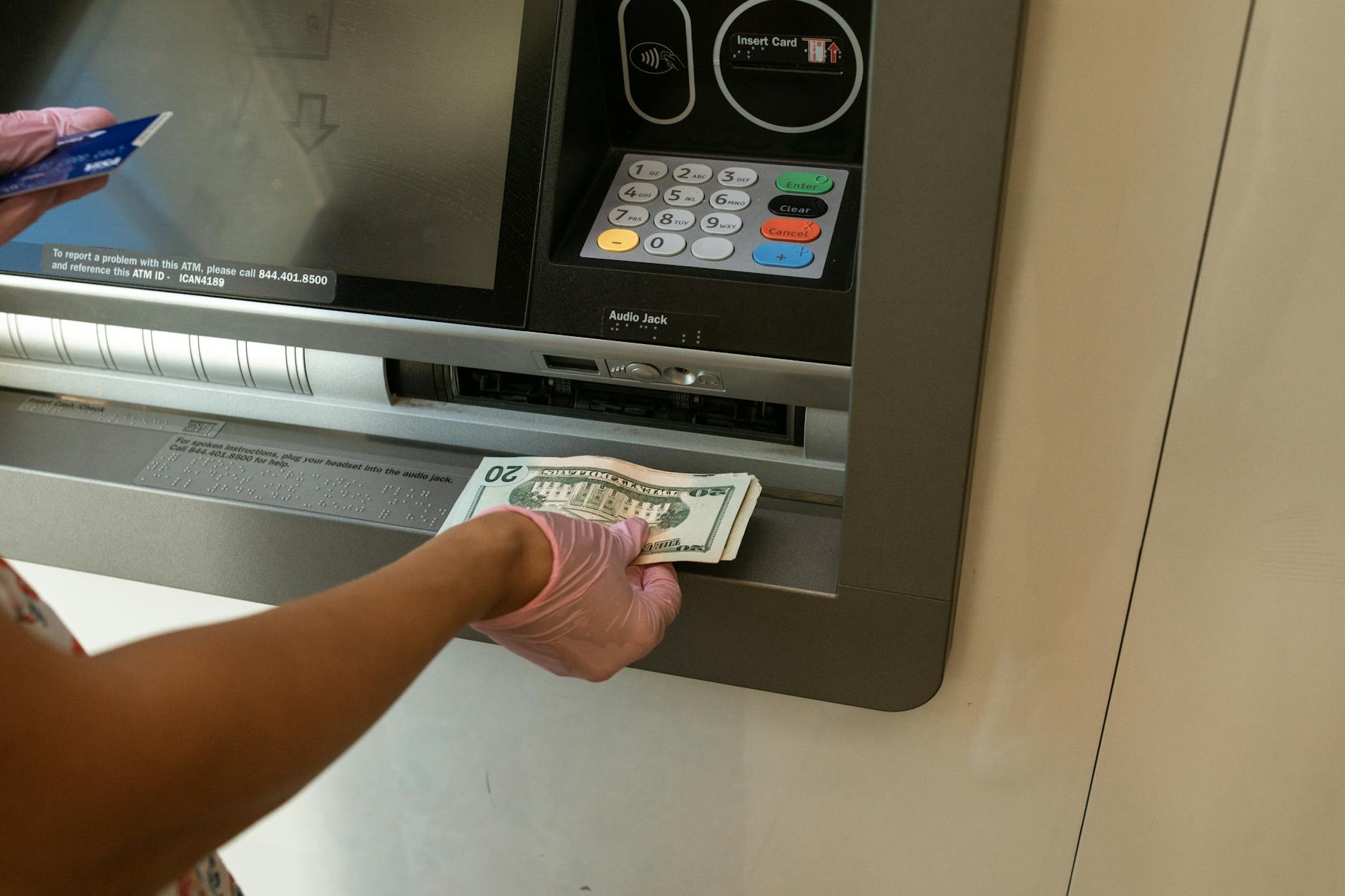
Photo by Erik Mclean on Pexels
Western Union
Western Union is the oldest option and still the most useful in specific situations. Its fees are higher — expect a flat fee of 5–15 USD depending on the sending country and method, plus an exchange rate margin of 1.5–3% below mid-market. On a 400 USD transfer, you might lose 20–30 USD total to fees and rate spread. That stings.
What Western Union does that the others don't: cash pickup. Vietnam has thousands of Western Union agent locations, including post offices (Buu Dien branches) in cities like Hanoi (하노이 / 河内 / ハノイ), Hue, Da Lat, Can Tho, and smaller towns. If your recipient doesn't have a bank account, or needs cash in hand within the hour, Western Union is the only realistic option among the three.
Bank-to-bank transfers via Western Union also exist but offer no rate advantage over Wise — you're paying the premium for the network, not the rate.
Speed: Cash pickup: within minutes. Bank deposit: 1–3 business days.
Best for: Recipients without bank accounts, urgent cash needs in smaller cities, or sending to provinces where digital banking penetration is low.
Side-by-Side Summary
| | Wise | Revolut | Western Union | |---|---|---|---| | Exchange rate | Mid-market | Mid-market (weekdays, within limits) | 1.5–3% below mid-market | | Fee on ~400 USD | ~3–5 USD | ~0–4 USD (tier-dependent) | ~10–20 USD | | Vietnam bank coverage | Broad | Moderate | Broad (+ cash pickup) | | Speed | Hours–1 day | 1–3 days | Minutes (cash) / 1–3 days (bank) | | Cash pickup | No | No | Yes |

Photo by Emil Kalibradov on Pexels
When Each Service Makes Sense
Use Wise if you're transferring more than 200 USD and your recipient has an account at any major Vietnamese bank. The rate and fee transparency are genuinely hard to beat, and the transfer tracking is clear.
Use Revolut if you're already a Premium or Metal subscriber, it's a weekday, and you're sending a moderate amount. Don't rely on it for time-sensitive transfers or recipients at smaller banks.
Use Western Union when the recipient needs cash in hand, doesn't have a bank account, or is based somewhere like a smaller town in Ninh Binh province or rural Mekong Delta where the nearest bank branch is inconvenient.
One thing all three share: always check the rate you're actually getting at the moment of transfer, not the headline rate. VND rates can shift by half a percent in a day, and the difference matters on larger amounts.
Bottom Line
For most international transfers into Vietnam, Wise is the default right answer — lower fees, honest rates, reliable delivery to all major banks. Western Union earns its place for cash-pickup situations that the app-based services simply can't handle. Revolut is fine as a supplementary tool but has enough Vietnam-specific inconsistencies that it shouldn't be your primary transfer method unless you're already deep in their ecosystem.
Last updated · May 30, 2026 · independently researched, never sponsored.