What Xuan Son actually is
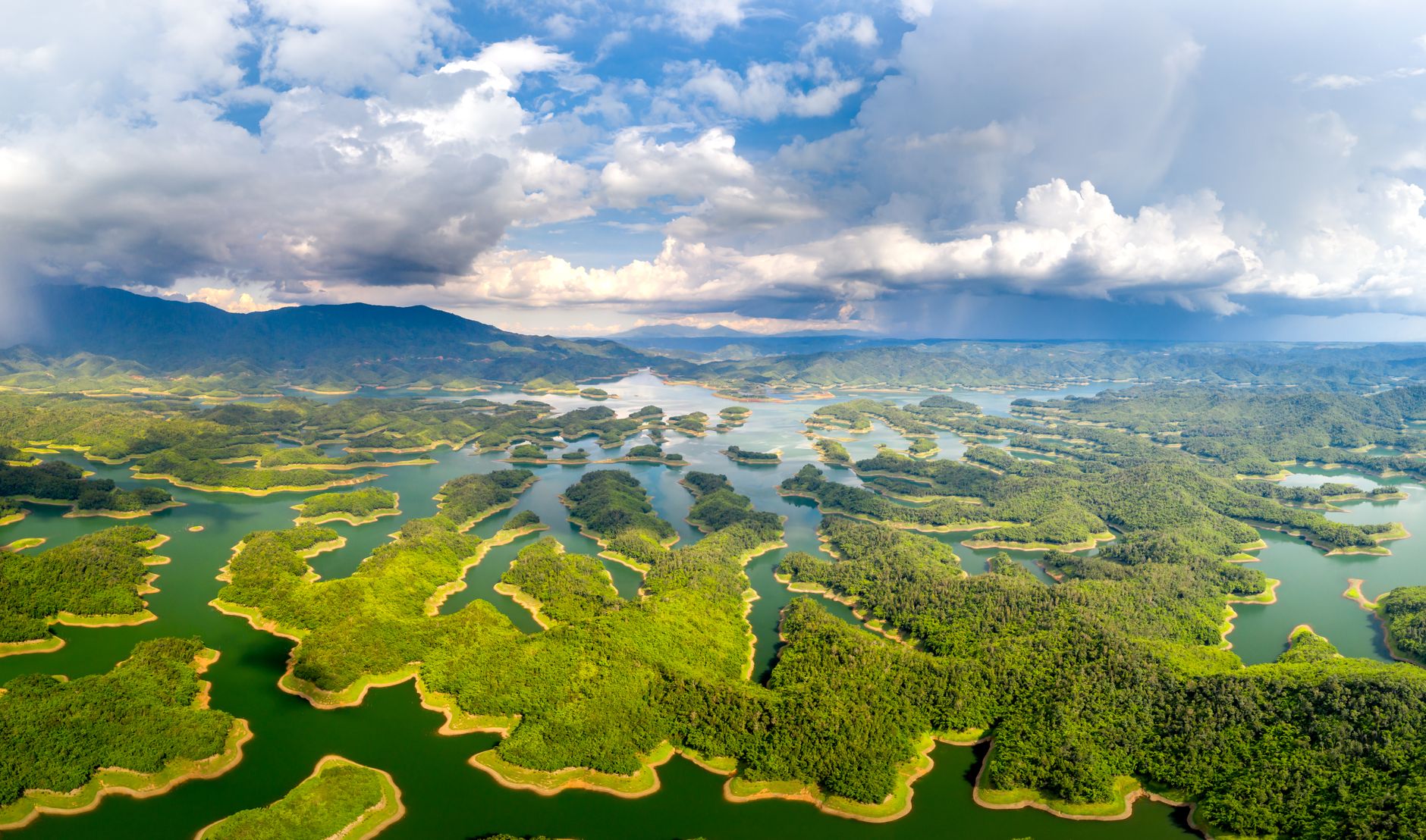
Xuan Son National Park sits in the western hills of Phu Tho province, about 120 km from Hanoi. It covers roughly 15,000 hectares of limestone karst mountains wrapped in subtropical evergreen forest — some of it genuine old-growth that hasn't been logged in decades. The park was originally a nature reserve established in 1986 and upgraded to national park status in 2002.
What makes Xuan Son different from the more trafficked national parks in northern Vietnam (베트남 / 越南 / ベトナム) is its combination of serious karst geology — deep caves, sharp ridges topping out around 1,300 m — and the Dao and Muong ethnic minority villages scattered through the buffer zone. It's not a resort destination. It's a place where you walk through actual forest, sleep in a stilted house, and eat whatever the family cooked that morning.
Why travelers go
Most visitors come for one or more of three things: trekking through primary forest with genuine canopy cover, exploring limestone caves that don't have colored LED lights bolted to the walls, and spending a night in a Dao village where homestay tourism is still relatively low-key.
Birders also make the trip. The park supports several hundred bird species, including some uncommon raptors and pheasants. You won't find organized birding tours here — bring your own binoculars and wake up early.
Xuan Son also works as a cooler-weather escape. The elevation means temperatures run 3-5°C lower than Hanoi (하노이 / 河内 / ハノイ) in summer, which is enough to notice when you're sleeping without air conditioning.
Best time to visit
The sweet spot is October through December — dry, cool, clear skies, and the rice terraces in the buffer zone turn gold before harvest. March and April are also good, with wildflowers and comfortable hiking temperatures.
Avoid July and August if you can. Trails get muddy and leeches come out in force. The caves can flood partially during heavy rain. January and February can be foggy and cold — fine if you like atmosphere, less fine if you want views from the ridgelines.
How to get there from Hanoi
The most practical route is Hanoi to Thanh Son district town by bus or car, then onward to the park entrance.
By bus: Catch a bus from My Dinh bus station toward Thanh Son. Departures run throughout the morning; the ride takes about 2.5-3 hours and costs around 100,000-120,000 VND. From Thanh Son town, you'll need a local xe om (motorbike taxi) for the remaining 30 km to the park gate — expect to pay 80,000-100,000 VND, or arrange pickup through your homestay in advance.
By motorbike: The ride from Hanoi is roughly 120 km via QL32 through Son Tay and into the hills. Allow 3-3.5 hours. The last stretch from Thanh Son into the park is winding mountain road — decent surface but narrow, with some steep sections. Not a beginner ride.
By private car: Hire a car and driver from Hanoi for around 1,500,000-2,000,000 VND round trip. This is the most comfortable option if you're traveling in a group.
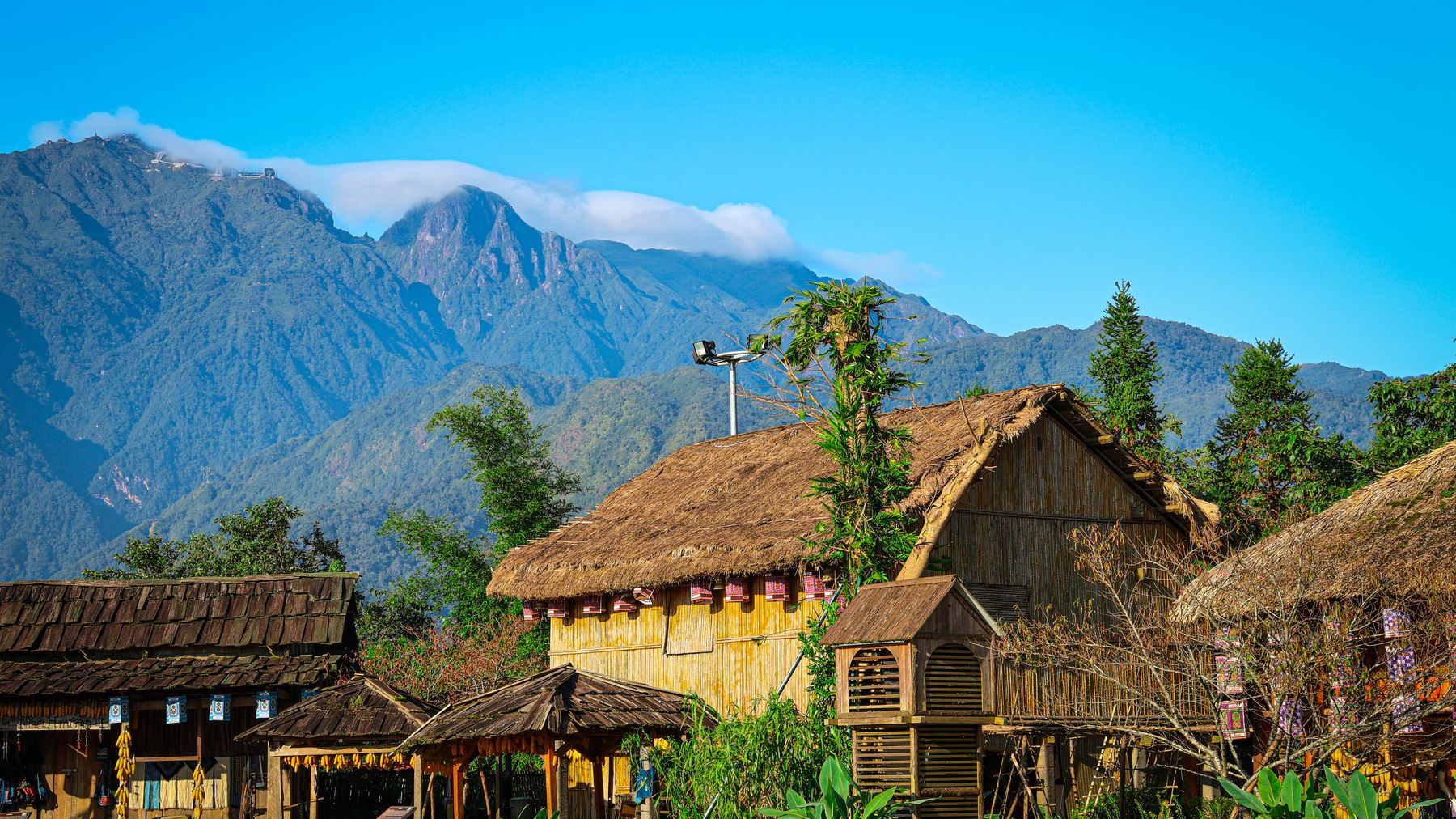
Photo by Haneul Trac on Pexels
What to do
Trek to the cave system
Xuan Son's main caves — Hang Lung, Hang Na, and Hang Thuy Tien among them — are the park's headline feature. Hang Na is the largest and most accessible, with chambers big enough that your headlamp barely reaches the ceiling. You'll need a local guide arranged through the park office (around 200,000-300,000 VND per group). Some caves require crawling through narrow passages, so wear clothes you don't mind getting dirty.
Hike the Ten ridge trail
The trek up to Dinh Ten (Ten Peak), at around 1,386 m, is the park's most rewarding full-day walk. It cuts through dense forest with genuine old-growth sections — big trees, thick undergrowth, and a green silence you don't get on manicured trails. The round trip takes 6-8 hours depending on fitness. A guide is mandatory and the park office will assign one.
Stay overnight in Xuan Son village
The Dao community in Xuan Son village operates several homestays. These are traditional stilted houses with shared sleeping areas, mosquito nets, and basic facilities. The real draw is the evening: dinner cooked by the family, rice wine, and a view of the valley going dark with no light pollution. Walk through the village in the morning and you'll see indigo-dyed cloth drying on fences and chickens ignoring you completely.
Visit the Muong villages in the buffer zone
A few Muong settlements sit along the road into the park. They're less set up for tourism than the Dao homestays, but if you speak some Vietnamese or have a guide who can translate, stopping in is worthwhile. The stilt-house architecture differs from Dao construction, and you might catch rice being processed by hand.
Watch the sunrise from the ridge
If you stay overnight, get up before dawn and hike 20-30 minutes to one of the ridge viewpoints above the village. On clear mornings, fog fills the valleys below and the limestone peaks poke through like islands. This is the image that ends up on everyone's phone.
Where to eat nearby
Food options inside the park are limited to what your homestay family cooks — usually rice, stir-fried greens, pork or chicken, and soup. It's simple and good.
In Thanh Son town, look for "com lam" — sticky rice cooked inside bamboo tubes over charcoal. It's a regional staple and pairs well with grilled pork. You'll also find "thit lon ban" (local hill pork) at small restaurants along the main road — the pork here has more flavor than lowland equivalents because the pigs forage freely.
Don't expect Hanoi-level "pho" or "bun cha" out here. Eat what the locals eat.
Where to stay
Homestays in Xuan Son village: 150,000-250,000 VND per person per night, usually including dinner and breakfast. Facilities are basic — shared bathrooms, no hot water in some houses. Book ahead on weekends or call the park office for referrals.
Guesthouses in Thanh Son town: 200,000-400,000 VND per room. More privacy, hot water, and Wi-Fi, but you lose the in-park experience.
There are no hotels or resorts inside the park.

Photo by Quang Nguyen Vinh on Pexels
Practical tips locals would tell you
- Bring cash. There are no ATMs inside the park and card payment doesn't exist here. Thanh Son town has a couple of ATMs — withdraw before you head in.
- Pack a headlamp, not just a phone flashlight. You'll want both hands free in the caves and on early morning walks.
- Leech socks or long pants tucked into socks are essential during wet season. Even in dry months, leeches appear near streams.
- The park office charges a small entrance fee — around 40,000 VND per person — and guide fees are separate.
- Phone signal (Viettel works best) is patchy inside the park. Download offline maps before you arrive.
Common mistakes to avoid
Showing up without a guide arrangement. The park requires guides for cave visits and the Ten Peak trek. If you arrive unannounced on a weekday, you may wait an hour or more for a guide to become available. Call the park office or have your homestay arrange one the day before.
Trying to do it as a day trip from Hanoi. You can technically drive in, do a short cave visit, and drive back. But you'll spend six hours in transit for two hours of walking. Stay overnight — the evening and early morning are the best parts.
Packing like you're going to Sapa. Xuan Son is lower elevation and less developed for tourism. You don't need trekking poles or technical gear. Decent shoes with grip, rain cover, and layers for cool mornings are enough.
Practical notes
Xuan Son is one of the more accessible national parks from Hanoi that still feels genuinely quiet. It pairs well with a visit to the Hung Kings Temple complex in Viet Tri — about 60 km east — if you want to combine nature and history in one trip to Phu Tho province. Give it two days minimum, three if you want to hike the ridge and explore caves without rushing.
Last updated · May 26, 2026 · independently researched, never sponsored.