Xuan Nha National Park sits in the southwestern corner of Son La province, about 100 km from Son La city, straddling the border with Hoa Binh and Thanh Hoa provinces. It covers roughly 38,000 hectares of rugged karst mountains, primary forest, and river valleys that most travelers to northern Vietnam (베트남 / 越南 / ベトナム) never hear about — which is exactly why it's worth the effort.
What it is and how it got here
Xuan Nha was originally designated a nature reserve in 1986, then upgraded to national park status in 2002. The park protects one of the largest remaining stretches of montane forest in the northwest, ranging from around 300 meters to over 1,800 meters elevation at its highest ridgelines. The landscape is defined by limestone karst peaks, dense broadleaf forest, and narrow valleys carved by streams feeding into the Ma River system.
Biodiversity surveys have recorded over 300 bird species and a significant population of primates, including the Delacour's langur and several macaque species. Whether you actually spot them is another question — the forest is thick and the animals are shy — but the birdwatching alone draws the few international visitors who make it here.
Why travelers go
Xuan Nha isn't a place you visit for Instagram backdrops or well-marked nature trails. People come here for the quiet, the trekking, and the genuine remoteness. The park sits far enough off the standard northwest loop (the route most travelers take between Hanoi, Mai Chau, and Sapa) that you're unlikely to meet another foreign tourist.
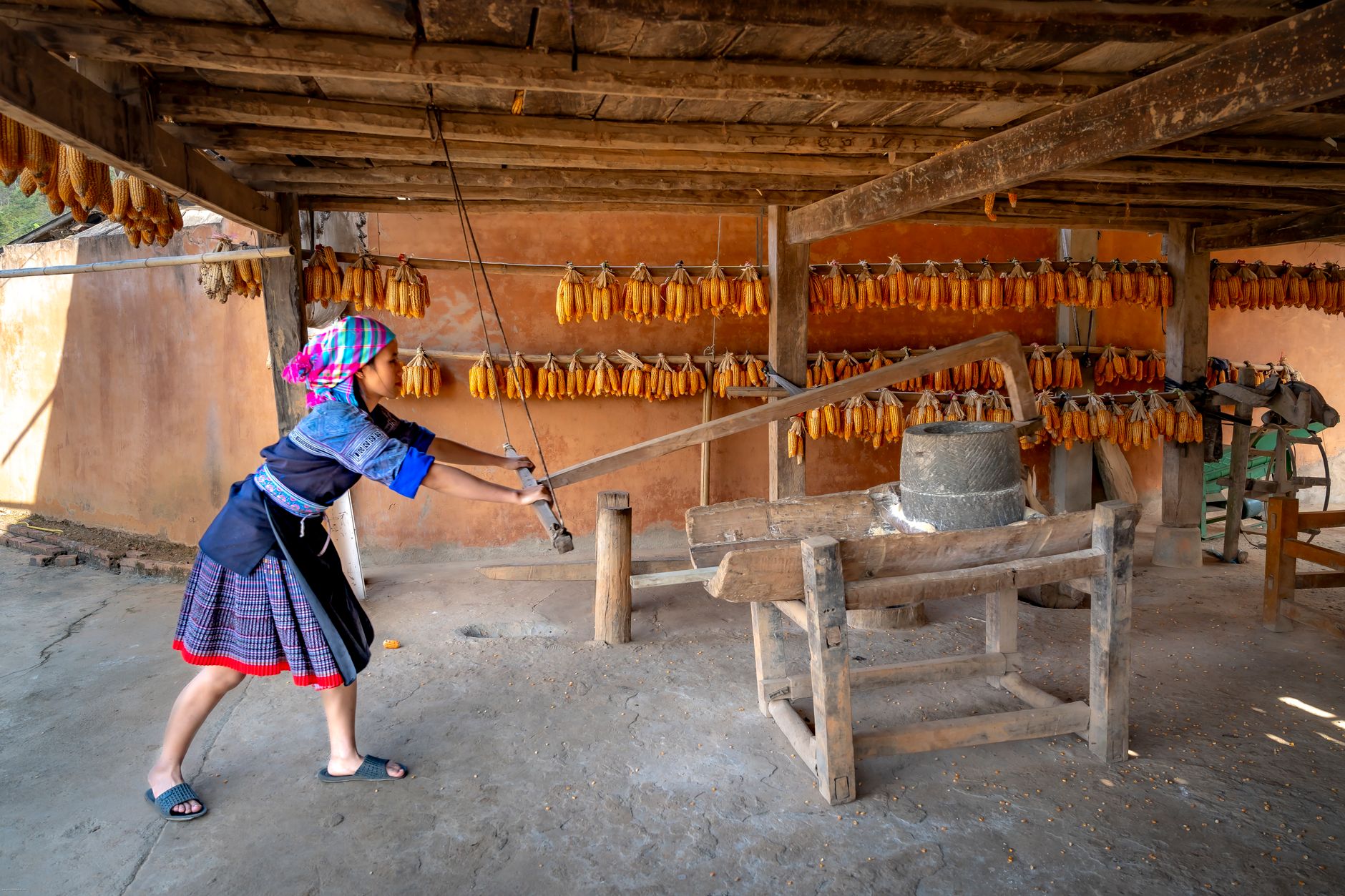
The Thai and Muong ethnic communities living in and around the park's buffer zone still farm and forage in ways that feel unchanged by decades. Homestays here are basic — think thin mattresses on wooden floors, shared meals around a low table — but the hospitality is real, not performed for tour groups.
Birders come specifically for Xuan Nha. The park's elevation range means you get lowland and montane species in a single trek. If you're serious about it, hire a local ranger as a guide; they know the call spots.
Best time to visit
The dry season from October through March is the most comfortable window. Temperatures at lower elevations hover around 18-24°C during the day, dropping to 8-12°C at night in higher areas — bring a proper jacket.
November to January is ideal for trekking: clear skies, dry trails, and the forest canopy thins just enough to improve visibility for birdwatching. February and March bring fog to the ridgelines, which has its own atmosphere but makes trail navigation harder.
Avoid June through September unless you enjoy leeches and landslide detours. The monsoon hits this part of Son La hard, and some park roads become impassable.
How to get there
From Hanoi (하노이 / 河内 / ハノイ), the most practical route is to take a bus to Son La city first. Buses depart from My Dinh bus station throughout the day; the ride takes about 5-6 hours on the improved QL6 highway. Expect to pay 180,000-250,000 VND for a standard seat.
From Son La city, you need to get to Van Ho district and then into the park's access points near Xuan Nha commune. This leg is around 100 km and takes 2.5-3 hours by motorbike or private car, partly on provincial roads that are decent and partly on smaller roads that test your suspension. A xe om (motorbike taxi) from Son La to the park entrance area runs about 300,000-400,000 VND one way — negotiate before you go.
If you're riding your own motorbike from Hanoi — and this is the most flexible option — the total distance is roughly 250 km. You can break the ride in Mai Chau for a night and approach Xuan Nha from the east via Hoa Binh province, which makes for a more interesting loop.

Photo by Tho Ta on Pexels
What to do
Trek to the summit ridge
The park's highest peaks top 1,800 meters. A guided trek to the upper ridgeline takes a full day from the nearest trailhead and passes through three distinct forest zones — bamboo groves, broadleaf canopy, and mossy cloud forest near the top. You'll need a park ranger as a guide (around 500,000 VND per day). Don't attempt this solo; trails are unmarked and the forest is dense enough to get properly lost in.
Visit a Thai village homestay
Several Thai communities in the buffer zone offer basic homestays. Chieng Xuan and Tan Xuan are two accessible villages where families host guests. The experience is stripped down — no hot water, shared squat toilet — but you eat what the family eats, and the evening rice wine sessions are genuinely warm. Expect 150,000-200,000 VND per person including meals.
Birdwatching along the stream valleys
The lower-elevation stream corridors are the most productive spots for birding. Early morning walks along the waterways turn up kingfishers, forktails, and various bulbul species without requiring serious hiking. A ranger guide who knows the bird spots makes a real difference.
Explore the karst caves
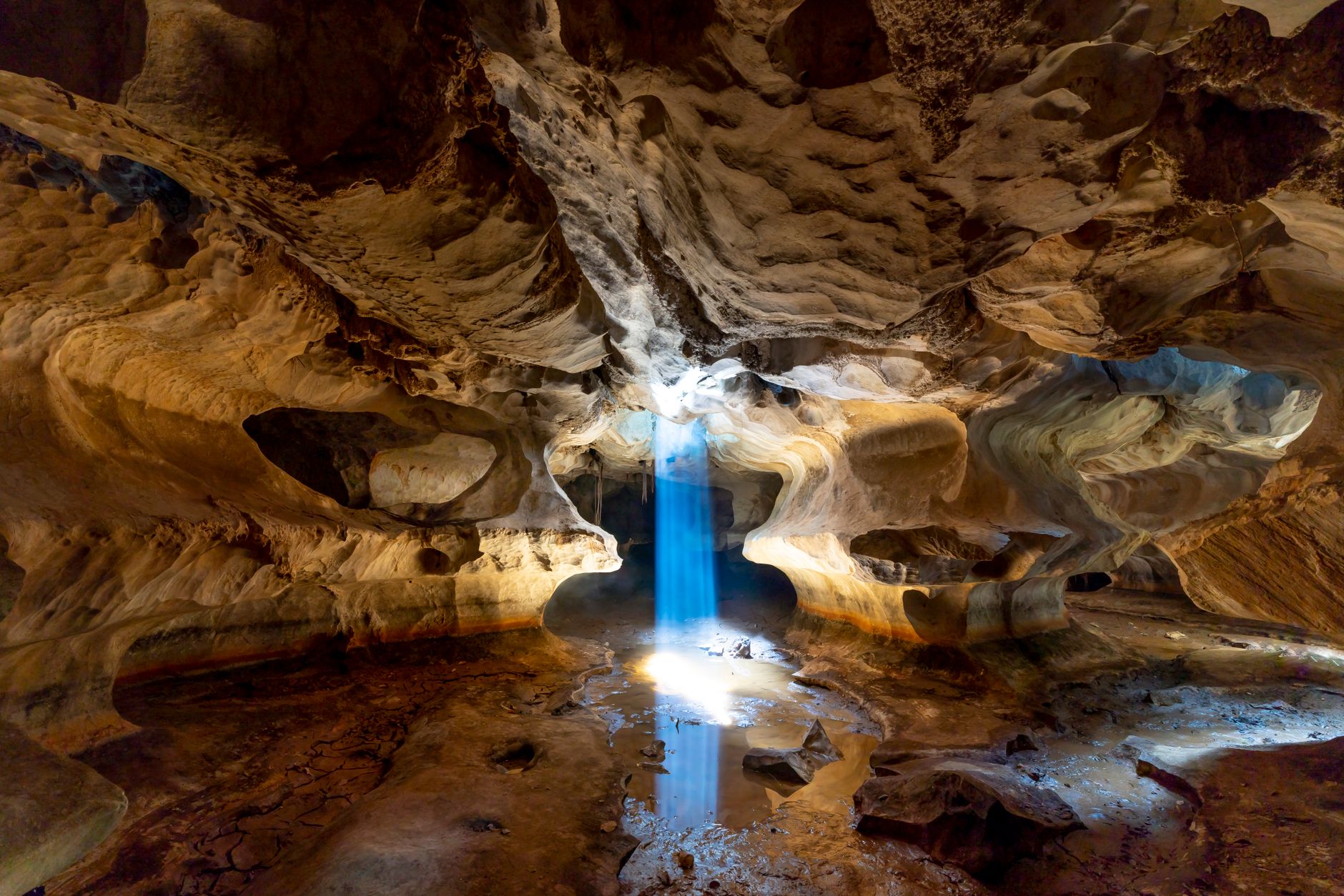
Several limestone caves dot the park's karst formations. They're not developed for tourism — no lighting, no walkways — so bring your own headlamp and watch your footing. Ask rangers which caves are currently accessible; some flood during or just after the wet season.
Motorbike the park perimeter road
The road skirting the southern and western edges of the park passes through small valleys and minority villages with very little traffic. It's a satisfying half-day ride on a semi-auto or manual bike, with a few river crossings that add some adventure in the dry season and genuine difficulty in the wet.
Where to eat nearby
Don't come expecting restaurants. Meals happen at homestays or at small roadside "com binh dan" (everyday rice) shops in Van Ho town.
Two things worth seeking out: "com lam" — sticky rice cooked inside bamboo tubes over charcoal, a staple of Thai cooking in this region — and grilled stream fish, usually served whole with salt, chili, and fresh herbs. Both are simple, but when they're cooked over a wood fire at a homestay after a day of trekking, they taste better than they have any right to.
If you stop in Son La city on your way in or out, look for "pho" and local beef noodle soups at the market near the central bus station. The beef from Son La's upland cattle is noticeably good.
Where to stay
Inside or near the park, your options are homestays (150,000-250,000 VND per night including meals) or a basic guesthouse in Van Ho town (200,000-350,000 VND, fan room, intermittent hot water).
In Son La city, budget hotels cluster around the central market area, running 250,000-450,000 VND for a clean room with air conditioning and Wi-Fi. There are a couple of mid-range options with better beds in the 500,000-800,000 VND range.

Photo by Quang Nguyen Vinh on Pexels
Practical tips locals would tell you
- Bring cash. There are no ATMs inside or near the park. The last reliable ATM is in Son La city. Bring more than you think you'll need.
- Carry a raincoat even in dry season. Mountain weather here shifts fast, and afternoon showers happen year-round at elevation.
- Download offline maps. Phone signal is patchy to nonexistent inside the park. Maps.me or Google offline maps for the Son La region are essential if you're on a motorbike.
- Speak some Vietnamese or bring a phrasebook. Almost nobody in the park area speaks English. Even basic greetings and food vocabulary go a long way.
- Fuel up in Son La. The last reliable petrol station is in Van Ho town, but don't gamble on it being open. Fill your tank in Son La city.
Common mistakes to avoid
Showing up without a guide and expecting marked trails — there aren't any. Underestimating travel time from Son La city (the last 40 km are slow). Packing too lightly for cold nights at elevation. Assuming homestay hosts are expecting you — arrange stays through the park office or a local contact in Van Ho at least a day ahead. And don't plan Xuan Nha as a day trip from Son La; you need at least two nights to justify the travel time and actually experience the park.
Practical notes
Xuan Nha National Park won't make anyone's top-ten listicle, and that's the point. It's a place for travelers who want northern Vietnam's mountains without the tourist infrastructure — or the crowds — of Sapa or Ha Giang. Budget two to three nights, manage your expectations on comfort, and you'll come away with something most visitors to Vietnam never get: genuine quiet in a genuinely wild forest.
Last updated · May 29, 2026 · independently researched, never sponsored.