— FIM —
Última atualização · May 30, 2026 · pesquisa independente, sem patrocínio.
We use minimal analytics + ads (no personal tracking). See our privacy policy.
Hoi An is slow, cheap, and surprisingly well-connected. Here is what a working month actually looks like — costs, internet, and where to sit with a laptop.

Última atualização · May 30, 2026 · pesquisa independente, sem patrocínio.
Outros artigos sobre esta cidade.

Locals live on Zalo, tourists default to WhatsApp — here's why that gap matters and how to bridge it before your trip.
…
Hotels, homestays, hostels — strongest inventory in Vietnam.
Thousands of foreigners teach English or freelance in Vietnam on tourist visas. Here is what Vietnamese law actually says, when it gets enforced, and how to do it properly.
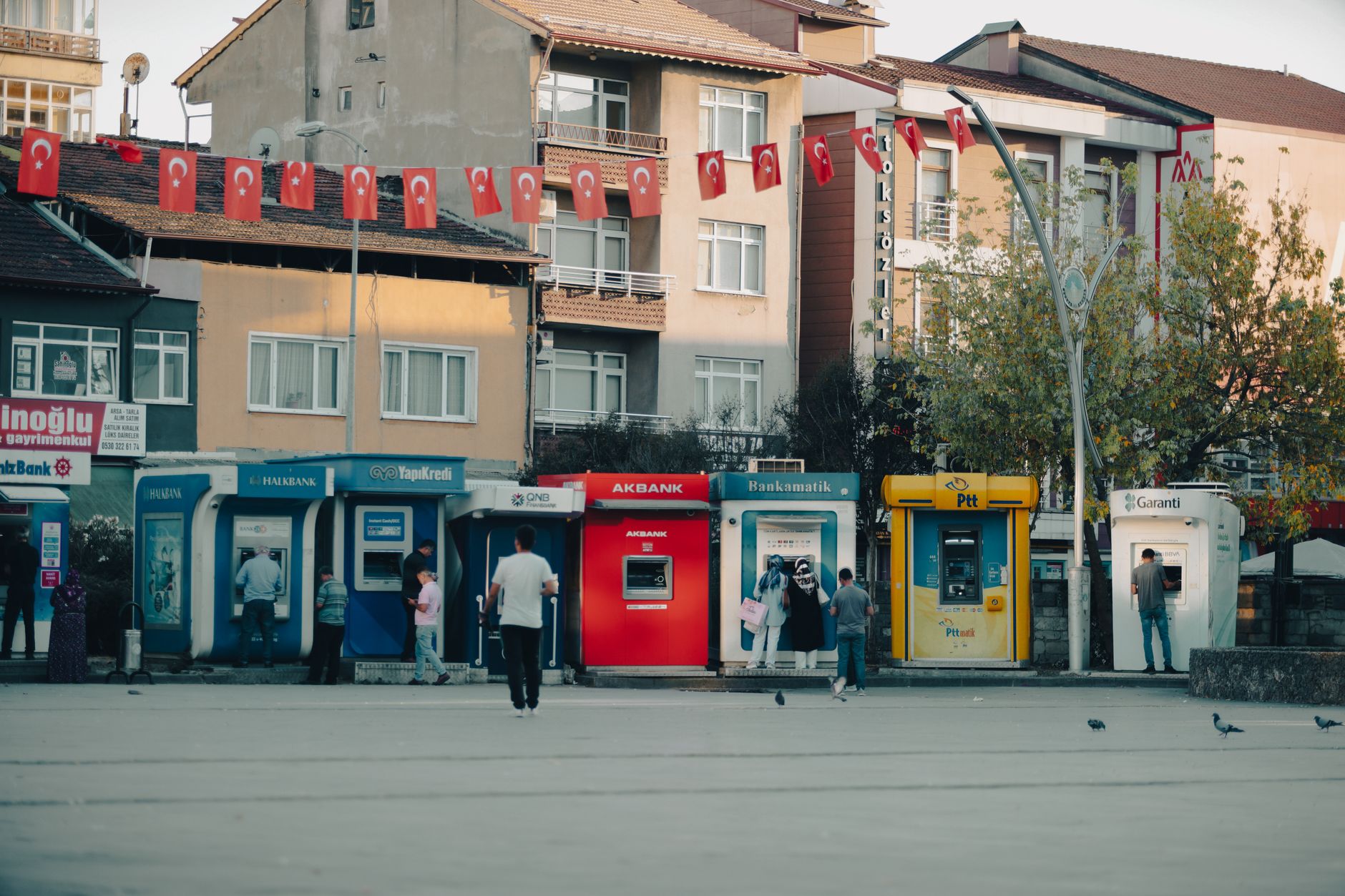
The Wise debit card works well in Vietnam if you know the fee structure. Here's how to use it at ATMs and merchants without losing money on bad rates.
Outros artigos nesta região.

Forget everything you know about standard noodle soup. In the Central Highlands city of Pleiku, the local obsession is 'pho kho', a two-bowl ritual that defines the region's breakfast culture.

Quy Nhon is often overlooked for its neighbors, but its rice-based specialties, particularly the local take on vermicelli, define the city's culinary identity.
Da Lat has quietly become Vietnam's most liveable remote-work base — cool air, cheap rent, and more cafes than you can reasonably test in a month.
More articles from the same category.

Hoi An works better as a slow-living base than most people expect — if you know where to sleep, where to plug in, and how far your budget actually stretches.

Da Lat has quietly become Vietnam's most livable remote-work base — cool air, cheap rent, and a cafe scene dense enough to keep you caffeinated for months.

Skip the crowded highways and ride this 4-day motorbike loop from Quy Nhon through the dramatic cliffs of Phu Yen and the quiet valleys of the Central Highlands.

From Da Lat's hillside wineries to Hanoi's old-quarter street food, this 8-day itinerary connects Vietnam's most distinctive food cultures in one focused trip.
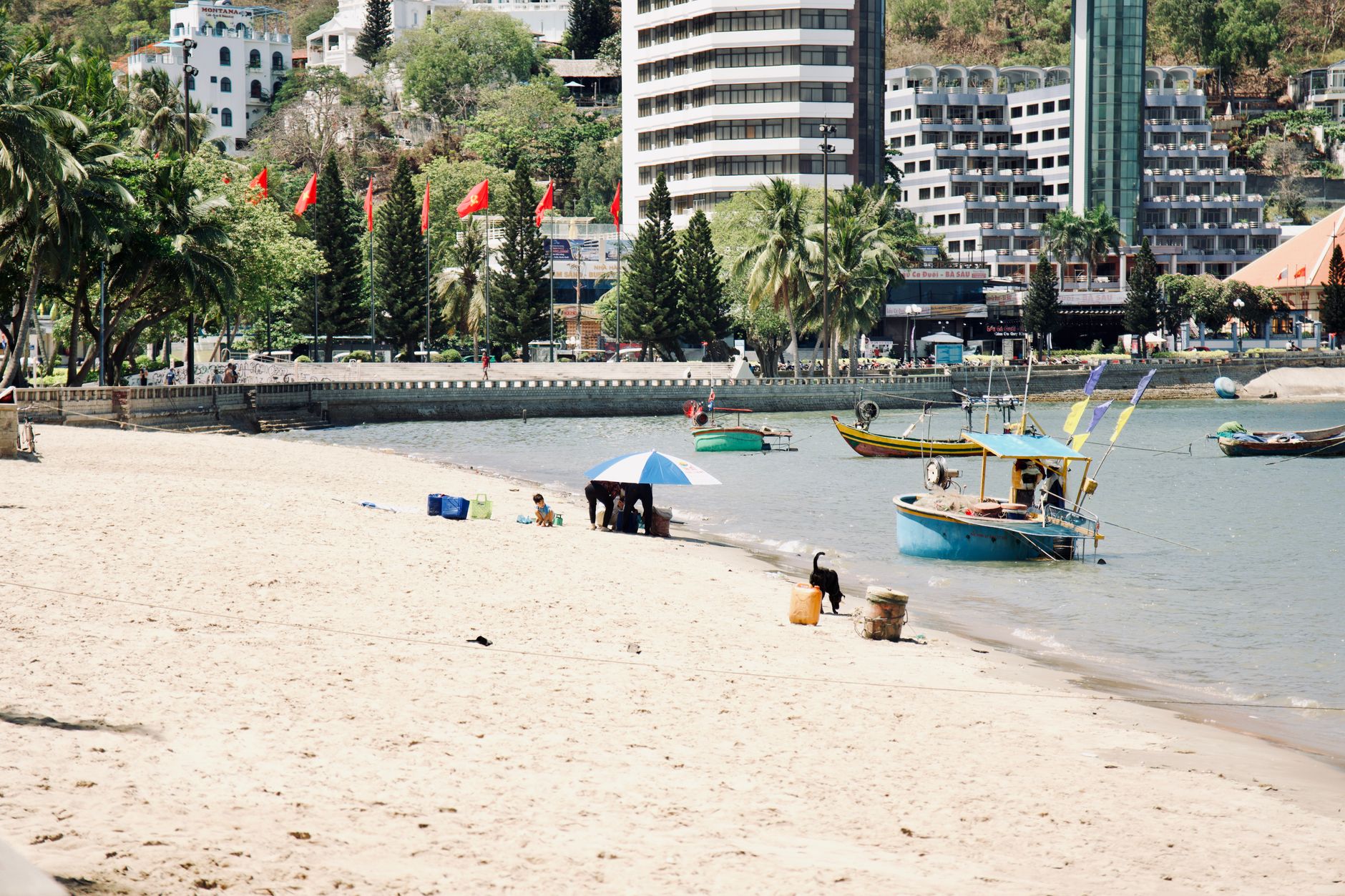
Escape the weekend crowds with this slow-paced, five-day family itinerary to Vung Tau, featuring kid-friendly seafood spots, shaded walks, and quiet coastal day trips.
Vung Tau is Saigon's pressure-release valve — two hours by ferry, a long beach, and one of the south's best street-food scenes. Here's how to do it in 48 hours.
Hoi An works for a month in a way that most Instagram-famous towns do not. The town is compact, the food is excellent, and the cost of living stays reasonable as long as you avoid the lantern-lit tourist traps on Bach Dang street.
This is the only real fork in the road. Everything else follows from it.
Old Town means you are within walking distance of the covered market, the tailors, the morning "banh mi" stalls on Phan Chau Trinh, and the kind of ambient beauty that makes it easy to forget you have a deadline. The downside is noise — the area between Nguyen Hue and Tran Phu fills up around 10am and does not empty until well after dark. Guesthouses here run 350,000–600,000 VND per night for a decent room with air conditioning. Monthly rates, negotiated directly with the host, usually land around 6–9 million VND depending on the street and the season.
An Bang Beach, 3.5 km northeast of the Old Town, is the quieter alternative. The road in — Hai Ba Trung turning into Nguyen Phan Vinh — is flat and takes twelve minutes by bicycle. Homestays here rent for 5–8 million VND per month. You get a kitchen, more space, and genuine quiet after 9pm. The tradeoff is that everything becomes a trip: the market, the post office, the good coffee. If your work requires focus more than atmosphere, An Bang wins.
Cua Dai is the third option and not one I would recommend. The beach eroded badly over the past decade, accommodation quality is inconsistent, and it sits in an awkward middle ground between Old Town and An Bang without the advantages of either.
A homestay in Hoi An (호이안 / 会安 / ホイアン) typically means a Vietnamese family runs the property and may live on site. Quality varies more than price suggests. The best ones offer a kitchen or at least a kettle and fridge, which matters when you are cooking "banh cuon" ingredients from the market or storing leftovers from the com ga stall two doors down. Ask specifically about WiFi router location — a router one floor down and two walls over will not support a video call.
A guesthouse is cleaner in the transaction: you pay, you get a room, there is usually a reception desk. Many guesthouses in the Old Town now advertise "work-friendly" without really meaning it — a lobby with three chairs and a decorative plant is not a co-working space. Ask for the actual upload speed before committing. Anything below 20 Mbps symmetric is going to cause problems on days with back-to-back calls.
Hoi An is not Hanoi. Fibre coverage exists in most guesthouses and homestays, but consistency varies by provider and building. Viettel and VNPT are the two most reliable backbone providers. When you tour a potential room, ask the host which ISP they use and run a speed test — Speedtest.net works fine, or just do a 4K YouTube stream and watch for buffering.
As a backup, a local SIM with a data plan is essential. Viettel's 30-day tourist SIM (around 200,000 VND for 60GB) gives you 4G coverage across most of the An Bang road and the Old Town. There are dead zones on some of the narrow interior lanes near the Assembly Halls, but they are small.
Photo by Ngoc Nguyen on Pexels
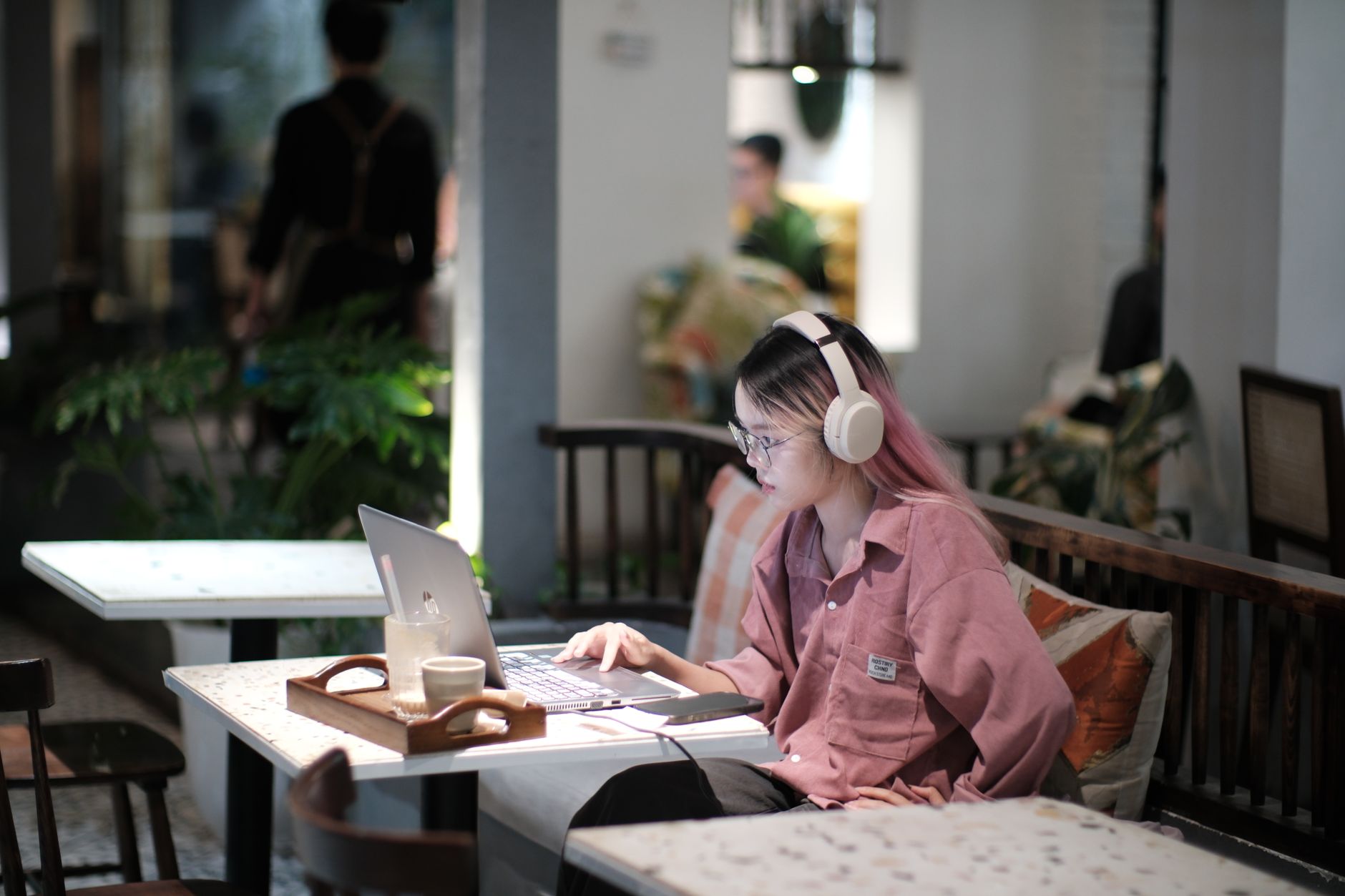
The cafe-with-laptop scene in Hoi An is real but unevenly distributed.
Reaching Out Coffee on Nguyen Hoang is run as a social enterprise employing people with disabilities. The WiFi is reliable, the space is calm, and you can sit for three hours without anyone hovering. Order the Vietnamese coffee — the ca phe sua da (연유커피 / 越南冰咖啡 / ベトナムアイスコーヒー) here is properly strong.
The Espresso Station on Tran Cao Van is small, Australian-owned, and draws the working-laptop crowd. Flat whites, reasonable noise level before noon, and the kind of air conditioning that actually functions.
An Bang Beach cafes — Half-Moon and Soul Kitchen both have usable WiFi and enough space to spread out a laptop and a notebook. Neither is a co-working space, but in the late morning before the beach crowd arrives, they work.
For serious focus work, Coco Box co-working on Nguyen Thi Minh Khai offers day passes (around 120,000 VND) and monthly desks. It is not large, but it has reliable gigabit fibre, printing, and meeting room access — which matters when a client video call cannot compete with a barista's playlist.
Budget ranges below assume a single person, working remotely, cooking some meals at home:
Total realistic range: 12–18 million VND per month (roughly USD 480–720 at current rates). That includes eating well. Hoi An's "banh xeo" at 40,000 VND a plate and its grilled corn at 15,000 VND from the Old Town market make the food budget very manageable if you eat like a local half the time.

Photo by Võ Văn Tiến on Pexels
The town has a tempo. Markets open early — 6am at the covered market on Tran Phu — and wind down by midday. Most cafes are quiet from 8–11am, which is the productive window before tourist foot traffic picks up. Late afternoons are genuinely pleasant for walking the riverfront or cycling out to Cam Thanh through the water coconut groves.
If you are staying a month, consider one overnight trip to Hue (about 120 km north by train) or a day out to Cu Lao Cham by boat from the Cua Dai pier. Both break the routine without burning a full working day.
Negotiate monthly rates in person and in cash — online booking platforms price for short stays and include platform fees. Arrive, spend two nights in a flexible room, then walk the streets you like and knock on doors. Most guesthouses and many homestays will deal directly. Bring your passport: every accommodation in Vietnam is required to register foreign guests with local police, and a good host will do this automatically.