— HẾT —
Cập nhật lần cuối · May 30, 2026 · nghiên cứu độc lập, không tài trợ.
We use minimal analytics + ads (no personal tracking). See our privacy policy.
Tap water in Vietnam won't kill you for brushing your teeth, but the full picture is more nuanced than 'never drink it.' Here's what actually matters.
Cập nhật lần cuối · May 30, 2026 · nghiên cứu độc lập, không tài trợ.
Bài viết khác về thành phố này.

Locals live on Zalo, tourists default to WhatsApp — here's why that gap matters and how to bridge it before your trip.

…
Hotels, homestays, hostels — strongest inventory in Vietnam.
Winter in the north is damp, grey, and surprisingly chilly. Forget the tropical gear and pack for layering to survive the humidity.
Thousands of foreigners teach English or freelance in Vietnam on tourist visas. Here is what Vietnamese law actually says, when it gets enforced, and how to do it properly.
Bài viết khác trong vùng này.

The Wise debit card works well in Vietnam if you set it up right. Here's how to avoid fees, use the VND balance, and when it beats alternatives.
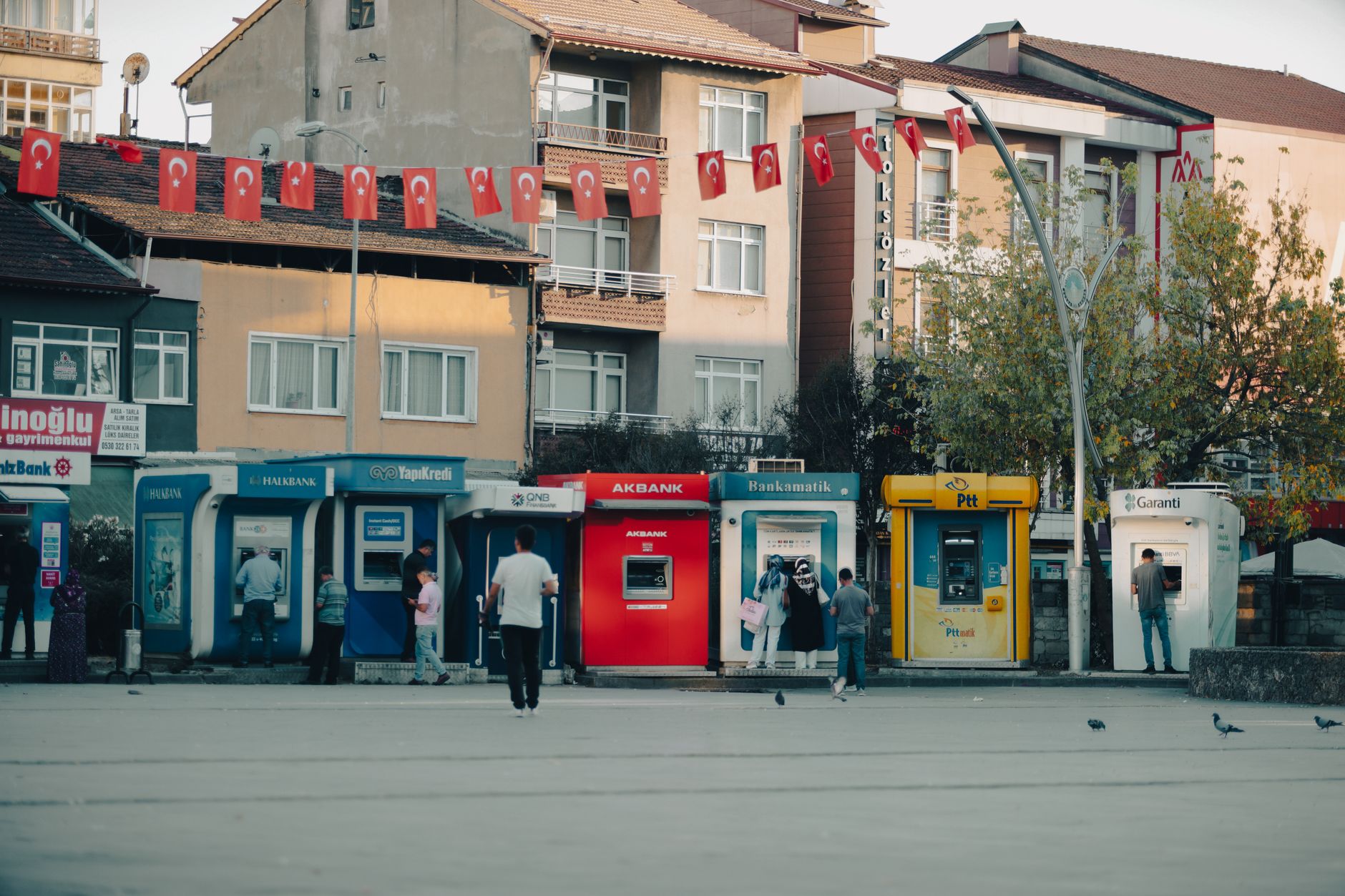
The Wise debit card works well in Vietnam if you know the fee structure. Here's how to use it at ATMs and merchants without losing money on bad rates.
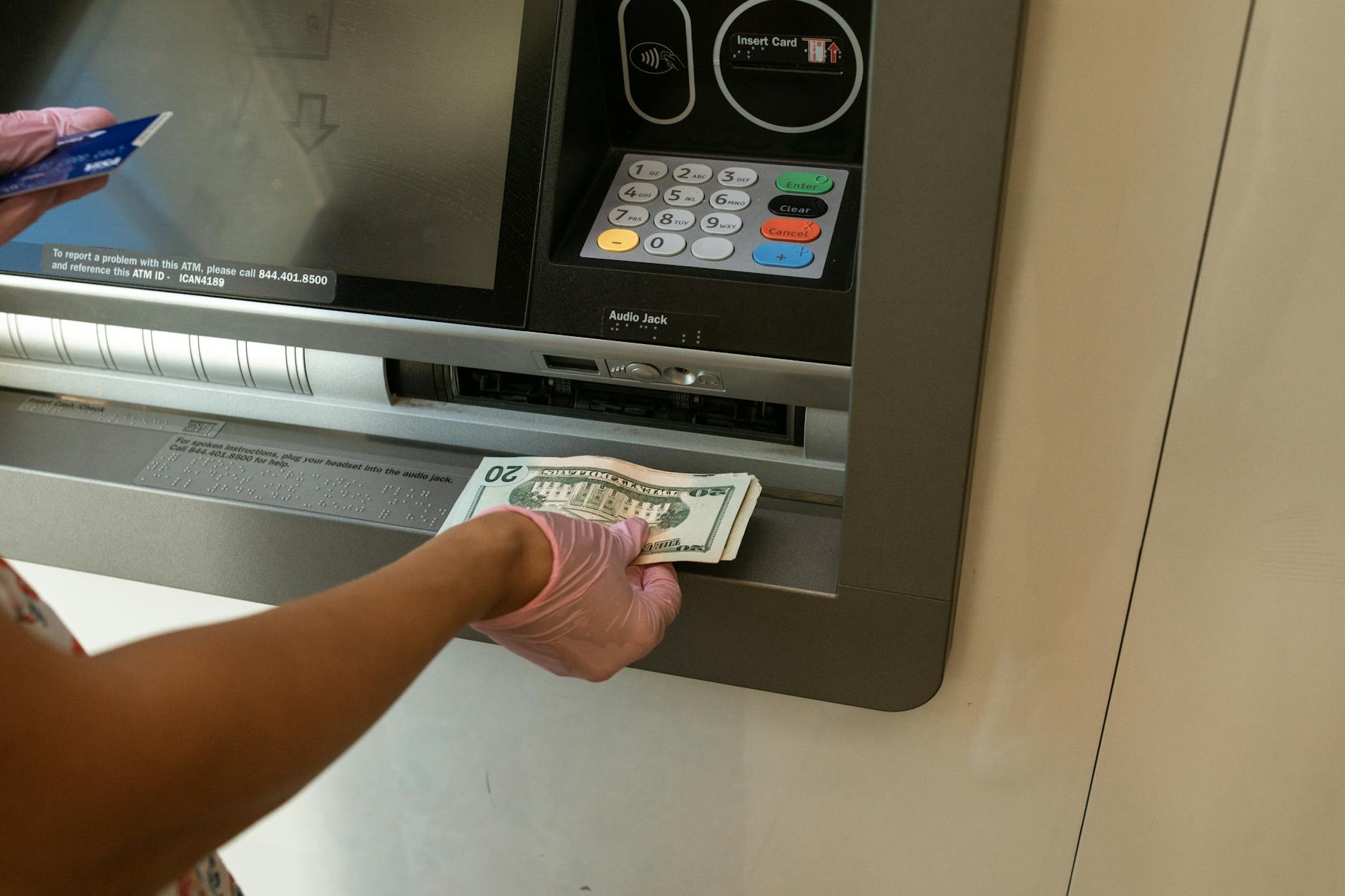
Vietnam runs on dong, but there are real situations where USD cash matters. Here is where you can actually pull USD from an ATM or bank counter.
More articles from the same category.
Forget the heavy gear. Packing for the Mekong Delta is about managing humidity, protecting your skin, and staying mobile on the water.

Wise works for sending VND to Vietnamese banks, but the process has quirks. Here's what fees to expect, which banks receive fastest, and why transfers get rejected.
Fees, speeds, and bank coverage compared for the three most-used international transfer services into Vietnam — so you pick the right one before you send.
Forget the resort-brochure packing lists. Here is the gear you actually need for Vietnam's coast, from the sands of Da Nang to the islands of Phu Quoc.
Mastering basic time and day markers in Vietnamese will save you from missed buses and confused taxi drivers. Here is the essential cheat sheet for your trip.

Most travel insurance policies have gaps that matter specifically in Vietnam — motorbike coverage, medical evacuation, and hospital payment methods. Here is what to check before you buy.
Tap water anxiety is one of those things that grips first-time visitors to Vietnam (베트남 / 越南 / ベトナム) the moment they step off the plane. The reflexive advice — 'never touch the tap' — is an oversimplification that leads people to spend a small fortune on single-use plastic bottles for tasks that don't actually require them.
Here's a clearer picture of what the water situation actually looks like across the country.
Municipal tap water in major Vietnamese cities — Hanoi, Saigon, Da Nang, Hue, Hoi An — goes through a treatment process before it reaches your faucet. It is chlorinated and generally meets Vietnamese national standards for treated water. That does not mean it is potable straight from the tap. It means it is not raw river water.
The practical issue is what happens between the treatment plant and your hotel room: aging pipes, rooftop storage tanks that are not always cleaned on schedule, and pressure fluctuations that can introduce contamination. This is why no one in Vietnam drinks tap water directly — locals included. Everyone uses filtered or bottled water for drinking, including the family running the pho stall at the end of your street.
For the vast majority of travelers, brushing teeth with tap water in a city hotel is fine. You are not swallowing significant amounts, the exposure is brief, and the water has been treated. Most long-term expats living in Hanoi or Saigon (사이공 / 西贡 / サイゴン) brush their teeth with tap water without a second thought.
That said, there are situations where switching to bottled water for brushing makes sense:
The city vs. rural distinction matters more than the country-level rule most travel sites apply.
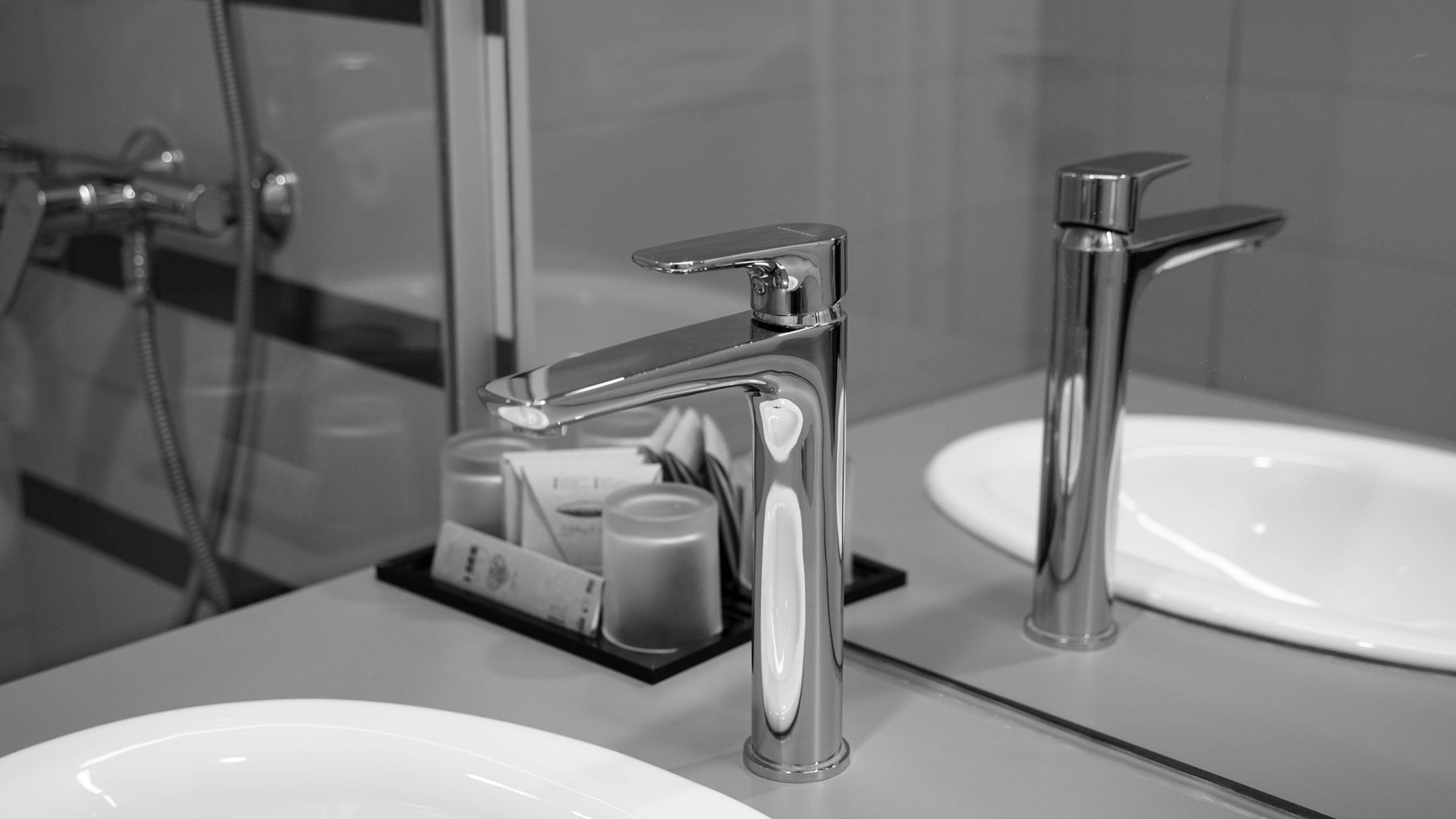
Photo by Vladimir Srajber on Pexels
This is where people get most confused, and it is worth separating two types of ice you will encounter.
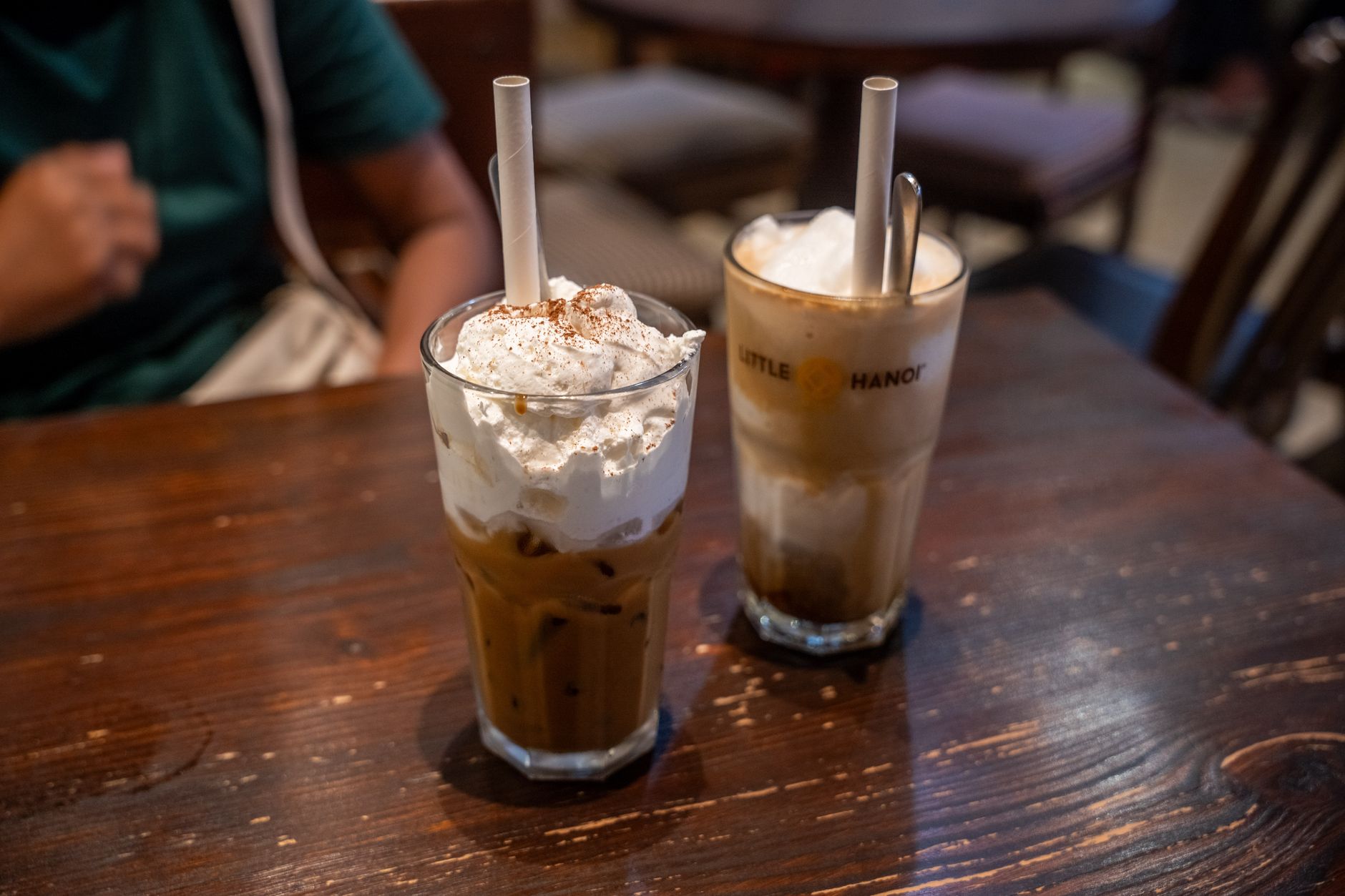
Commercially produced ice — the cylindrical tubes with a hollow center, or the large clear blocks — comes from licensed factories that use filtered water. This is the ice you will find in almost every cafe, restaurant, and bia hoi stall in the cities. It is generally safe. When Anthony Bourdain was drinking ca phe sua da and eating bun cha on the streets of Hanoi, he was getting this kind of ice.
Crushed or irregularly shaped ice from an unknown source is the one to be more cautious about, particularly at very low-end street stalls in smaller towns or markets. It is not a guarantee of a problem, but the provenance is harder to know.
In practice, if you are sitting at a reputable cafe in Da Nang ordering an iced vietnamese coffee, or having a cold beer at a well-trafficked street stall in Saigon, the ice is almost certainly from a commercial supplier. If you are at a roadside stop in a rural province and someone is chipping ice off a block that arrived on the back of a motorbike, ask for your drink without it.
For actual drinking, the rule is simple and consistent everywhere in Vietnam: filtered or bottled water only. This is not alarmist — it is just how it works here, for everyone.
Most hotels provide complimentary bottled water in the room. Most restaurants bring filtered water or bottled water to the table as a matter of course, often for free or for 5,000–10,000 VND. Convenience stores (FamilyMart, Circle K, Winmart) stock 500ml bottles for 5,000–7,000 VND and 1.5L bottles for around 10,000–15,000 VND.
If you are staying somewhere longer-term — a guesthouse for a week, a serviced apartment — buying a 20L refillable jug delivered to your door costs roughly 15,000–25,000 VND and is what most residents use. Ask your host about the local delivery service.
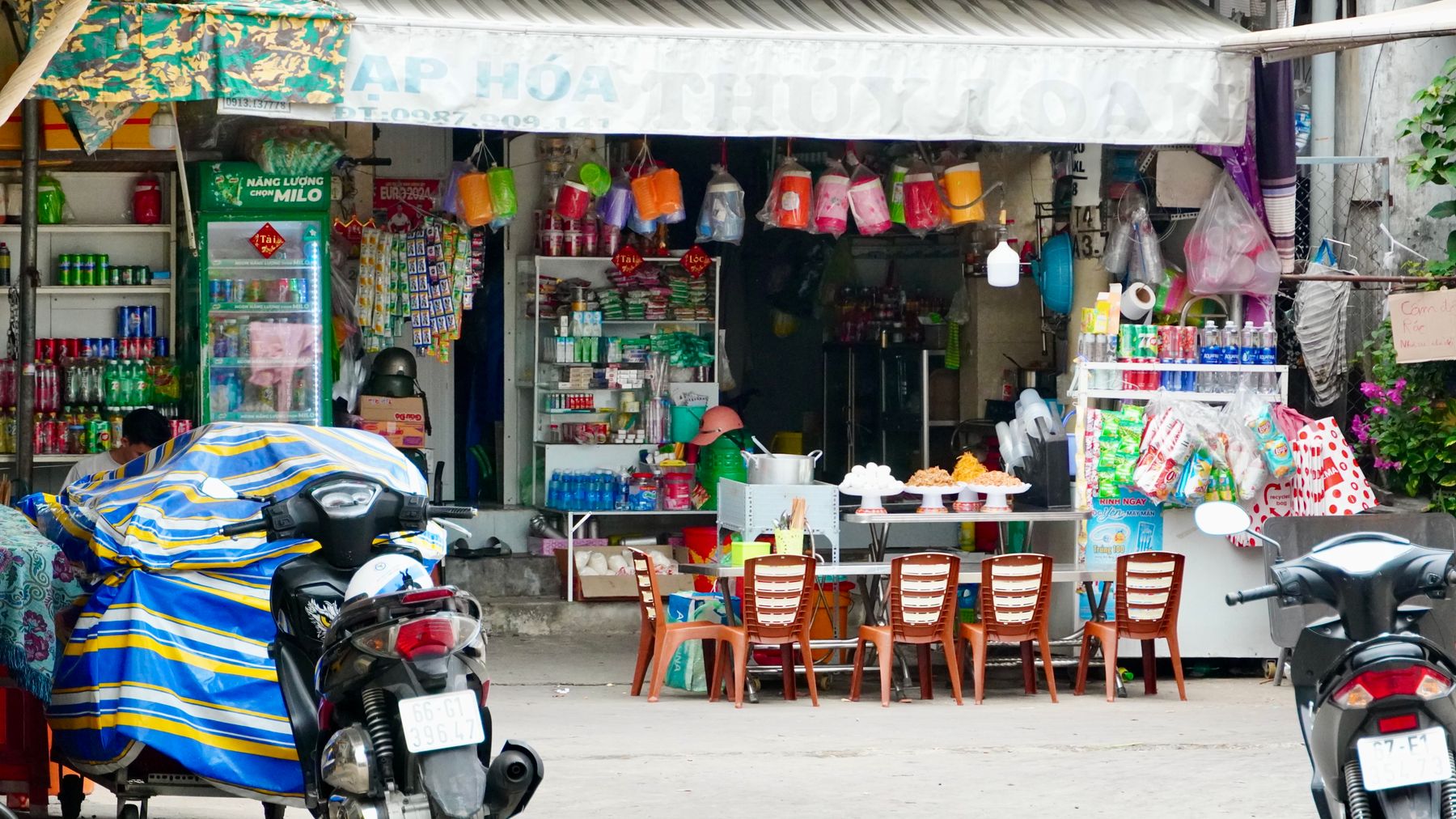
Photo by Tuan Vy on Pexels
A related concern: produce washed in tap water. In cities, this is generally fine because the tap water is treated and you are not ingesting it directly. At markets like Dong Xuan in Hanoi or Ben Thanh in Saigon, vendors rinse produce in tap water routinely. Peeling fruit eliminates most surface risk anyway. For salad greens at a restaurant, you are accepting some level of unknowable risk, same as anywhere in Southeast Asia — most people eat salads in good restaurants without incident.
Brush your teeth with tap water in a city hotel without stressing about it. Switch to bottled if you have a sensitive stomach, if you are in a rural area, or if the plumbing looks questionable. For ice, the cylindrical commercial variety in city cafes and restaurants is consistently safe. For drinking, always filtered or bottled — no exceptions, no country.