— HẾT —
Cập nhật lần cuối · May 30, 2026 · nghiên cứu độc lập, không tài trợ.
We use minimal analytics + ads (no personal tracking). See our privacy policy.
Tet shuts down half the country — but plan around it right and you get flower markets, empty beaches, and pagodas full of incense smoke and zero tour groups.
Cập nhật lần cuối · May 30, 2026 · nghiên cứu độc lập, không tài trợ.
Bài viết khác về thành phố này.

Locals live on Zalo, tourists default to WhatsApp — here's why that gap matters and how to bridge it before your trip.

…
Hotels, homestays, hostels — strongest inventory in Vietnam.
Winter in the north is damp, grey, and surprisingly chilly. Forget the tropical gear and pack for layering to survive the humidity.
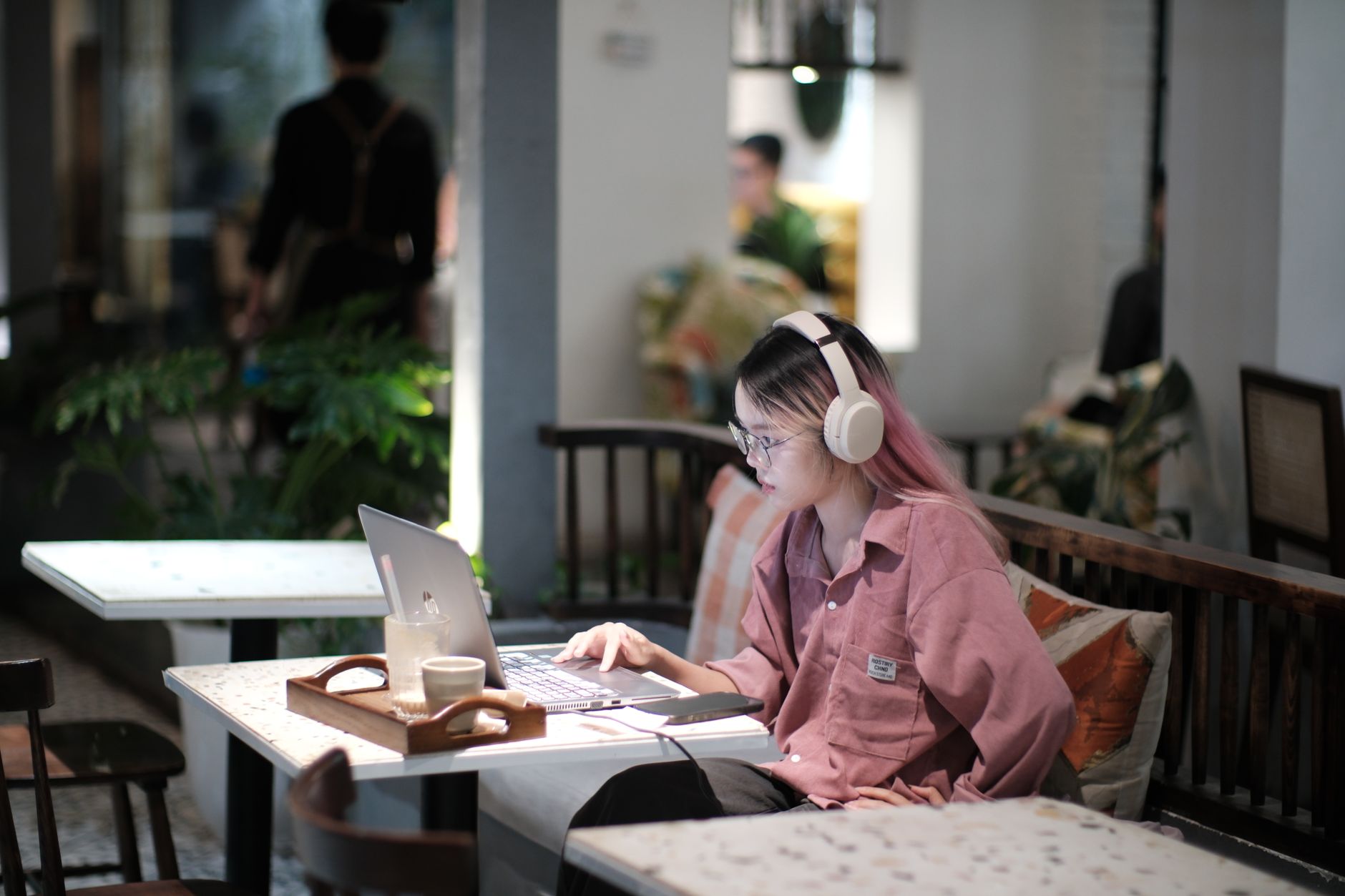
Thousands of foreigners teach English or freelance in Vietnam on tourist visas. Here is what Vietnamese law actually says, when it gets enforced, and how to do it properly.
Bài viết khác trong vùng này.
The Wise debit card works well in Vietnam if you set it up right. Here's how to avoid fees, use the VND balance, and when it beats alternatives.
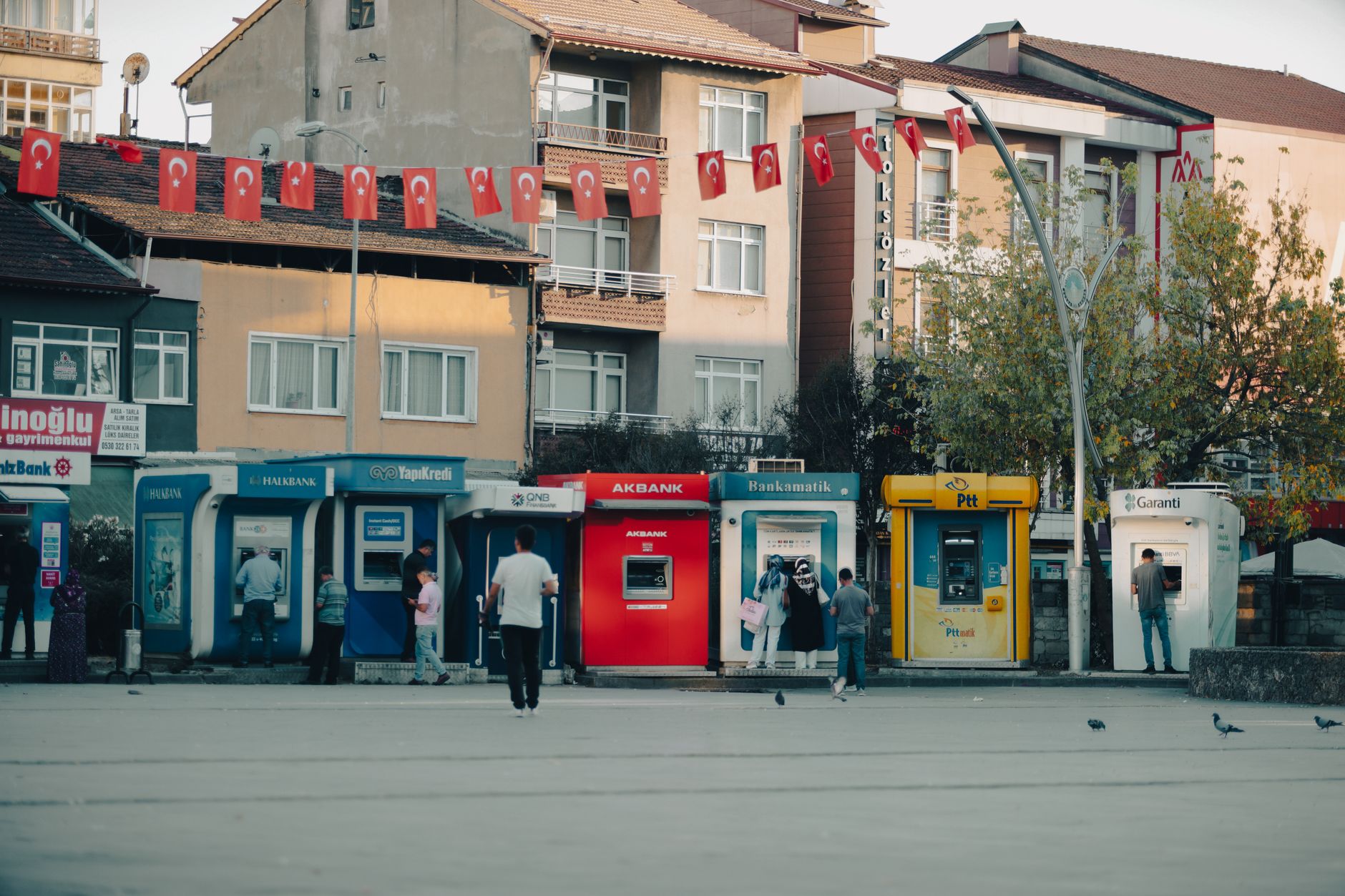
The Wise debit card works well in Vietnam if you know the fee structure. Here's how to use it at ATMs and merchants without losing money on bad rates.
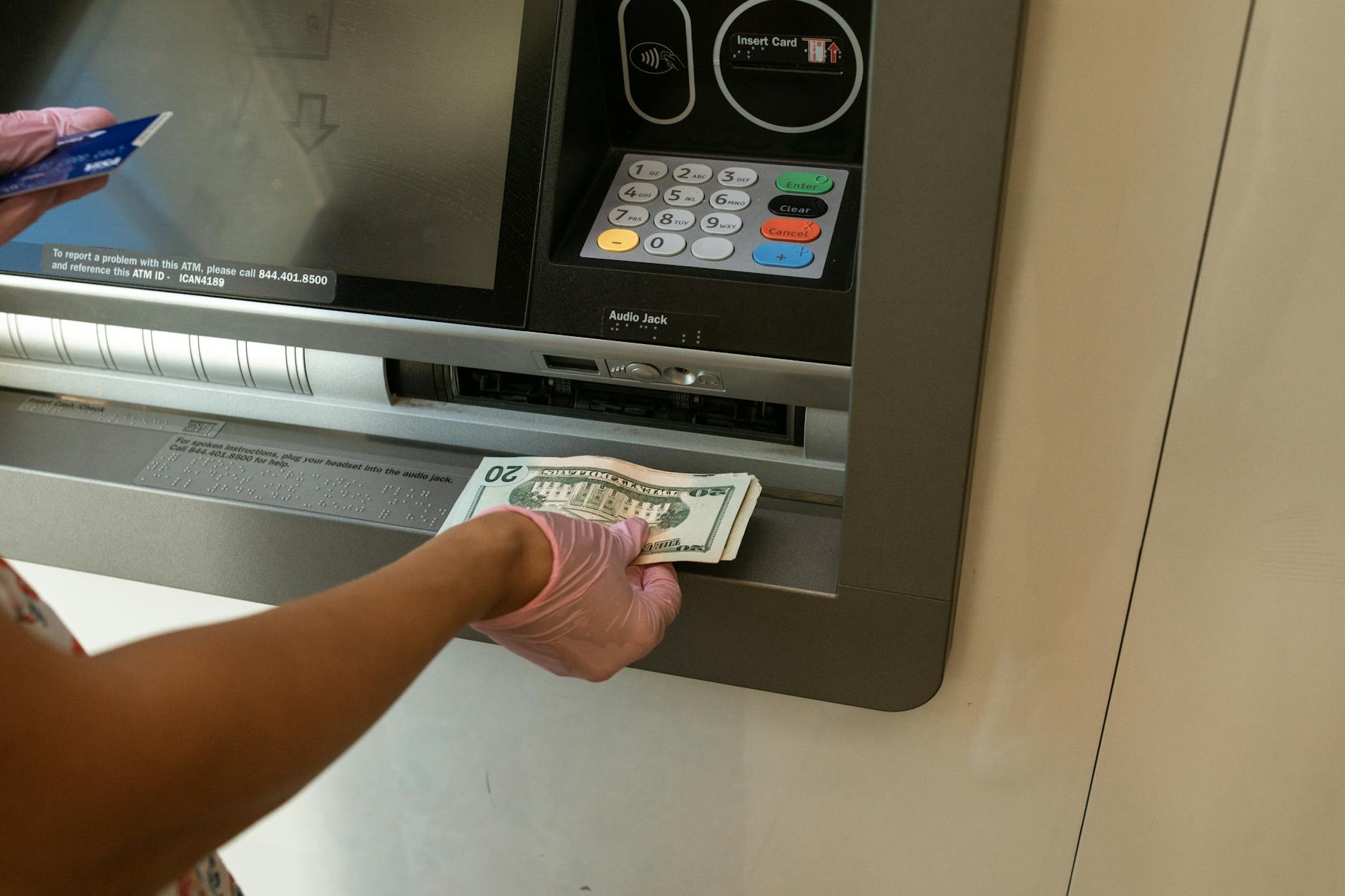
Vietnam runs on dong, but there are real situations where USD cash matters. Here is where you can actually pull USD from an ATM or bank counter.
More articles from the same category.
Da Lat has quietly become Vietnam's most liveable remote-work base — cool air, cheap rent, and more cafes than you can reasonably test in a month.
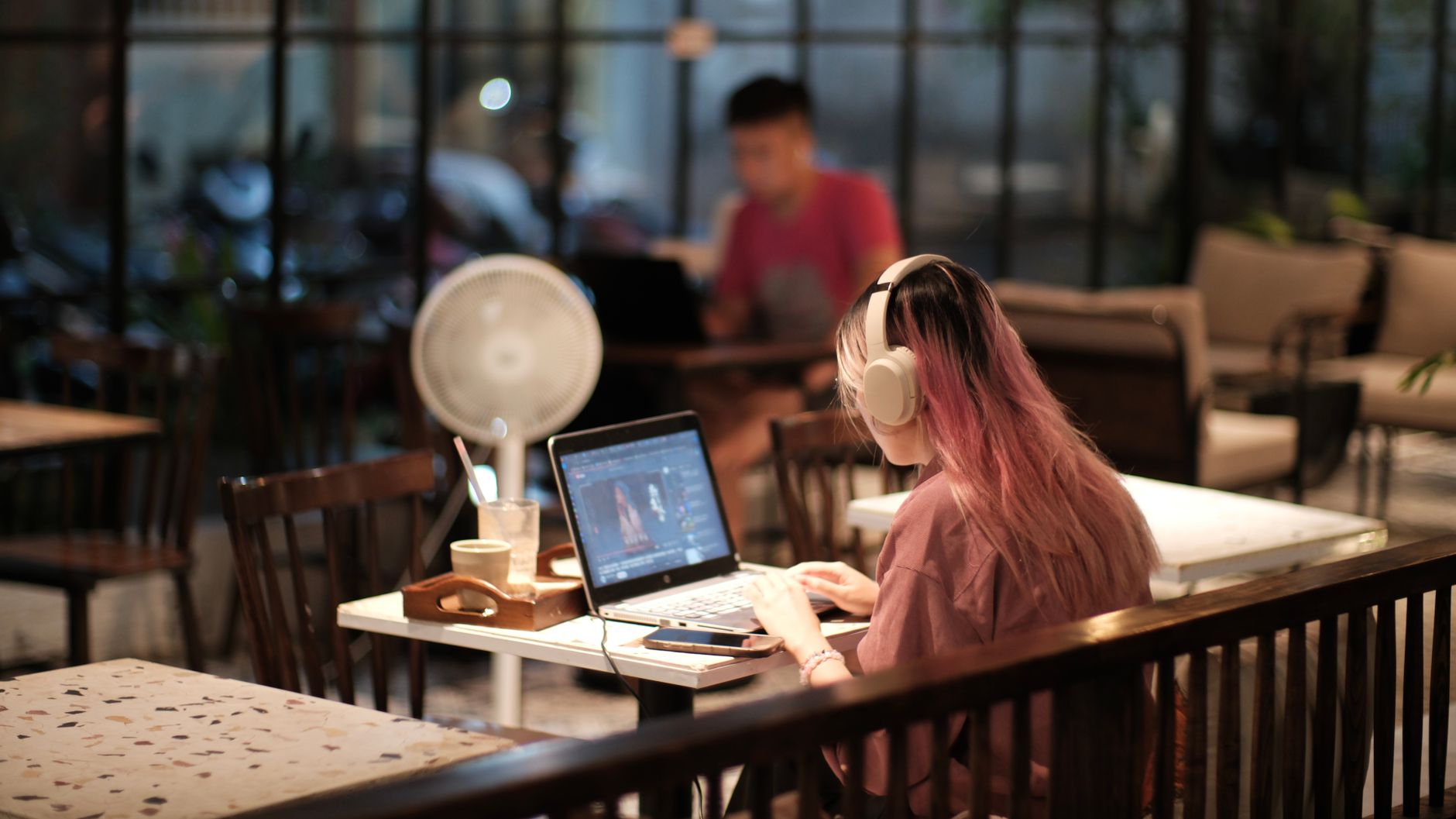
Hoi An is slow, cheap, and surprisingly well-connected. Here is what a working month actually looks like — costs, internet, and where to sit with a laptop.

Hoi An works better as a slow-living base than most people expect — if you know where to sleep, where to plug in, and how far your budget actually stretches.

Da Lat has quietly become Vietnam's most livable remote-work base — cool air, cheap rent, and a cafe scene dense enough to keep you caffeinated for months.

Skip the crowded highways and ride this 4-day motorbike loop from Quy Nhon through the dramatic cliffs of Phu Yen and the quiet valleys of the Central Highlands.

From Da Lat's hillside wineries to Hanoi's old-quarter street food, this 8-day itinerary connects Vietnam's most distinctive food cultures in one focused trip.
Tet is the single best and worst time to visit Vietnam (베트남 / 越南 / ベトナム) simultaneously. Streets go silent, kitchens close, and restaurants you loved last week are locked for five days straight — but the country also transforms into something you won't see any other time of year. The trick is sequencing: burn the holiday itself on a beach where nothing ever really closes, then catch Hanoi before the chaos and the pagodas after it.
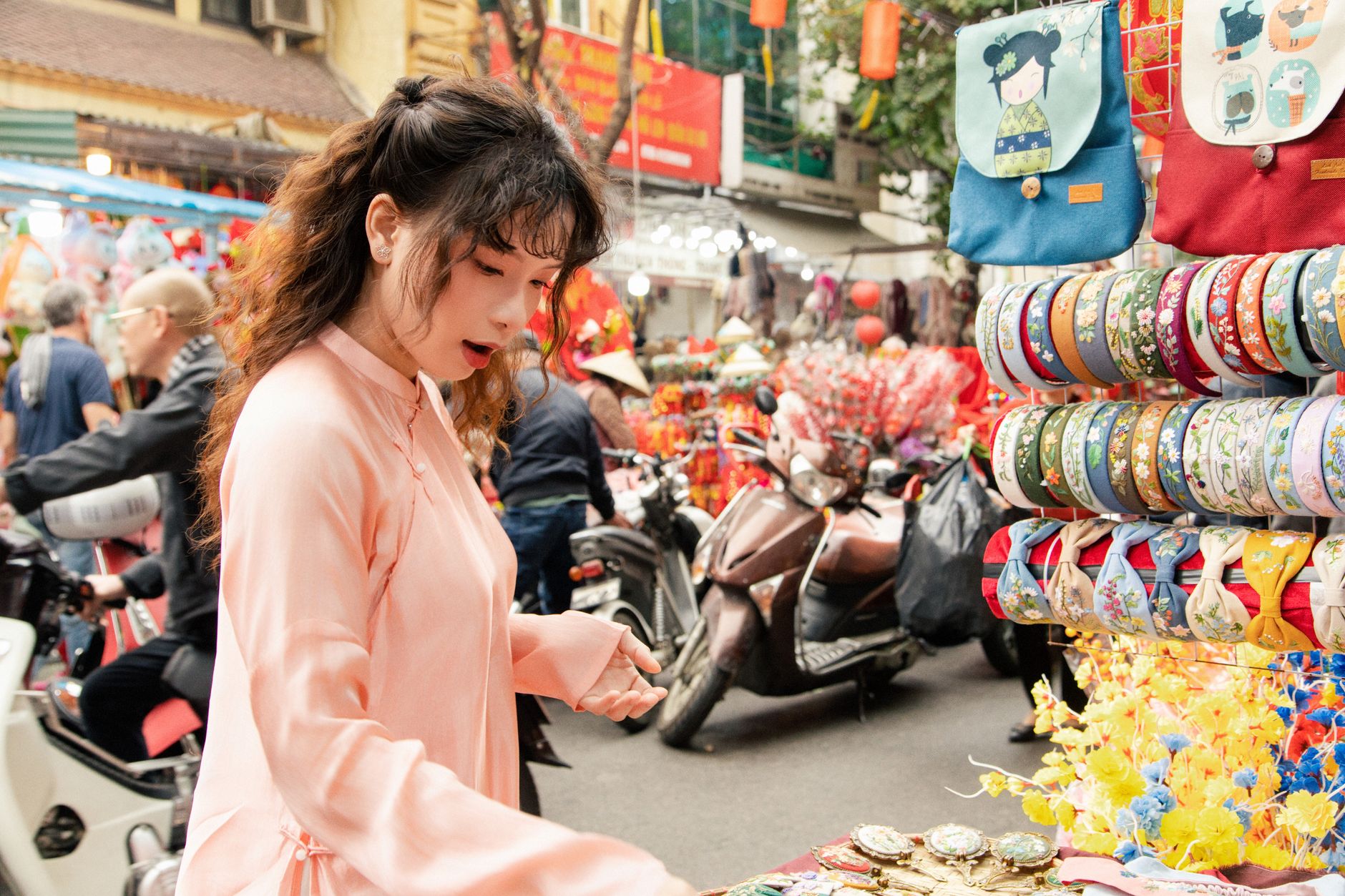
Fly into Hanoi (하노이 / 河内 / ハノイ) and give yourself two full days before Tet begins — ideally five to seven days before the lunar new year date. This window is one of the more quietly electric periods in the city. Hang around Hang Luoc and Hang Ma streets in the Old Quarter, where the temporary flower and peach-blossom market runs for roughly three weeks leading up to the holiday. Vendors sell "cay dao" (peach branches) and "cay quat" (kumquat trees) loaded onto motorbikes at every intersection. It smells like tangerine peel and joss sticks.
Eat well while you can. Grab "bun cha" at any of the charcoal-smoke joints around Hang Manh — lunch only, usually gone by 1pm. Hit a bowl of pho for breakfast at one of the 24-hour spots on Bat Dan or Ly Quoc Su. In the evenings, walk the Hoan Kiem area and watch the city prepare: families shopping, red envelopes stacked in pharmacy windows, pagodas already filling with offerings.
On Day 2, visit the Temple of Literature in the morning before crowds show up. The gardeners will be stringing lanterns. You can also check Dong Xuan Market for a final sweep of dry goods and preserved foods — the vendors here stay open later than most heading into the holiday.
Leave Hanoi on Day 3, early flight. This is the day Tet starts to lock things down in the north. Phu Quoc is your buffer zone. The island runs on beach tourism year-round, and the resorts — especially along the Long Beach strip and around Ong Lang — maintain full service through the holiday. Hotel restaurants, resort pools, and the better cocktail bars don't close.
Phu Quoc in late January or early February sits in its dry season sweet spot: low humidity, minimal rain, water visibility good enough for snorkeling without trying hard.
Three full beach days. Don't guilt-trip yourself about not sightseeing — this is intentional. The rest of the country is eating "banh chung" with relatives and watching state TV. You're doing exactly what the schedule demands.
That said, the island is not dead. Local seafood restaurants along Ham Ninh fishing village and on Tran Hung Dao's cheaper southern end stay open — family-run joints often cook through Tet because tourists don't stop being hungry. A plate of grilled scallops with spring onion oil runs around 80,000–120,000 VND. Fresh squid, steamed clams, whatever came in that morning.
On one of these days, book a boat out to the smaller islands in the An Thoi archipelago for snorkeling. Operators run through the holiday. Budget around 350,000–500,000 VND per person for a half-day group trip.

Photo by Quang Nguyen Vinh on Pexels
Tet's main silence lasts roughly three days. By Day 7 you're past the core shutdown and the country is exhaling. Fly Da Nang, then take a car or the train the 100 km north to Hue. The drive through the Hai Van Pass takes about 90 minutes and is worth it if you have the time.
Hue is where you want to be for the post-Tet temple period. Check into something in the area around the Perfume River's south bank — the guesthouses here are cheaper than the north bank tourist strip and closer to the pagodas.
Post-Tet is pagoda season. Vietnamese families visit temples in the days after the new year to pray for luck and burn offerings — which means the city's religious sites are alive with incense, chanting, and color, but they're still accessible and the museum-style attractions have reopened.
Thien Mu Pagoda, sitting above the Perfume River about 5 km from the city center, is the obvious first stop. Go before 9am. After that, rent a motorbike or hire a xe om (about 150,000–200,000 VND for a half-day) and ride out to the Tomb of Khai Dinh in the hills south of the city — the mosaic-covered interior is genuinely arresting and one of the few royal sites that reads as more than just a ruin.
For food in Hue, hunt down "bun bo Hue" — the city's beef and lemongrass noodle soup is spicier and funkier than pho, and the best bowls cost 35,000–50,000 VND at the market stalls near Dong Ba.

Photo by Duong Nguyen on Pexels
Take the bus or a hired car south to Hoi An, about 130 km from Hue. The old town starts humming again after Tet and the tailors, ceramic shops, and lantern sellers reopen their shutters. Post-holiday Hoi An is noticeably calmer than its typical packed self.
Eat "cao lau" for lunch — the dish barely exists outside this town, and the noodles are allegedly made with water from a specific local well. Whether you believe that or not, the smoky pork and crisp rice crackers on top make it worth the 45,000–60,000 VND. In the evening, buy a lantern at the riverside market and release it on the Thu Bon River like everyone else. It's touristy and it's still lovely.
Head back to Da Nang for your flight. If you have a late departure, walk the Han River bridge area in the morning — the city is practical rather than precious, and worth a few hours. Da Nang's food scene runs year-round; grab "mi quang" (turmeric noodles with pork, shrimp, and toasted rice crackers) at any of the small shops near Hai Chau market for about 35,000 VND before you go.
Book flights and accommodation at least six weeks out — Tet sends domestic travel into overdrive, and Phu Quoc resort rooms especially fill fast. Carry more cash than usual during the Tet days: ATMs around smaller areas can run dry during the holiday weekend. Restaurants that are open during Tet proper often run a fixed menu rather than a full one, so keep expectations calibrated and you won't be disappointed.