— HẾT —
Cập nhật lần cuối · May 30, 2026 · nghiên cứu độc lập, không tài trợ.
We use minimal analytics + ads (no personal tracking). See our privacy policy.
Boarding a train in Vietnam is straightforward once you know the flow — here's what actually happens between arriving at the station and finding your seat.
Cập nhật lần cuối · May 30, 2026 · nghiên cứu độc lập, không tài trợ.
Bài viết khác về thành phố này.

Winter in the north is damp, grey, and surprisingly chilly. Forget the tropical gear and pack for layering to survive the humidity.

…
Hotels, homestays, hostels — strongest inventory in Vietnam.
Thousands of foreigners teach English or freelance in Vietnam on tourist visas. Here is what Vietnamese law actually says, when it gets enforced, and how to do it properly.
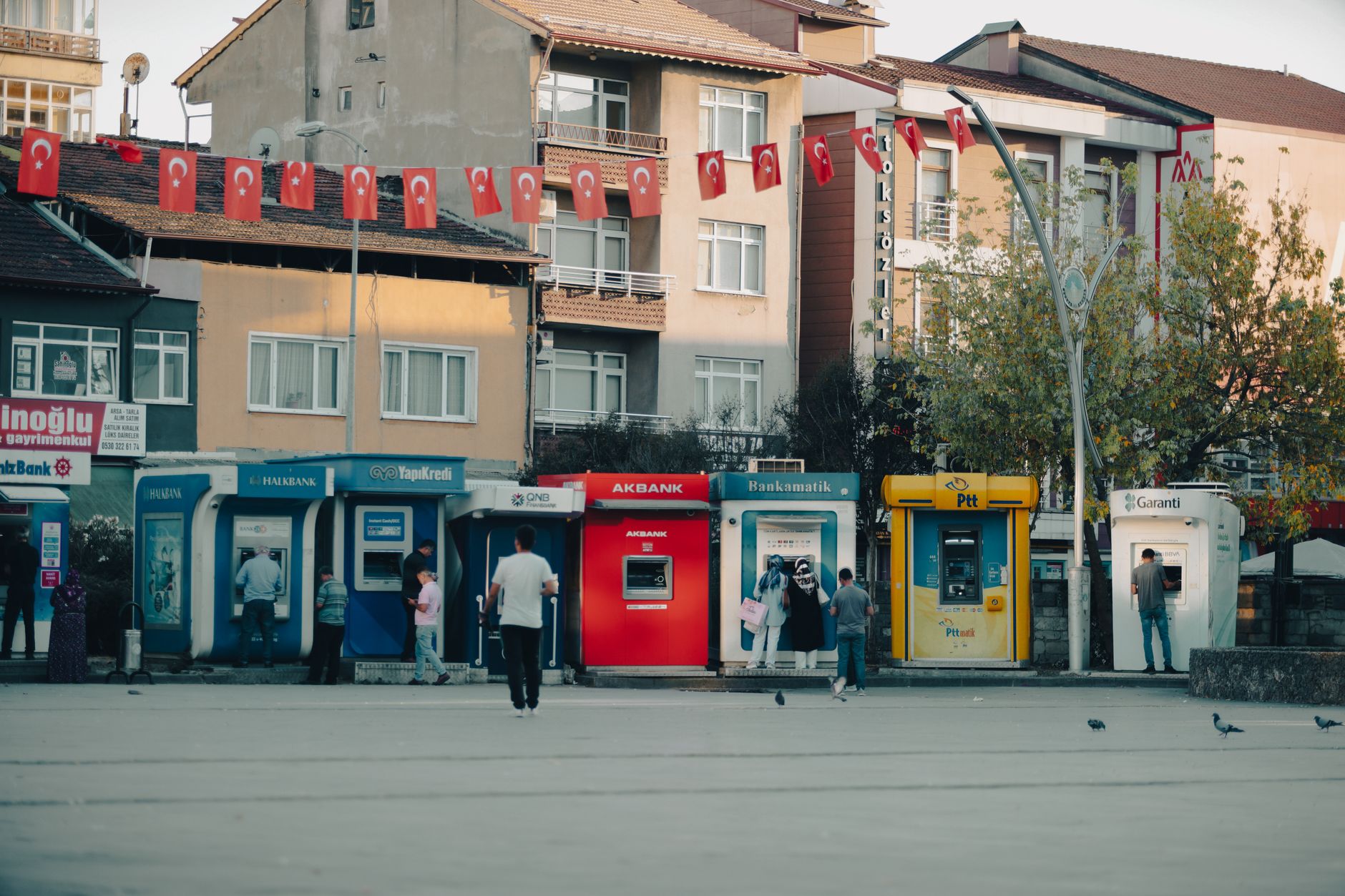
The Wise debit card works well in Vietnam if you know the fee structure. Here's how to use it at ATMs and merchants without losing money on bad rates.
Bài viết khác trong vùng này.
The Wise debit card works well in Vietnam if you set it up right. Here's how to avoid fees, use the VND balance, and when it beats alternatives.

Vietnam's wellness scene has matured fast. Here's how to spend 7 days across four retreats — Hoi An, Da Lat, Phu Quoc, and Mai Chau — depending on your pace and budget.
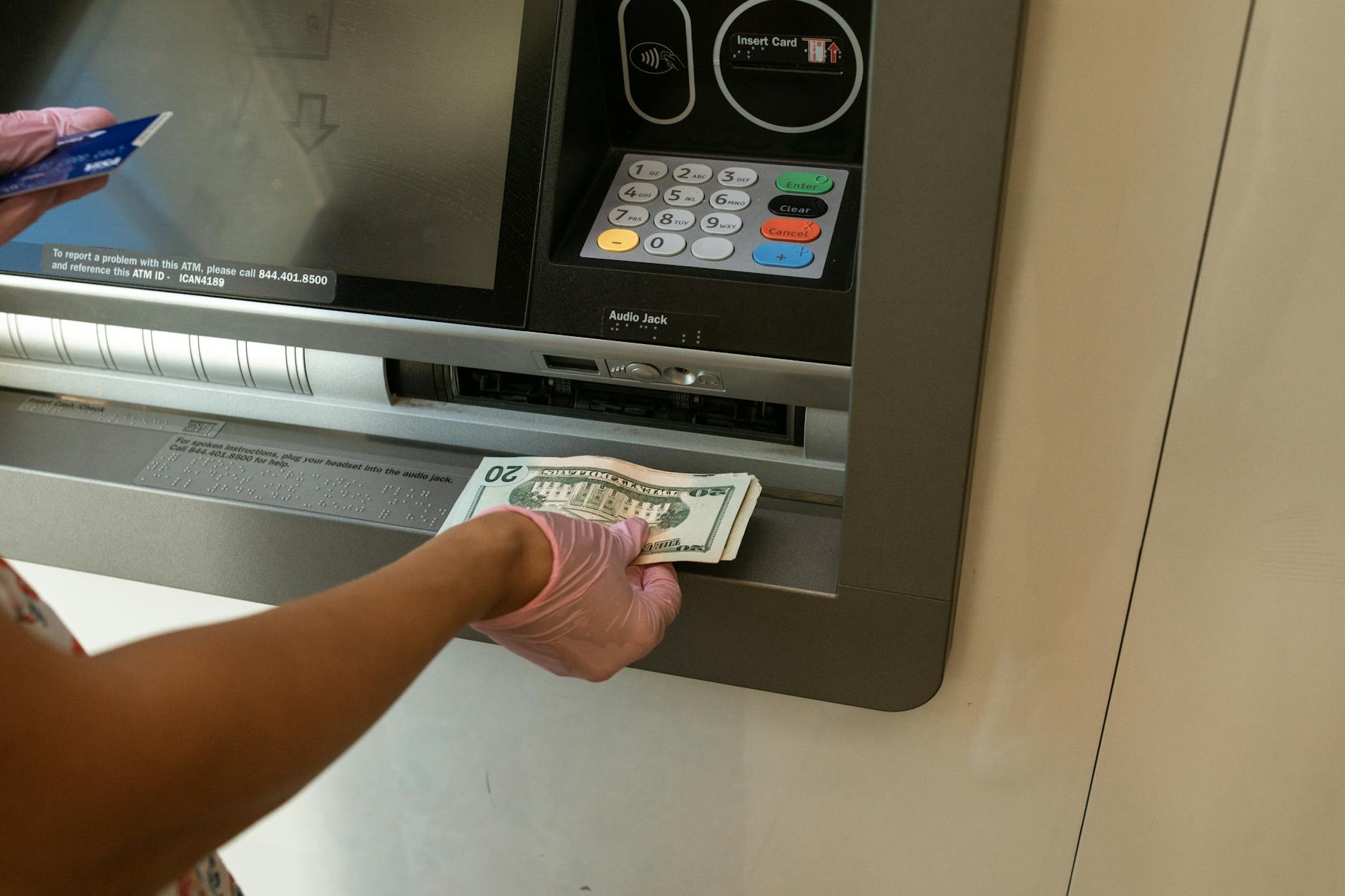
Vietnam runs on dong, but there are real situations where USD cash matters. Here is where you can actually pull USD from an ATM or bank counter.
More articles from the same category.
Forget the heavy gear. Packing for the Mekong Delta is about managing humidity, protecting your skin, and staying mobile on the water.

Wise works for sending VND to Vietnamese banks, but the process has quirks. Here's what fees to expect, which banks receive fastest, and why transfers get rejected.
Fees, speeds, and bank coverage compared for the three most-used international transfer services into Vietnam — so you pick the right one before you send.
Forget the resort-brochure packing lists. Here is the gear you actually need for Vietnam's coast, from the sands of Da Nang to the islands of Phu Quoc.
Mastering basic time and day markers in Vietnamese will save you from missed buses and confused taxi drivers. Here is the essential cheat sheet for your trip.

Most travel insurance policies have gaps that matter specifically in Vietnam — motorbike coverage, medical evacuation, and hospital payment methods. Here is what to check before you buy.
The Reunification Express connecting Hanoi and Saigon is one of the more satisfying ways to move through the country. But if it's your first time boarding a Vietnamese train, the station process has a few wrinkles worth knowing before you show up.
Thirty to forty-five minutes before departure is the practical window. Arrive much earlier and you'll be standing around a waiting hall with nowhere comfortable to sit. Cut it closer than twenty minutes and you risk missing the train entirely — not because boarding is slow, but because staff close the platform gate before the scheduled departure, not after.
Major stations like Hanoi's Ga Ha Noi and Saigon's Ga Sai Gon are busy enough that navigating the concourse, finding the right platform, and locating your carriage takes a real five to ten minutes. Smaller stations — Hue, Da Nang, Ninh Binh (닌빈 / 宁平 / ニンビン) — are compact enough that fifteen minutes is plenty, but the same gate-closing rule applies.
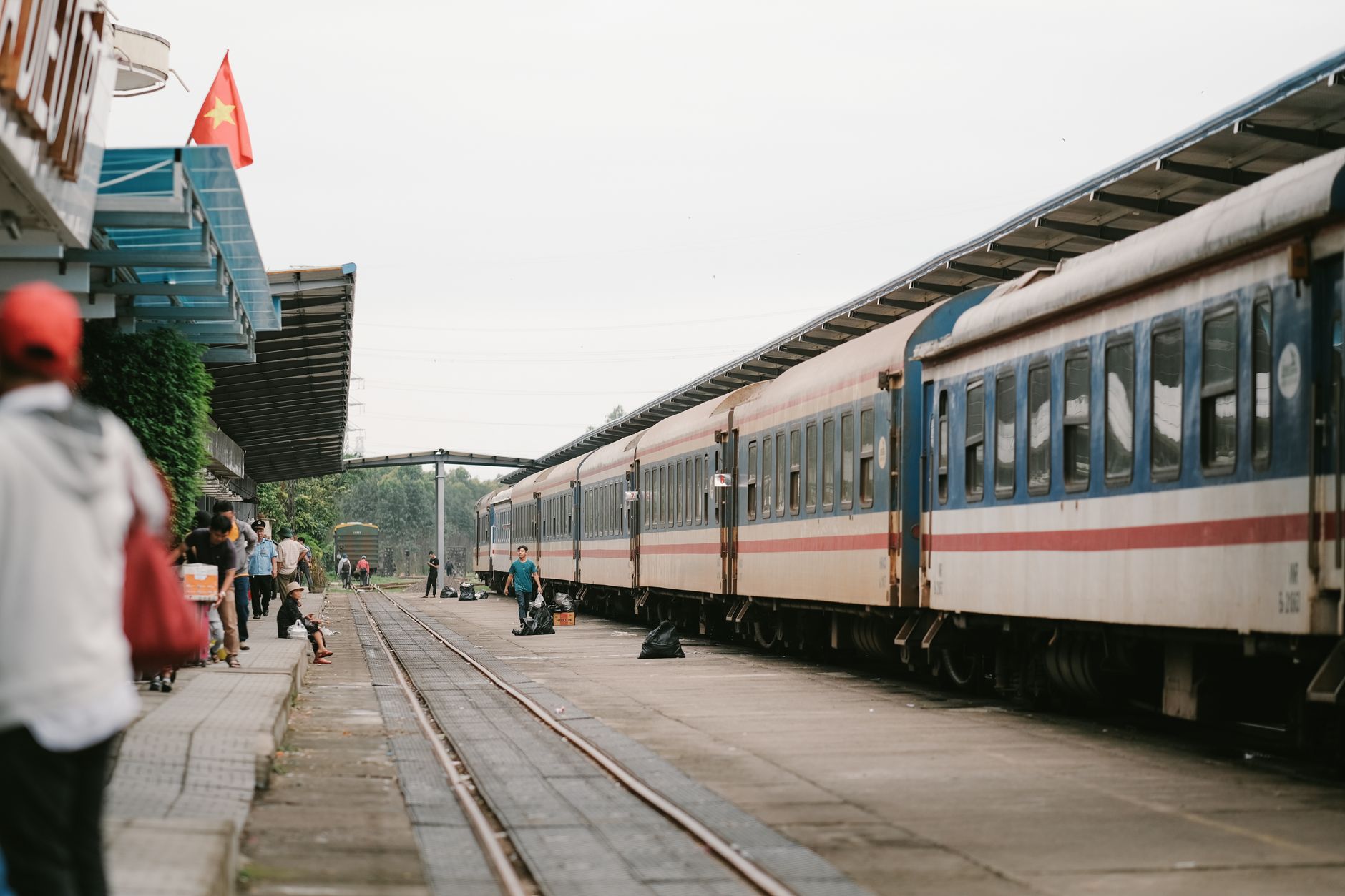
At the platform entrance, a staff member checks your ticket before you go through. Have it ready — printed or on your phone. They'll match your ticket to your ID (passport for foreign travelers), so keep that accessible too. This is not a fast queue at busy departure times, which is another reason not to cut it close.
Some stations have a basic X-ray belt for bags, similar to what you'd find at a domestic bus terminal. It's quick and not particularly strict, but don't pack anything you'd be uncomfortable pulling out — large knives, gas canisters, that kind of thing are legitimately not allowed.
This is the part that catches most foreign travelers off guard. Departure announcements over the PA system are in Vietnamese, and they are not repeated in English. If you're waiting in the main hall and tuning out the announcements, you may miss the call for your train.
The practical fix: watch the departure board and watch other passengers. When people start moving toward a platform, follow them and confirm with a staff member. You can show your ticket and say "tau nay?" (this train?) — they'll point you in the right direction. Don't rely on anyone tapping you on the shoulder.

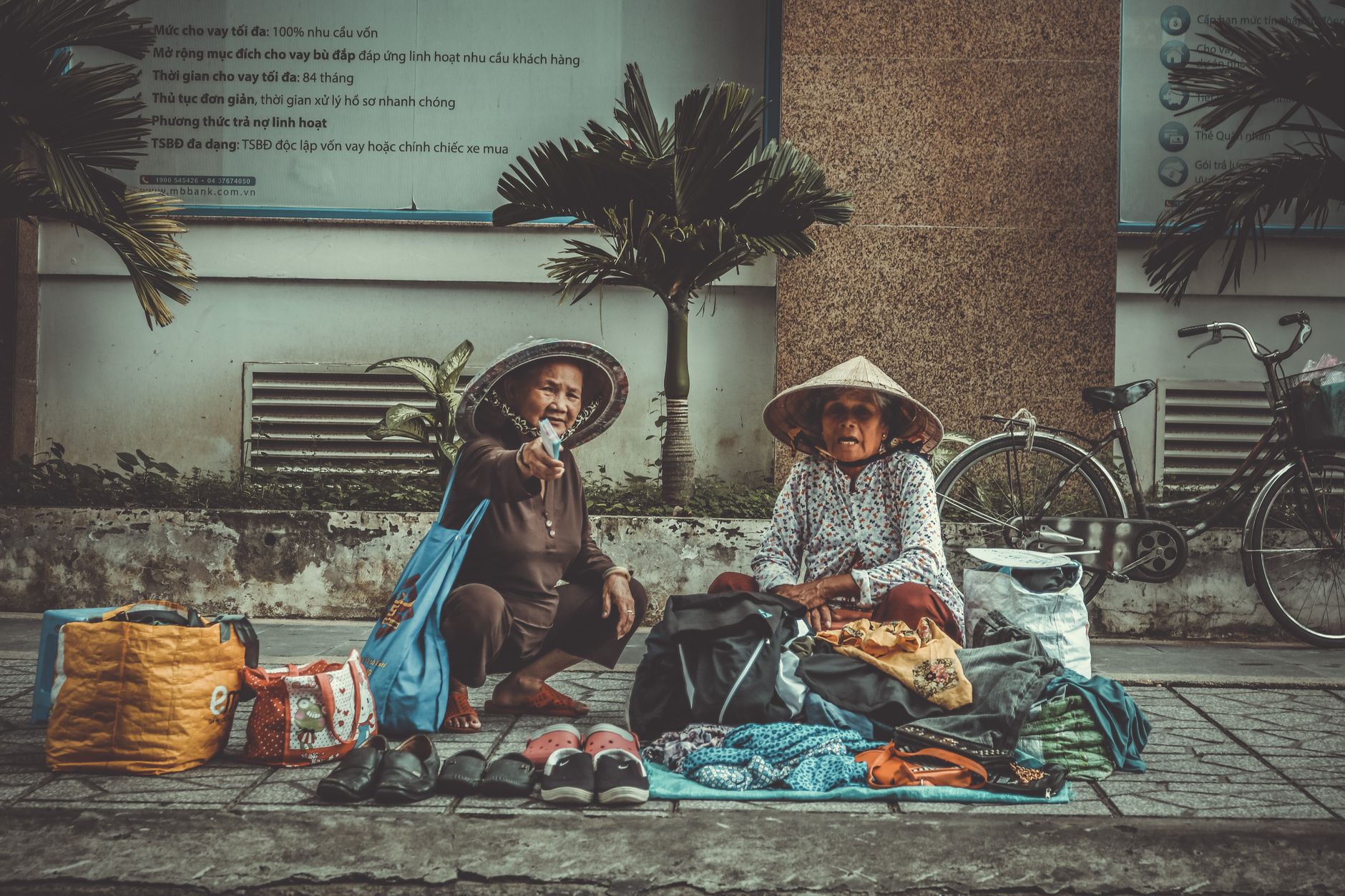
Photo by Quang Nguyen Vinh on Pexels
Carriages are labeled on the outside of each car — typically a number or letter stenciled on the door, matching what's printed on your ticket under "toa" (carriage) and "so ghe" or "so giuong" (seat or berth number). Walk along the platform and match the number on the car to your ticket.
Trains don't always stop with carriage 1 at the front-most platform position, and they don't always pull in perfectly centered. Be prepared to walk a bit. On the Reunification Express, the SE trains (numbered SE1 through SE8) are the faster, more comfortable services — if you're on one of these, the rolling stock is usually in better condition and the carriage numbering is more clearly marked.
If you've booked a soft sleeper ("giuong nam mem") for an overnight leg — say, Hanoi down to Hue or Da Nang (다낭 / 岘港 / ダナン) — the berths are numbered top to bottom, with lower berths costing slightly more and being significantly more comfortable for taller travelers. Upper berths get stuffy and have no dedicated reading light.
The official luggage allowance on Vietnamese trains is 20 kg for a standard ticket. In practice, enforcement is loose and large backpacks are common. That said, storage space inside carriages is limited — overhead racks on hard seat and soft seat cars are narrow, and under-seat space is minimal.
For sleeper cars, bags typically go under the lowest berth or in a luggage area at the end of the carriage. There are no lockers. Keep valuables in your day bag and stow your main pack where you can see it or loop the straps around something fixed. Overnight trains between Hanoi and Hue, or Da Nang and Saigon, are generally safe, but basic situational awareness applies.
Oversized items — bicycles, surfboards — require advance arrangement with the railway (Vietnam Railways, or VNR) and are loaded into a separate cargo carriage. Don't assume you can just bring a bike on board.

Photo by 🇻🇳🇻🇳 Việt Anh Nguyễn 🇻🇳🇻🇳 on Pexels
Book through the official Vietnam Railways site (dsvn.vn) or through a reliable third-party like Baolau or 12Go Asia if the official site frustrates you. Trains on popular routes — especially around Tet, when the entire country travels — sell out weeks in advance. Outside of peak season, you can usually find seats a few days out, but sleeper berths on the SE trains between Hanoi and Saigon go fast year-round.
For short hops — Hue to Da Nang is about 2.5 hours and costs around 70,000–120,000 VND depending on class — you can often buy at the station window on the day. The coastal stretch on that route, passing over the Hai Van Pass, is genuinely one of the better train views in Southeast Asia.
Station food varies: Hanoi and Saigon stations have small vendors selling "banh mi" and packaged snacks, but don't count on a proper meal inside. Board with food if you're on a long haul. Platform vendors sometimes appear at intermediate stops — you'll see locals handing things through windows — but timing is unpredictable. Most soft sleeper cars have an attendant who sells instant noodles and drinks from a cart.