— HẾT —
Cập nhật lần cuối · May 30, 2026 · nghiên cứu độc lập, không tài trợ.
We use minimal analytics + ads (no personal tracking). See our privacy policy.
Most short layovers in Hanoi or Saigon don't require a transit visa — but the rules depend on your passport, your connection time, and whether you plan to leave the airport.

Cập nhật lần cuối · May 30, 2026 · nghiên cứu độc lập, không tài trợ.
Bài viết khác về thành phố này.

Winter in the north is damp, grey, and surprisingly chilly. Forget the tropical gear and pack for layering to survive the humidity.

…
Hotels, homestays, hostels — strongest inventory in Vietnam.
Thousands of foreigners teach English or freelance in Vietnam on tourist visas. Here is what Vietnamese law actually says, when it gets enforced, and how to do it properly.

The Wise debit card works well in Vietnam if you know the fee structure. Here's how to use it at ATMs and merchants without losing money on bad rates.
Bài viết khác trong vùng này.

The Wise debit card works well in Vietnam if you set it up right. Here's how to avoid fees, use the VND balance, and when it beats alternatives.

Vietnam's wellness scene has matured fast. Here's how to spend 7 days across four retreats — Hoi An, Da Lat, Phu Quoc, and Mai Chau — depending on your pace and budget.
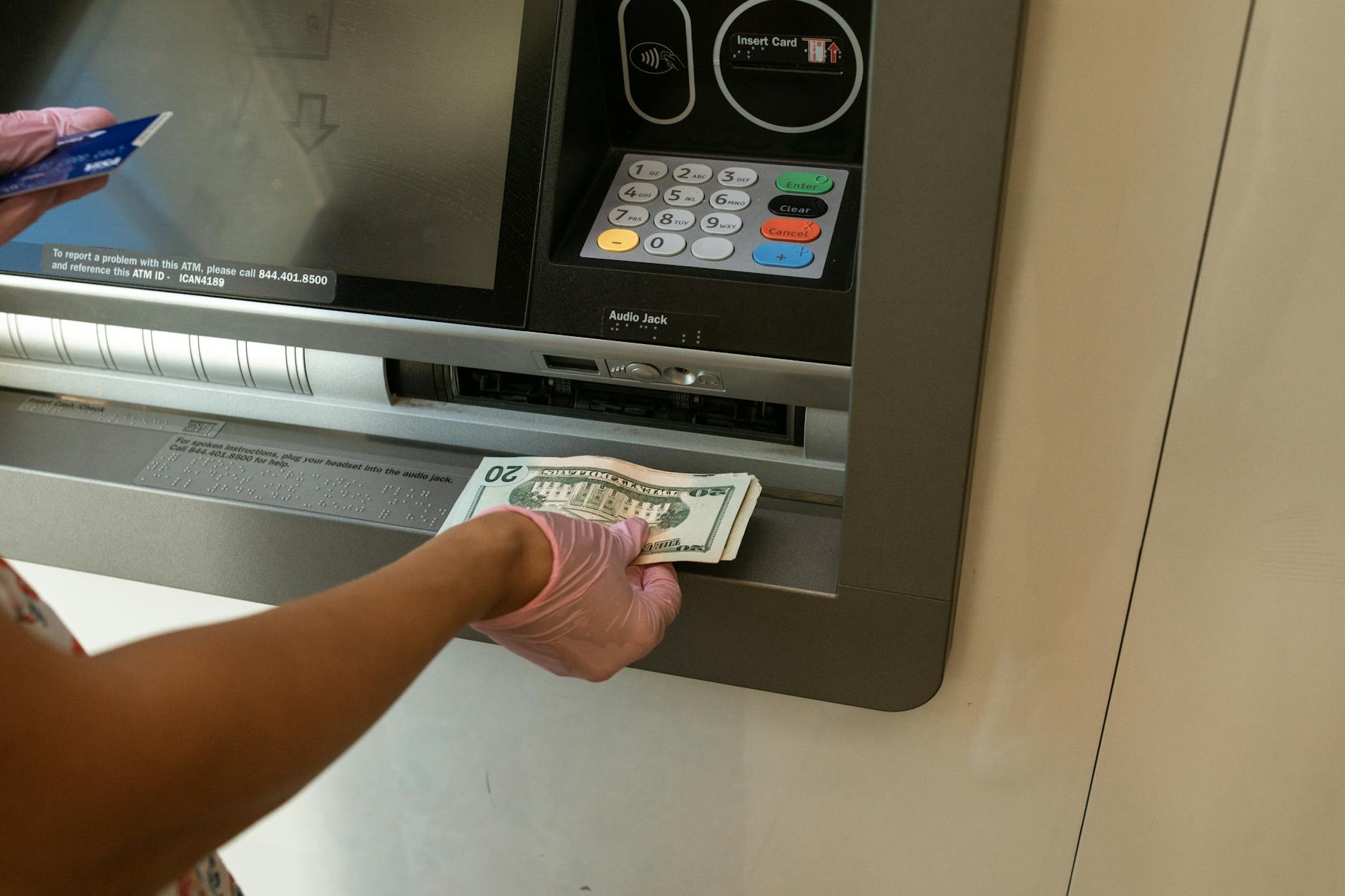
Vietnam runs on dong, but there are real situations where USD cash matters. Here is where you can actually pull USD from an ATM or bank counter.
More articles from the same category.

Forget the heavy gear. Packing for the Mekong Delta is about managing humidity, protecting your skin, and staying mobile on the water.

Wise works for sending VND to Vietnamese banks, but the process has quirks. Here's what fees to expect, which banks receive fastest, and why transfers get rejected.
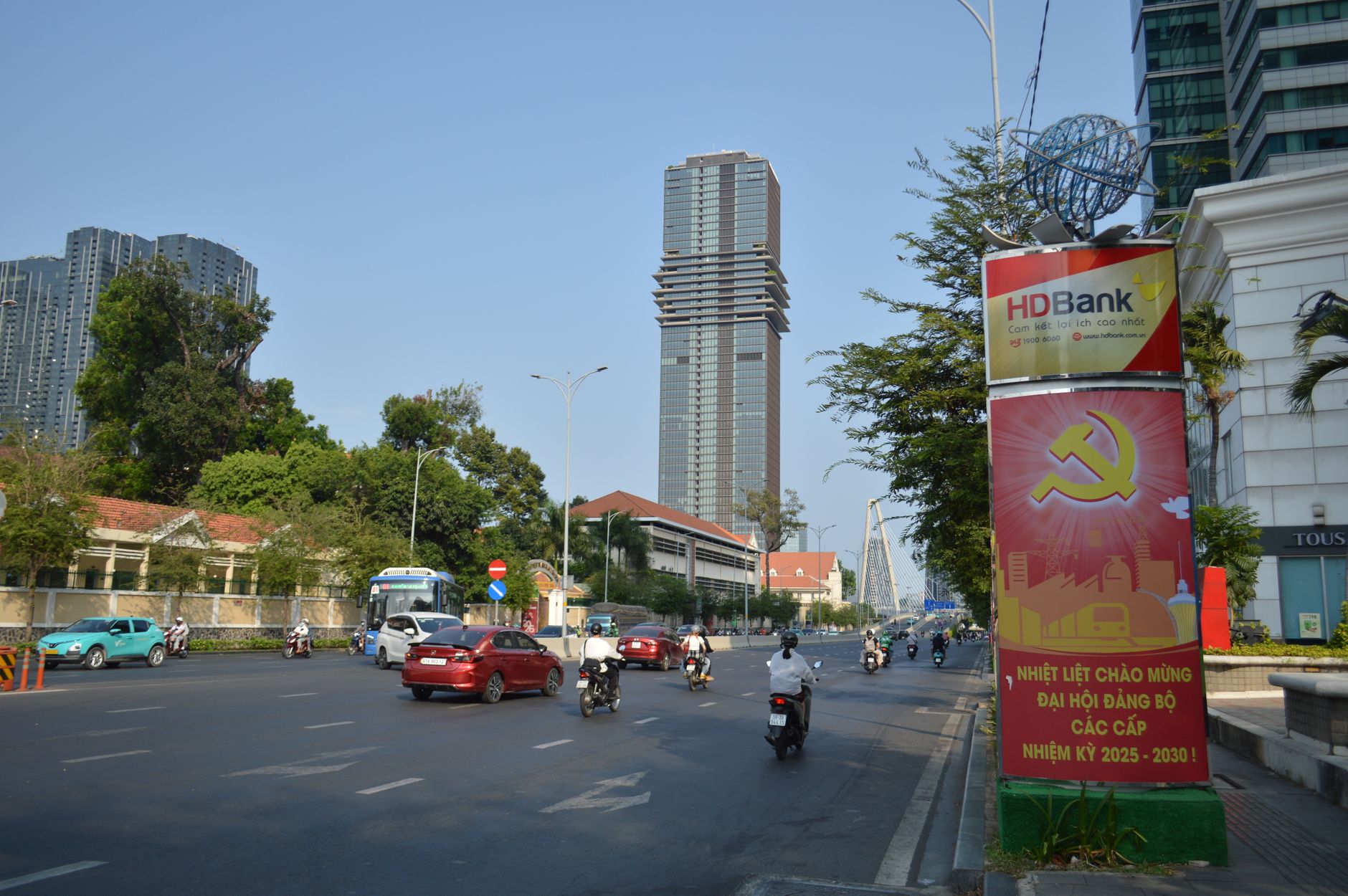
Fees, speeds, and bank coverage compared for the three most-used international transfer services into Vietnam — so you pick the right one before you send.
Forget the resort-brochure packing lists. Here is the gear you actually need for Vietnam's coast, from the sands of Da Nang to the islands of Phu Quoc.
Mastering basic time and day markers in Vietnamese will save you from missed buses and confused taxi drivers. Here is the essential cheat sheet for your trip.

Most travel insurance policies have gaps that matter specifically in Vietnam — motorbike coverage, medical evacuation, and hospital payment methods. Here is what to check before you buy.
Most travelers passing through Hanoi's Noi Bai or Saigon's Tan Son Nhat on a connecting flight don't need any visa paperwork at all. The confusion usually comes from mixing up three different situations: airside transit, landside transit, and what happens when your layover stretches past 24 hours.
If you are connecting between two international flights and you never cross into the immigration hall — meaning you stay in the international departure zone — you do not need a Vietnamese transit visa. This applies at both Noi Bai International Airport (Hanoi) and Tan Son Nhat International Airport (Saigon (사이공 / 西贡 / サイゴン)). You clear security, find your gate, and you're done. No stamp, no form, no fee.
This is the situation for the vast majority of layover passengers. Vietnam (베트남 / 越南 / ベトナム) does not have a list of nationalities that must apply for an airside transit visa the way some countries do (the UK's DATV system, for example). As long as you are not entering Vietnamese territory, no visa of any kind is required.
If your layover is long enough that you want to step outside — grab a bowl of "pho" in the Old Quarter, drink an "egg coffee" somewhere in Hanoi, or eat "com tam" near District 1 in Saigon — then you are entering Vietnam, and you need a valid visa or visa exemption to do so.
For most passport holders, the easiest route is the standard e-visa, which covers single-entry stays up to 90 days and costs USD 25. You apply at the official Immigration Department portal (xuatnhapcanh.gov.vn) and typically receive approval within three working days. The e-visa is valid at both Noi Bai and Tan Son Nhat, so it covers both main hub airports.
If your country has a bilateral visa-exemption agreement with Vietnam — citizens of Thailand, Singapore, Germany, France, Italy, Spain, the UK, and several others qualify — you can enter without any visa for stays ranging from 14 to 45 days depending on nationality. Check the current exemption list before you travel, as agreements do get updated.
Here is where things get slightly more specific. Vietnam does have a provision for what immigration officials call "transit without visa" — a short landside entry permitted for passengers transiting onward to a third country. Under this rule, eligible passengers can enter Vietnam for up to 24 hours without a standard tourist visa, provided:
In practice, this rule is inconsistently applied and not universally understood at immigration counters. Some officers will wave you through on a connecting ticket; others will ask for a visa. The safest approach: if you plan to exit the airport for any reason on a layover under 24 hours, carry your e-visa or check your visa exemption status. Relying on the transit provision without documentation is a gamble.

Photo by Angelyn Sanjorjo on Pexels
For transit purposes, the two airports operate under the same national immigration rules. That said, they feel quite different in practice.
Noi Bai (Hanoi) is larger and more spread out. International connections happen in Terminal 2; domestic flights use Terminal 1, which is a separate building connected by a free shuttle bus. If your onward flight is domestic — say, continuing to Da Nang, Hue, or Da Lat — you will need to clear immigration and re-check in. That means you need a visa or exemption regardless of your total time in the country.
Tan Son Nhat (Saigon) has international and domestic terminals in closer proximity, but the same rule applies: any domestic connection requires an immigration stamp, which requires valid entry authorization.
This catches people off guard more than anything else. You fly into Hanoi from overseas, then catch a connecting domestic flight to Phu Quoc or Ninh Binh for the next leg of your trip. Even if your total time in Vietnam is just two hours on the ground, you have entered the country. You need a visa or an exemption. There is no workaround here.
Plan accordingly: apply for the e-visa before you leave home. It is cheap, it is fast, and it removes all ambiguity.
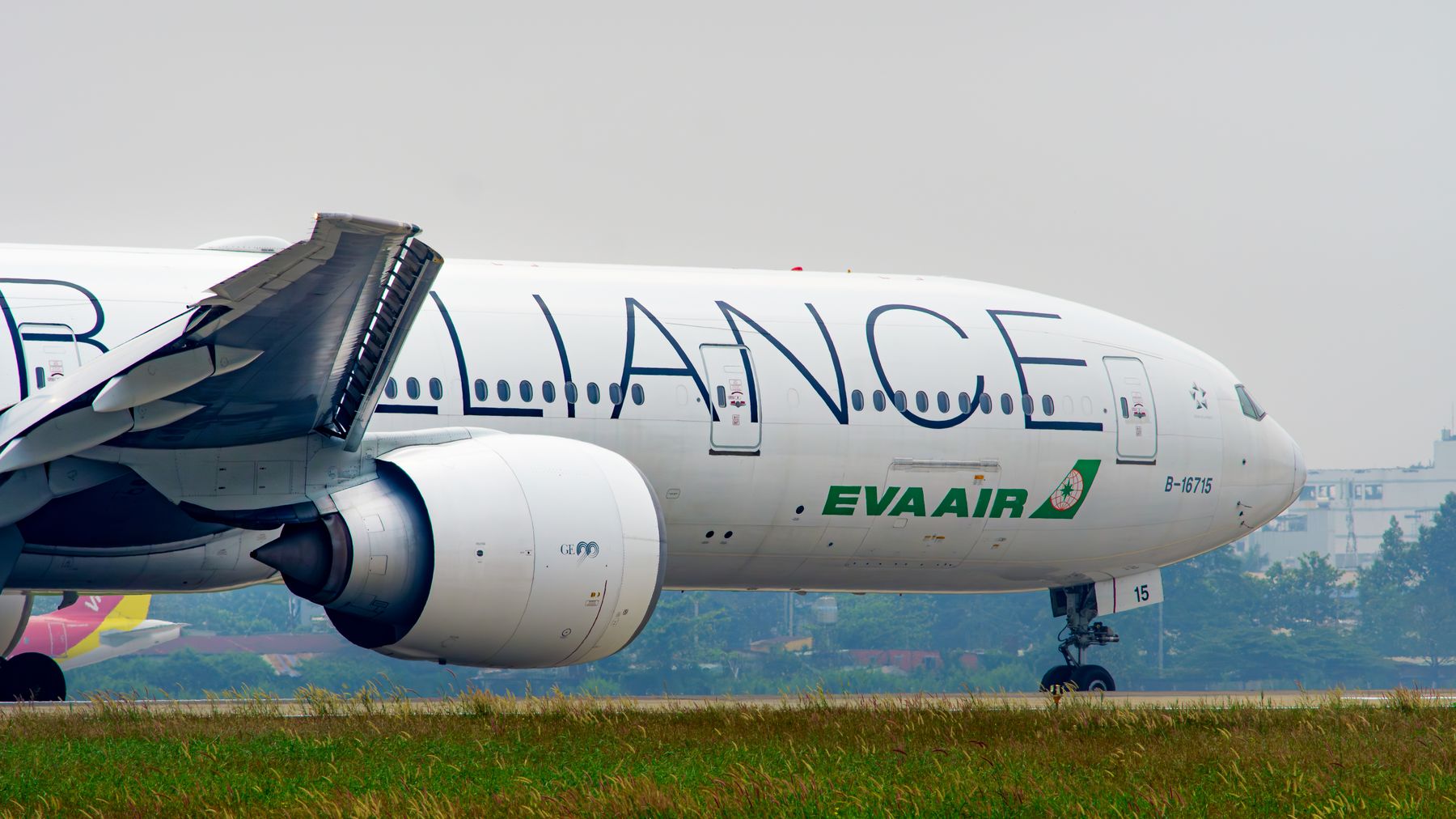
Photo by Pexels User on Pexels
Visa on arrival through a pre-approved letter from an agency still exists but is largely redundant now that the e-visa covers most nationalities and is issued directly by the government. Avoid third-party sites charging inflated fees for e-visa "assistance" — the official portal is straightforward and the USD 25 government fee is the only cost you should pay.
If you are staying airside on an international-to-international connection at Hanoi or Saigon, you need nothing. If you are exiting the airport for any reason — even for a few hours — get your e-visa sorted before you fly. And if your Vietnam stop connects to a domestic flight, treat it as a full entry regardless of how brief it feels on the itinerary.