— HẾT —
Cập nhật lần cuối · May 27, 2026 · nghiên cứu độc lập, không tài trợ.
We use minimal analytics + ads (no personal tracking). See our privacy policy.
Splitting the bill evenly is almost unheard of at a Vietnamese table. Here's how payment actually works — and how to read the room as a foreigner.

Cập nhật lần cuối · May 27, 2026 · nghiên cứu độc lập, không tài trợ.
Bài viết khác trong vùng này.

Vietnam's wellness scene has matured fast. Here's how to spend 7 days across four retreats — Hoi An, Da Lat, Phu Quoc, and Mai Chau — depending on your pace and budget.

…
Hotels, homestays, hostels — strongest inventory in Vietnam.
Locals live on Zalo, tourists default to WhatsApp — here's why that gap matters and how to bridge it before your trip.

Thousands of foreigners teach English or freelance in Vietnam on tourist visas. Here is what Vietnamese law actually says, when it gets enforced, and how to do it properly.
More articles from the same category.
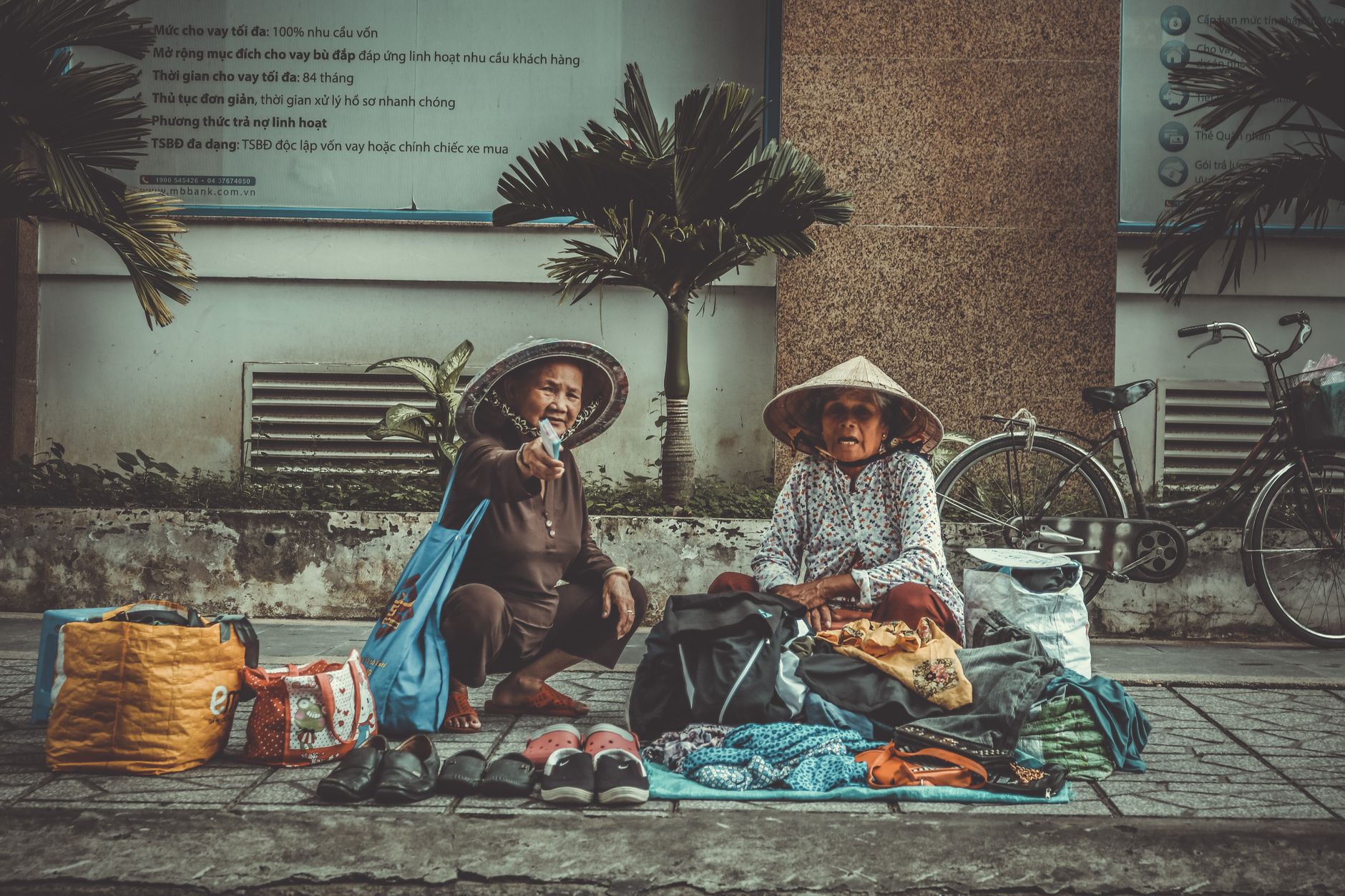
Forget the heavy gear. Packing for the Mekong Delta is about managing humidity, protecting your skin, and staying mobile on the water.

Winter in the north is damp, grey, and surprisingly chilly. Forget the tropical gear and pack for layering to survive the humidity.
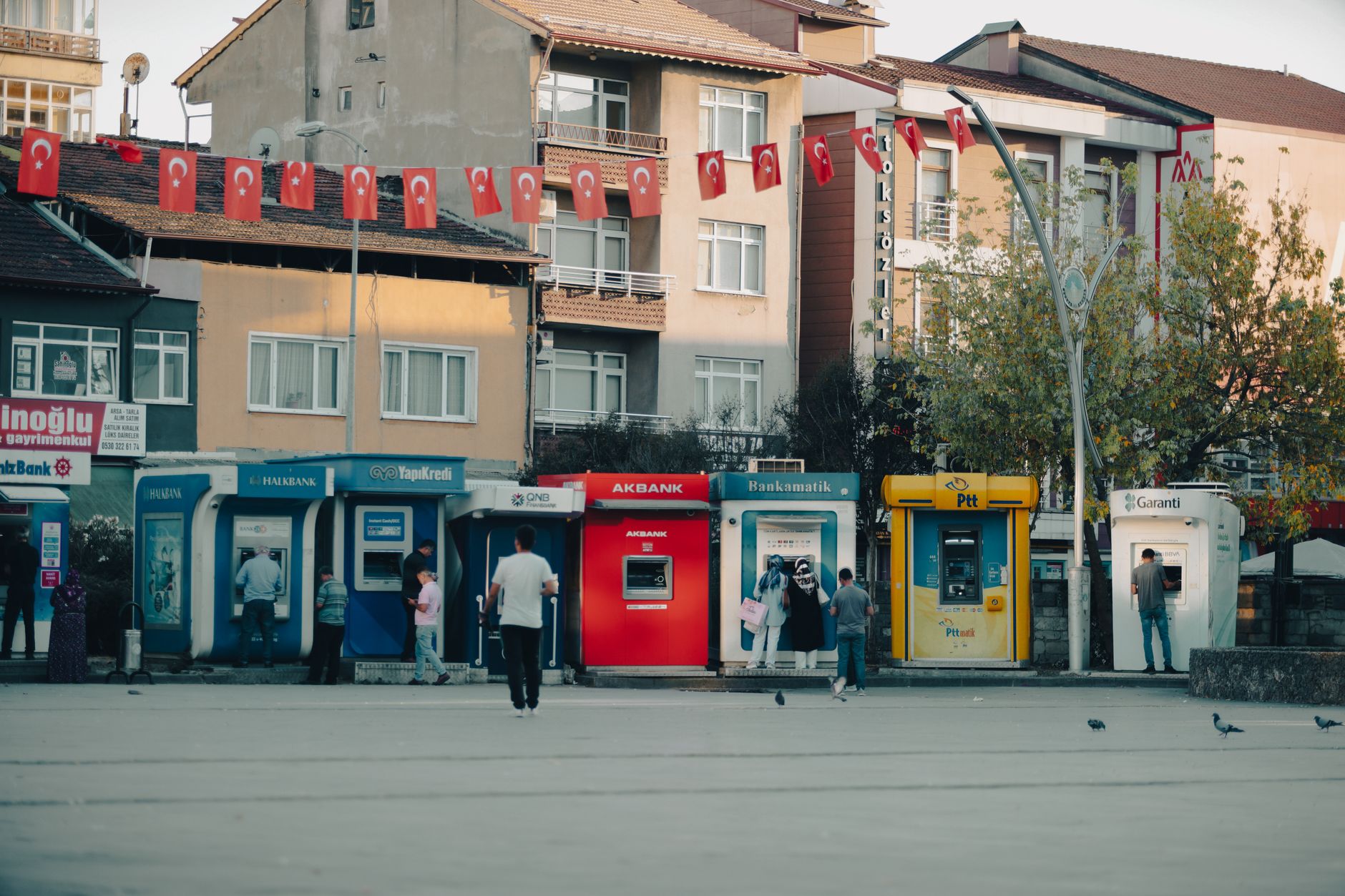
The Wise debit card works well in Vietnam if you know the fee structure. Here's how to use it at ATMs and merchants without losing money on bad rates.
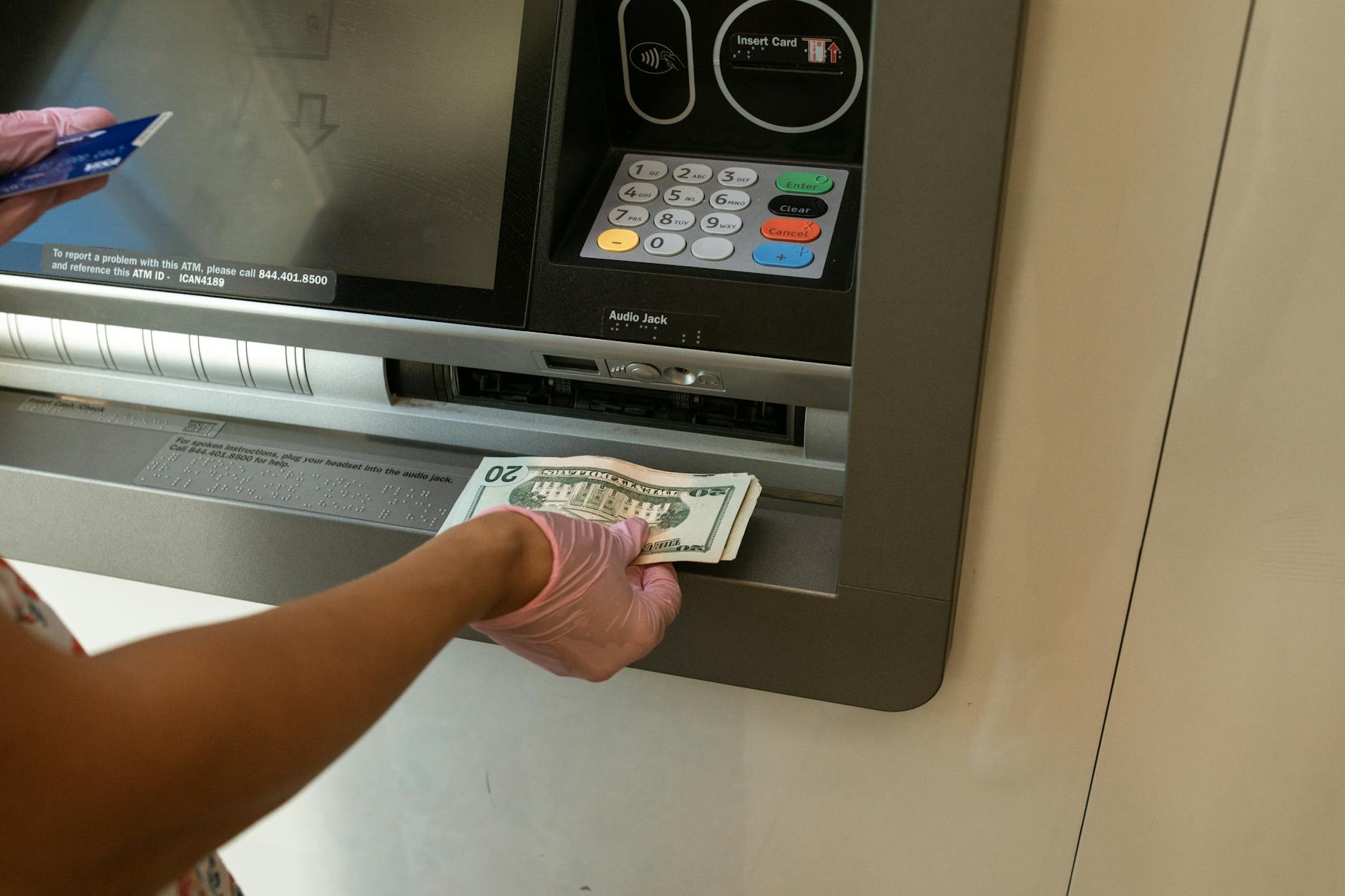
Vietnam runs on dong, but there are real situations where USD cash matters. Here is where you can actually pull USD from an ATM or bank counter.

Wise works for sending VND to Vietnamese banks, but the process has quirks. Here's what fees to expect, which banks receive fastest, and why transfers get rejected.
Fees, speeds, and bank coverage compared for the three most-used international transfer services into Vietnam — so you pick the right one before you send.
Eating out in Vietnam (베트남 / 越南 / ベトナム) is a social act, and how the bill gets settled is as loaded with meaning as what you ordered. Get it wrong and nobody will say anything — but they'll notice.
The concept of splitting a restaurant bill down the middle — or using an app to divide it by item — is genuinely foreign to most Vietnamese dining culture. You won't see a group of friends asking the server to run four separate cards. That's not how tables here work.
Instead, someone pays. The whole thing. And everyone knows who that someone will be before the food even arrives.
This is called "bao" (treating), and it runs on a rotating, relationship-based logic. One person picks up the tab this time; someone else gets it next time. It's informal, rarely discussed aloud, and generally functions on trust built over years of shared meals. Among close friends in Hanoi or Saigon, this rotation can go back a decade without anyone keeping a written record.
When the group is mixed in terms of age, seniority, or professional rank, the rule sharpens considerably: the eldest or most senior person at the table pays. This applies to family dinners, work lunches, and social gatherings alike.
In a business context — say, a lunch meeting in a Da Nang office district or a dinner in a Hue restaurant — the host pays. Always. If you invited someone, you pay. Trying to split or contribute can read as an insult, as if you're questioning their ability or willingness to host properly.
At family meals, the same hierarchy applies. A younger sibling fighting for the bill is a gesture of respect; actually winning that fight is not always welcome. The elder taking the bill is partly about face — theirs — not just generosity.
You will see this: the bill arrives, and suddenly everyone at the table is reaching for it. Multiple hands, some protest, maybe a brief verbal exchange. This is not theater for your benefit — it's a real social ritual. The reaching matters even when the outcome is predetermined.
If you're a guest, reach anyway. Insist once, maybe twice. Then gracefully let the host win. Sitting back without making the gesture looks like you assumed someone else would cover it, which is worse.
If you're the most senior person and you want to pay, act quickly. Pick up the bill before the reaching starts, or quietly tell the server when you order that you'll be handling it. Many experienced diners settle the bill during a bathroom break so the argument never begins.

Photo by Tuan Vy on Pexels
As a foreigner, you exist in a slightly different category. Vietnamese hosts — whether a local friend, a business contact, or a family you've been introduced to — will often insist on paying when you're the guest. This is genuine hospitality, not performance.
Accepting gracefully is fine. Refusing too forcefully creates discomfort. A firm but warm "Thank you, next time is on me" lands better than wrestling over the bill.
That said, if you've been someone's guest multiple times — a colleague who keeps taking you to lunch, a friend who's shown you around Hoi An for a weekend — the expectation exists that you'll reciprocate eventually. Offer to host a meal. Pick a restaurant, invite them, and pay without discussion. That closes the loop.
Where it gets complicated: group tours or casual meetups where you've just met people. In those situations, the foreign-guest assumption sometimes means locals expect you to pay, especially if there's a perceived income gap. This isn't malicious — it's a logical extension of the same seniority logic applied to economic status. You're welcome to push back gently, but pick your moments.
It does happen, just not at most tables. Among younger Vietnamese in their 20s, especially in urban settings like Saigon (사이공 / 西贡 / サイゴン)'s District 1 or Hanoi's Tay Ho neighborhood, splitting is more common — particularly among close friends of the same age who eat together constantly and have no interest in running a complex mental tab. Some will use payment apps. Some will just calculate it out loud.
If you're dining with this crowd and suggest splitting, read their reaction. If they look relieved, go for it. If there's a pause, someone at the table probably had seniority in mind already.
At street food spots — a plastic-stool "bun cha" lunch on a Hanoi side street, or "ca phe sua da" at a pavement cafe — the stakes are low enough that splitting is easy and barely registers. We're talking 40,000–80,000 VND per person. Nobody's keeping score.
Photo by HONG SON on Pexels
Ask for the bill by catching the server's eye and doing a small writing gesture — don't shout across the room. At smaller local restaurants, especially outside tourist centers, the server may bring a handwritten slip rather than a printed receipt; check it, but don't make a scene over small discrepancies. Tipping is not mandatory in Vietnam the way it is elsewhere, but rounding up or leaving 10,000–20,000 VND at a sit-down meal is appreciated. Service charges at upscale restaurants are sometimes already included — check for "phuc vu phi" on the bill before you add more.
Bill-splitting at a Vietnamese table isn't rude — it just signals that you're not really in the loop yet. The more you eat with the same people, the more the rhythm of treating and being treated becomes natural. Pay attention to who reaches first, offer when you should, and accept when you're meant to. The food's better when you're not overthinking the math anyway.