— HẾT —
Cập nhật lần cuối · May 29, 2026 · nghiên cứu độc lập, không tài trợ.
We use minimal analytics + ads (no personal tracking). See our privacy policy.
Each year on the 16th and 17th of the 8th lunar month, Vung Tau's fishing community gathers for Le Hoi Ngu Ong — a two-day ritual honoring the whale as protector of sailors.

Cập nhật lần cuối · May 29, 2026 · nghiên cứu độc lập, không tài trợ.
Bài viết khác về thành phố này.
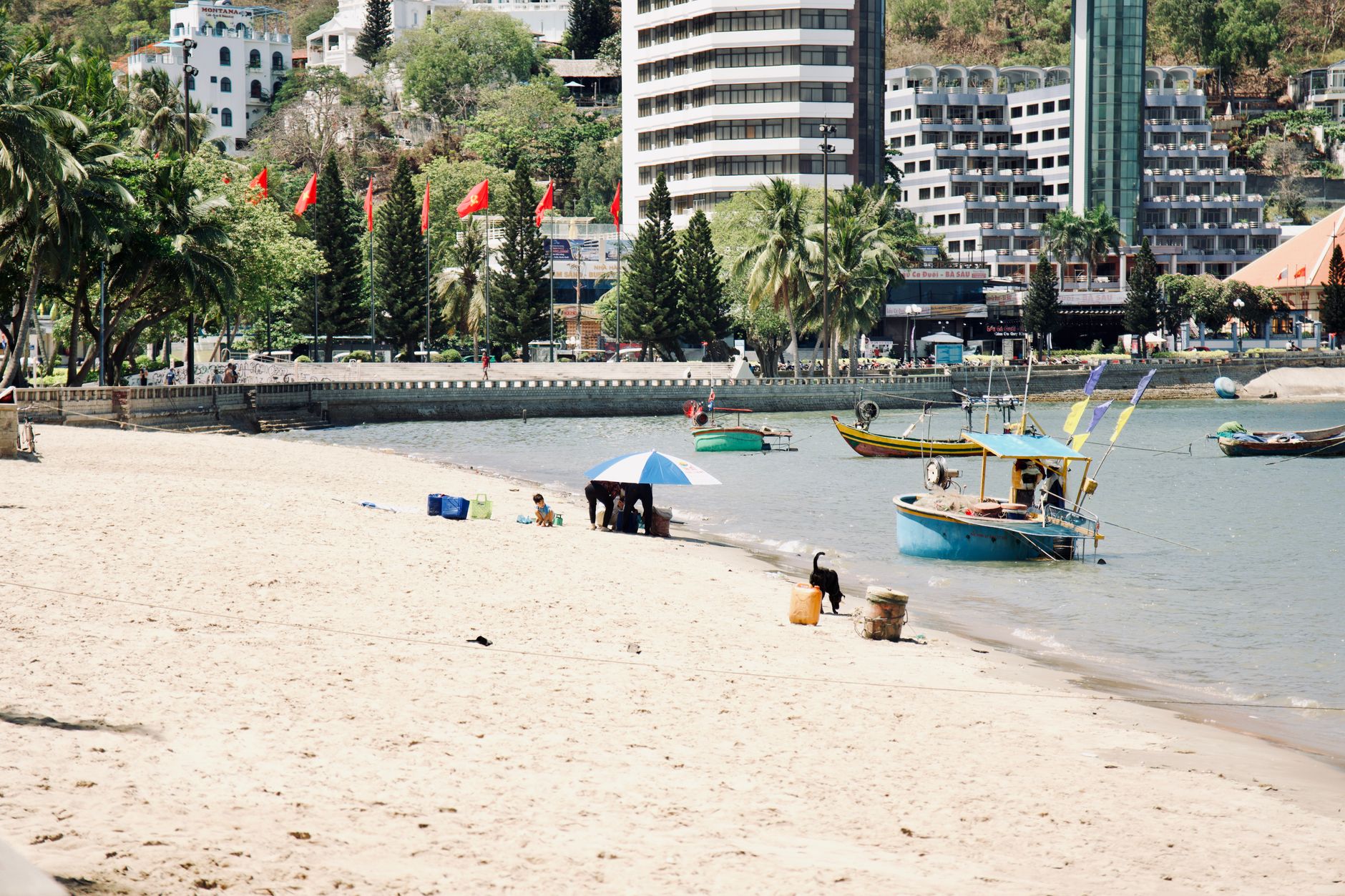
Vung Tau is Saigon's pressure-release valve — two hours by ferry, a long beach, and one of the south's best street-food scenes. Here's how to do it in 48 hours.
…
Hotels, homestays, hostels — strongest inventory in Vietnam.
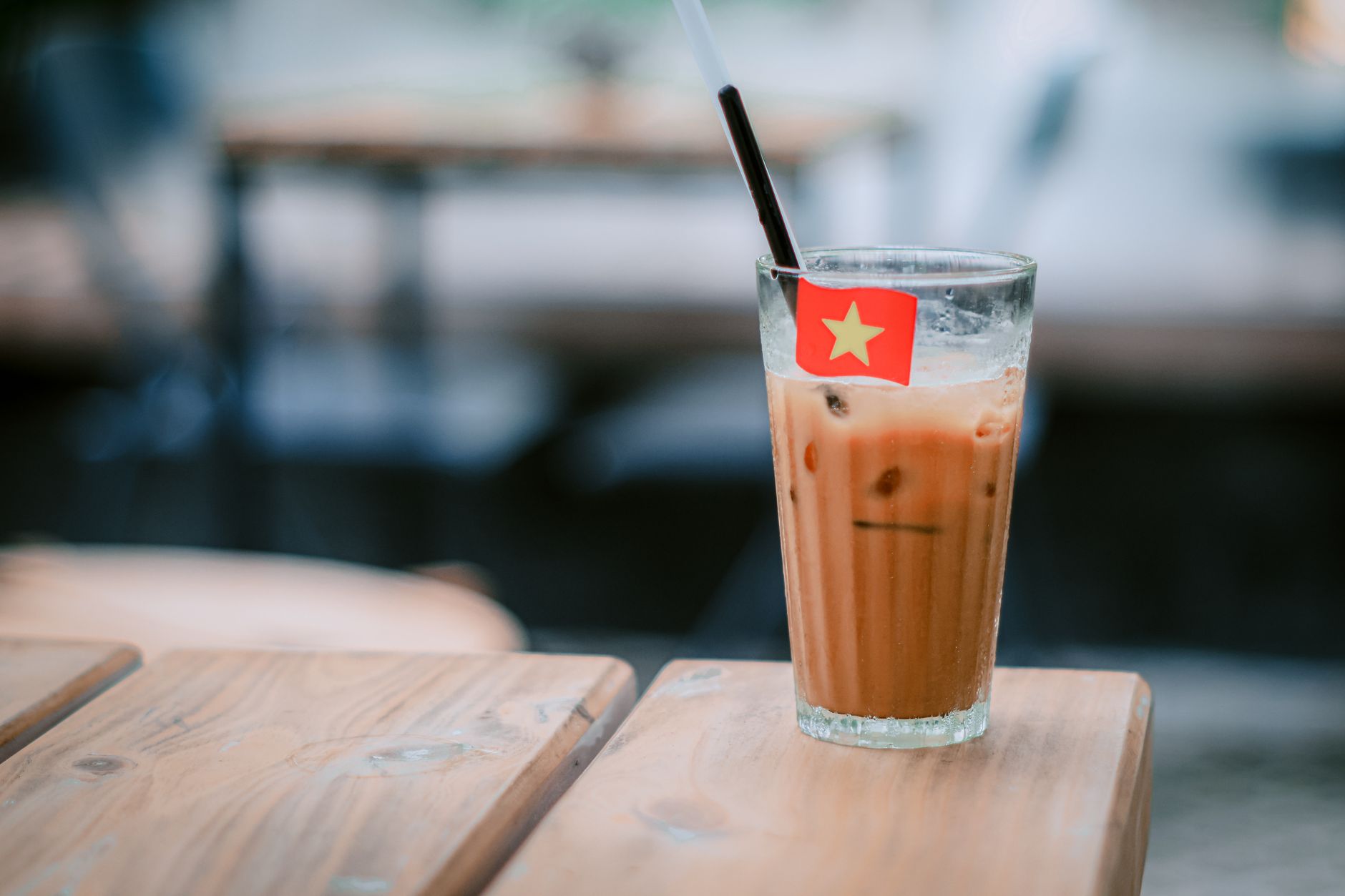
Vung Tau coffee is defined by the sea breeze and a specific, heavy-handed approach to the roast. Here is where to find the best glasses in town.

Vung Tau is more than just a weekend escape from Saigon; it is home to a specific style of seafood-forward noodle soup and the city's iconic crispy mini-pancakes.
Bài viết khác trong vùng này.
Forget the heavy gear. Packing for the Mekong Delta is about managing humidity, protecting your skin, and staying mobile on the water.
Skip the mega-resort bubble and head south to the An Thoi archipelago. This independent day-trip route covers speedboat logistics, quiet snorkeling spots, and local seafood.

Ditch the crowded tourist loops of the Mekong Delta for Tri Ton, a quiet district of emerald palmyra fields, sacred Khmer pagodas, and incredible street food.
More articles from the same category.
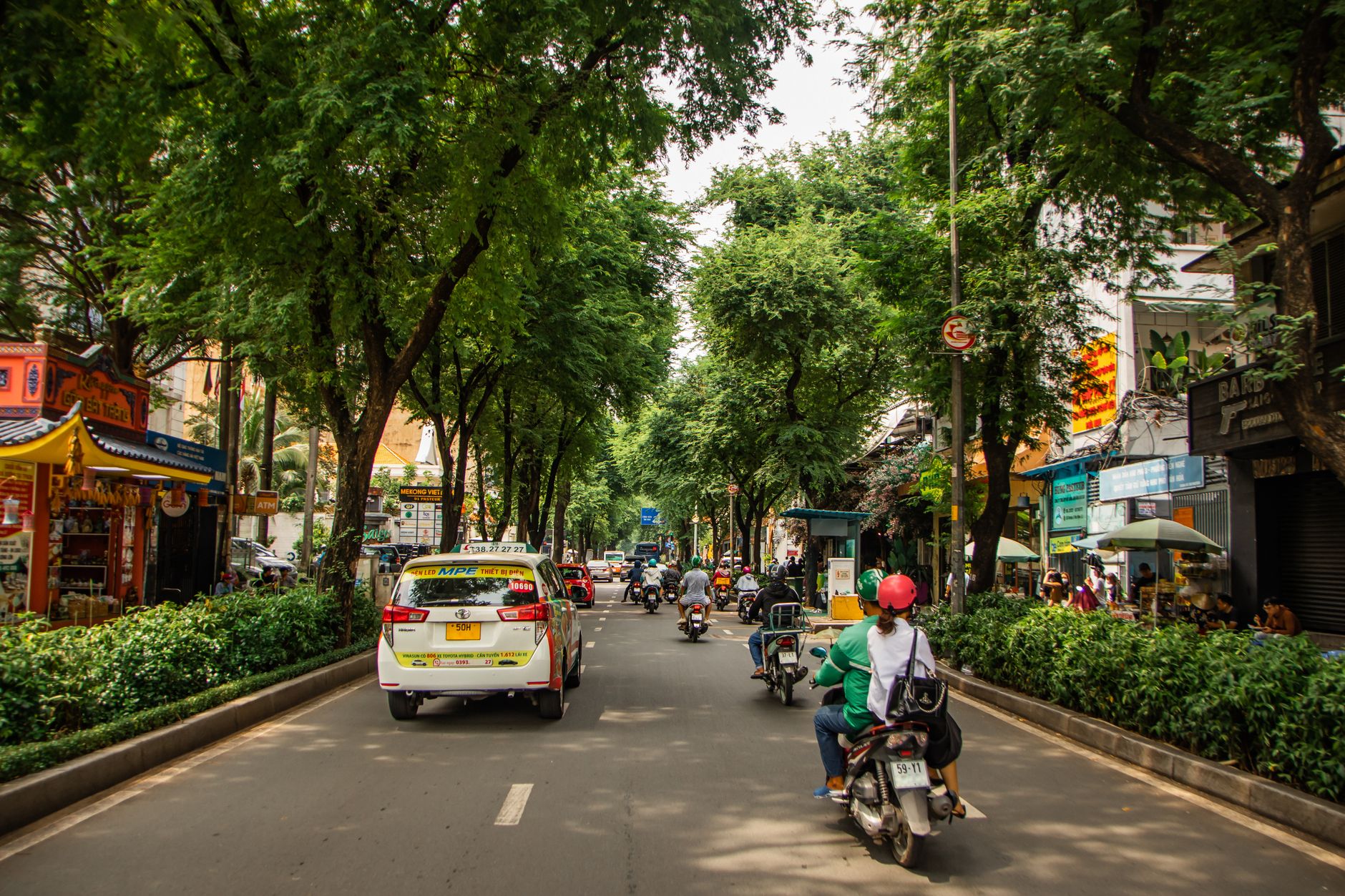
Vingroup's electric taxi fleet has reshaped ride-hailing in Vietnam's cities. Here's how Xanh SM stacks up against Grab and Be on price, comfort, and coverage.
The Wise debit card works well in Vietnam if you set it up right. Here's how to avoid fees, use the VND balance, and when it beats alternatives.

Locals live on Zalo, tourists default to WhatsApp — here's why that gap matters and how to bridge it before your trip.

Winter in the north is damp, grey, and surprisingly chilly. Forget the tropical gear and pack for layering to survive the humidity.

Thousands of foreigners teach English or freelance in Vietnam on tourist visas. Here is what Vietnamese law actually says, when it gets enforced, and how to do it properly.
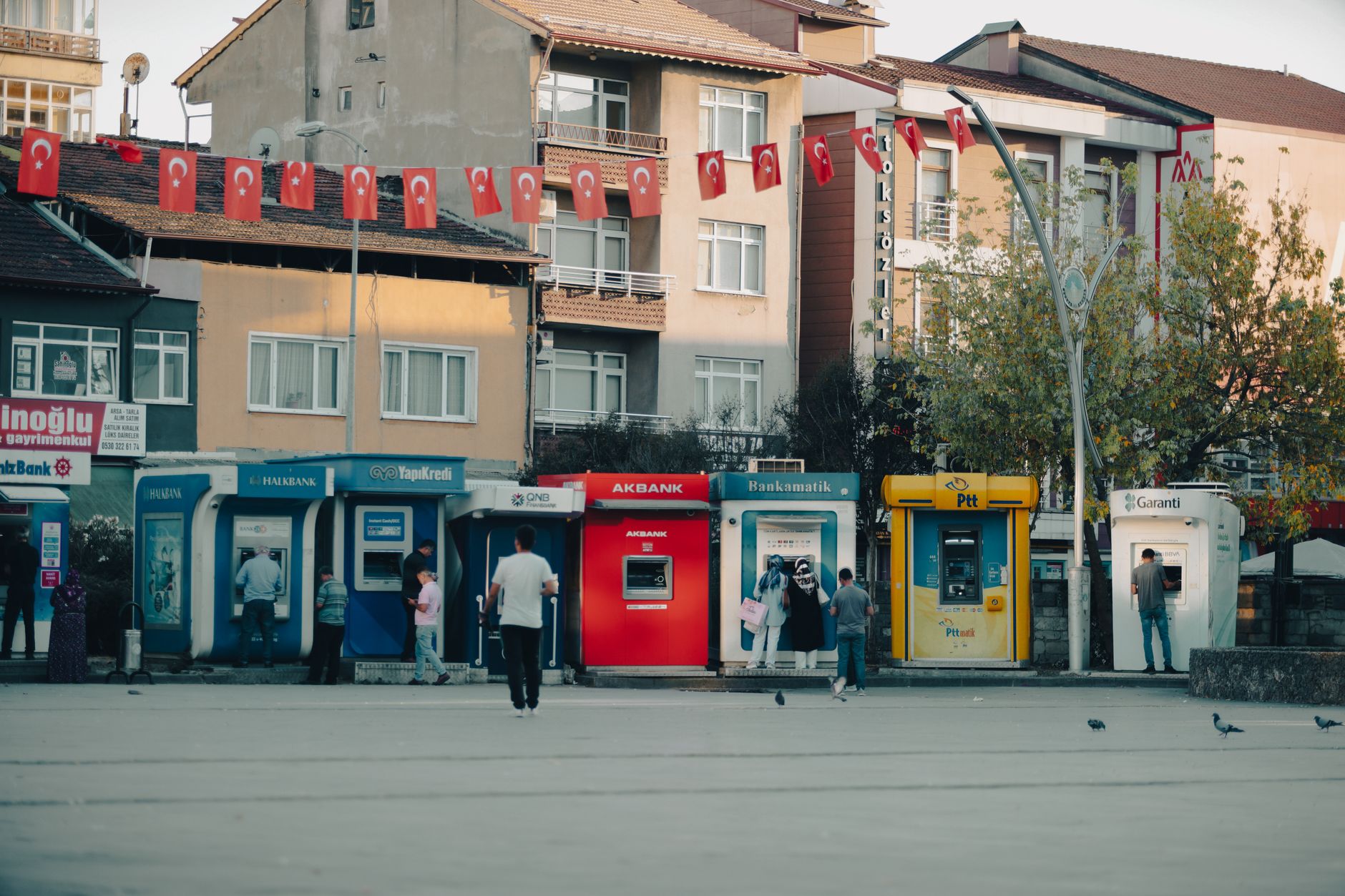
The Wise debit card works well in Vietnam if you know the fee structure. Here's how to use it at ATMs and merchants without losing money on bad rates.
Vung Tau is easy to read as a weekend beach escape from Saigon — grilled seafood, sunburnt tourists, motorbikes queuing for the ferry. But come the 16th and 17th days of the 8th lunar month (usually October in the Gregorian calendar), the city's fishing quarters operate on a completely different frequency. This is "Le Hoi Ngu Ong" — the Whale Festival — and it belongs to the people who actually make their living on the water.
The cult of the whale — "ca Ong" in Vietnamese, literally "Lord Fish" — runs deep along Vietnam's southern coast. Fishing communities from Vung Tau down through the Mekong Delta (메콩 델타 / 湄公河三角洲 / メコンデルタ) have venerated whales for centuries, believing that a whale that swims close to a boat, or that beaches itself near a village, is acting as a divine protector rather than simply dying. When a whale washes ashore, the community performs a full burial ceremony. After three years, the bones are exhumed, cleaned, and enshrined in a "lang ca Ong" — a whale temple.
Vung Tau (붕따우 / 头顿 / ブンタウ)'s primary temple for this is the Lang Ca Ong on Hoang Hoa Tham Street in the Thang Tam fishing village area, just a few kilometers from the main tourist drag near the Back Beach. The temple holds real whale skeletons — some stretching five or six meters — laid out in lacquered cases inside the main hall. It's genuinely arresting, and nothing like the sanitized cultural displays you find at larger heritage sites.
The festival marks the anniversary of the temple and doubles as a collective prayer for calm seas, good catches, and the safety of fishermen who will spend the next season offshore.
The first day opens with a formal procession through the Thang Tam neighborhood. Fishing boat owners, community elders, and representatives of local fishing cooperatives move through the streets carrying incense, lacquered offerings, and ceremonial palanquins. The atmosphere is purposeful rather than performative — this is not staged for tourists, which is exactly what makes it worth attending.
At the temple, priests conduct "le ruoc" (the welcoming rite), inviting the spirit of ca Ong to preside over the festival. Offerings include whole roasted pigs, sticky rice, fruit, and rice wine. The smell of incense thickens the air around the temple gate from early morning.
By afternoon, lion and dragon dance troupes work the temple courtyard. The drumming is loud, constant, and completely absorbing if you let yourself stop checking your phone.
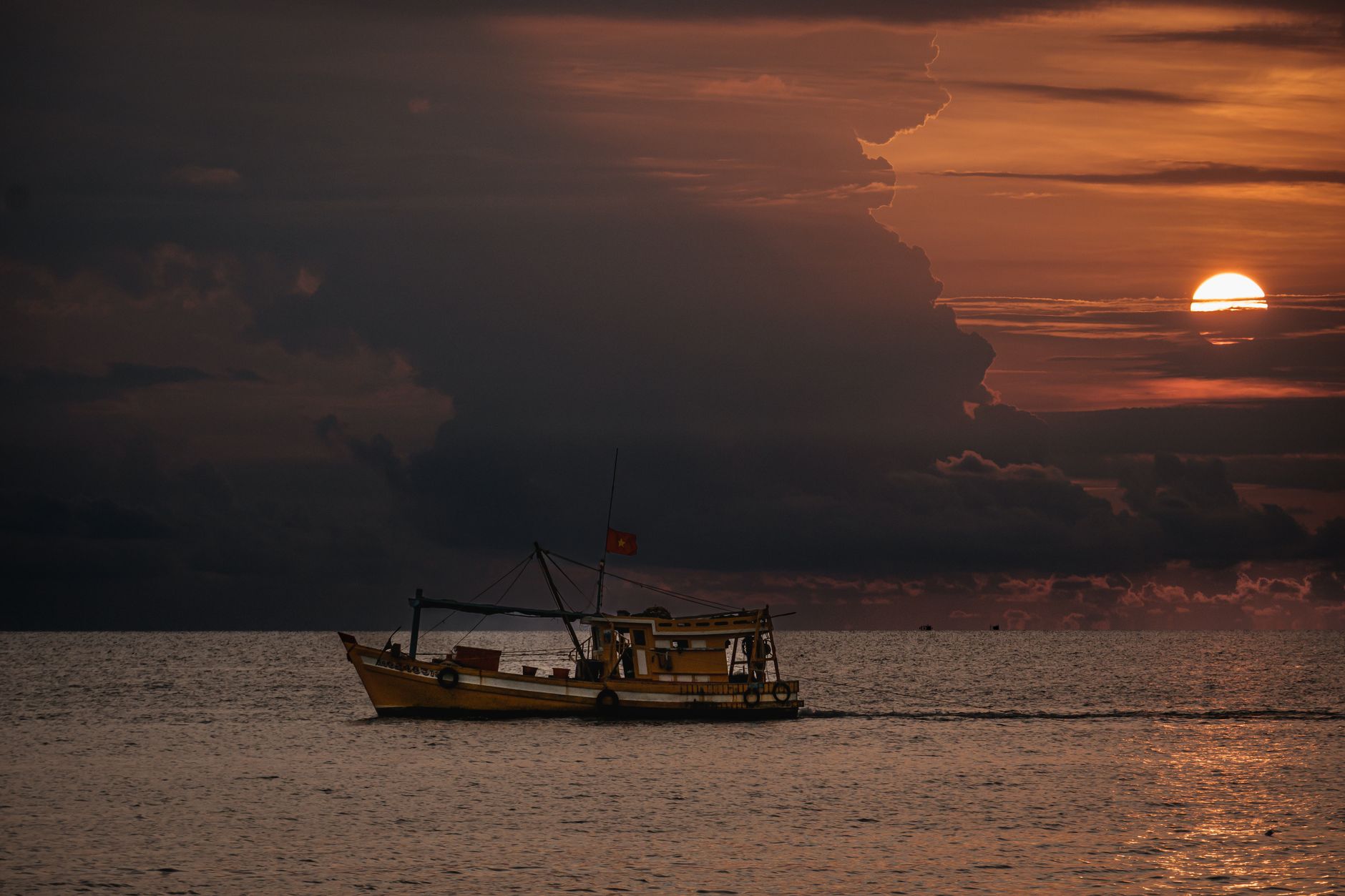
This is the visual centerpiece. Decorated fishing boats — rigged with flags, flowers, and paper lanterns — move in convoy along the Vung Tau waterfront. Crews dress in traditional clothing. A ceremonial boat carrying the whale spirit tablet leads the procession.
The boat procession usually begins mid-morning and is best viewed from the piers near the fishing port on the northern side of the peninsula, roughly 2 km from the central Back Beach area. Arriving by 8 a.m. puts you ahead of the crowd and gives you a clear sightline before the local TV cameras set up.
Evening of the second day brings "hat boi" — classical southern Vietnamese opera performed on a temporary stage outside the temple. The performances run late, often past 10 p.m., and are free to attend. Even without following the narrative, the elaborate costumes and stylized movement are worth an hour of your time.

Photo by HONG SON on Pexels
The temple and courtyard are open to outsiders throughout the festival. There's no entry fee. The main thing to observe is basic temple etiquette: dress modestly (shoulders and knees covered), remove shoes before the inner sanctum, don't photograph the whale bones with flash or handle anything on the altar.
Offerings happen continuously at the main altar. If you want to participate, small incense bundles are sold by vendors outside the gate for around 10,000–20,000 VND. No one will turn you away or make you feel out of place for joining respectfully.
Food stalls cluster around the temple perimeter for both days — this is a good spot to try "banh canh" (thick noodle soup with seafood), fresh "goi cuon" rolls stuffed with shrimp, and grilled squid sold by weight. Expect to spend 50,000–80,000 VND for a solid meal from the stalls.
Photo by HONG SON on Pexels
Vung Tau is 125 km from Saigon by road, or about 80 minutes by high-speed ferry from Bach Dang Wharf. The ferry option is far more pleasant than sitting in expressway traffic. Ferries run several times daily and cost around 250,000–300,000 VND one way.
The lunar date shifts each Gregorian year — check a Vietnamese lunar calendar converter before you book. In 2024, the 16th of the 8th lunar month falls in mid-October. Booking accommodation two to three weeks out is sensible; Vung Tau hotels fill up on festival weekends because this also coincides with Vietnamese domestic travel season post-summer.
Lang Ca Ong temple is on Hoang Hoa Tham Street in the Thang Tam ward — any local on a motorbike taxi will know it. The festival draws primarily Vietnamese visitors from the wider Ba Ria-Vung Tau province and Saigon, so English signage is minimal; bring Google Translate for written content inside the temple. The two days are a public cultural event, not a restricted ceremony, but treat the space as a working place of worship rather than a photo backdrop.