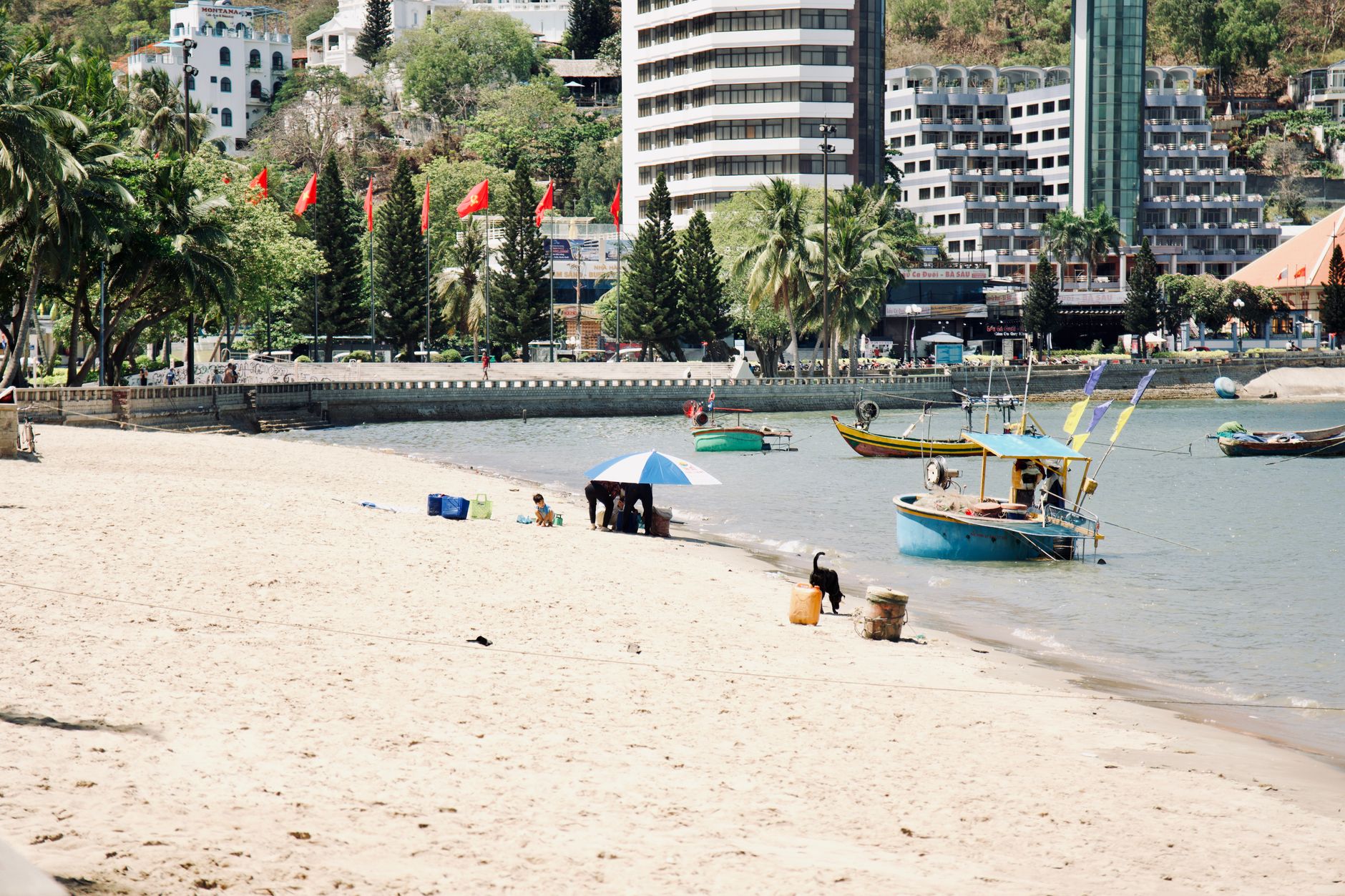
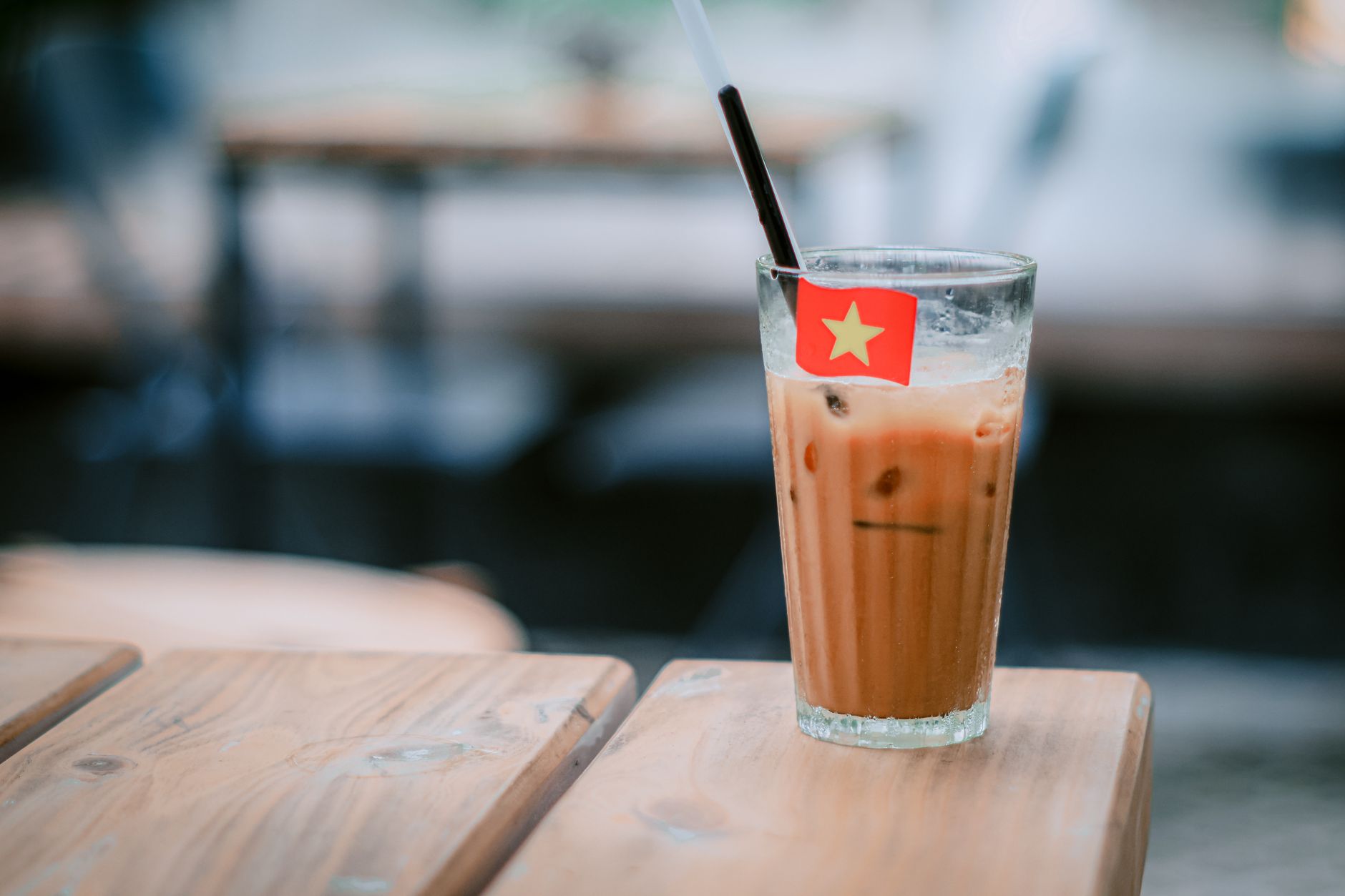
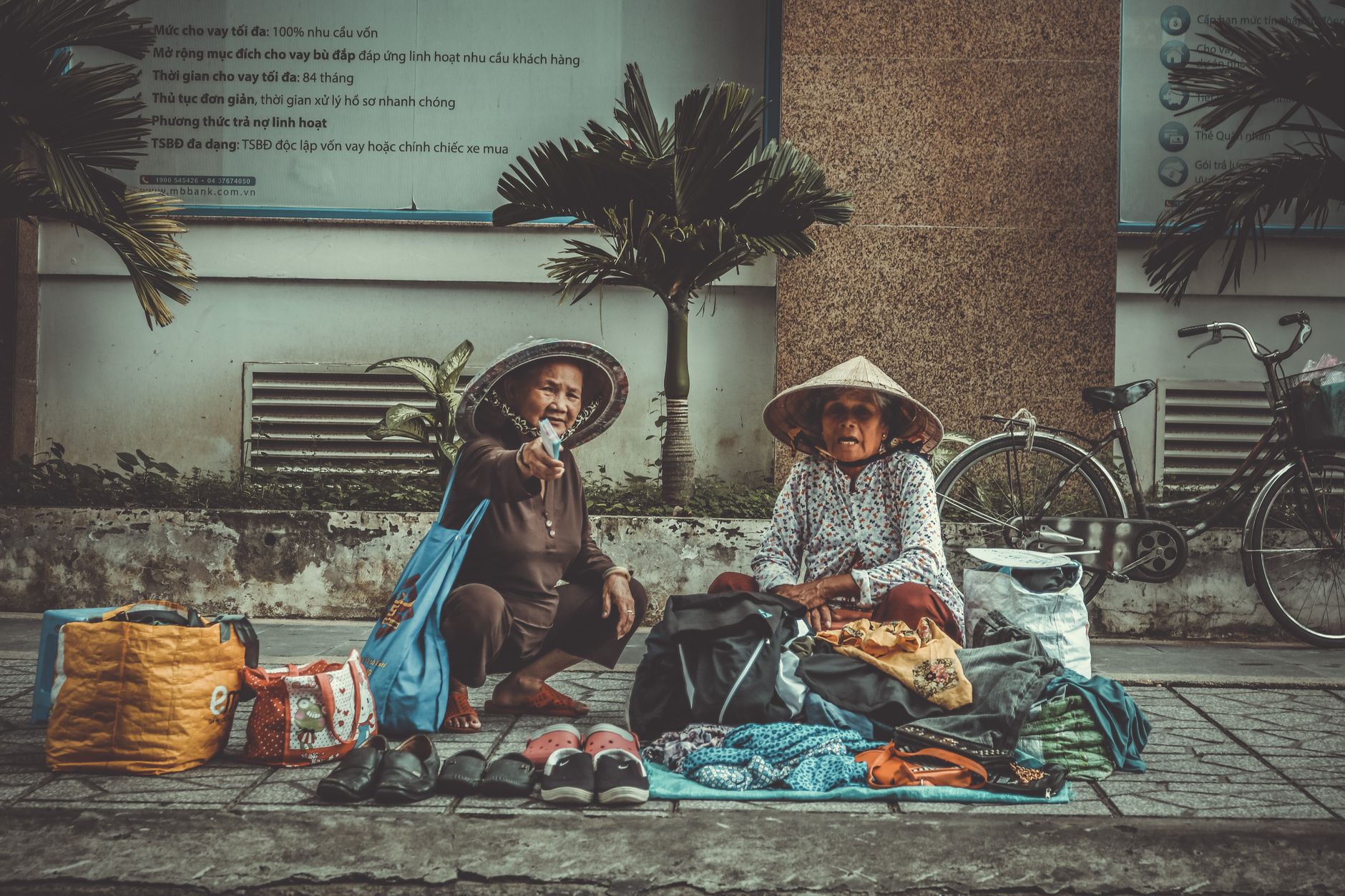
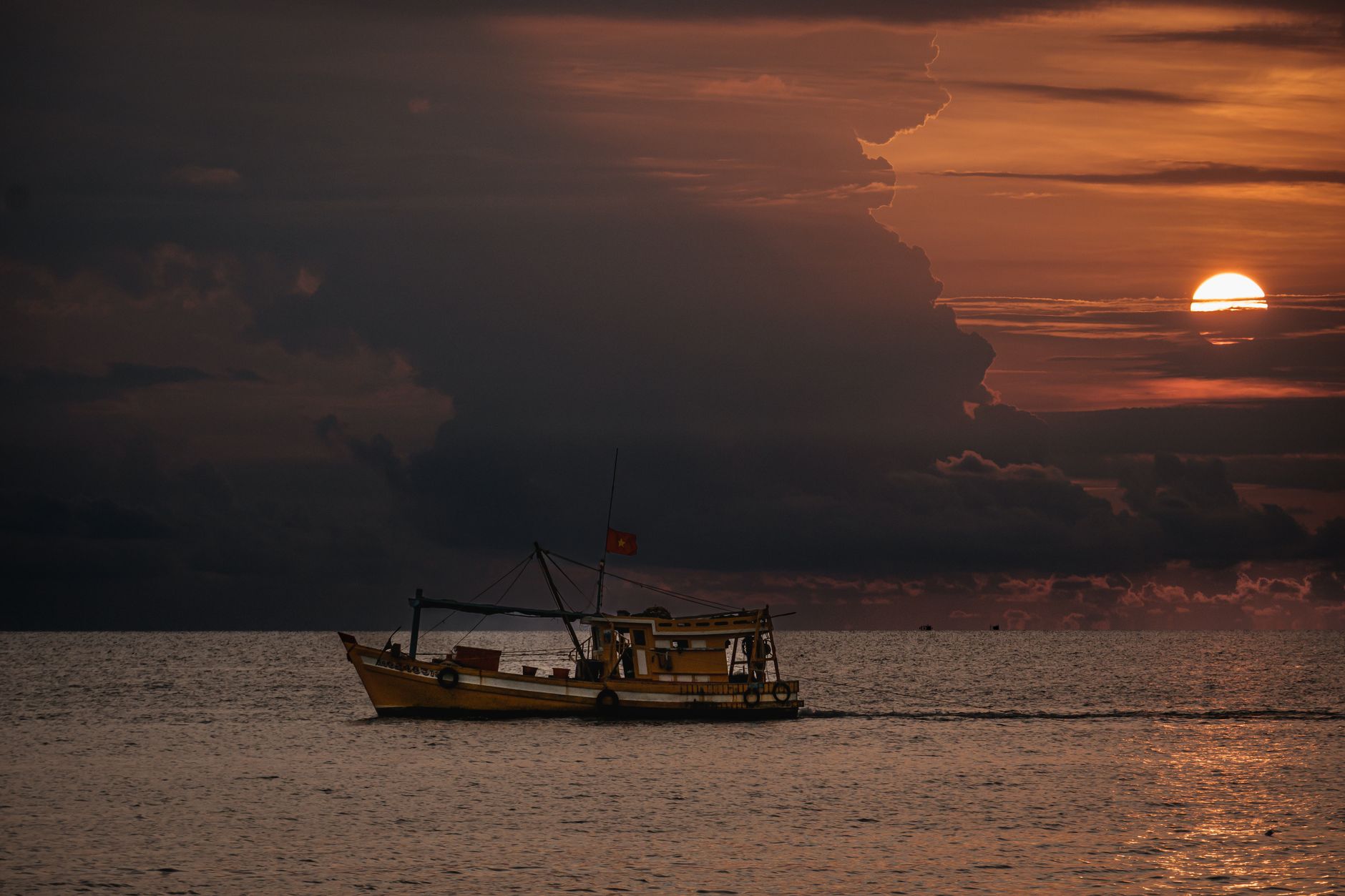
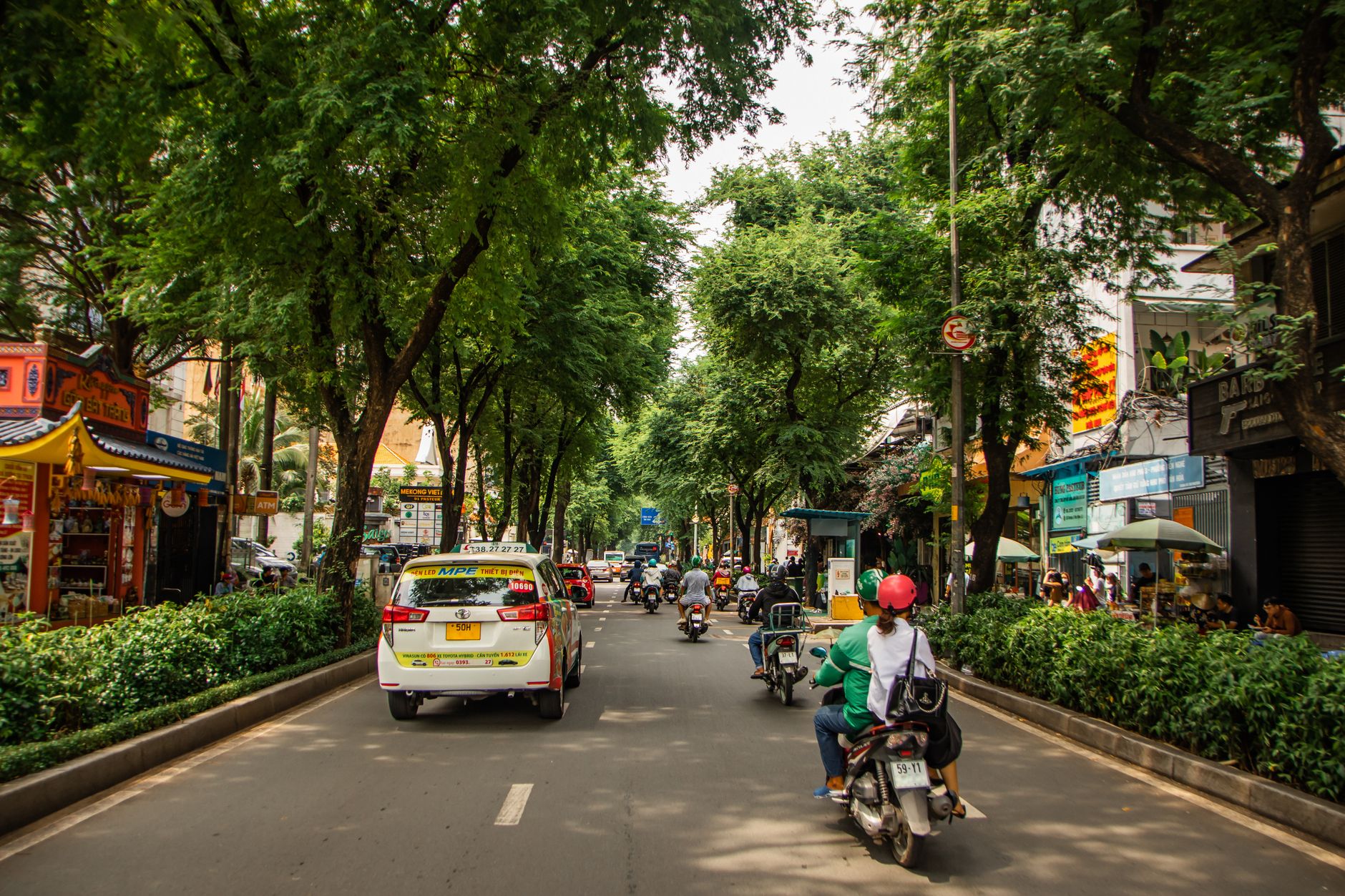
Vung Tau is easy to read as a weekend beach escape from Saigon — grilled seafood, sunburnt tourists, motorbikes queuing for the ferry. But come the 16th and 17th days of the 8th lunar month (usually October in the Gregorian calendar), the city's fishing quarters operate on a completely different frequency. This is "Le Hoi Ngu Ong" — the Whale Festival — and it belongs to the people who actually make their living on the water.
What the Festival Is Actually About
The cult of the whale — "ca Ong" in Vietnamese, literally "Lord Fish" — runs deep along Vietnam's southern coast. Fishing communities from Vung Tau down through the Mekong Delta (메콩 델타 / 湄公河三角洲 / メコンデルタ) have venerated whales for centuries, believing that a whale that swims close to a boat, or that beaches itself near a village, is acting as a divine protector rather than simply dying. When a whale washes ashore, the community performs a full burial ceremony. After three years, the bones are exhumed, cleaned, and enshrined in a "lang ca Ong" — a whale temple.
Vung Tau (붕따우 / 头顿 / ブンタウ)'s primary temple for this is the Lang Ca Ong on Hoang Hoa Tham Street in the Thang Tam fishing village area, just a few kilometers from the main tourist drag near the Back Beach. The temple holds real whale skeletons — some stretching five or six meters — laid out in lacquered cases inside the main hall. It's genuinely arresting, and nothing like the sanitized cultural displays you find at larger heritage sites.
The festival marks the anniversary of the temple and doubles as a collective prayer for calm seas, good catches, and the safety of fishermen who will spend the next season offshore.
The Two-Day Program
Day One — Procession and Offering
The first day opens with a formal procession through the Thang Tam neighborhood. Fishing boat owners, community elders, and representatives of local fishing cooperatives move through the streets carrying incense, lacquered offerings, and ceremonial palanquins. The atmosphere is purposeful rather than performative — this is not staged for tourists, which is exactly what makes it worth attending.
At the temple, priests conduct "le ruoc" (the welcoming rite), inviting the spirit of ca Ong to preside over the festival. Offerings include whole roasted pigs, sticky rice, fruit, and rice wine. The smell of incense thickens the air around the temple gate from early morning.
By afternoon, lion and dragon dance troupes work the temple courtyard. The drumming is loud, constant, and completely absorbing if you let yourself stop checking your phone.
Day Two — The Boat Procession
This is the visual centerpiece. Decorated fishing boats — rigged with flags, flowers, and paper lanterns — move in convoy along the Vung Tau waterfront. Crews dress in traditional clothing. A ceremonial boat carrying the whale spirit tablet leads the procession.
The boat procession usually begins mid-morning and is best viewed from the piers near the fishing port on the northern side of the peninsula, roughly 2 km from the central Back Beach area. Arriving by 8 a.m. puts you ahead of the crowd and gives you a clear sightline before the local TV cameras set up.
Evening of the second day brings "hat boi" — classical southern Vietnamese opera performed on a temporary stage outside the temple. The performances run late, often past 10 p.m., and are free to attend. Even without following the narrative, the elaborate costumes and stylized movement are worth an hour of your time.

Photo by HONG SON on Pexels
What Visitors Can and Can't Do
The temple and courtyard are open to outsiders throughout the festival. There's no entry fee. The main thing to observe is basic temple etiquette: dress modestly (shoulders and knees covered), remove shoes before the inner sanctum, don't photograph the whale bones with flash or handle anything on the altar.
Offerings happen continuously at the main altar. If you want to participate, small incense bundles are sold by vendors outside the gate for around 10,000–20,000 VND. No one will turn you away or make you feel out of place for joining respectfully.
Food stalls cluster around the temple perimeter for both days — this is a good spot to try "banh canh" (thick noodle soup with seafood), fresh "goi cuon" rolls stuffed with shrimp, and grilled squid sold by weight. Expect to spend 50,000–80,000 VND for a solid meal from the stalls.
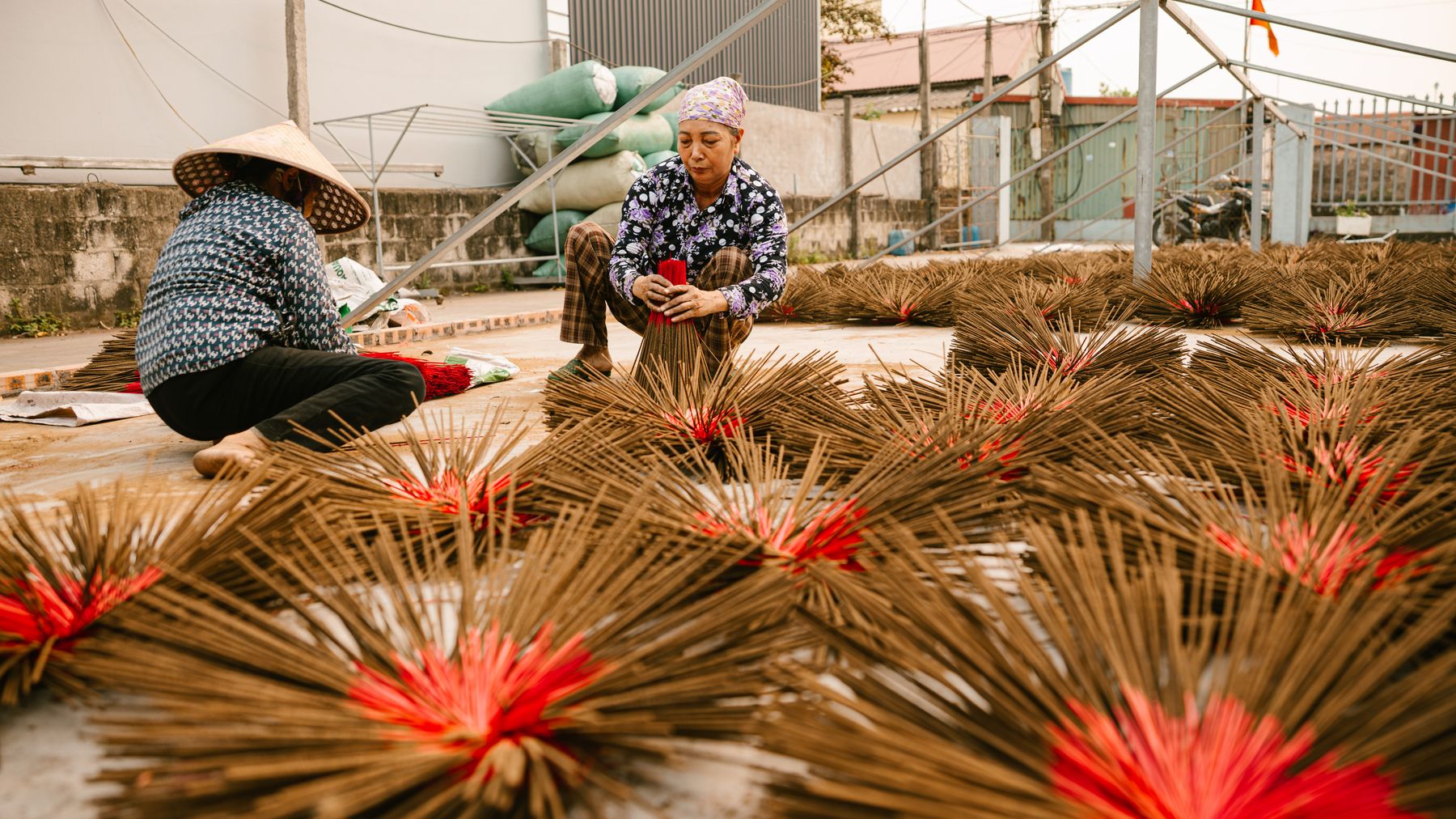
Photo by HONG SON on Pexels
Getting There and Timing
Vung Tau is 125 km from Saigon by road, or about 80 minutes by high-speed ferry from Bach Dang Wharf. The ferry option is far more pleasant than sitting in expressway traffic. Ferries run several times daily and cost around 250,000–300,000 VND one way.
The lunar date shifts each Gregorian year — check a Vietnamese lunar calendar converter before you book. In 2024, the 16th of the 8th lunar month falls in mid-October. Booking accommodation two to three weeks out is sensible; Vung Tau hotels fill up on festival weekends because this also coincides with Vietnamese domestic travel season post-summer.
Practical Notes
Lang Ca Ong temple is on Hoang Hoa Tham Street in the Thang Tam ward — any local on a motorbike taxi will know it. The festival draws primarily Vietnamese visitors from the wider Ba Ria-Vung Tau province and Saigon, so English signage is minimal; bring Google Translate for written content inside the temple. The two days are a public cultural event, not a restricted ceremony, but treat the space as a working place of worship rather than a photo backdrop.
Last updated · May 29, 2026 · independently researched, never sponsored.