— 完 —
最后更新 · May 30, 2026 · 独立调研,无任何赞助。
We use minimal analytics + ads (no personal tracking). See our privacy policy.
Skip the generic highway motels and find the best bases in Dak Nong, from misty glamping sites overlooking Ta Dung Lake to practical hubs in Gia Nghia.
关于这座城市的其他文章。
Dak Nong is in central Vietnam's highlands, inland and often overlooked. Here's how to reach it by bus, train, motorbike, or rare flights — with costs and realistic times.
…
Hotels, homestays, hostels — strongest inventory in Vietnam.
Dak Nong is a quiet central highland province with few tourist accommodations. Here's how to pick a neighborhood and what to expect at each price point.

Dak Nong's food scene leans heavily on grilled meat, forest herbs, and dishes built around cassava and corn. Here's where locals actually eat and what to order.
本地区其他文章。
Forget everything you know about standard noodle soup. In the Central Highlands city of Pleiku, the local obsession is 'pho kho', a two-bowl ritual that defines the region's breakfast culture.

Quy Nhon is often overlooked for its neighbors, but its rice-based specialties, particularly the local take on vermicelli, define the city's culinary identity.

Da Lat has quietly become Vietnam's most liveable remote-work base — cool air, cheap rent, and more cafes than you can reasonably test in a month.
More articles from the same category.
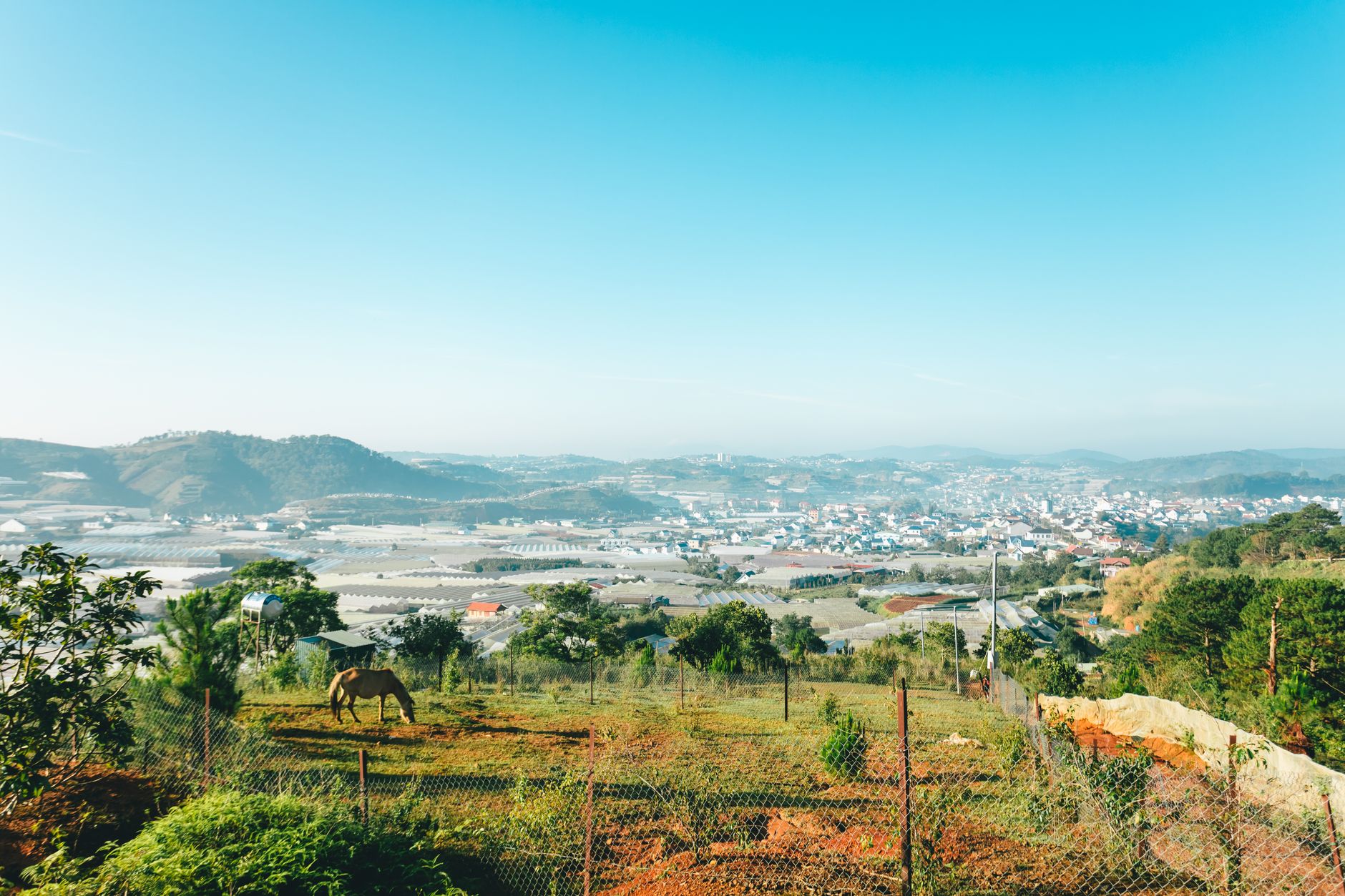
Yok Don is Vietnam's biggest national park and one of its least-visited. Here's what actually lives inside — and how to do it properly.
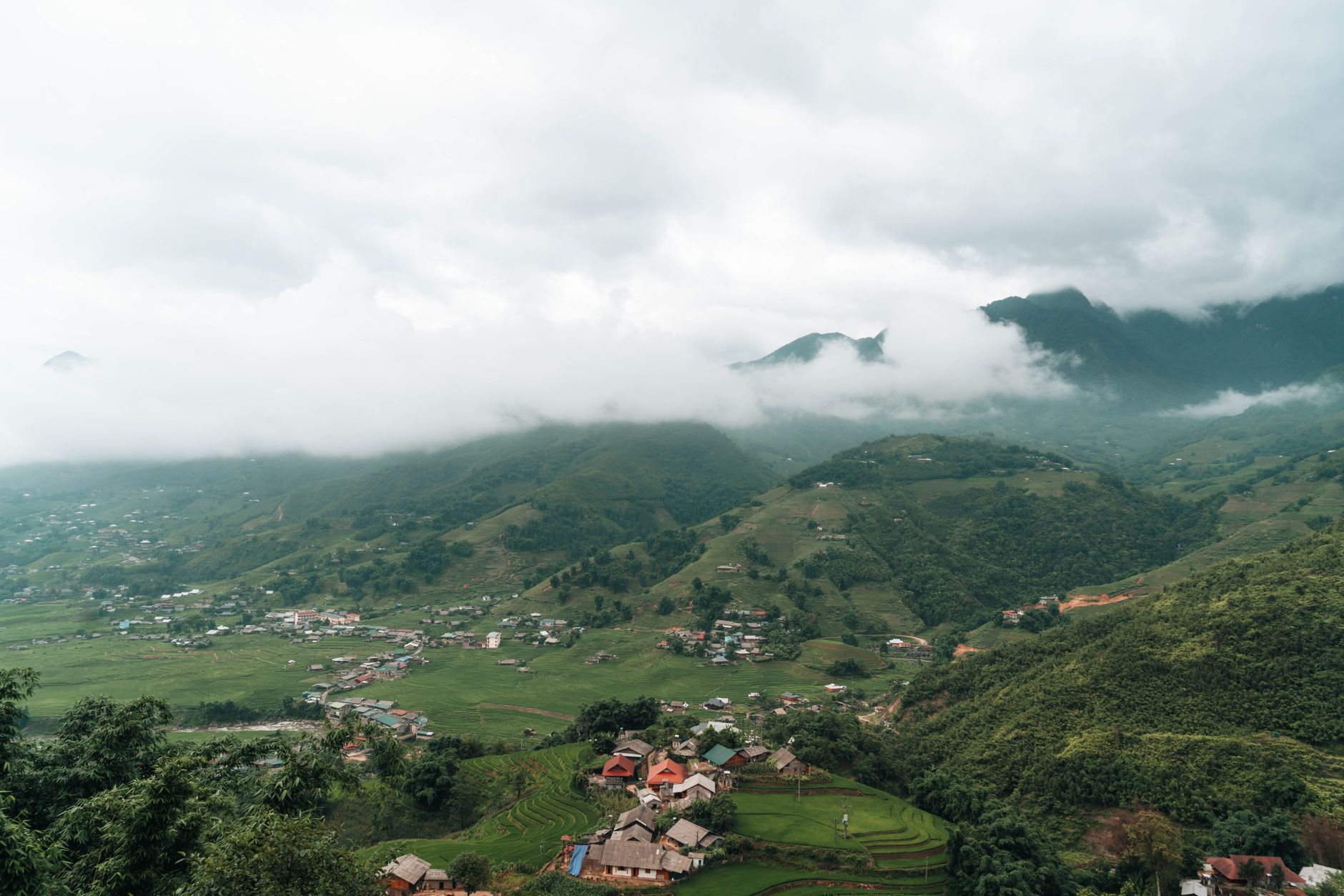
Y Ty is a Ha Nhi ethnic commune in Lao Cai province where sea-of-cloud mornings run from September to March — and almost nobody shows up compared to Sa Pa.

Y Ty's sea of fog is not a rumor — but it only appears reliably for a few weeks a year. Here's when to go, where to stand, and how to sleep close enough to catch it.

Yen Tu in Quang Ninh province is Vietnam's most significant Buddhist pilgrimage site — a forested mountain where a 13th-century king renounced his throne and founded a homegrown school of Zen.
Skip the crowds of Sapa for Y Ty, a remote highland outpost in Lao Cai where clouds settle in the valleys and ancient mud-walled houses dot the terraced hills.
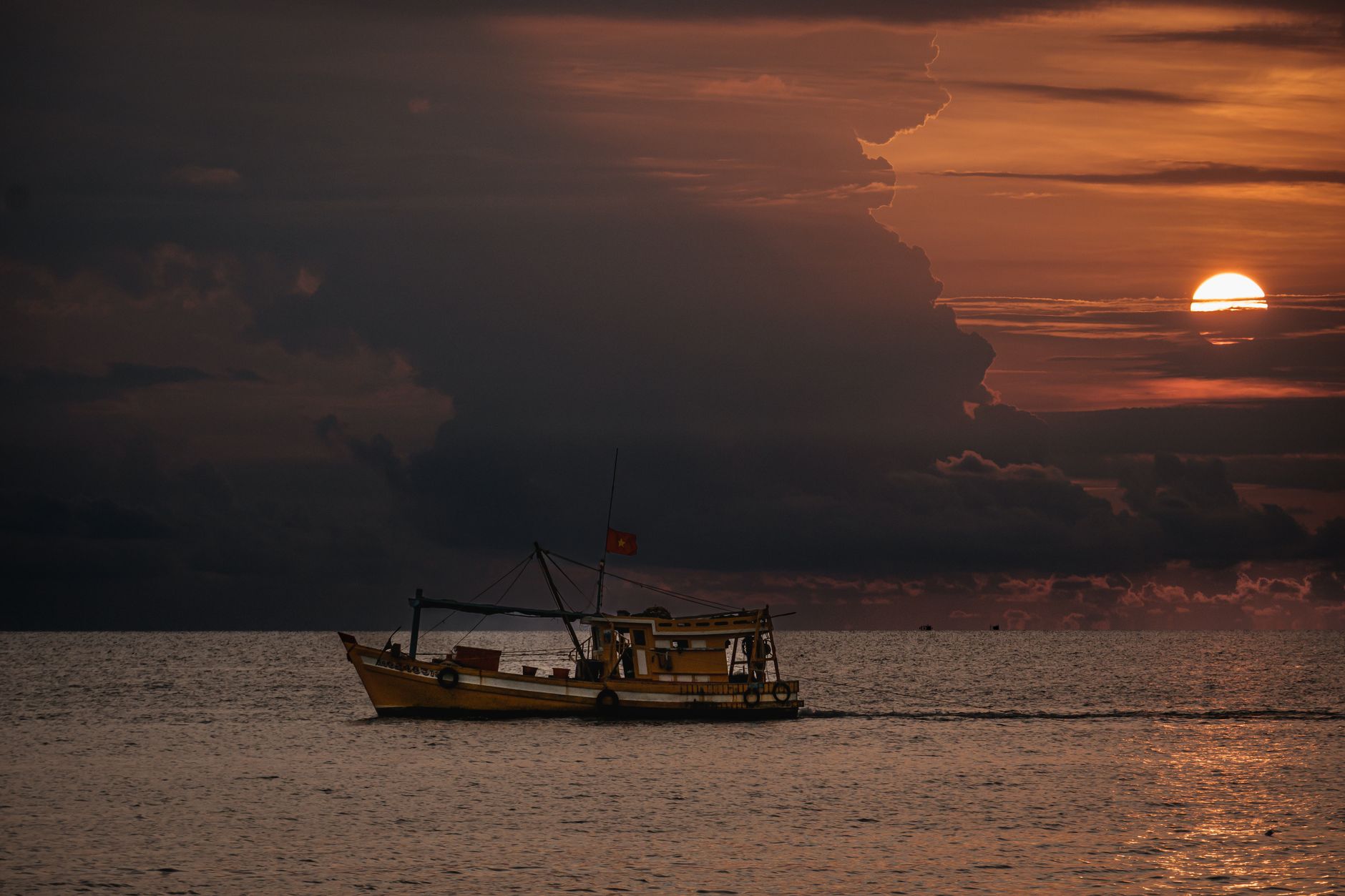
Skip the mega-resort bubble and head south to the An Thoi archipelago. This independent day-trip route covers speedboat logistics, quiet snorkeling spots, and local seafood.
Dak Nong is vast, and choosing the wrong base means spending four hours a day navigating winding, potholed mountain roads. To get the most out of this southwestern corner of the Central Highlands (중부 고원 / 中部高原 / 中部高原), you need to match your accommodation to your itinerary.
Unlike neighboring Da Lat, Dak Nong does not have a highly developed tourist infrastructure. You will not find five-star international resorts here. Instead, the options range from functional business hotels in the provincial capital to rustic homestays and ridge-line glamping sites overlooking the region's famous reservoirs. Here is a breakdown of the three best areas to stay in Dak Nong, depending on what you want to experience.
If you want reliable Wi-Fi, hot water, and a wide choice of local food, Gia Nghia is your best option. The provincial capital is built on a series of steep hills, giving it a quiet, undulating charm that feels far removed from the flat sprawl of southern cities.
Staying in Gia Nghia makes sense if you are using the town as a transit point or if you plan to explore the southern reaches of the Dak Nong Geopark during the day and want comfortable amenities at night. The town center has a decent selection of mid-range hotels and local guest houses ("nha nghi").
Located about 45 km crossing winding mountain passes from Gia Nghia, Ta Dung Lake is the crown jewel of Dak Nong's natural landscape. The reservoir is dotted with dozens of green islands, earning it a reputation as the landlocked version of Ha Long Bay.
Staying along the ridge overlooking the lake is all about the views and the cooler, high-altitude air. In recent years, a strip of homestays, wooden bungalows, and glamping sites has popped up along Highway 28, offering direct views of the water.
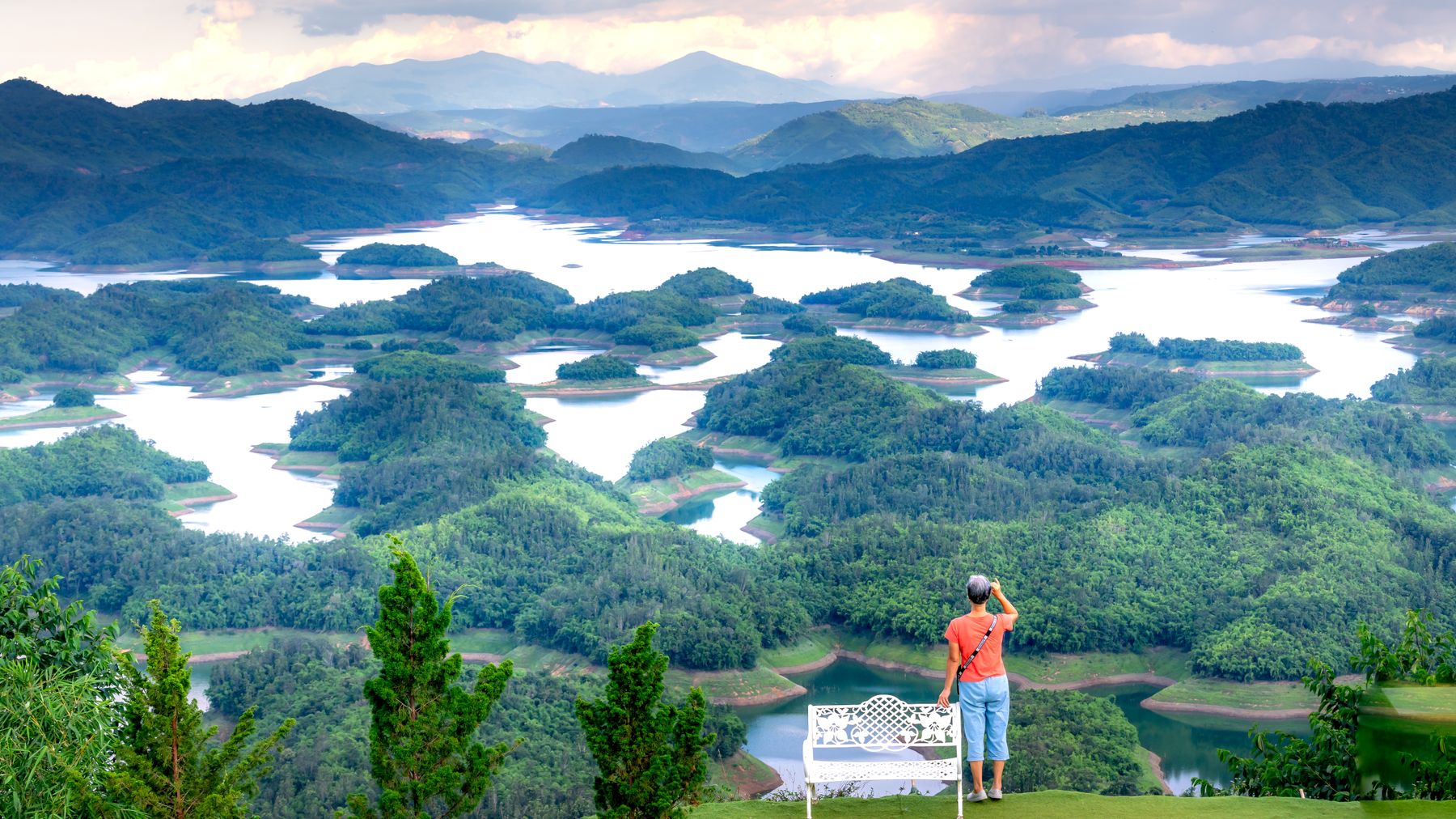
Photo by Quang Nguyen Vinh on Pexels
For travelers who want to explore the Chu Bluk volcanic cave system—the longest volcanic cave network in Southeast Asia—staying in Gia Nghia or Ta Dung is too far. Instead, you should base yourself further north in the districts of Krong No or Dak Mil.
This area is highly agricultural, dominated by vast coffee and pepper plantations. Accommodation here is rustic and deeply integrated into local communities.

Photo by Red Nguyen on Pexels
While you can easily book hotels in Gia Nghia on major international booking platforms, many of the best homestays in Ta Dung and Krong No are not listed online.
To secure the best spots along the Ta Dung ridge, you often need to search on social media platforms or contact the owners directly via Zalo. English is not widely spoken outside of Gia Nghia, so keep a translation app handy. Always confirm if your accommodation can help arrange a semi-automatic motorbike rental, as public transport within the province is virtually non-existent.