— FIN —
Dernière mise à jour · May 30, 2026 · recherche indépendante, jamais sponsorisée.
We use minimal analytics + ads (no personal tracking). See our privacy policy.
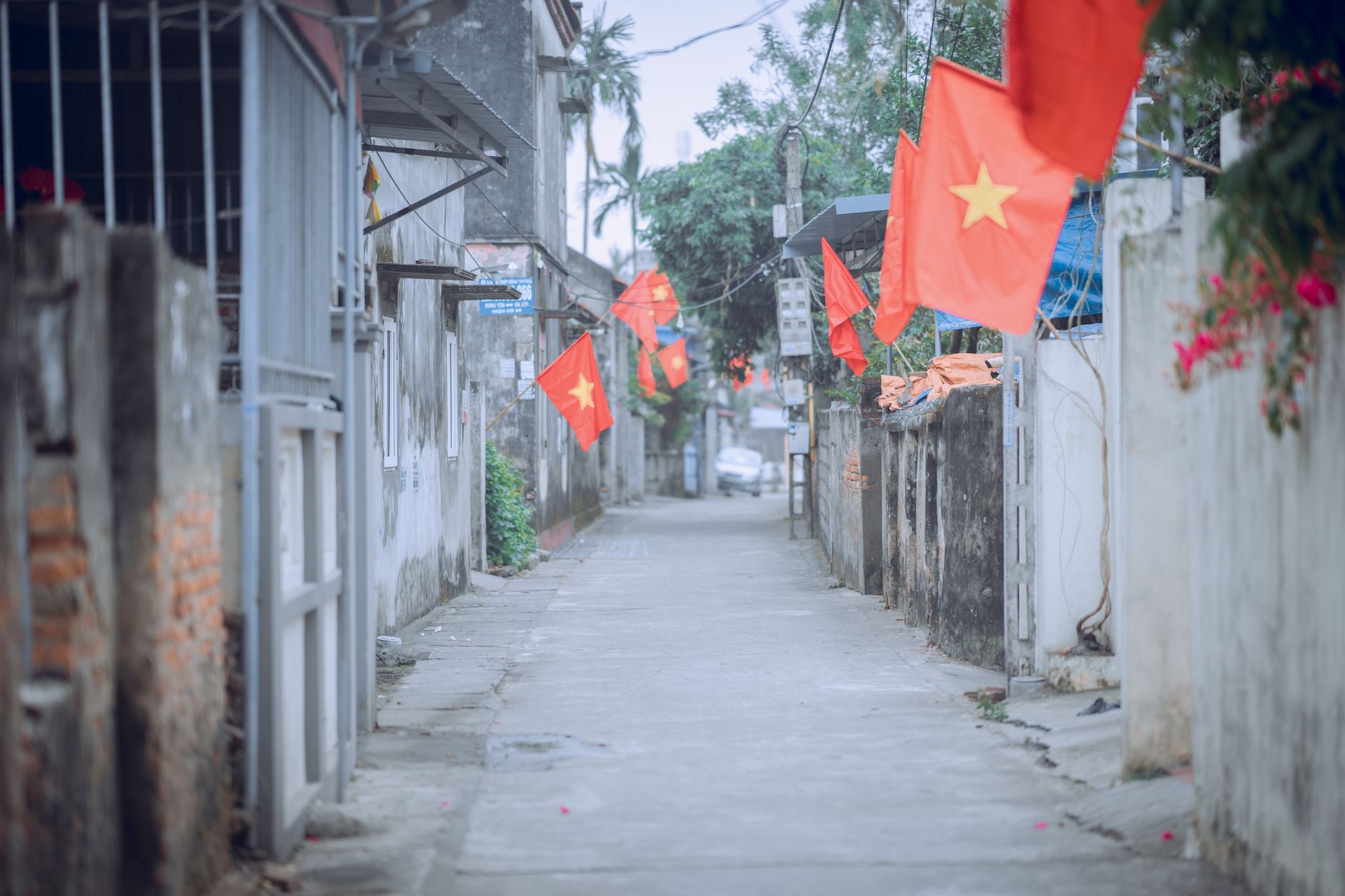
Don't get lost in the maze of alleys. Master these essential Vietnamese phrases to navigate the streets like a local.
Dernière mise à jour · May 30, 2026 · recherche indépendante, jamais sponsorisée.
Autres articles sur cette ville.

Winter in the north is damp, grey, and surprisingly chilly. Forget the tropical gear and pack for layering to survive the humidity.

…
Hotels, homestays, hostels — strongest inventory in Vietnam.
Thousands of foreigners teach English or freelance in Vietnam on tourist visas. Here is what Vietnamese law actually says, when it gets enforced, and how to do it properly.
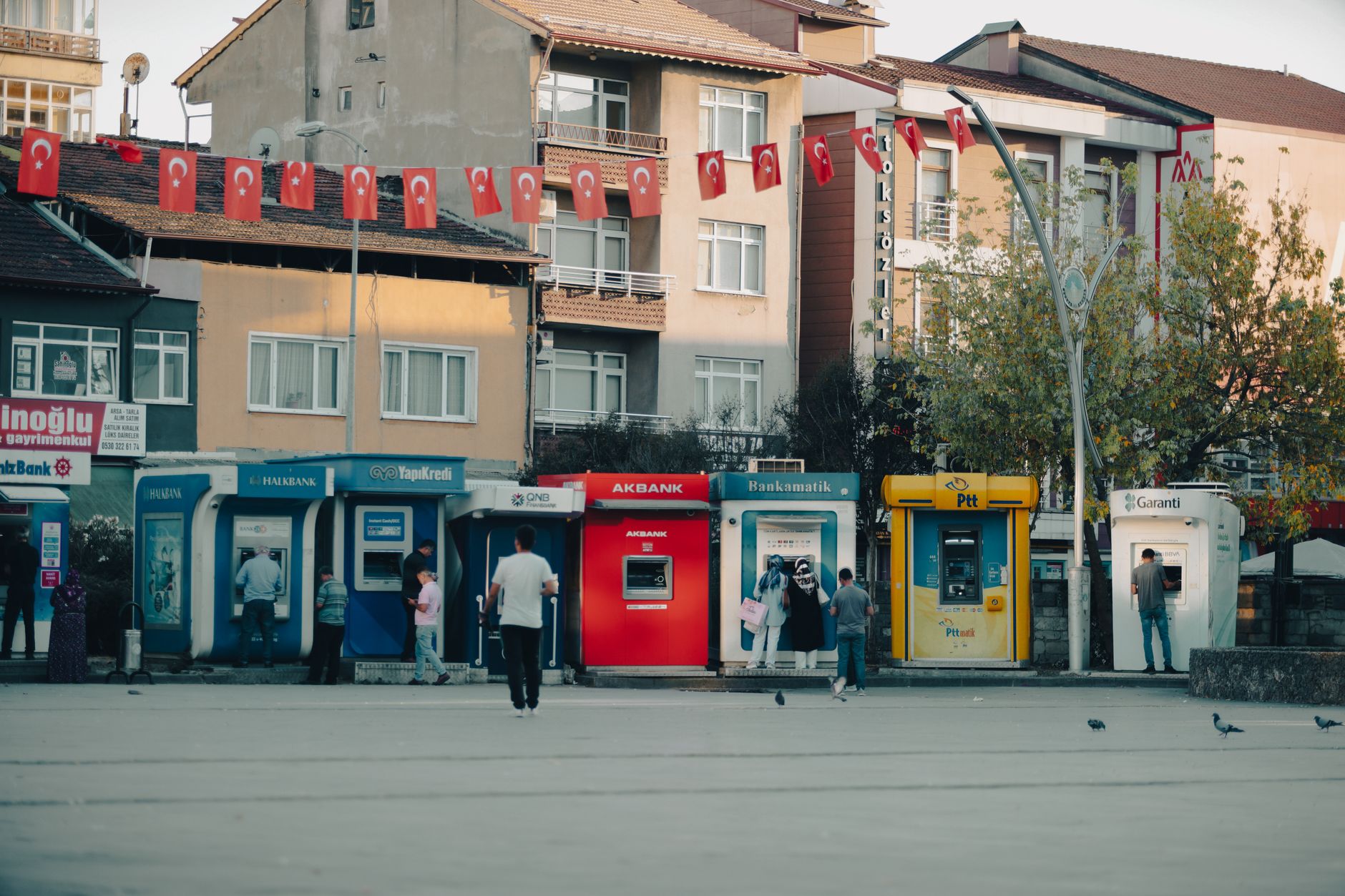
The Wise debit card works well in Vietnam if you know the fee structure. Here's how to use it at ATMs and merchants without losing money on bad rates.
Autres articles dans cette région.

The Wise debit card works well in Vietnam if you set it up right. Here's how to avoid fees, use the VND balance, and when it beats alternatives.

Vietnam's wellness scene has matured fast. Here's how to spend 7 days across four retreats — Hoi An, Da Lat, Phu Quoc, and Mai Chau — depending on your pace and budget.
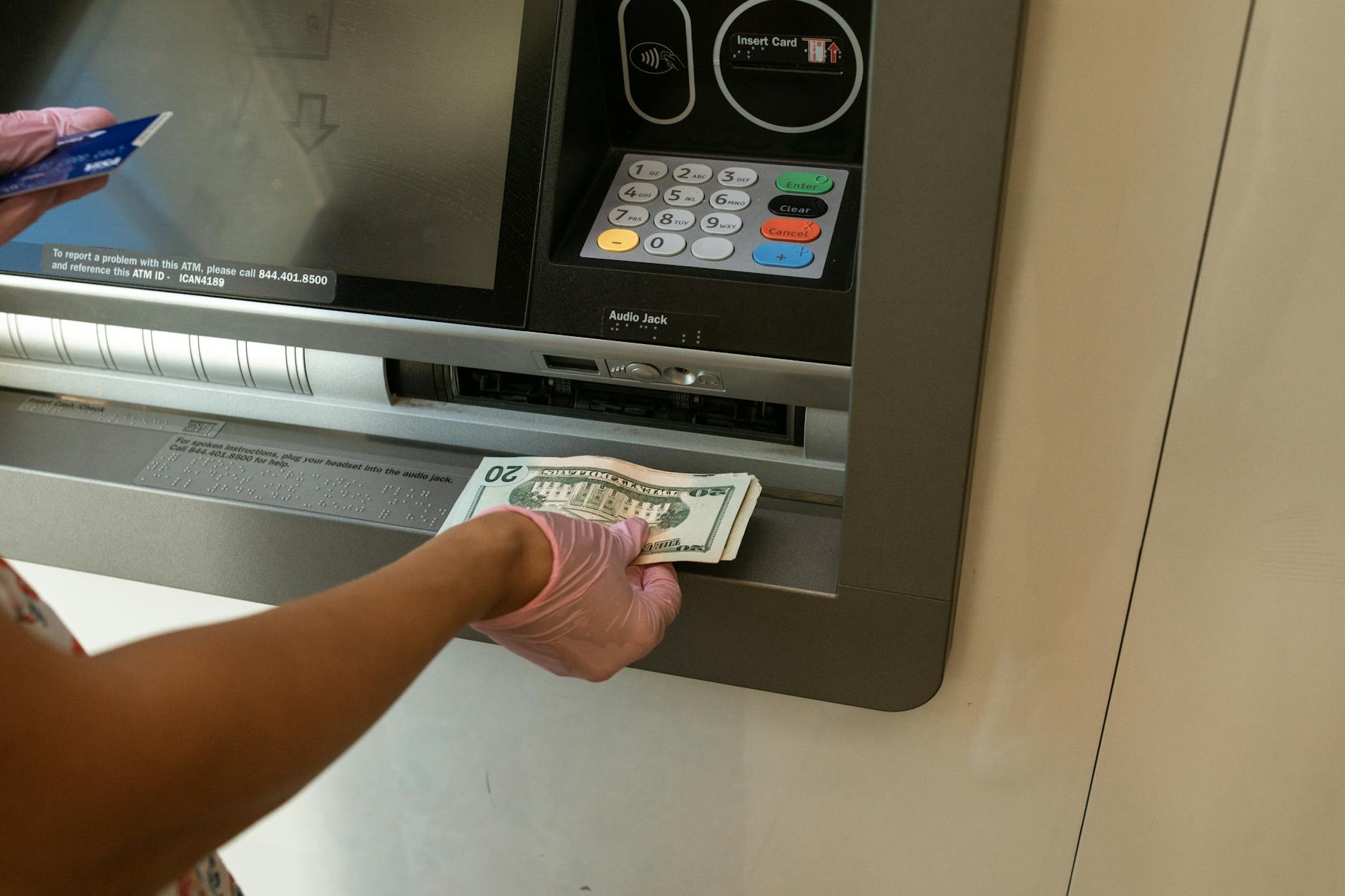
Vietnam runs on dong, but there are real situations where USD cash matters. Here is where you can actually pull USD from an ATM or bank counter.
More articles from the same category.
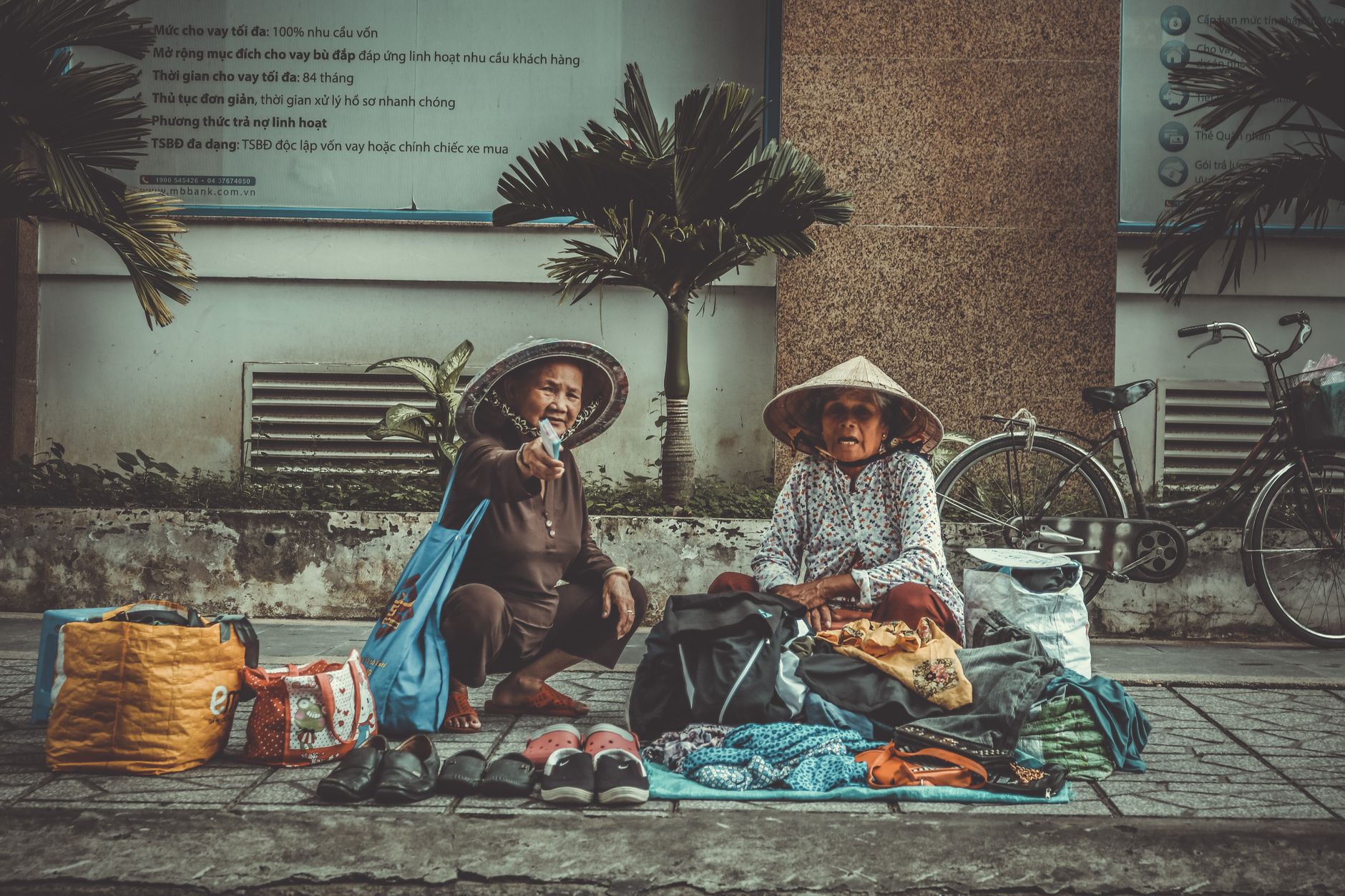
Forget the heavy gear. Packing for the Mekong Delta is about managing humidity, protecting your skin, and staying mobile on the water.

Wise works for sending VND to Vietnamese banks, but the process has quirks. Here's what fees to expect, which banks receive fastest, and why transfers get rejected.
Fees, speeds, and bank coverage compared for the three most-used international transfer services into Vietnam — so you pick the right one before you send.
Forget the resort-brochure packing lists. Here is the gear you actually need for Vietnam's coast, from the sands of Da Nang to the islands of Phu Quoc.
Mastering basic time and day markers in Vietnamese will save you from missed buses and confused taxi drivers. Here is the essential cheat sheet for your trip.

Most travel insurance policies have gaps that matter specifically in Vietnam — motorbike coverage, medical evacuation, and hospital payment methods. Here is what to check before you buy.
Navigating Vietnam (베트남 / 越南 / ベトナム)’s labyrinthine alleys, or "hem", requires more than just a smartphone map. Sometimes, the blue dot on your screen gets confused by the density of the urban sprawl, and that is when you need to rely on the people around you. While many younger residents in cities like Saigon or Hanoi speak decent English, knowing a few key phrases will save you time and earn you a smile.
Before you open your mouth, remember that Vietnamese is a tonal language. You will likely mispronounce things, and that is perfectly fine. The key is confidence and body language. If you are looking for a specific place, have the address written down on a piece of paper or pulled up on your phone. Pointing at a map while saying the phrase is 90% of the communication.
This is your opening move. It is polite and signals that you are about to ask for help. Pronunciation: Sin loy, chaw toy hoy...
This is the most versatile tool in your kit. You simply place the destination before this phrase. Example: "Cho Ben Thanh o dau?" (Where is Ben Thanh Market?) Pronunciation: ...aw dow?
Use this when you are standing at a confusing intersection. It is less about a specific destination and more about orientation. Pronunciation: Zee zwong now?
Useful for gauging whether you should walk or grab a taxi. If they say "xa" (far), you know to call a ride. If they say "gan" (near), you are likely within a few hundred meters. Pronunciation: Kaw gun zay khong?
Always end your interaction with this. It is the most important word in the language. Pronunciation: Kum un!

Photo by Markus Winkler on Pexels
When you ask "o dau", the response will likely be a gesture. Don't expect a detailed sentence. Watch for these directional cues:
If someone says "di thang", they mean keep going in the direction you are currently facing. If they point and say "o kia", it means "over there."
In cities like Saigon (사이공 / 西贡 / サイゴン), addresses are often confusing because they are tucked deep inside "hem" (alleys). A street address might say 123/45/6, which means you are looking for house number 6, in alley 45, off the main street 123.
If you are truly lost in an alley, look for a local coffee shop or a street food vendor. These are the neighborhood hubs. If you ask a vendor selling "banh mi" or "pho" for directions, they are usually the best people to help because they know every house and business within a three-block radius.
Photo by Markus Winkler on Pexels
While these phrases are helpful, keep a translation app on your phone as a backup. If you are in a remote area like Ha Giang or deep in the Mekong Delta, the local dialect might be thicker, and your "book-learned" Vietnamese might not land perfectly. In those cases, showing a photo of your destination or a screenshot of the location on a map is the universal language.
Don't be afraid to sound silly. The effort to speak the local language is almost always met with patience and kindness. Keep your phrases short, your tone friendly, and always keep a smile ready.