— FIN —
Dernière mise à jour · May 30, 2026 · recherche indépendante, jamais sponsorisée.
We use minimal analytics + ads (no personal tracking). See our privacy policy.
Mastering basic time and day markers in Vietnamese will save you from missed buses and confused taxi drivers. Here is the essential cheat sheet for your trip.

Dernière mise à jour · May 30, 2026 · recherche indépendante, jamais sponsorisée.
Autres articles sur cette ville.
Winter in the north is damp, grey, and surprisingly chilly. Forget the tropical gear and pack for layering to survive the humidity.

…
Hotels, homestays, hostels — strongest inventory in Vietnam.
Thousands of foreigners teach English or freelance in Vietnam on tourist visas. Here is what Vietnamese law actually says, when it gets enforced, and how to do it properly.
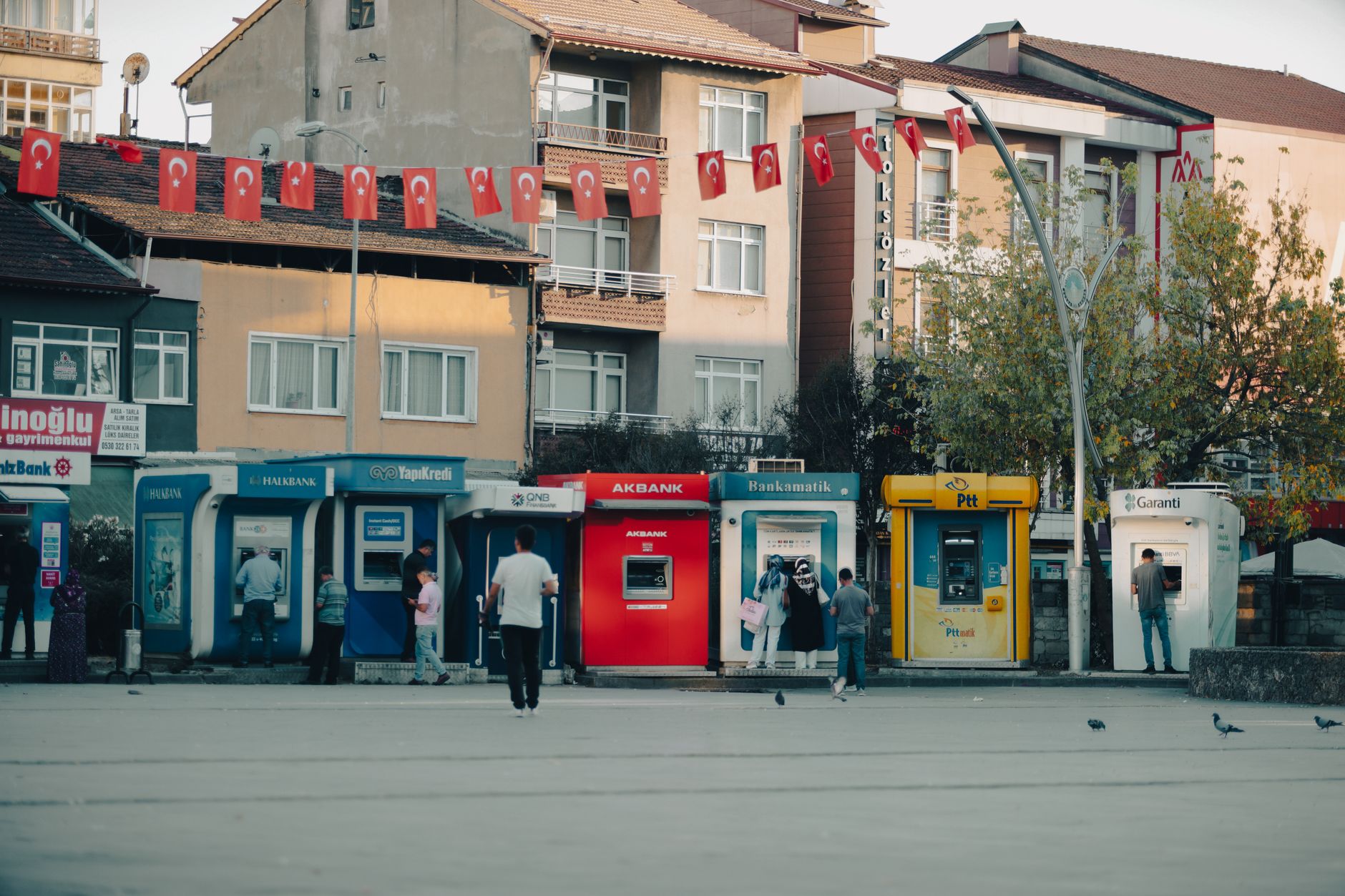
The Wise debit card works well in Vietnam if you know the fee structure. Here's how to use it at ATMs and merchants without losing money on bad rates.
Autres articles dans cette région.

The Wise debit card works well in Vietnam if you set it up right. Here's how to avoid fees, use the VND balance, and when it beats alternatives.
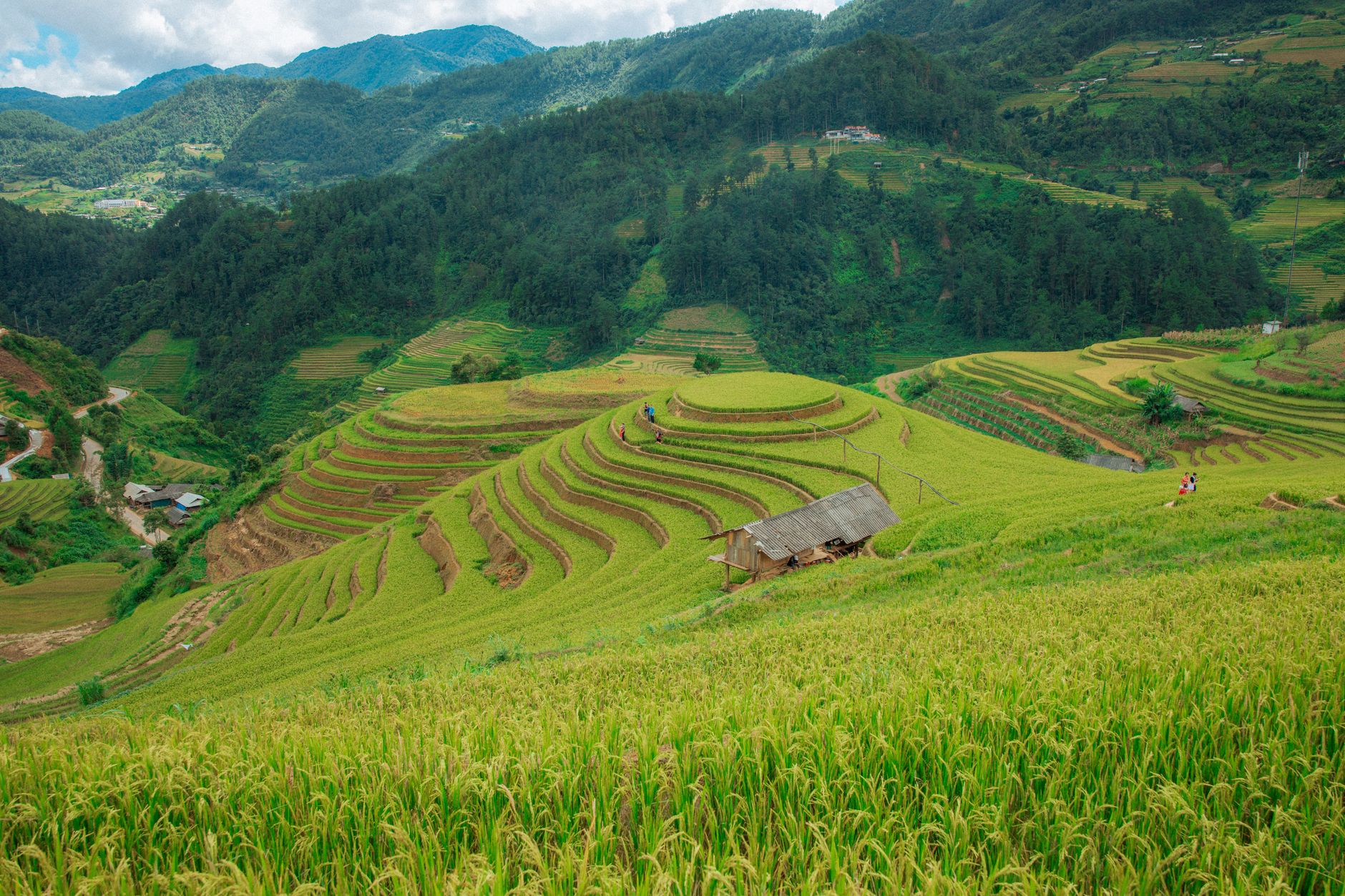
Vietnam's wellness scene has matured fast. Here's how to spend 7 days across four retreats — Hoi An, Da Lat, Phu Quoc, and Mai Chau — depending on your pace and budget.
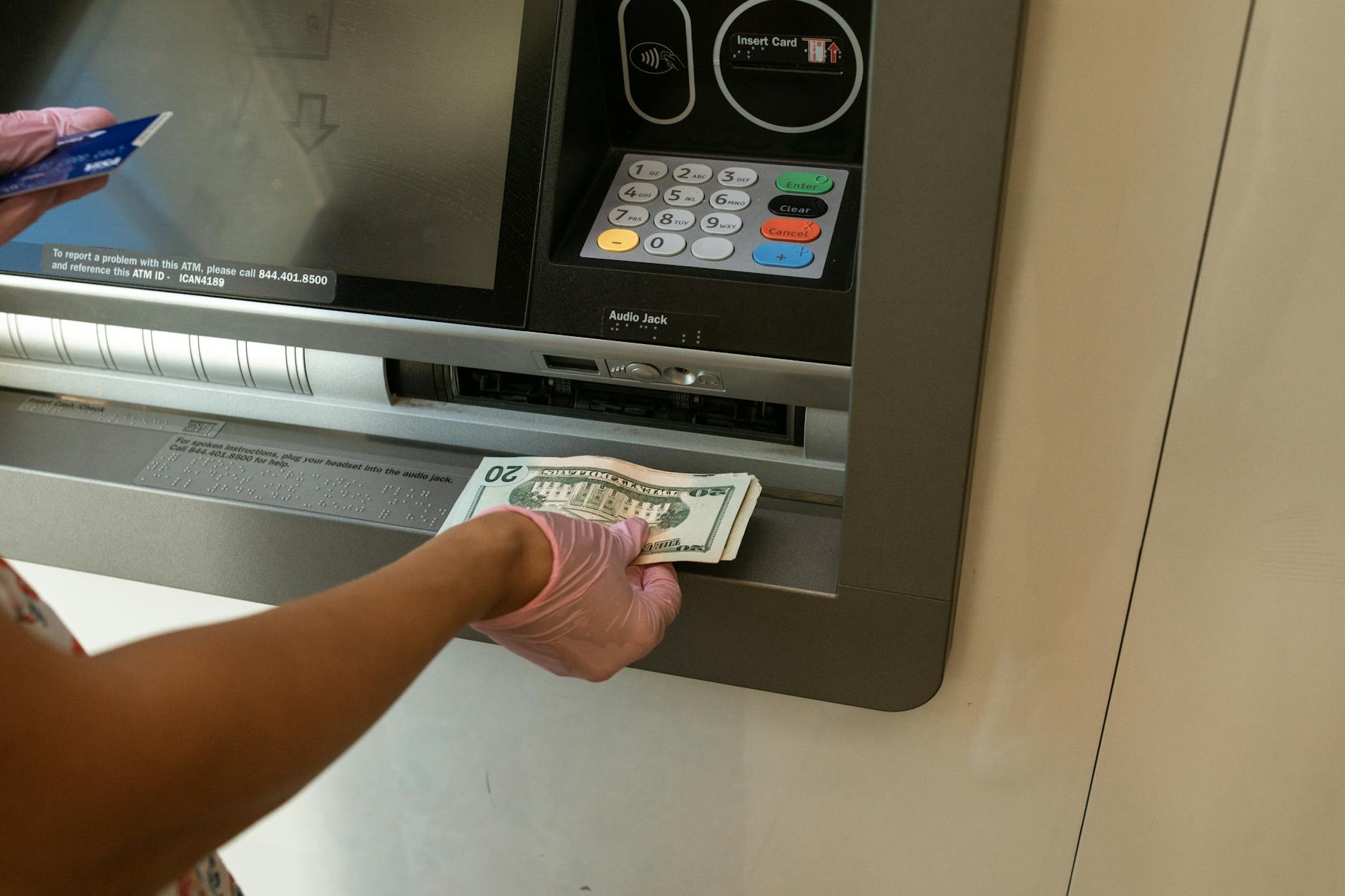
Vietnam runs on dong, but there are real situations where USD cash matters. Here is where you can actually pull USD from an ATM or bank counter.
More articles from the same category.
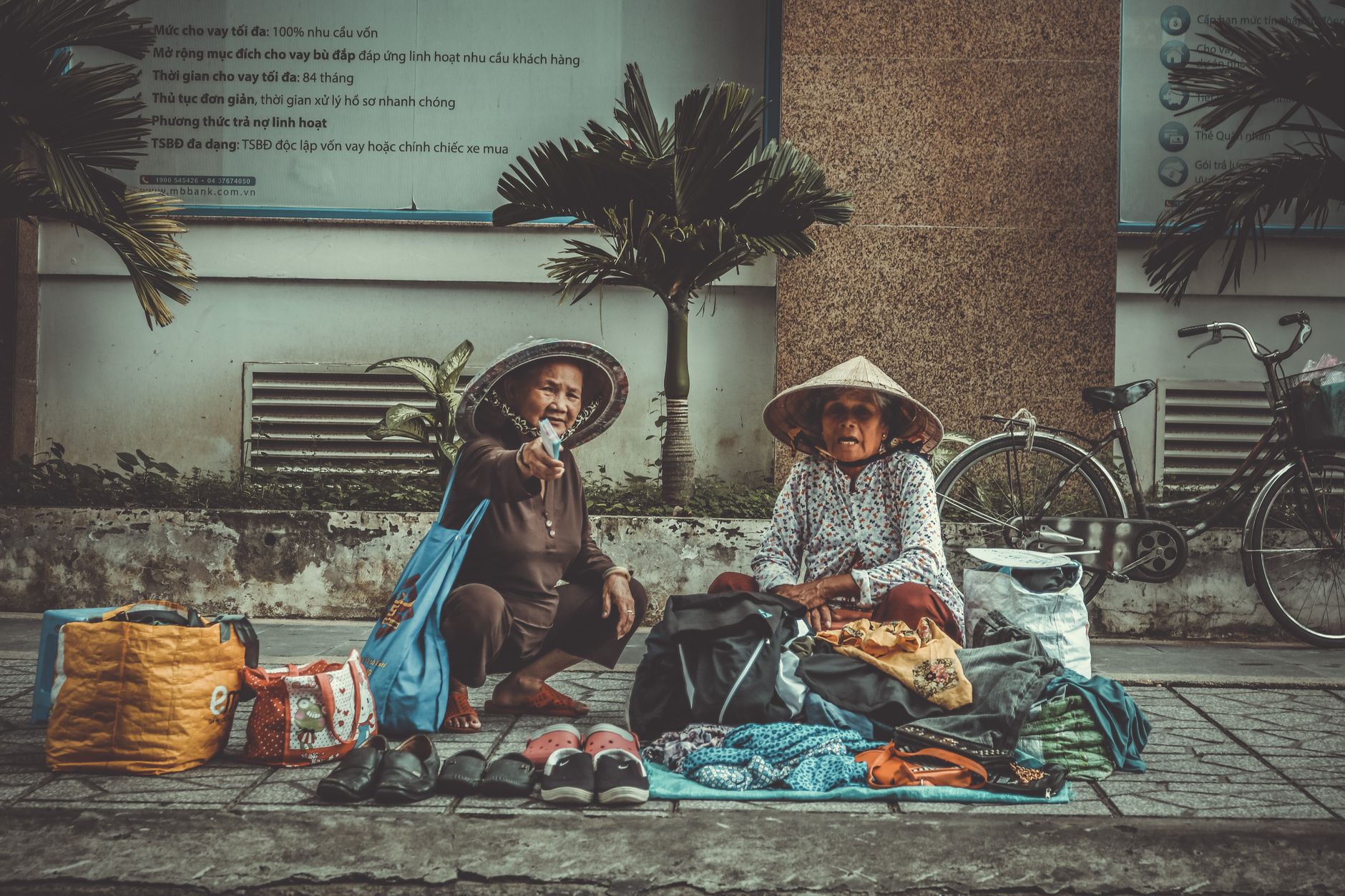
Forget the heavy gear. Packing for the Mekong Delta is about managing humidity, protecting your skin, and staying mobile on the water.

Wise works for sending VND to Vietnamese banks, but the process has quirks. Here's what fees to expect, which banks receive fastest, and why transfers get rejected.
Fees, speeds, and bank coverage compared for the three most-used international transfer services into Vietnam — so you pick the right one before you send.
Forget the resort-brochure packing lists. Here is the gear you actually need for Vietnam's coast, from the sands of Da Nang to the islands of Phu Quoc.

Most travel insurance policies have gaps that matter specifically in Vietnam — motorbike coverage, medical evacuation, and hospital payment methods. Here is what to check before you buy.
Not all VPNs survive Vietnam's network filtering. Here's what actually works for travelers, what gets blocked, and how to set it up before you land.
While English is widely understood in tourist hubs like Hanoi or Saigon, knowing how to express time and days in Vietnamese is a game-changer. It is the difference between catching your train to Sapa and watching it pull out of the station. Vietnamese is a tonal language, but don't let that intimidate you; locals will appreciate the effort, even if your pitch is slightly off.
In Vietnamese, the days of the week are structured logically. They use the word "thu" (meaning 'order') followed by a number. Note that the week starts on Monday, not Sunday.
Pro tip: If you are asking about a specific day, use the phrase "ngay nao?" (which day?). For example, "Ngay nao di Ha Long?" (Which day are we going to Ha Long?).

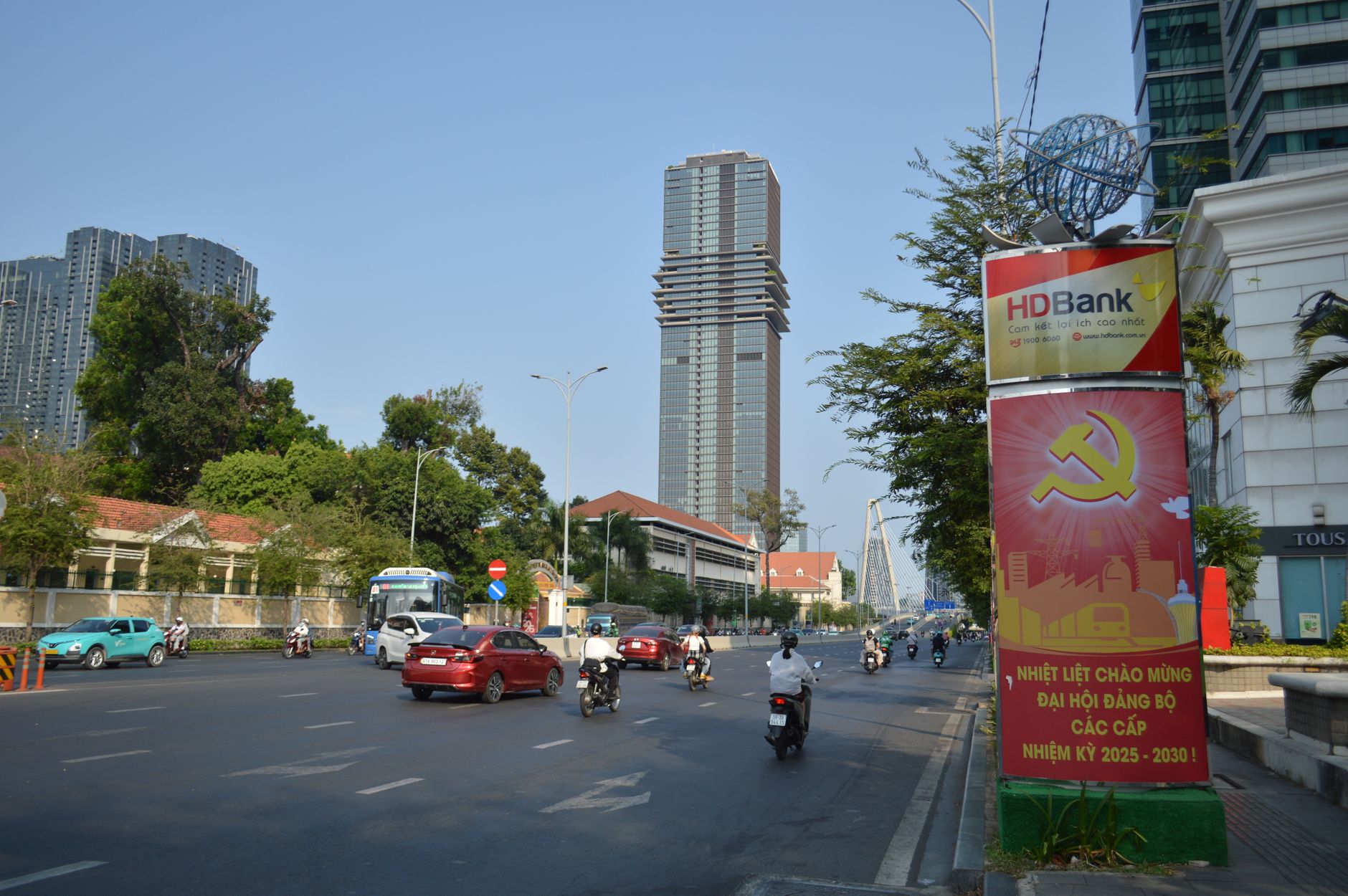
Photo by Nguyen Ngoc Tien on Pexels
Vietnamese uses a 24-hour clock in formal settings like bus stations or airports, but in daily life, people often use a 12-hour system with descriptors for the time of day.
To ask the time, say: "May gio roi?" (What time is it?).
When telling time, the structure is [Hour] + "gio" + [Minute].
Beyond just the numbers, these phrases will help you navigate your itinerary without relying on translation apps.
Photo by Nguyen Ngoc Tien on Pexels
Time in Vietnam is often fluid. If you are meeting a local friend for a "ca phe sua da (연유커피 / 越南冰咖啡 / ベトナムアイスコーヒー)", don't be surprised if they arrive 10 or 15 minutes late. It is not considered rude; it is simply part of the local rhythm. However, for transport, be punctual. Buses and trains in cities like Da Nang or Hue run on strict schedules. Always aim to be at the station 30 minutes early.
If you are planning a trip around a holiday like "Tet" or the "Mid-Autumn Festival", be aware that businesses may close or operate on limited hours. Asking "Co mo cua khong?" (Is it open?) followed by the day of the week is a very useful way to avoid a wasted trip to a closed museum or market.
You do not need to be fluent to get by, but learning these few markers shows respect and helps you avoid logistical headaches. Keep a small notebook handy, or just practice these on your next ride through the streets of Saigon or Hanoi.