Overview
This itinerary pairs colonial-era and contemporary luxury properties with serious dining across three regions of Vietnam (베트남 / 越南 / ベトナム). You'll move through the Red River Delta, central coast, and southern islands—each with distinct culinary traditions and architectural character. The pacing allows time to settle into each place rather than rush through a checklist.
Day 1 — Hanoi: Arrival and Old Quarter
Fly into Noi Bai International Airport; a private car transfer (roughly 30 km, 45 minutes) takes you directly to the Sofitel Legend Metropole Hanoi, a 1901 colonial landmark on Ngo Quyen Street. Check in early if possible and spend the afternoon exploring the property—the courtyard, the original timber-floored corridors, and the Bamboo Bar are worth an hour alone.
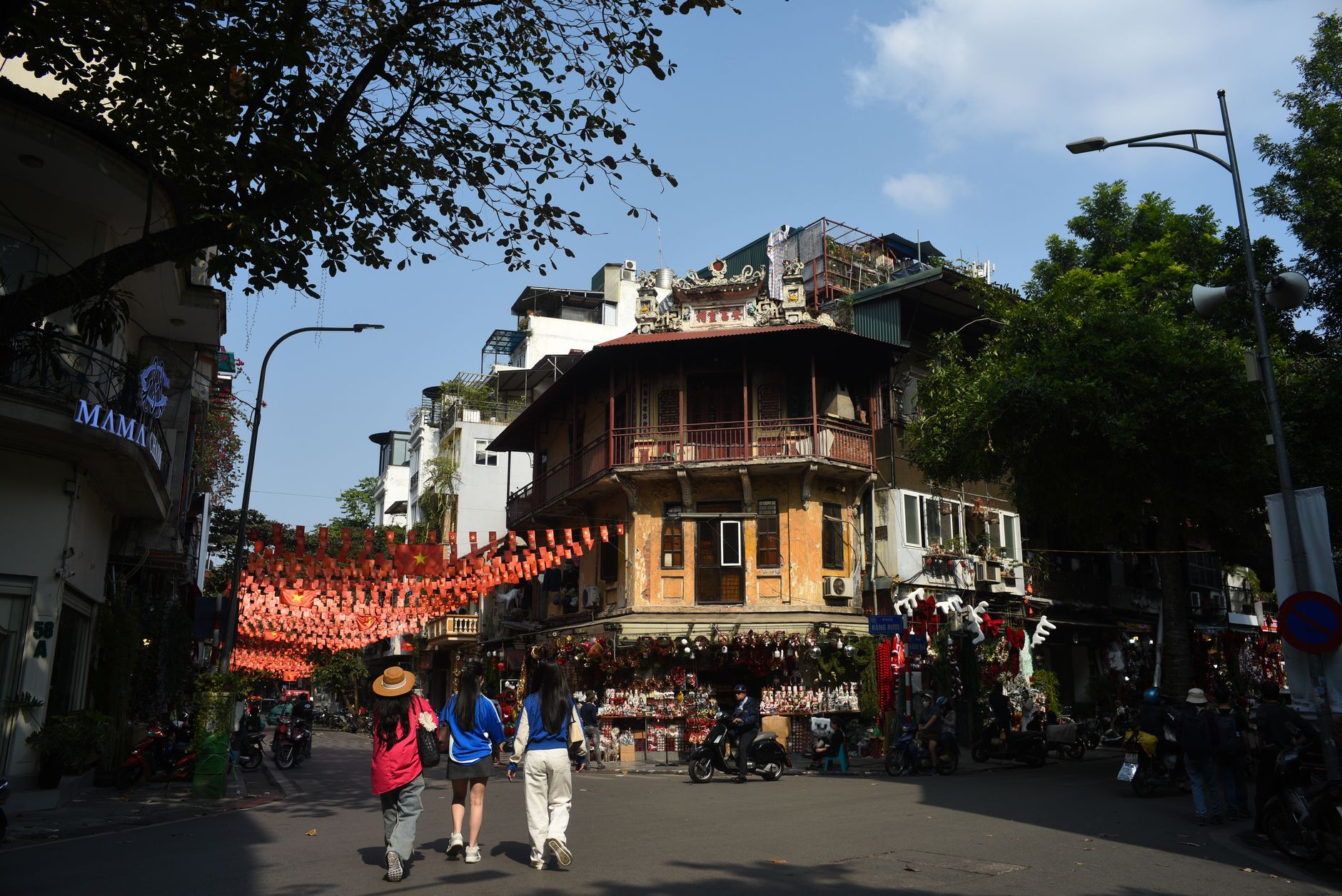
Walk the Old Quarter on foot (it's compact, chaotic, and best done without a car). Stick to the eastern edge: Hang Bac for silver traders, Hang Gai for silk. Duck into any small "pho" stall for lunch—it'll cost 30,000–50,000 VND and taste better than any upscale version. Late afternoon, visit the Temple of Literature (Van Mieu), the 11th-century imperial academy, a 15-minute walk south from the hotel.
Dinner at La Verticale, a French-Vietnamese fine-dining restaurant (11A Ngo Huyen Street, Old Quarter). It's intimate (12 seats), prix fixe only (around 1.5–2 million VND per person), and the chef sources Vietnam's best regional ingredients. Reserve ahead. The tasting menu shifts seasonally; expect precise plating and thoughtful wine pairings.
Day 2 — Hanoi: Temples, Lakes, and Sofitel Indulgence
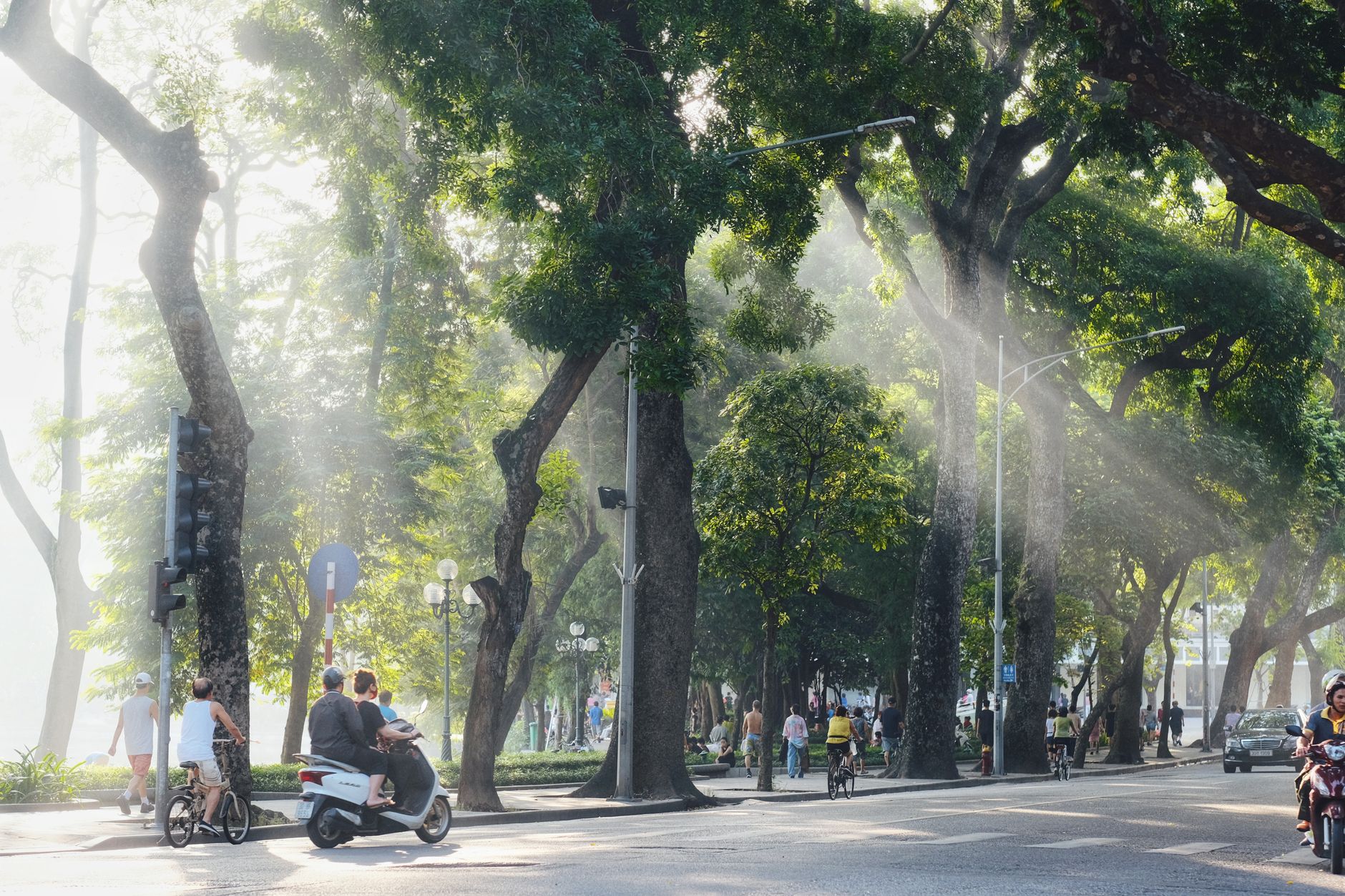
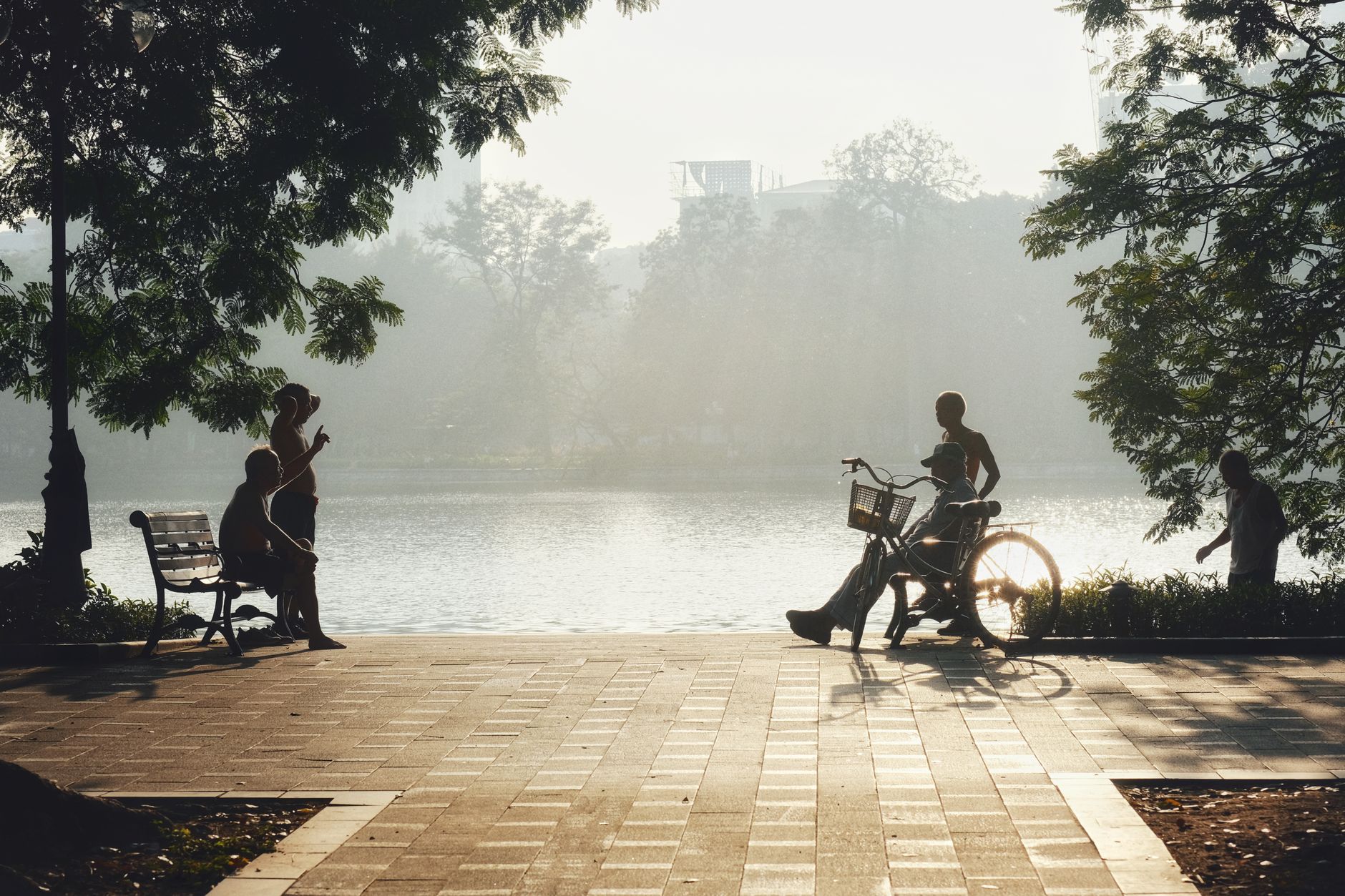
Start at Tran Quoc Pagoda on the northern shore of Hoan Kiem Lake—one of Vietnam's oldest temples, serene and rarely crowded if you arrive by 7 a.m. Return for hotel breakfast (the buffet is excellent).
Mid-morning, walk to the nearby One Pillar Pagoda (Dinh Nhat Tru), then the Imperial Citadel of Thang Long (10 minutes by car). Budget two hours to explore the earthen walls, underground tunnels, and palace remnants; it's less touristy than the Old Quarter and historically significant.
Lunch at Cha Ca La Vong (14 Cha Ca Street, Hoan Kiem)—a single-dish restaurant that's been frying turmeric-marinated fish with fresh herbs for 80+ years. A plate costs 80,000–100,000 VND. It's standing-room only, no reservation, no menu; go around noon to avoid the worst crowds.
Afternoon: return to the Sofitel. The spa (Le Spa Metropole) offers traditional Vietnamese massage and hot-stone treatments. A 60-minute massage runs 1.2–1.5 million VND; book on arrival.
Dinner at Madame Hoa (inside the Sofitel), a contemporary Vietnamese restaurant with formal service. Expect refined versions of classic dishes—"banh mi" reinterpreted, slow-cooked beef with lac (lacquer-ware) accents. Main courses 400,000–600,000 VND. The wine list emphasizes Vietnamese biodynamic producers.

Image by Cheong. Original uploader was Cheong Kok Chun at en.wikipedi via Wikimedia Commons (CC BY-SA)
Day 3 — Hoi An: Afternoon Arrival and Ancient Town
Morning flight from Hanoi to Da Nang (under 2 hours); a 30-minute car transfer takes you south to Hoi An. Check in to the Anantara Hoi An Ancient Town Resort (or Four Seasons The Nam Hai, 15 km north, if you prefer beachfront and slightly more contemporary luxury).
We'll use Anantara here; it sits directly in the UNESCO-protected Old Town. Unpack and walk the streets on foot—narrow lanes, shuttered storefronts, the Japanese Covered Bridge, the Assembly Halls. Enter the Chinese Assembly Hall (Phuoc Kien) and the Tan Ky House (a merchant's residence from the 18th century). Entry is 120,000 VND total for a five-attraction pass.
Late afternoon, rent a bicycle and ride along the Thu Bon River to An Bang Beach (4 km north), where fishing boats crowd the shoreline at dusk. Stop at a beachside stall for a cold "bia hoi" (draught beer, 15,000 VND) and grilled squid.
Dinner at Nhu Y, a family-run restaurant in the Old Town (3 Nguyen Hue Street). Chef Nhu specializes in regional "banh vac" (white rose dumplings, a Hoi An specialty) and slow-cooked fish wrapped in banana leaf. No English menu; point and ask. Main dishes 100,000–200,000 VND. Reserve by 5 p.m. if possible.
Day 4 — Hoi An: Day Trip and Fine Dining
Morning: book a boat tour to Cu Lao Cham (Cham Island), a small island 20 km offshore with coral reefs, fishing villages, and clear water. Tour operators in the Old Town offer half-day (around 600,000–800,000 VND) and full-day options. Snorkel, swim, and eat lunch (grilled fish, coconut) at a fisherman's home.
Return to Hoi An by late afternoon. Shower at the Anantara and rest.
Dinner at The Market Restaurant & Cooking School, a showcase of central Vietnamese ingredients and techniques run by a Michelin-trained chef. The space is open-kitchen, theatrical, and focuses on rare proteins and wild-foraged herbs. Tasting menu around 1.2 million VND. This is the most formal dining experience in Hoi An.

Image by CEphoto, Uwe Aranas via Wikimedia Commons (CC BY-SA)
Day 5 — Phu Quoc: Island Finale
Flight from Da Nang to Phu Quoc (1 hour); car transfer to the JW Marriott Phu Quoc Emerald Bay (20 km, 45 minutes), a sprawling beachfront property on the island's west coast. Check in and spend the afternoon on the private beach or by the pool.
Phu Quoc's main draw is leisure, not tourism. The JW Marriott sits in Emerald Bay, a cove known for pearl farming. No major temples or ruins nearby; the island's appeal is the water, the seafood, and disconnection.
Dinner at Pepper's Farm Restaurant, a farm-to-table venue on the JW Marriott grounds. The chef sources fish from the bay, vegetables from local farms, and prepares Vietnamese and pan-Asian cuisine. Main dishes 300,000–500,000 VND. Casual and excellent.
If you have energy, visit the Phu Quoc Night Market (Duong Dong, island's main town, 20 km north) for street food and local hustle—squid skewers, grilled clams, fresh fruit smoothies. Go around 6 p.m. when vendors are setting up.
Practical notes
Flight times: Hanoi–Da Nang (1.5–2 hours), Da Nang–Phu Quoc (1 hour). Book internal flights 2–3 weeks ahead for better rates. Dress code for fine-dining venues is smart-casual; bring a light jacket for La Verticale and The Market Restaurant (both air-conditioned and cool). Vietnamese currency is VND only; ATMs are plentiful in Hanoi and Hoi An. Late May to September is typhoon season in central Vietnam; consider October–April for this itinerary.
Last updated · May 29, 2026 · independently researched, never sponsored.