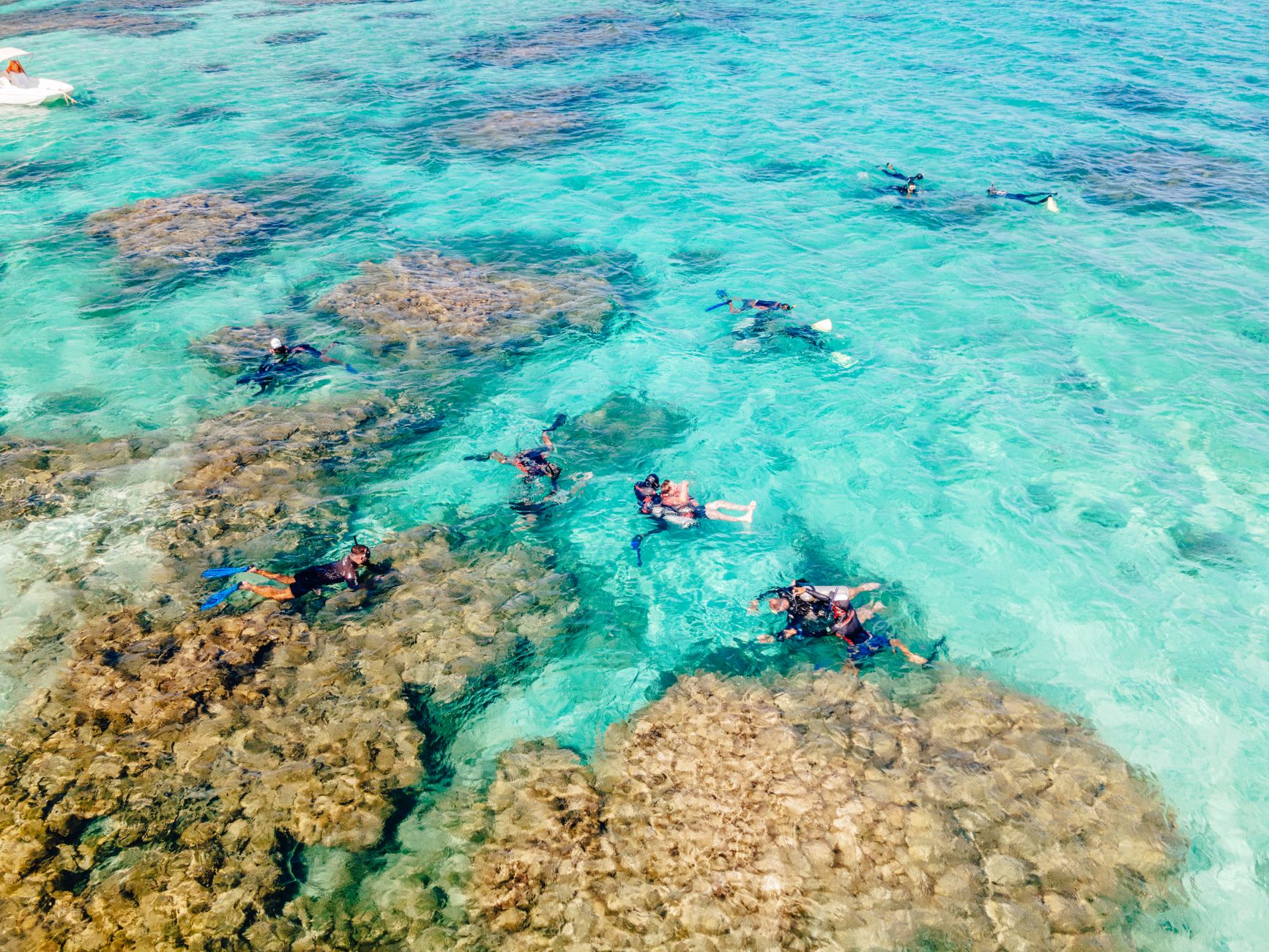
Ca Na is not the kind of beach that sells itself in photos. It's a rough, salt-sprayed strip of coast backed by granite boulders and scrubby hills, sitting on National Highway 1A between Phan Rang and the edges of what used to be Ninh Thuan province — now part of the expanded Khanh Hoa. People who stop here tend to remember it, though, because it's one of the few coastal spots in central Vietnam (베트남 / 越南 / ベトナム) where the landscape feels genuinely untouched by resort development.
What Ca Na is — and a bit of backstory
Bai Bien Ca Na sits roughly 30 km south of Phan Rang along the coast. For decades it was a pit stop for long-haul bus passengers on the Saigon-to-Nha Trang (냐짱 / 芽庄 / ニャチャン) run — drivers would pull over, everyone would stretch their legs, eat grilled squid at a roadside stall, and stare at the sea for ten minutes before climbing back on. That reputation stuck, and Ca Na never got the hotel towers or package-tour crowds that transformed Nha Trang or Mui Ne.
The beach itself is split into smaller coves by clusters of dark, rounded boulders. The water is clear but the surf can be choppy, especially from November through February. Behind the beach, the land is arid — this is Vietnam's driest microclimate, closer to a Mediterranean scrubland than the tropical green most people associate with the country.
Why travelers go
Honestly? Most don't — and that's the draw for the ones who do. Ca Na appeals to people who've already seen Nha Trang's bar scene and Mui Ne's kite beaches and want something with less infrastructure and more quiet. The coastline here is photogenic in a stark, windswept way. The boulder formations at the southern end of the beach are worth scrambling over. And the seafood is cheap, fresh, and served without a laminated English menu.
It's also a practical overnight stop if you're driving or riding a motorbike between Saigon and the central coast. The stretch of Highway 1A around Ca Na is one of the most scenic coastal road segments in Vietnam — tight curves, ocean views, and almost no traffic compared to other sections.
Best time to visit
The dry season here runs from roughly January through September, with peak heat in May through August. The best window is March to June — warm but not scorching, very little rain, calm seas for swimming. July and August bring stronger winds, which is great if you like kitesurfing but less ideal for lounging.
Avoid October through December if you can. This is the tail end of the monsoon season for the south-central coast, and Ca Na catches it fully — rough seas, occasional flooding on the highway, and some guesthouses close up.

Photo by Vincent Nguyen on Pexels
How to get there
The nearest major hub is Nha Trang, about 105 km to the northeast.
- By motorbike: The most rewarding option. Take Highway 1A south from Nha Trang. The ride is about 2-2.5 hours depending on your pace, and the last 40 km along the coast are genuinely good riding. Fuel up in Cam Ranh.
- By bus: Any southbound sleeper bus from Nha Trang toward Saigon passes through Ca Na. Ask the driver to drop you at "Ca Na" — most know the spot. Tickets run 80,000-120,000 VND depending on the operator. The catch: getting picked up again later requires flagging down a passing bus, which isn't always reliable.
- By car/taxi: A private car from Nha Trang costs around 800,000-1,200,000 VND one way. Grab doesn't reliably operate this far south of Cam Ranh, so negotiate with a local taxi or book through your hotel.
- From Phan Rang: Only 30 km north on Highway 1A. A xe om (motorbike taxi) from Phan Rang runs about 100,000-150,000 VND.
What to do
Scramble the boulder fields
The granite formations at the south end of the beach are the main visual draw. They're smoothed by wind and waves into shapes that look almost sculptural. Bring decent shoes — the rocks are slippery when wet — and go in the late afternoon when the light turns everything amber.
Swim the coves
The main beach is fine for swimming during calm months, but the smaller coves tucked between boulder clusters are better. Less seaweed, more shelter from wind, and you'll likely have them to yourself on weekdays.
Drive the coastal highway
The 20 km stretch of Highway 1A immediately north and south of Ca Na is one of the best coastal drives in Vietnam. Rent a motorbike from Phan Rang or ride your own. Stop at the overlooks — there are several unmarked pull-offs with ocean views.
Visit the salt fields
About 15 km north toward Phan Rang, you'll pass active salt-production fields. Workers rake sea salt into white pyramids, especially visible from January through June. It's a working landscape, not a tourist attraction, so be respectful and ask before photographing people.
Watch the squid boats at night
If you stay overnight, walk down to the beach after dark. The squid fishing boats use bright green lights to attract their catch, and on clear nights the horizon looks like a floating city. Best seen from March through August when the fleet is most active.
Where to eat nearby
Ca Na's roadside seafood stalls are the main event. Look for places with tanks of live fish and shellfish out front — you point, they weigh, they grill or steam. A plate of grilled squid with salt, chili, and lime runs about 80,000-120,000 VND. Steamed razor clams with scallion oil are another local staple.
For something more substantial, the stretch toward Phan Rang has a few "com binh dan" (everyday rice) joints where you can get a full plate of rice with grilled fish, pickled vegetables, and broth for 35,000-50,000 VND. Don't expect anything fancy — plastic chairs, shared tables, excellent food.
If you're craving "banh canh" — the thick tapioca noodle soup — Phan Rang is known for a fish version that's worth the short detour.
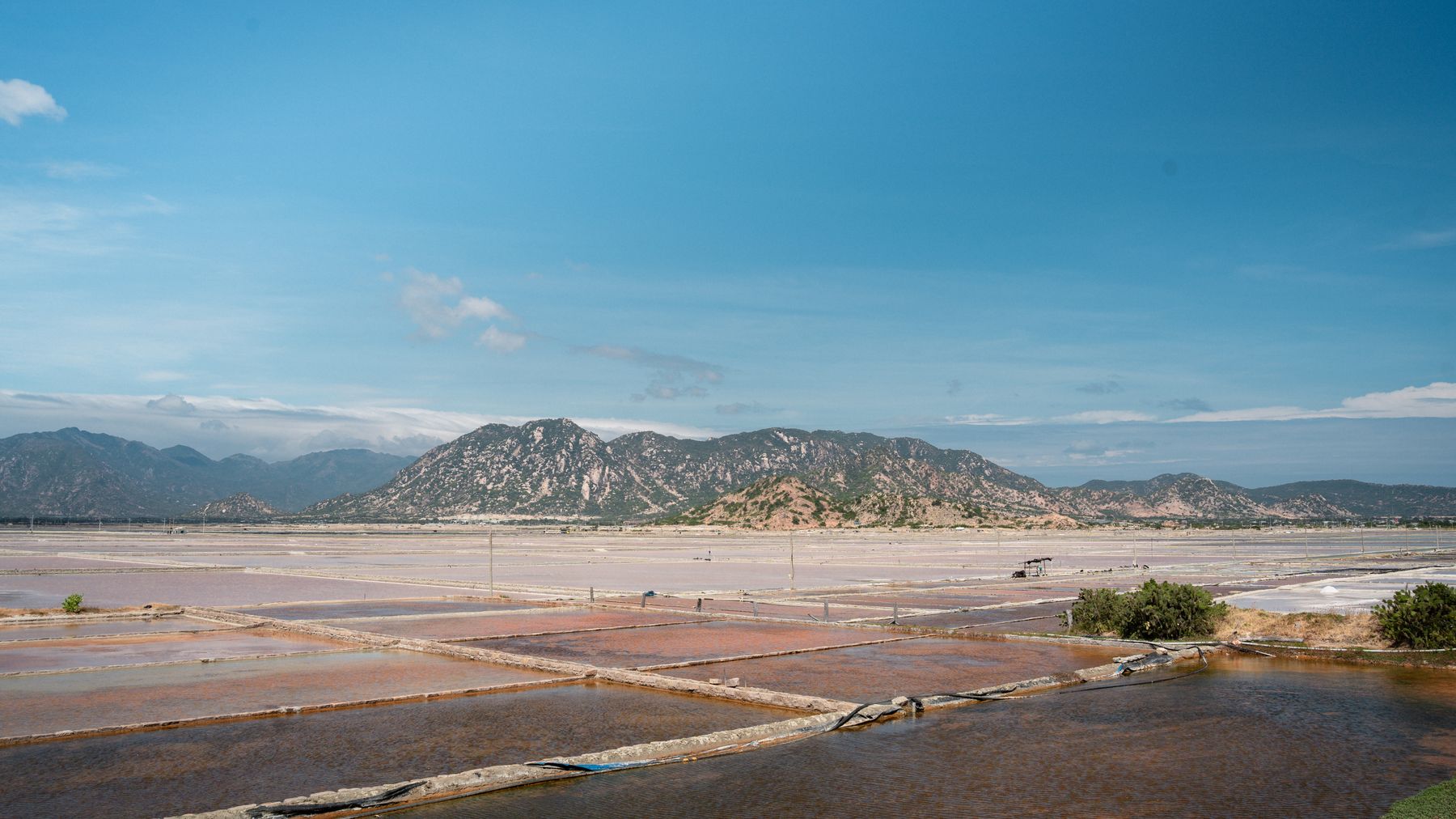
Photo by SICULA Đỗ on Pexels
Where to stay
Accommodation at Ca Na is limited. There are a handful of guesthouses and small hotels right along the highway:
- Budget (200,000-400,000 VND/night): Basic fan rooms with cold water. Clean enough, usually family-run. Don't expect English or online booking — just show up.
- Mid-range (500,000-900,000 VND/night): A couple of newer mini-hotels offer air conditioning, hot water, and sea-view balconies. Ca Na Hotel is the most established option.
- No luxury tier exists here. If you want a pool and room service, stay in Nha Trang and day-trip.
Practical tips locals would tell you
- Bring sunscreen and a hat. This stretch of coast is drier and sunnier than almost anywhere else in Vietnam. There's very little natural shade on the beach.
- Carry cash. No ATMs at Ca Na itself. The nearest reliable ATMs are in Phan Rang.
- Fill your tank before you arrive. Gas stations are sparse between Cam Ranh and Phan Rang.
- Wind is real. From June onward, afternoon winds pick up significantly. Secure your belongings on the beach and expect sand in everything.
Common mistakes to avoid
- Expecting Nha Trang-style infrastructure. Ca Na doesn't have beach bars, rental loungers, or tour desks. That's the point, but know what you're getting into.
- Stopping only for 15 minutes. The bus-stop mentality undersells this place. Spend at least a night to catch the squid boats and the early-morning light on the rocks.
- Swimming during rough conditions. There are no lifeguards. If the waves look strong or the wind is up, stay out of the water — currents along this coast can be unpredictable.
- Skipping the drive. If you fly into Nha Trang and taxi directly, you miss the best part. The coastal road is half the experience.
Last updated · May 29, 2026 · independently researched, never sponsored.