Son La doesn't show up on most Vietnam (베트남 / 越南 / ベトナム) itineraries, and that's exactly why the caves at Ngu Dong Ban On feel like they belong to a different country from the tourist circuits down south. Five interconnected limestone chambers, a Thai ethnic village at their doorstep, and almost nobody else around.
What it is
Ngu Dong Ban On — literally "five caves of Ban On village" — is a cave system about 3 km southeast of Son La city center, nestled into the limestone karst that defines this stretch of the northwest highlands. The caves sit within (and partly beneath) a low mountain ridge, each chamber connected by narrow passages that open into surprisingly tall caverns.
Local Thai communities have known about the caves for generations, using them as shelter during wartime and as sacred spaces tied to animist traditions. The site was developed for visitors in the early 2010s with walkways, basic lighting, and a ticket booth, but it still feels low-key — no laser shows, no piped-in music, no gift shops selling plastic stalactites.
Why travelers go
Three reasons, honestly. First, the caves themselves are genuinely interesting — five distinct chambers with different formations, underground streams in the lower sections, and enough vertical space that you don't feel like you're crawling through a tunnel. Second, the setting: Ban On is a working Thai village, not a replica, and walking through it to reach the cave entrance gives you a sense of daily highland life that curated homestay villages sometimes lack. Third, Son La is a logical overnight stop on the Hanoi to Dien Bien Phu route or the northwest loop through Mai Chau, Moc Chau, and Son La — Ngu Dong Ban On gives you a solid reason to spend a half-day here instead of just passing through.
Best time to visit
October through April is the dry season in Son La province, and that's your window. The caves are accessible year-round, but the dirt paths and village roads leading to the entrance get slippery and muddy during the rainy months (May through September). Mornings are best for the caves — the light filtering through entrance gaps is strongest before noon, and the interiors stay cool regardless, hovering around 18-20°C even when it's 35°C outside.
If you time it right, visiting between late September and November means you'll catch the tail end of rice harvest season in the surrounding valleys. The terraced fields around Son La turn gold, and Ban On village is at its most active.
How to get there
From Hanoi (하노이 / 河内 / ハノイ), Son La is roughly 300 km northwest — about 5-6 hours by bus or private car via the QL6 highway through Hoa Binh and Mai Chau. Buses from My Dinh bus station run multiple times daily; expect to pay 180,000-250,000 VND for a standard seat. A private car with driver runs around 2,500,000-3,000,000 VND one-way.
From Son La city, Ngu Dong Ban On is only about 3 km out. A xe om (motorbike taxi) costs 30,000-50,000 VND, or you can rent a motorbike in town for 120,000-150,000 VND per day and ride there yourself. The road is paved until the last 500 meters, where it becomes a concrete village lane. Follow signs for "Ngu Dong Ban On" from the main road — they're in Vietnamese but easy to spot.
Entrance fee: 20,000 VND per person. Parking is free.

Photo by Quang Nguyen Vinh on Pexels
What to do
Walk all five chambers
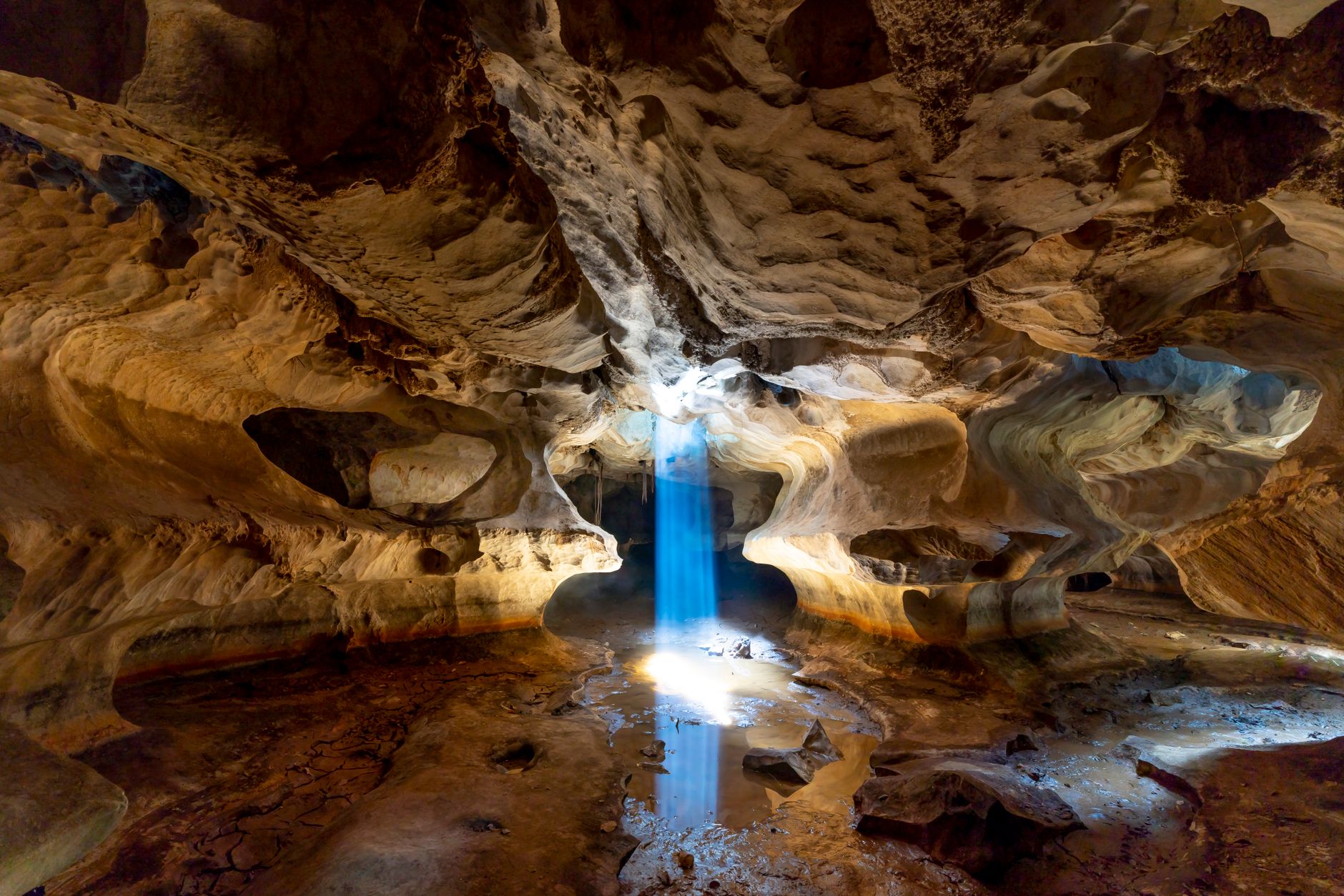
Budget 60-90 minutes to explore properly. The first two chambers are the largest — high ceilings, thick stalagmite columns, and some formations that locals have named after animals and household objects. The third and fourth chambers narrow and dip lower, with evidence of underground water flow. The fifth chamber opens to a secondary exit with a view over the valley. Don't rush through the connecting passages; the rock textures and mineral coloring shift noticeably between chambers.
Spend time in Ban On village
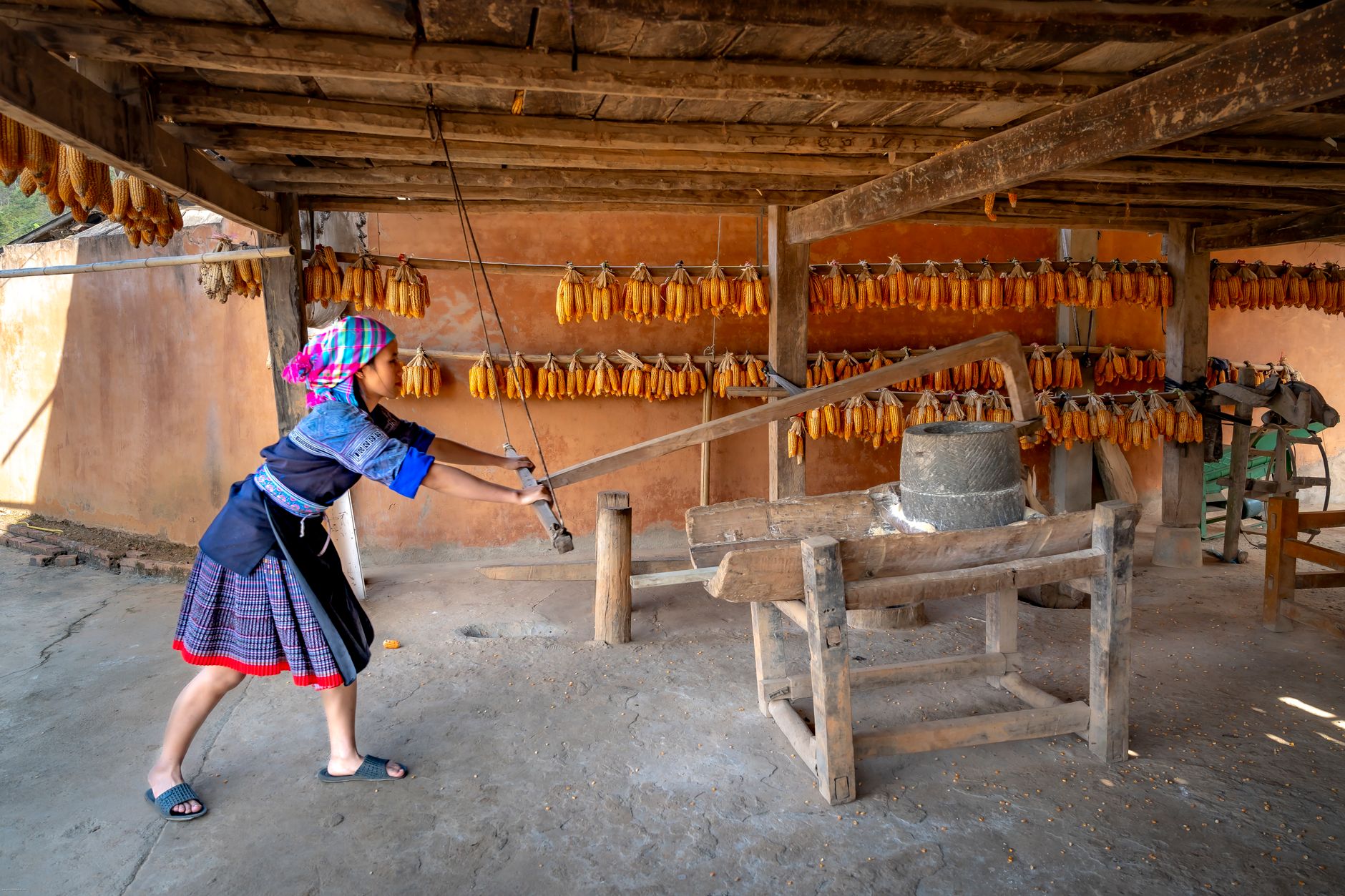
Before or after the caves, walk through the village itself. Ban On is home to Black Thai families, and you'll see traditional stilt houses with thatched or corrugated roofs, small garden plots, and occasionally looms set up beneath the houses where women weave textiles. This isn't a performance — people live here. Be respectful, ask before photographing, and if someone offers you tea, sit down. It's genuine hospitality.
Hike the ridge above the caves
A rough trail leads up the hillside above the cave entrances. It's not marked, but locals can point you in the right direction. The climb takes about 20 minutes and gives you a wide view over the Son La valley and surrounding karst. Wear proper shoes — the limestone is sharp.
Visit the Son La former prison
Back in town, the old French colonial prison (about 3 km from the caves) is worth an hour. It's a sombre historical site with a museum, and it contextualizes Son La's role during the colonial and revolutionary periods. Entry is 20,000 VND.
Where to eat nearby
Son La city has a few local dishes worth tracking down. "Pa pinh top" — fish stuffed with herbs, wrapped in banana leaf, and grilled over charcoal — is the regional specialty. Look for it at small restaurants along Duong To Hieu street; a plate runs 80,000-120,000 VND. "Nau moc" is a sour bamboo shoot soup common in Thai households here, earthy and deeply flavored. If you're staying overnight, the night market near the central roundabout has grilled meats, sticky rice, and "com lam" (bamboo tube rice) for 20,000-40,000 VND per portion.
For morning fuel, "pho" shops open early along the main road — nothing fancy, just solid bowls for 30,000-40,000 VND.
Where to stay
Son La city has a range of guesthouses and mini-hotels. Budget places near the bus station charge 200,000-350,000 VND per night for a clean room with hot water and Wi-Fi. Mid-range options like Trade Union Hotel or Hai Phong Hotel run 400,000-700,000 VND. There are no hotels at Ban On village itself, but a few homestays in the area offer basic rooms and meals for around 250,000-350,000 VND per person including dinner and breakfast — ask at the ticket booth or arrange through your hotel in town.

Photo by Phạm Nho on Pexels
Practical tips locals would tell you
- Bring a headlamp or strong phone flashlight. The installed cave lighting covers the main path but leaves side formations in the dark, and some bulbs are burnt out.
- Wear shoes with grip. The cave floors are damp and uneven, and the village paths can be muddy even in dry season after morning dew.
- Carry cash. There's no ATM at Ban On and the ticket booth doesn't take cards.
- If you're riding a motorbike from Hanoi via the northwest loop, Ngu Dong Ban On fits naturally into a route that includes Mai Chau and Moc Chau before continuing to Dien Bien Phu.
Common mistakes to avoid
Don't treat this as a quick 20-minute photo stop. The caves reward patience — the deeper chambers are the most interesting, and most rushed visitors turn back after the second one. Don't skip the village, either. Walking straight to the caves and straight back misses half the experience. And don't show up at midday in summer expecting comfort; the walk from the parking area to the cave entrance is exposed, and Son La's midday heat between April and September is no joke.
Practical notes
Ngu Dong Ban On works best as a half-day excursion from Son La city, ideally combined with a morning in the caves and an afternoon exploring town. It's not a destination you'd fly across the country for on its own, but as part of a northwest Vietnam road trip, it's a rewarding stop that most travelers blow right past.
Last updated · May 26, 2026 · independently researched, never sponsored.