What it is
Bao Tang Quang Trung (Quang Trung Museum) sits in Phu Phong town, Tay Son district, about 45 km west of Quy Nhon city. The museum complex covers roughly 10 hectares and honors Nguyen Hue — later Emperor Quang Trung — and the 18th-century Tay Son movement that briefly unified Vietnam (베트남 / 越南 / ベトナム) and defeated a Qing Chinese invasion in 1789.
The site was built on the land where the three Tay Son brothers (Nguyen Nhac, Nguyen Hue (후에 / 顺化 / フエ), Nguyen Lu) grew up. It opened in 1978 and has been expanded several times since. Today it holds an exhibition hall, a temple, a martial arts performance courtyard, traditional gardens, and a collection of weapons, documents, and ceramics from the Tay Son period.
This is not a polished, high-budget national museum. It feels more like a local heritage site that takes its subject seriously — which is exactly why it rewards a visit.
Why travelers go
Most foreign visitors skip Tay Son district entirely, heading straight for Quy Nhon's beaches or onward to Hoi An. That means you'll likely have the museum grounds mostly to yourself. The reasons to come:
- The history is genuinely dramatic. The Tay Son brothers went from a betel nut trading family to overthrowing the ruling lords and repelling a 200,000-strong Qing army — all within about 15 years. The museum tells that story through maps, replica weapons, and dioramas.
- Tay Son martial arts. The region developed its own fighting style, "vo Tay Son," and the museum sometimes hosts live demonstrations in the courtyard. Even without a show, you can see the training equipment and wooden dummies.
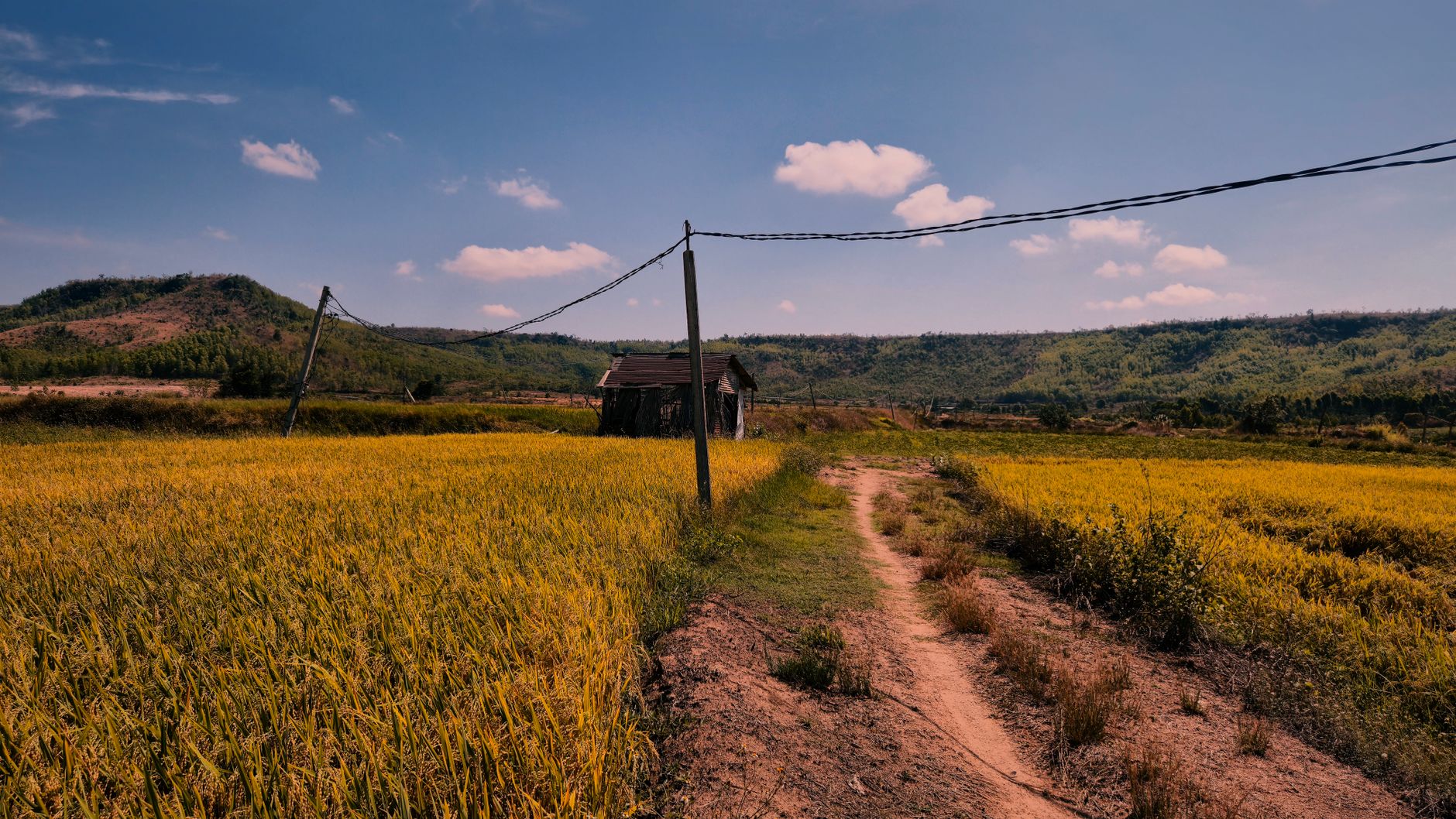
- It's a window into a part of Vietnam that tourists rarely encounter. Tay Son district is rural, quiet, and surrounded by cashew and pepper plantations. Coming here puts you in the interior highlands fringe rather than the coastal strip.
Best time to visit
The museum is open year-round, but timing matters.
January to March is ideal — dry, cooler (25-30°C), and you catch the annual Tay Son Festival, which falls around the 4th and 5th day of the first lunar month (usually late January or February). During the festival, martial arts performances, drum shows, and traditional games fill the complex. It's the one time the site genuinely buzzes.
Avoid September to November, when the central coast rainy season hits hardest. The grounds get muddy and the outdoor exhibits are less enjoyable.
The museum is open daily, typically 7:00–11:00 and 13:30–17:00. Closed during lunch — don't show up at noon expecting to get in.
How to get there
The nearest major hub is Quy Nhon (Phu Cat airport, code UIH).
- From Quy Nhon by motorbike or taxi: Take QL19 west toward Pleiku. Phu Phong town is about 45 km, roughly 50-60 minutes by motorbike. A Grab car runs around 250,000-350,000 VND one way. This is the most practical option.
- From Quy Nhon by local bus: Buses heading toward Gia Lai province along QL19 pass through Phu Phong. Ask for "Bao tang Quang Trung" — the driver will know. Fare is around 30,000-40,000 VND. Departures from Quy Nhon bus station are frequent in the morning, less so after 14:00.
- From Da Nang or Hoi An: It's a 300 km drive south. Not a day trip — you'd want to base in Quy Nhon first.
- From Gia Lai (Pleiku): About 170 km east on QL19, roughly 3-3.5 hours by car. Doable as a stop if you're traveling between the Central Highlands and the coast.
Entrance fee is 30,000 VND (as of 2024). Negligible.

Photo by Pew Nguyen on Pexels
What to do — 5 specifics
1. Walk the main exhibition hall
Two floors covering the Tay Son period chronologically. The ground floor focuses on the brothers' origins and early rebellion; the upper floor covers Nguyen Hue's military campaigns and his brief reign as Emperor Quang Trung. Labels are in Vietnamese with some English — not comprehensive, so reading up beforehand helps.
2. See the weapon replicas
The museum displays reproductions of Tay Son-era swords, spears, and the famous fire-lance arrows reportedly used during the 1789 Tet offensive against the Qing. The originals are mostly lost, but the replicas are based on historical descriptions and give a sense of the era's warfare.
3. Watch or ask about Tay Son martial arts
During the Tay Son Festival, "vo Tay Son" demonstrations happen on the main courtyard. Outside festival season, ask the staff — they sometimes arrange informal demonstrations for groups, or can point you to a local training school nearby. The drum performances ("trong tran") that accompany the martial arts are worth seeing on their own.
4. Visit the Tay Son temple on the grounds
Behind the exhibition hall, a temple honors the three brothers. Incense, offerings, and a quieter atmosphere than the museum itself. Locals come here to pray, especially around Tet / 越南春节 / テト).
5. Drive the surrounding countryside
Rent a motorbike and ride the back roads around Tay Son district. Cashew orchards, pepper farms, small villages, and the An Khe Pass area to the west. This is where the trip becomes more than a museum visit.
Where to eat nearby
Phu Phong town has basic local restaurants — rice plates, noodle soups, nothing fancy. Two dishes worth seeking:
- "Banh xeo" Binh Dinh style — thinner and crispier than the southern version, often stuffed with shrimp and bean sprouts. Several small shops along the main road through town serve them for 10,000-15,000 VND per piece.
- "Bun cha ca" — fish cake noodle soup, a Quy Nhon specialty you'll also find in Tay Son district. Light, clean-flavored, good for a hot day. Around 25,000-35,000 VND per bowl.
For more variety, eat in Quy Nhon before or after your visit.
Where to stay
Tay Son district has very limited accommodation — a few local guesthouses ("nha nghi") in Phu Phong town, basic but clean, 150,000-250,000 VND per night.
Most travelers base in Quy Nhon, where options range from budget hotels (300,000-500,000 VND) to beachfront resorts (1,500,000 VND+). Make the museum a half-day trip from there.

Photo by Vy Van Bui on Pexels
Practical tips locals would tell you
- Bring water and sun protection. The grounds are open and shade is limited outside the exhibition hall. Tay Son district is hotter than coastal Quy Nhon.
- Combine with Quang Hieu Pagoda and Ham Ho, both within 15-20 km. Ham Ho is a river swimming spot popular with locals — good for cooling off after the museum.
- Hire a local xe om (motorbike taxi) driver in Phu Phong if you don't have your own wheels. They know the back roads and can take you to surrounding sites for 100,000-200,000 VND for a half day.
- Read up on Tay Son history before you go. The museum's English signage is thin. Knowing the story in advance makes the exhibits click.
Common mistakes to avoid
- Showing up during lunch break (11:00-13:30). The gates close. Plan around it.
- Expecting a full-day attraction. The museum itself takes 60-90 minutes. Pair it with the surrounding countryside or Ham Ho to justify the trip from Quy Nhon.
- Skipping it because "it's just a museum." The grounds, the martial arts tradition, and the rural setting make this more than display cases. But only if you come with some context and curiosity.
Practical notes
Bao Tang Quang Trung is a half-day detour, not a destination on its own. Pair it with a Quy Nhon beach stay or a longer route between the coast and the Central Highlands via Gia Lai. If you time it right during the Tay Son Festival in early lunar new year, it's one of the more distinctive cultural events in central Vietnam — far from the tourist circuits of Hue or Hoi An.
Last updated · May 29, 2026 · independently researched, never sponsored.