"Com hen" is Hue's answer to the question: what do you eat at 7am when you want something funky, crunchy, and intensely flavored? It's a small bowl of cold rice topped with baby clams harvested from the Perfume River, shredded herbs, roasted peanuts, sesame crackers, chili, and a spoonful of "mam ruoc" — the pungent fermented shrimp paste that defines so much of Hue cooking. The clams are tiny, barely a fingernail wide, and the dish costs less than a coffee anywhere else in the country. Get it wrong and it's just cold rice. Get it right and it's one of the best breakfasts in Vietnam (베트남 / 越南 / ベトナム).
What Makes Hue's Com Hen Different
The clams come specifically from Con Hen — a small sandbar island in the Perfume River just east of the city center, about 3 km from Dong Ba Market. Families on the island have harvested and sold clams for generations, and the best com hen stalls source directly from them. The mam ruoc here is also notably sharper than the southern version, and vendors layer in more toppings than you'd expect: fried pork skin, banana flower, laksa leaf, and sometimes a ladle of the clam broth on the side (order "nuoc hen" separately if you want it warm).
The dish is served at room temperature, not hot. First-timers often find this off-putting. Don't ask for it heated — you'll get a polite refusal and a slightly puzzled look.
5 Places Worth Going Out of Your Way For
Quan Com Hen Ba Do
This is the stall most Hue (후에 / 顺化 / フエ) locals point to first. Ba Do has been serving on Con Hen island itself for over 20 years, which means you're eating the dish essentially at the source. The clam-to-rice ratio is higher than anywhere in the city, the mam ruoc comes in a separate dish so you control the intensity, and the pork crackling is fresh-fried each morning. Getting here requires crossing the small footbridge off Nguyen Sinh Cung street — about 3.5 km from the Imperial Citadel. Bowls run 15,000–20,000 VND. Open from roughly 6am until sold out, usually by 10am.
Com Hen Co Hen — 11 Truong Dinh
In the city proper, this narrow shophouse near the Phu Cat neighborhood is the most consistent daily option. The owner has been at the same address for 15 years. She makes her own mam ruoc in-house — it's thicker and less salty than the jarred stuff — and tops each bowl with a proper heap of shredded laksa leaf. No English menu, but the ordering system is simple: hold up fingers for the number of bowls. Prices are 15,000 VND for a standard bowl. Open 6:30am–11am.
Quan Com Hen 17 Trung Tien
A slightly larger operation near the An Cuu area, south of the Phu Xuan Bridge. This place does a brisk lunchtime trade, which means they're turning over clams fast enough that nothing sits around. The broth served alongside is noticeably cleaner and more aromatic than at some competitors — worth ordering a cup (5,000 VND extra). They also serve "bun hen," the same topping set over rice vermicelli instead of rice, if you want to compare. Bowls from 18,000–25,000 VND. Open 6am–1pm.
Banh Canh Ca Loc & Com Hen — 44 Nguyen Binh Khiem
Don't let the name confuse you — this stall runs both "banh canh" and com hen from the same kitchen. The com hen here skews toward the heavier side: more pork skin, more peanuts, less herb-forward than the island version. Some people prefer it. The chili sambal on the table is house-made and genuinely hot, not decorative. Good option if you're already in the Vy Da neighborhood, around 2 km south of Dong Ba Market. Bowls 18,000–22,000 VND. Open 5:30am–noon.
Quan Com Hen — Cho Con Hen (Con Hen Market Stalls)
The cluster of four or five stalls inside the small market on Con Hen island is worth mentioning separately from Ba Do above. The vendors here are more variable — quality depends on the day and the clam supply — but the experience of eating at a plastic table 10 meters from where the clams were pulled that morning is hard to replicate. Go on a weekday morning when the market is running at full pace. Prices are 12,000–15,000 VND, the cheapest you'll find. If a bowl tastes off or the clams seem sparse, move one stall to the left. No fixed hours; generally 5:30am–9:30am.

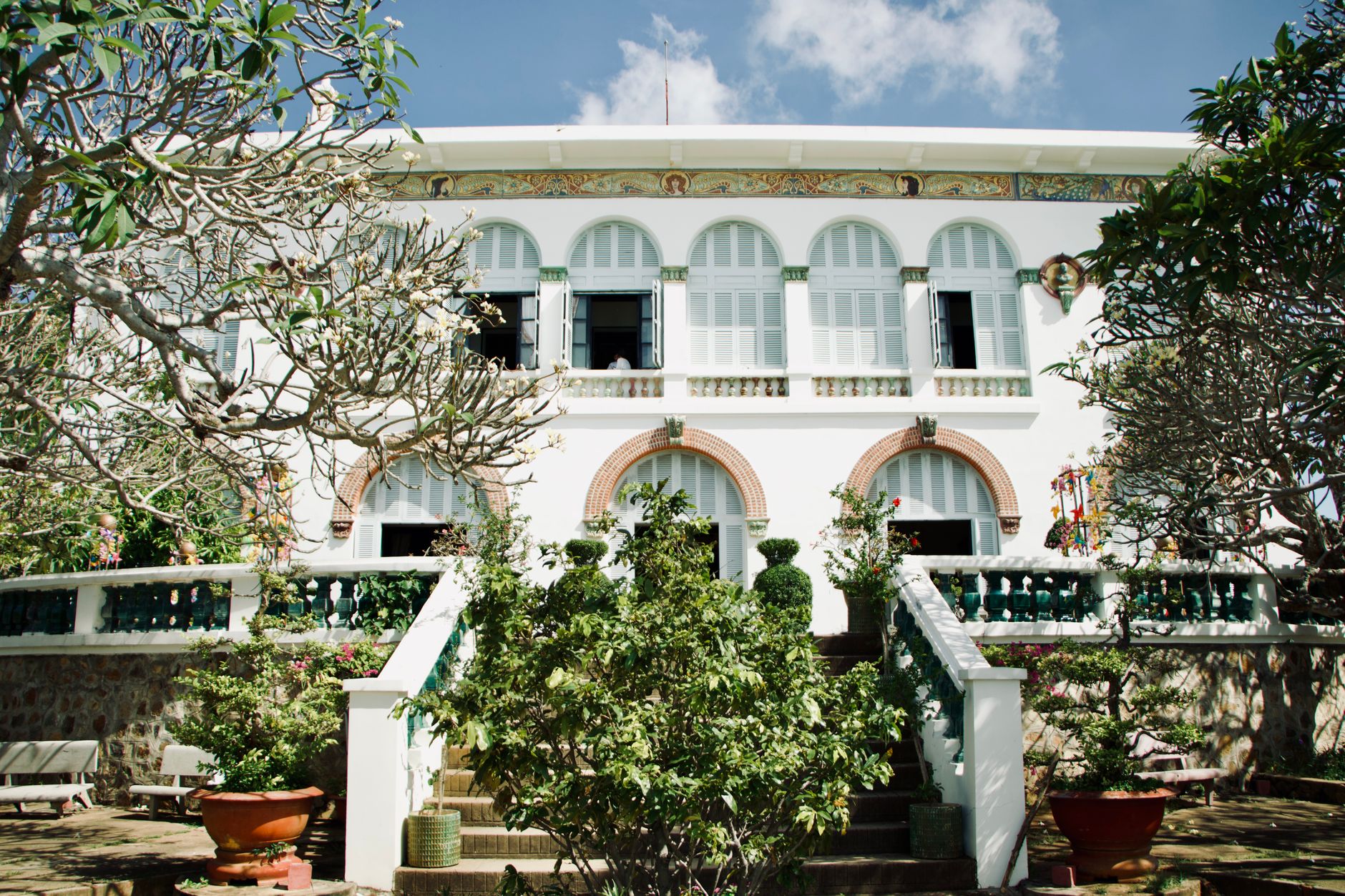
Photo by Pew Nguyen on Pexels
Skip This Place
Several tourist-facing restaurants near the Imperial Citadel and along Le Loi street have added com hen to their menus as a heritage dish showcase. The presentations are tidy and the English explanations are thorough, but the mam ruoc is invariably dialed back for foreign palates and the clams are often from a supplier rather than the river. You're paying 50,000–70,000 VND for a version that's been softened into something that won't offend anyone — which means it's lost the point. If you want com hen to actually taste like Hue, stick to the early-morning stalls listed above.

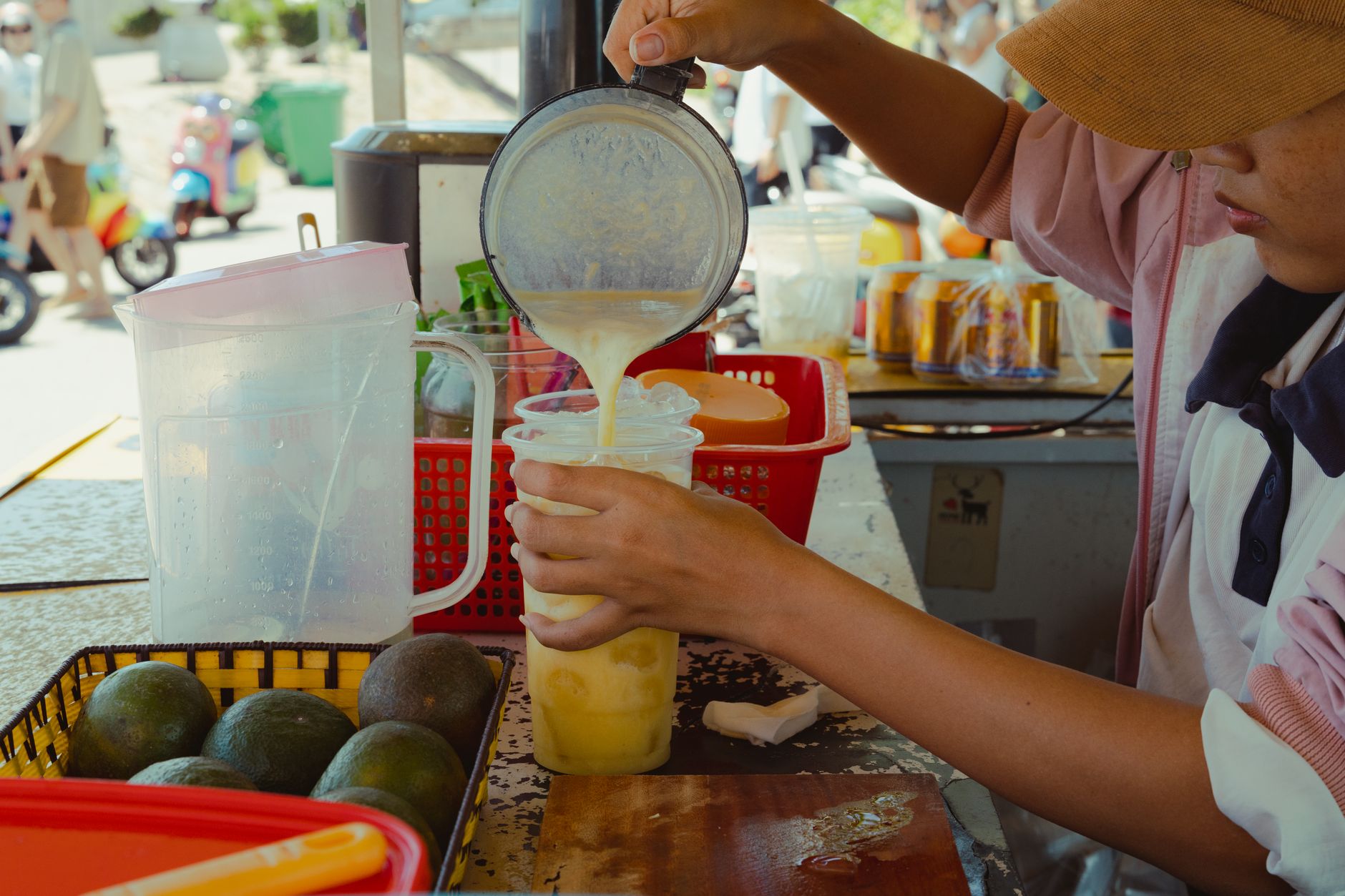
Photo by Khoa Nguyen on Pexels
Practical Notes
Com hen is a breakfast and early-morning dish; most stalls close before noon and the best ones sell out by 10am. Pair it with a glass of "ca phe sua da" from any nearby vendor — the bitterness of iced coffee against the funk of mam ruoc is a genuinely good combination. If you're planning a wider food tour of Hue, the city also does extraordinary "bun bo hue" and "banh xeo," both worth building a morning around before the heat sets in.
Last updated · May 26, 2026 · independently researched, never sponsored.