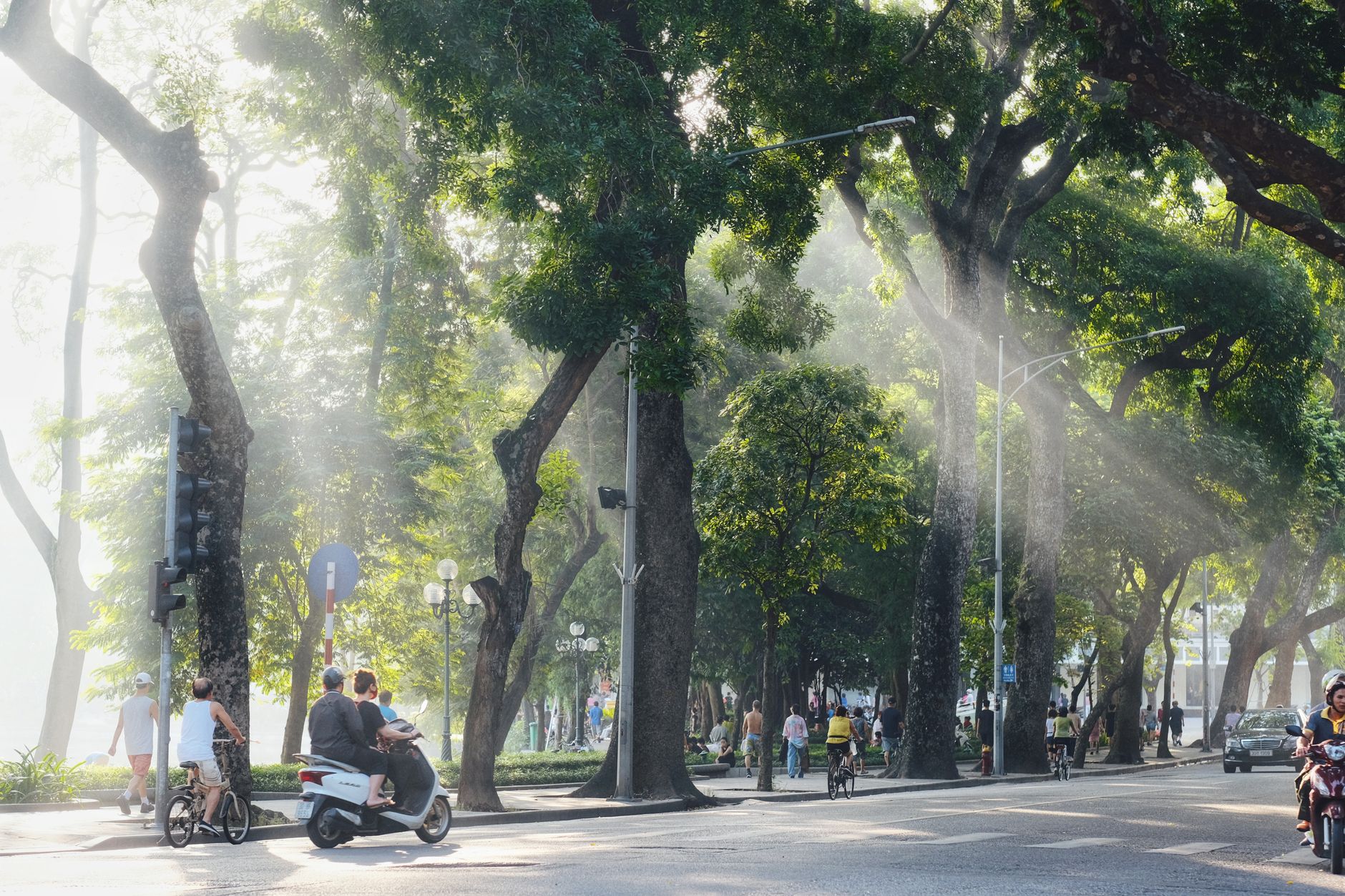
When the rain rolls into Central Vietnam (베트남 / 越南 / ベトナム)—typically from October through December—the coastal plans often fall apart. Instead of fighting the weather, this itinerary leans into the moody, atmospheric side of the region. By focusing on the dense history of Hue and the sheltered alleys of Hoi An, you can experience the culture without needing a raincoat for every waking hour.
Day 1 — Arrival in Hue
Land in Hue (후에 / 顺化 / フエ) and head straight to the city center. The rain here feels heavier, more deliberate. Check into a hotel near the Perfume River. For your first meal, find a local spot serving "bun bo hue". The spicy, lemongrass-heavy broth is the perfect antidote to damp, cool air. Spend the evening at a quiet cafe with a "vietnamese coffee" to watch the mist settle over the water.
Day 2 — The Imperial Legacy
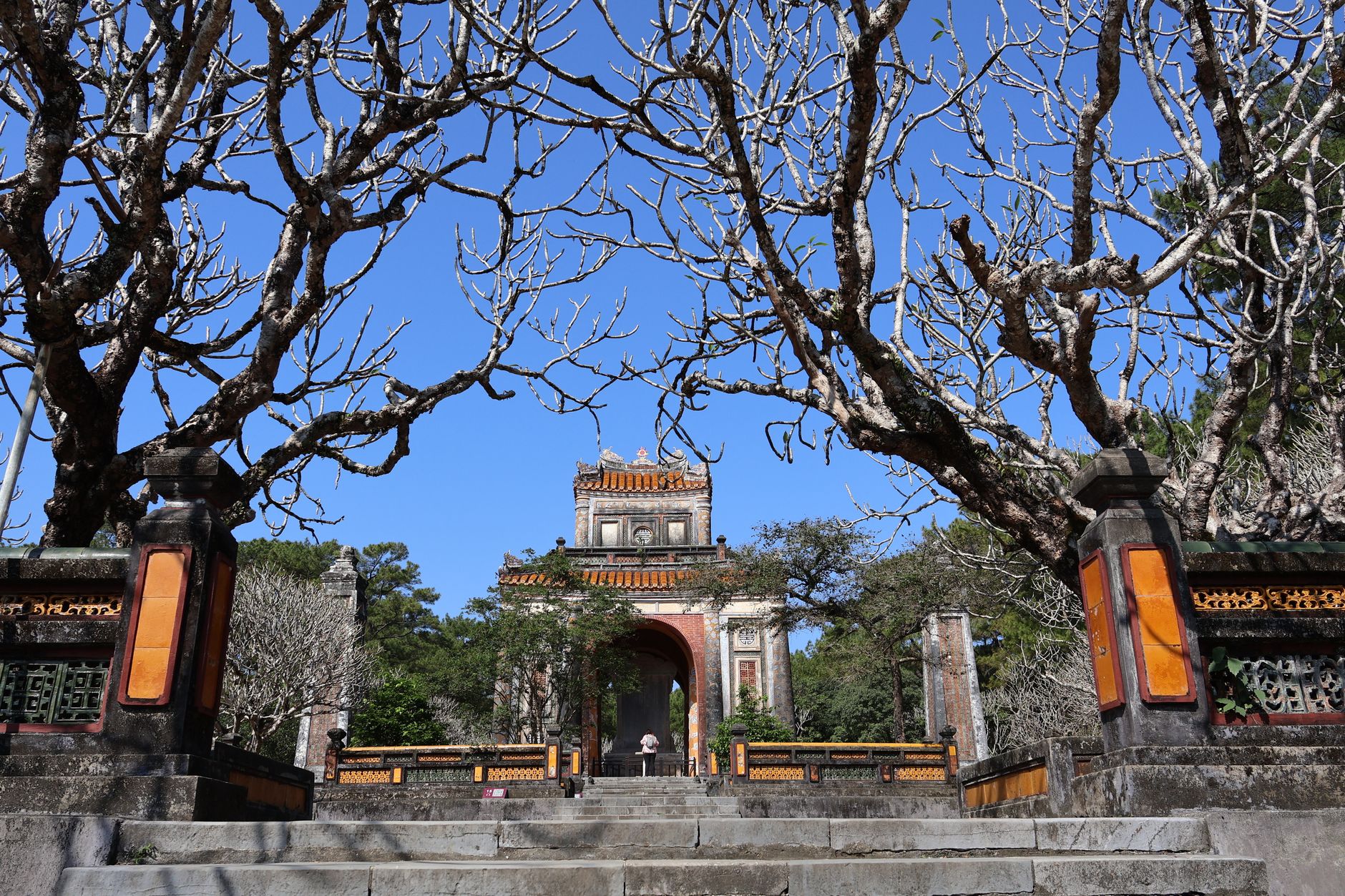
Start early at the "Imperial Citadel Thang Long" (note: Hue's version). The stone architecture of the citadel holds up well in the rain, and the covered walkways provide ample shelter. In the afternoon, head to the "Tomb of Tu Duc". The sprawling grounds are lush and green during the monsoon, and the surrounding pine forests look best under a gray sky.
Day 3 — Architectural Immersion
Dedicate this day to the "Tomb of Khai Dinh". Its fusion of European and Vietnamese styles is striking, and the interior mosaics are fully protected from the elements. If the rain intensifies, duck into a local tea house for some "lotus tea". Hue is arguably the best place in the country for traditional royal-style snacks.
Day 4 — Transition to Da Nang
Take the train from Hue to Da Nang. This is one of the most scenic rail journeys in the country, passing through the Hai Van Pass. Even in the rain, the view of the coastline from the train carriage is worth the ticket price (around 150,000 VND). Once in Da Nang, settle into a hotel in the Son Tra district.
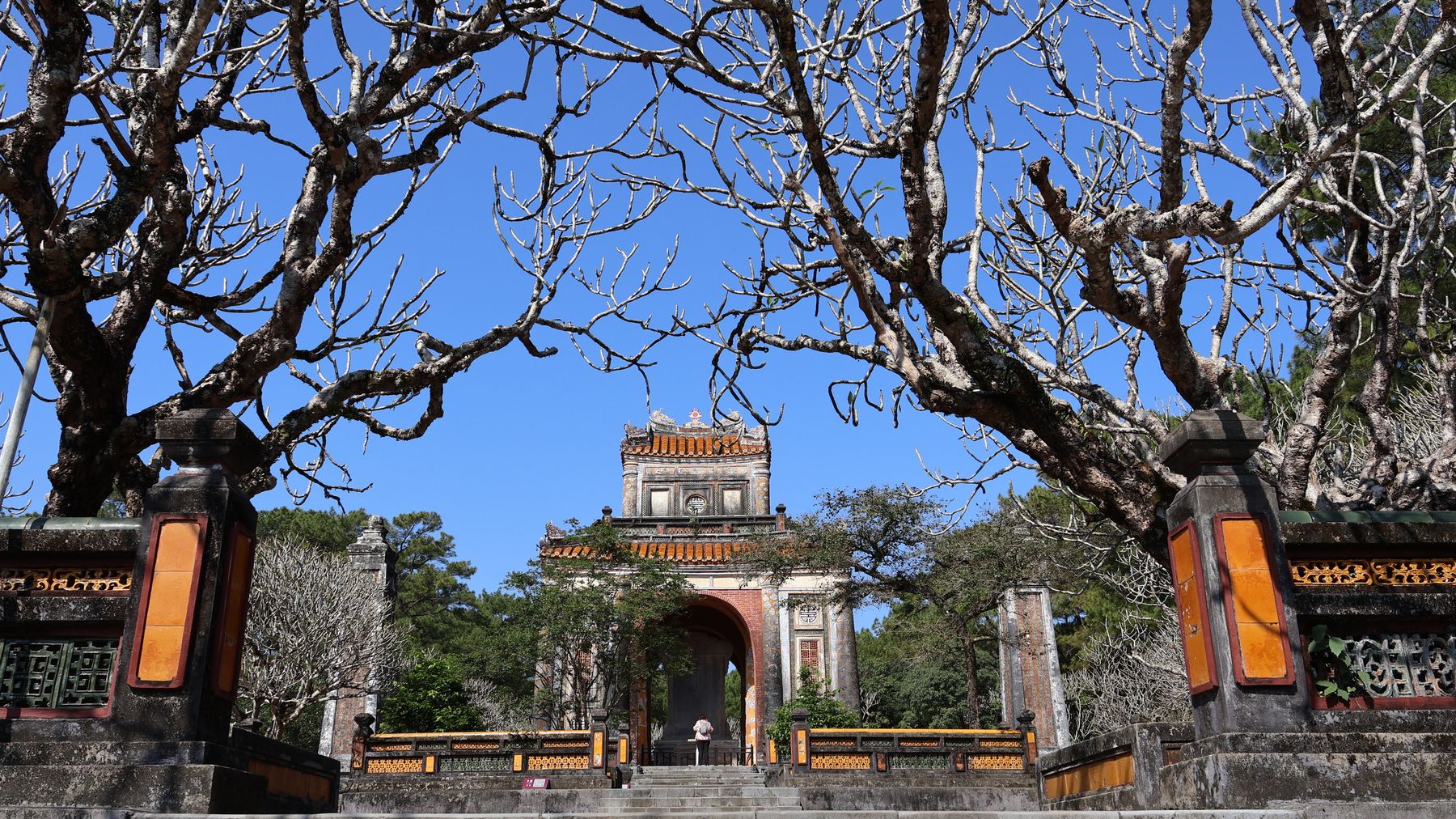
Photo by Minh Lê on Pexels
Day 5 — Da Nang Culinary Deep Dive
Da Nang is a food city that doesn't stop for rain. Spend your day hunting for "mi quang". The turmeric-infused noodles are a local staple. In the afternoon, visit the Han Market for a dry, indoor experience. If you want a cultural performance, look for local "cai luong" or "don ca tai tu" sessions, which are often held in indoor community centers.
Day 6 — The Road to Hoi An
Travel the 30km south to Hoi An. Check into a homestay in the Cam Chau area, which feels quieter during the wet months. Spend the afternoon wandering the Ancient Town. The yellow walls of the shophouses are vibrant even when wet, and the lack of crowds makes the "cao lau" shops much more accessible.
Day 7 — Slow Living in the Ancient Town
When the rain is steady, Hoi An is best experienced from the inside. Visit the various assembly halls and the Japanese Covered Bridge. For lunch, grab a "banh mi" from the famous stalls and find a covered balcony overlooking the Thu Bon River. It is the perfect time to pick up a custom-made "ao dai" or other tailored clothing, as the tailors have more time to focus on your order.
Photo by Minh Lê on Pexels
Day 8 — Craft and Culture
If the weather permits a break, take a short trip to the nearby pottery villages. If it is pouring, focus on the indoor workshops. Many local artisans offer classes in traditional crafts. In the evening, look for a "water puppetry" show, which is a classic indoor cultural experience that remains unaffected by the monsoon.
Day 9 — My Son Sanctuary
Take a morning trip to "My Son". While it is an outdoor site, the ruins are atmospheric in the rain. The lack of tour buses makes the experience feel much more personal. Return to Hoi An for a final dinner of "banh xeo" and "goi cuon".
Day 10 — Departure
Enjoy a slow morning with a final "ca phe sua da" before heading back to Da Nang for your departure. Use the time to reflect on the region's ability to remain vibrant regardless of the season.
Practical notes
Pack a high-quality, lightweight rain shell rather than a heavy poncho, which can be cumbersome. Always keep your electronics in dry bags, as the humidity in Central Vietnam during the monsoon is significant. Most importantly, embrace the slower pace—the rain is a part of the local rhythm, not an obstacle to it.
Last updated · May 30, 2026 · independently researched, never sponsored.