Central Vietnam (베트남 / 越南 / ベトナム) is often sold as a beach destination, but the coastal strip between Hue and Da Nang holds the most dense concentration of 20th-century military history in the country. This 10-day route avoids the typical resort-hopping pace, focusing instead on the physical remnants of the Imperial era and the conflict that defined the mid-1900s.
Day 1-3 — The Imperial Capital of Hue
Start in Hue (후에 / 顺化 / フエ), the seat of the Nguyen Dynasty. Spend your first day inside the Imperial Citadel Thang Long’s cousin, the Hue Imperial Citadel. The site suffered significant damage during the 1968 Tet Offensive; you can still see bullet holes in the remaining brickwork of the outer walls.
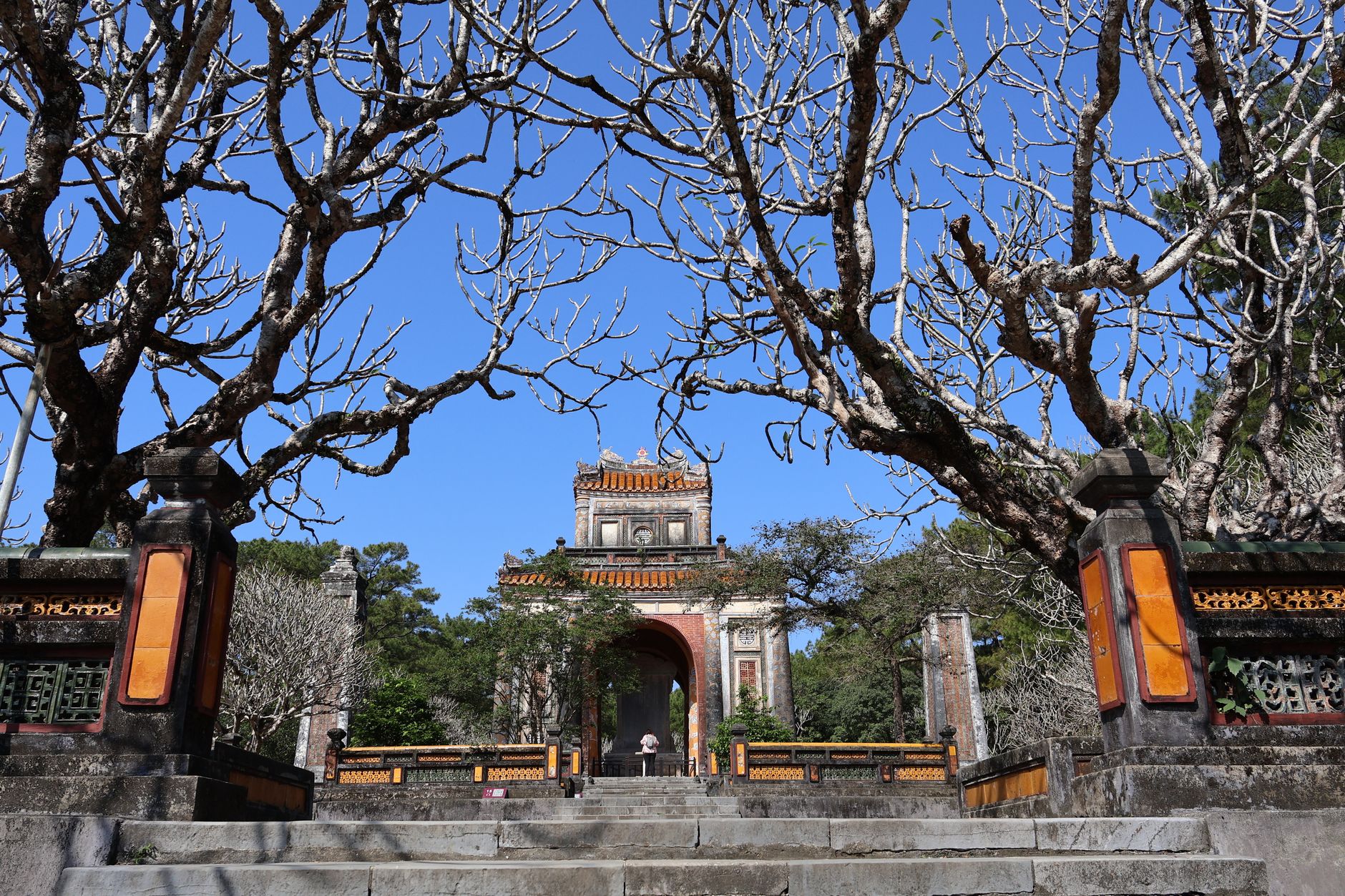
On day two, rent a motorbike and head south to the Tomb of Tu Duc and the Tomb of Khai Dinh. These are not just burial sites; they are masterclasses in how the Nguyen rulers blended traditional architecture with early 20th-century French influence. On your third day, take a boat trip along the Perfume River to the Thien Mu Pagoda, then spend the afternoon at the DMZ Museum in Hue to prepare for the journey north.
Day 4-5 — The DMZ and Khe Sanh
Head north toward the former Demilitarized Zone. This is a somber, rural stretch of the country. Visit the Hien Luong Bridge and the Ben Hai River, which served as the physical dividing line.
Continue west toward Khe Sanh. The former combat base here is now a museum with aircraft and artillery pieces left on the tarmac. The drive through the mountains toward the Lao border is stark and quiet, offering a different perspective on the geography that dictated military strategy in the region. Stay overnight in Dong Ha to break up the travel.
Day 6 — The A Shau Valley
Travel south through the A Shau Valley. This area was a major infiltration route and the site of intense fighting. It is less visited than the coastal sites, and the landscape remains rugged. This is a day for reflection and observing the slow return of the jungle to former base sites. Return to Hue for a bowl of "bun bo hue"—the spicy, lemongrass-heavy beef noodle soup is the best way to recover after a long day of travel.
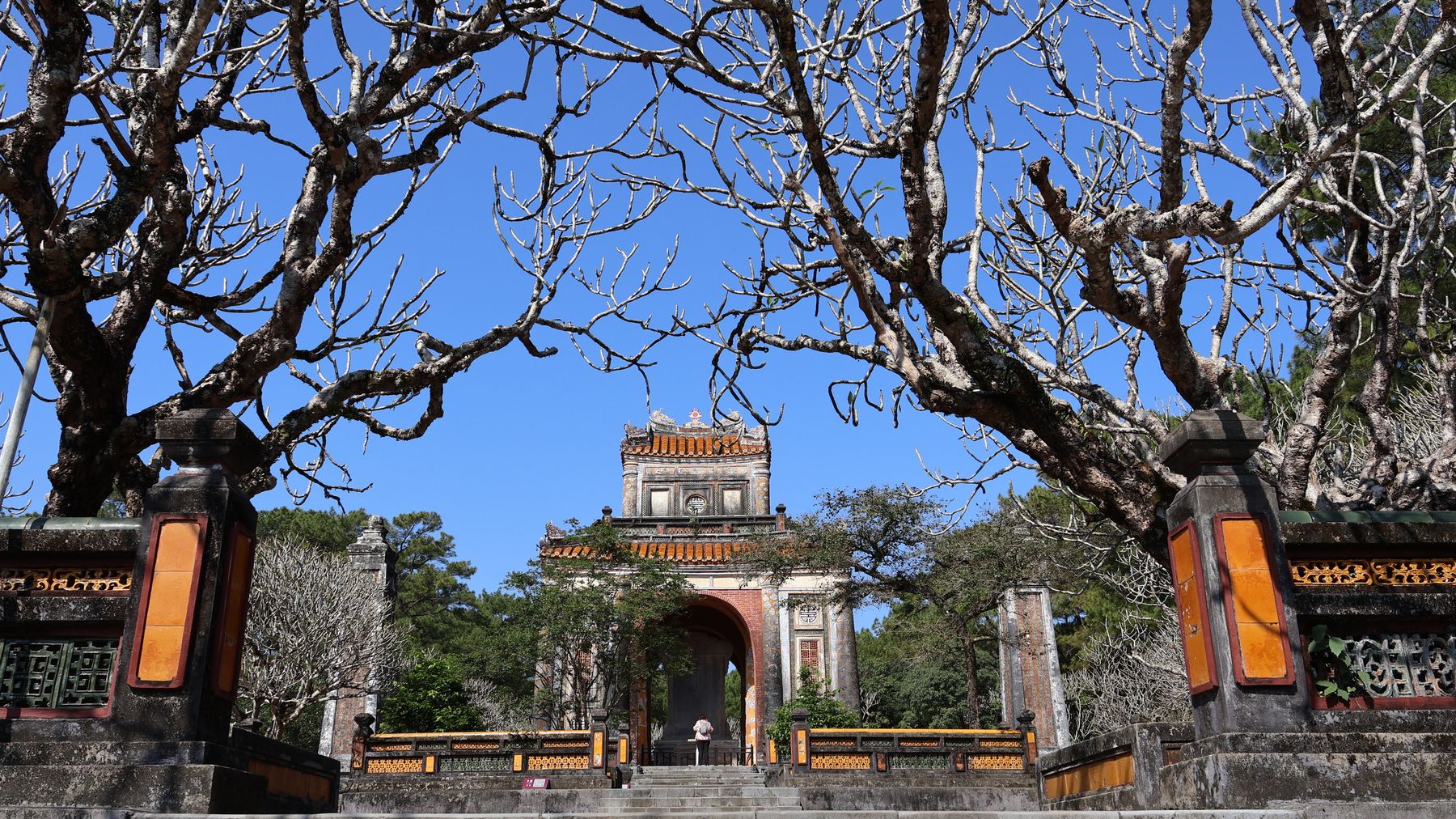
Photo by Minh Lê on Pexels
Day 7 — The Hai Van Pass to Da Nang
Drive the Hai Van Pass toward Da Nang. The pass was a strategic chokepoint for centuries. Stop at the bunkers near the summit; many were built by the French and later used by various forces throughout the 1960s. Once in Da Nang, visit the Da Nang Museum of Cham Sculpture to see the pre-colonial history of the region, which provides a necessary contrast to the modern military sites.
Day 8 — The Legacy of the Central Coast
Spend the morning at the Marble Mountains, where caves were used as field hospitals and shelters during the war. The contrast between the religious shrines inside the caves and their tactical use is striking. In the afternoon, head to the outskirts of the city to see the remnants of the former airbase. End the day with a "banh xeo" dinner at a local stall near the Han River.

Photo by Quang Nguyen Vinh on Pexels
Day 9 — My Son Sanctuary
Take a day trip to My Son, the heart of the Champa Kingdom. While the site is famous for its brick towers, it was also heavily bombed during the war. You will see craters surrounding the ruins, a physical reminder of how the conflict impacted even the most ancient heritage sites. It is a quiet, heavy place that demands a full morning of exploration.
Day 10 — Reflection in Hoi An
Finish in Hoi An. While it is now a hub for tourism, the architecture of the Ancient Town survived the conflict largely intact. Spend your final day walking the streets, eating "cao lau," and visiting the small museums that document the town’s merchant history. It is a peaceful end to a route that covers a century of intense transformation.
Practical notes
Rent a reliable motorbike for the mountain stretches, or hire a private driver if you are uncomfortable with the local traffic. Always carry your passport, as some remote border areas near the DMZ may require identification checks. Pack light, as you will be moving between cities frequently.
Last updated · May 30, 2026 · independently researched, never sponsored.