Day 1 — Arrival in Hue
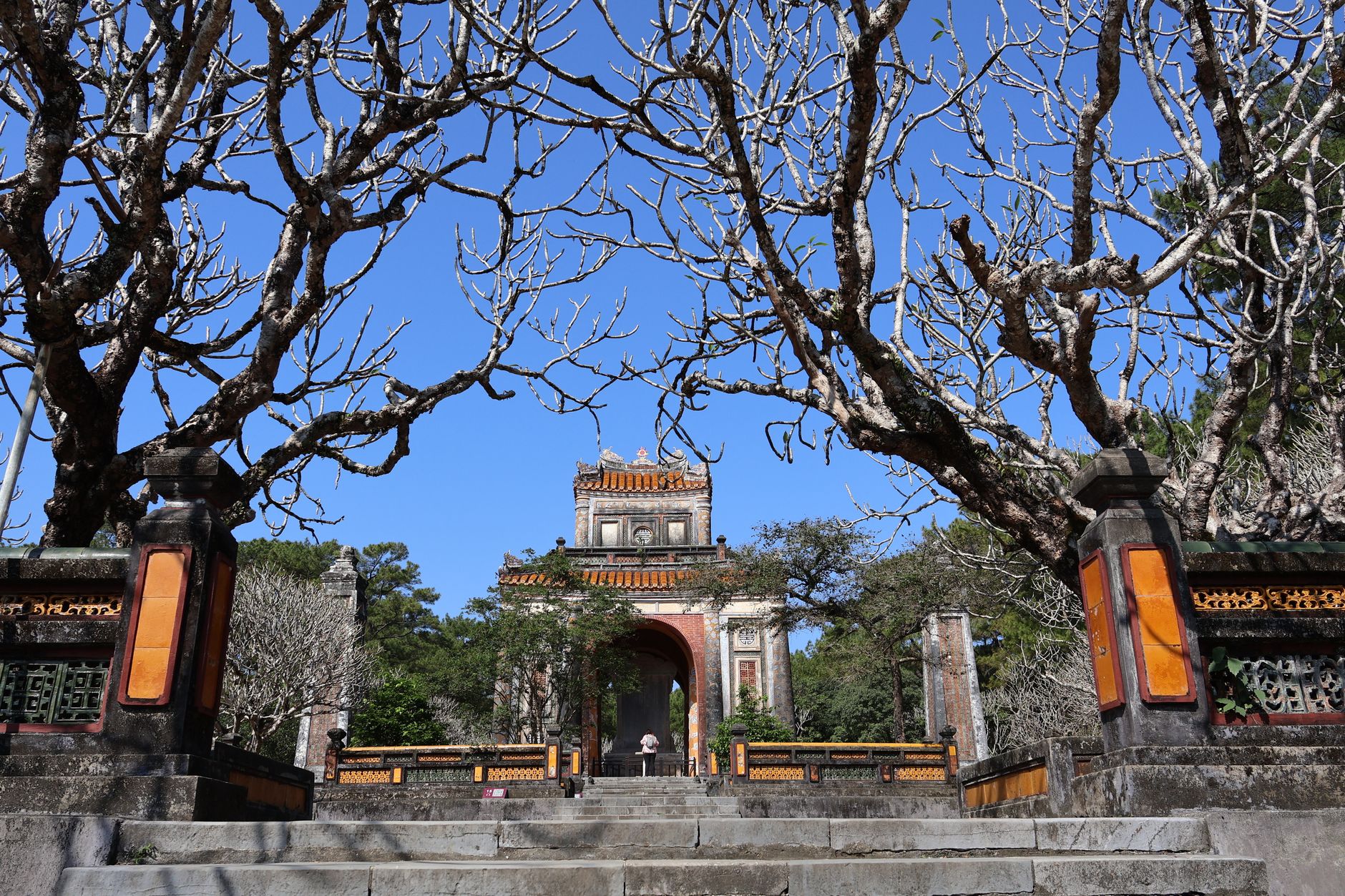
Start your journey in Hue, a city that naturally demands a slower pace. Skip the crowded tourist buses and head straight to a garden house near the Perfume River. Spend your first afternoon walking the grounds of the "Tomb of Tu Duc". Unlike the more rigid imperial structures, this site is built into the natural landscape, offering a meditative atmosphere. For dinner, seek out a local spot serving "banh beo" or "banh nam"—delicate steamed rice cakes that are light and easy on the digestion.
Day 2 — The Art of Stillness
Dedicate your second day to the "Tomb of Khai Dinh" early in the morning before the heat sets in. The climb is a workout, but the view of the surrounding hills is worth the effort. In the afternoon, visit a local tea house to sample "lotus tea". Hue is famous for its lotus ponds, and the tea here is often scented with fresh blossoms. Spend the evening walking the quiet paths along the riverbank.
Day 3 — Transition to the Coast
Take a private car from Hue to Hoi An (호이안 / 会安 / ホイアン) via the Hai Van Pass. This 120km route is better than the train for a wellness traveler because you can stop at Lang Co for a quiet beach walk. Once in Hoi An, check into a boutique homestay on the edge of the rice paddies rather than the center of the Ancient Town. It provides the silence necessary for a true retreat.
Day 4 — The Ancient Town at Dawn
Wake up at 5:00 AM to see the Ancient Town before the shops open. The morning light on the yellow walls is transformative. Grab a simple breakfast of "cao lau (까오러우 / 高楼面 / カオラウ)"—the local noodle dish made with water from a specific ancient well—at a small stall near the market. Spend the rest of the day in a workshop learning traditional silk lantern making or simply reading in a quiet cafe.
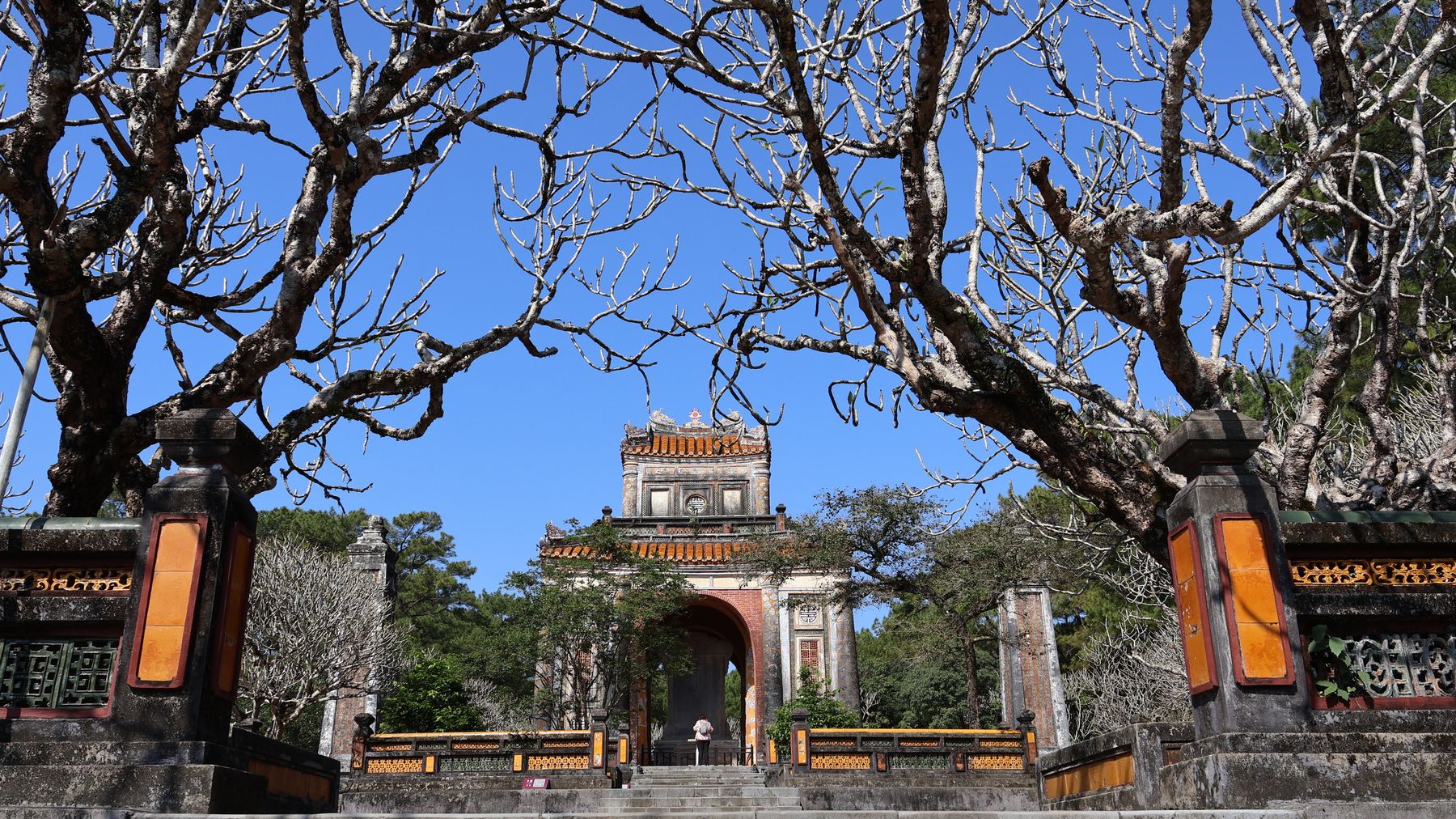
Photo by Minh Lê on Pexels
Day 5 — Island Air
Take a boat out to "Cu Lao Cham". While popular, if you head to the quieter beaches on the far side of the island, you can find solitude. The water is clear, and the pace of life here is dictated by the tides. Bring a book, swim, and eat fresh seafood prepared by local families. Return to the mainland by late afternoon to avoid the crowds.
Day 6 — Culinary Mindfulness
Use this day to dive into the local food culture with intention. Instead of a frantic food tour, visit the morning market with a local chef to learn about medicinal herbs and seasonal vegetables. Prepare a meal featuring "banh xeo" and plenty of fresh herbs. The act of chopping, wrapping, and eating slowly is a form of moving meditation.
Day 7 — Highlands Bound
Fly from Da Nang to Da Lat. The shift from the humid coast to the cool, pine-scented air of the Central Highlands is the ultimate reset. Da Lat was designed as a retreat for the French colonial elite, and the architecture reflects that. Spend the afternoon wandering through the Xuan Huong Lake area, but stay away from the main tourist squares.
Photo by Minh Lê on Pexels
Day 8 — Forest Bathing
Da Lat is the best place in Vietnam for "forest bathing". Rent a bicycle and head toward the Tuyen Lam Lake area. The trails here wind through dense pine forests. The air is crisp, and the silence is only broken by the sound of wind in the trees. Pack a simple lunch and spend the day off the grid.
Day 9 — Highland Harvest
Visit a local coffee farm on the outskirts of the city. Da Lat is the heart of the country's coffee production. Instead of a high-speed tour, find a small-scale producer who focuses on traditional roasting. Sit down for a "vietnamese coffee" or a "ca phe sua da" and observe the process. The focus here is on the connection between the land and the cup.
Day 10 — Reflection and Departure
Spend your final morning at a local pagoda. The quiet chanting and the scent of incense provide a grounding end to your trip. Before heading to the airport, enjoy a final bowl of "banh canh" for a warm, comforting meal. Reflect on the past ten days—the lack of noise, the focus on local ingredients, and the slow movement through the landscape.
Practical notes
Travel light to maintain your sense of ease; you will be moving between different climates, so pack layers. Always carry a reusable water bottle, as many boutique hotels and cafes in these regions now offer refill stations to reduce plastic waste.
Last updated · May 30, 2026 · independently researched, never sponsored.