What is bun dau mam tom?
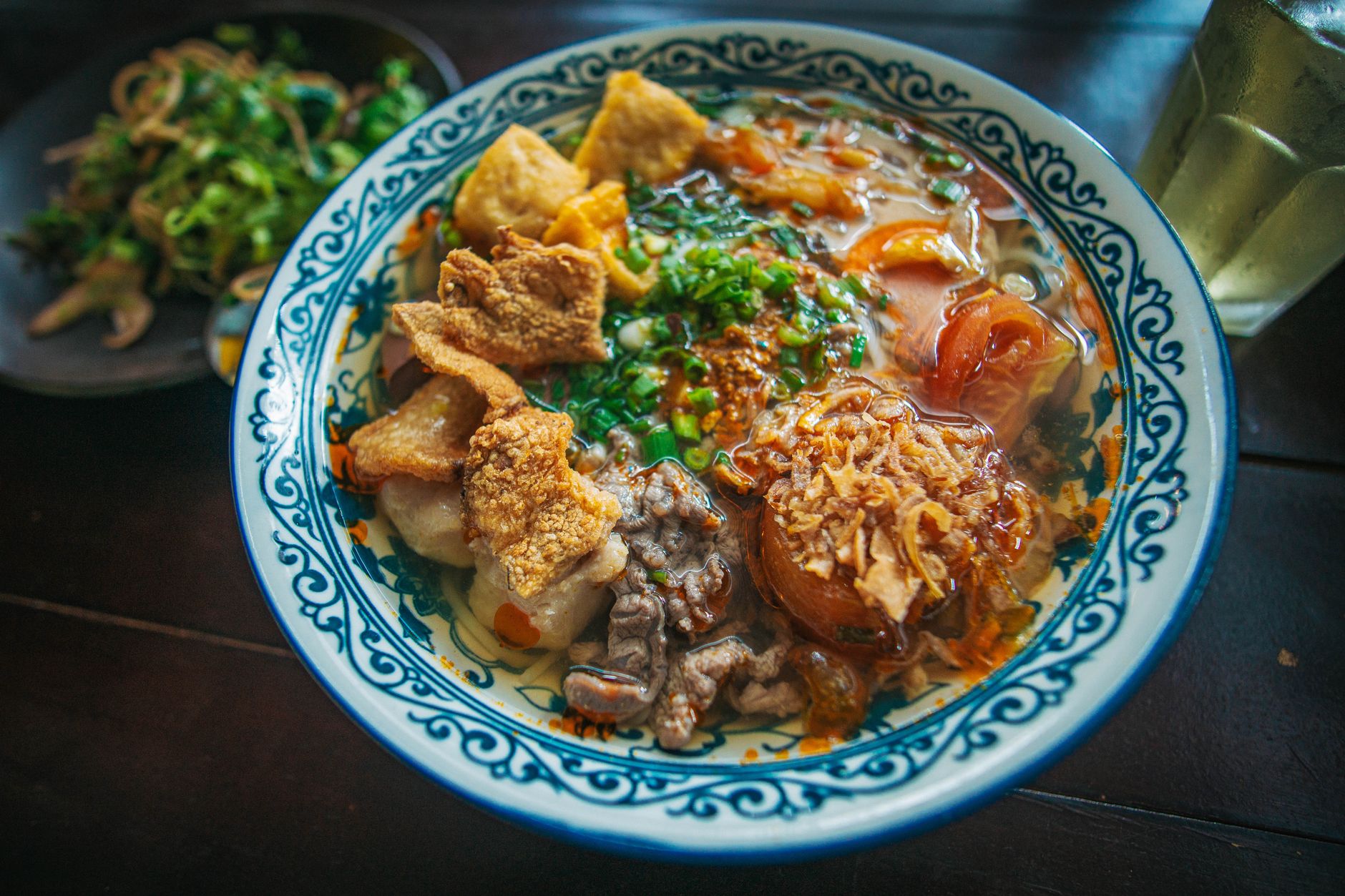
"Bun dau mam tom" is a Hanoi street food built on three simple components: fried tofu, thin rice noodles, and a pungent dipping sauce made from fermented shrimp paste. The name itself tells you what you're getting—bun is "noodle", dau is "tofu", and mam tom is the shrimp paste sauce that defines the dish.
You'll eat it cold. The tofu arrives golden and crisp, cut into rectangles. The noodles sit in a separate bowl, sometimes with fresh herbs already tossed through. The "mam tom" itself is a rust-colored liquid with flecks of shrimp sediment; it smells like fermented anchovy paste crossed with low tide.
The smell (and why it matters)
Let's be direct: "mam tom" is not for everyone. Foreigners often recoil. Hanoi (하노이 / 河内 / ハノイ) locals treat it as comfort food. The aroma comes from shrimp fermented for months in salt—it's pungent, funky, and unmistakable once you've encountered it.
But the smell is the point. The sauce is meant to be intense. When you dip a piece of crispy tofu into it, the umami hits differently than soy sauce or fish sauce alone. It's salty, it's meaty, and it's designed to coat your mouth.
If you find the smell off-putting in the restaurant, try it anyway. The taste is often milder than the aroma suggests. Some visitors become regulars after the first bowl. Others stick to the tofu and noodles, skipping the sauce.
How to eat it
There's a routine. You pick up a rectangle of tofu with chopsticks, dunk it in the mam tom sauce, and eat it. Then you do it again. Between bites, you'll have a few noodles with fresh herbs—mint, cilantro, dill, and sometimes calamansi or lime. The herbs cut through the richness of the fried tofu.
Some stalls serve it with a plate of raw vegetables on the side: lettuce, cucumber, tomato. You can wrap pieces of tofu in the leaves if you want. It's optional, but it lightens the dish and gives you something crisp and cool.
A small bowl of mam tom sauce is enough for a whole serving. You don't need much—a light dip is all it takes.
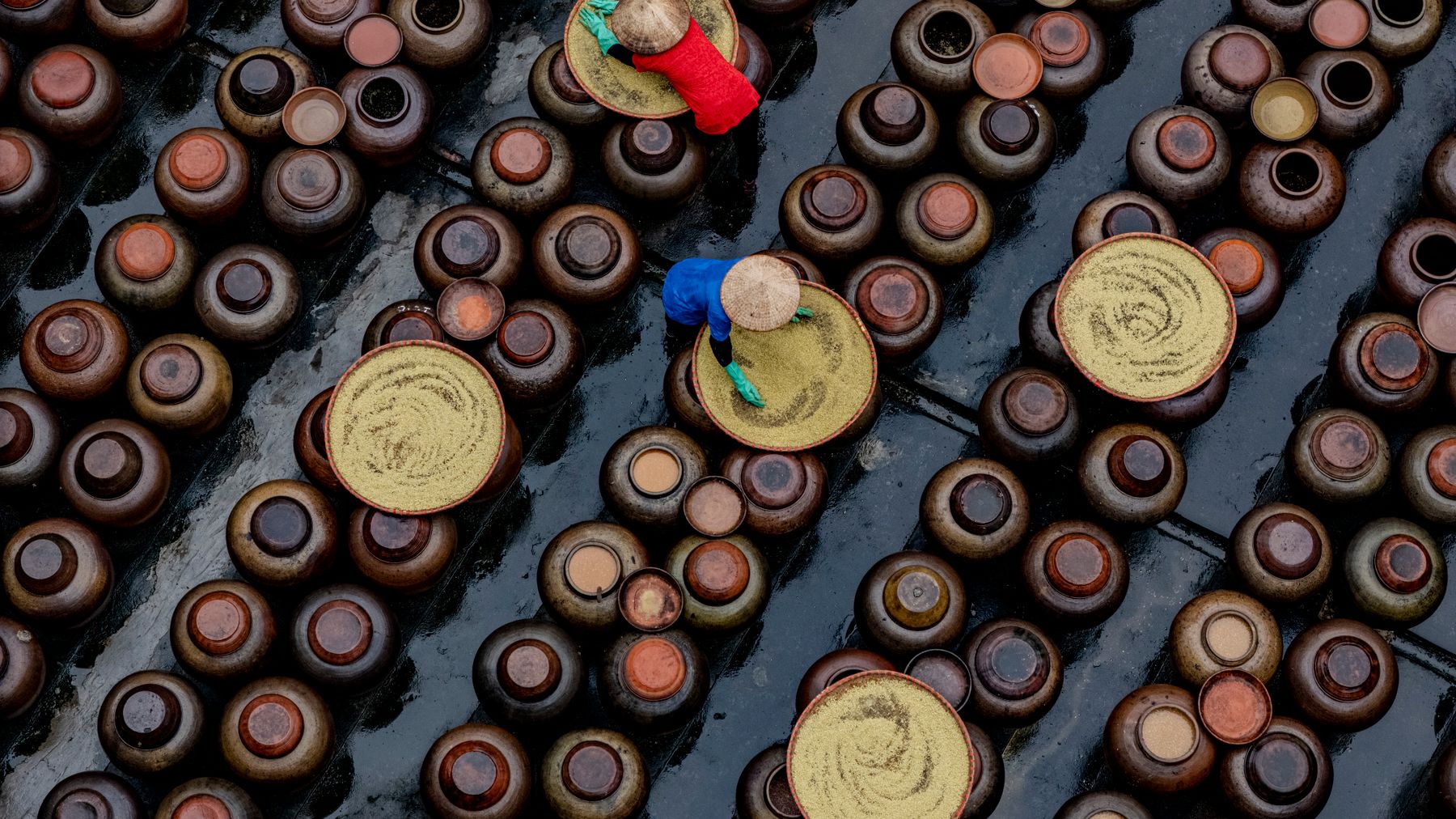
Photo by Vietnam (베트남 / 越南 / ベトナム) Hidden Light on Pexels
Where to eat it in Hanoi
Hang Khay Street is the spiritual home of bun dau mam tom in Hanoi. There are at least five stalls within 200 meters of each other, most operating from 6 a.m. to 10 a.m. Prices hover around 30,000–40,000 VND per bowl. The competition is fierce, so quality stays high. Stall owners have been frying tofu and selling this dish for 20+ years.
One reliable pick is the corner stall near the intersection with Trang Tien Street, run by a woman in her 60s. She fries her tofu fresh to order, and her mam tom is well-balanced—funky but not overwhelming. Arrive before 8 a.m., or the tofu can get picked over.
Tran Hung Dao Street, closer to Hoan Kiem Lake, has several bun dau spots as well. These tend to be slightly busier, with more tourists mixed in, but the quality is solid. Expect to queue if you go on a weekend morning.
If you're staying south of the Old Quarter, look for small unmarked stalls in residential neighborhoods. The best bun dau is often sold by women sitting outside their homes with a small portable fryer and a stack of metal bowls. Ask a local where they eat it.
Variations and add-ons
Plain bun dau mam tom is the classic, but stalls often offer upgrades.
Bun dau with cha com swaps some of the regular tofu for "cha com"—pâté-like meatballs made from ground pork and rice. They're softer and more savory than the crispy tofu. A few pieces added to your bowl gives it extra depth.
Bun dau with pork belly (thit lon) is less common but worth seeking out. Thin slices of boiled pork belly replace or supplement the tofu. The fat in the meat carries the mam tom sauce beautifully. Some stalls only make this version on certain days, so ask.
Bun dau with shrimp exists in a few places, though it's rarer. A few cooked shrimp sit on top instead of or alongside the tofu. It ups the cost to 50,000–60,000 VND, but it plays into the shrimp-paste theme.
Most stalls let you customize. If you don't want mam tom, you can ask for regular dipping sauce—vinegar-based or soy-based. Some will even make a milder version of the mam tom if you ask politely.

Photo by Thuan Pham on Pexels
Why locals love it
For Hanoi regulars, bun dau mam tom is muscle memory. It's cheap, fast, and hits a specific craving—the combination of crispy-fried and cold-and-herbal in one bowl. The fermented funk of mam tom is an acquired taste, but once acquired, it becomes comfort food. You wake up, walk to your local stall, and eat it the way your parents did.
It's also deeply seasonal. You see the biggest crowds in cooler months—October through March—when warm, crispy tofu and cold noodles feel right. In summer, Hanoi shoppers prefer lighter breakfasts.
Practical notes
Bun dau mam tom is a breakfast and early lunch dish. Most stalls close by 10 a.m. or 11 a.m. Go early if you want the best selection. If the smell of mam tom is truly unbearable, many stalls will sell you just the noodles and tofu with a lighter sauce—ask for "khong mam tom" (without shrimp paste) and point to the vinegar bottle.
Bring cash. Most Old Quarter stalls don't take cards.
Last updated · May 26, 2026 · independently researched, never sponsored.