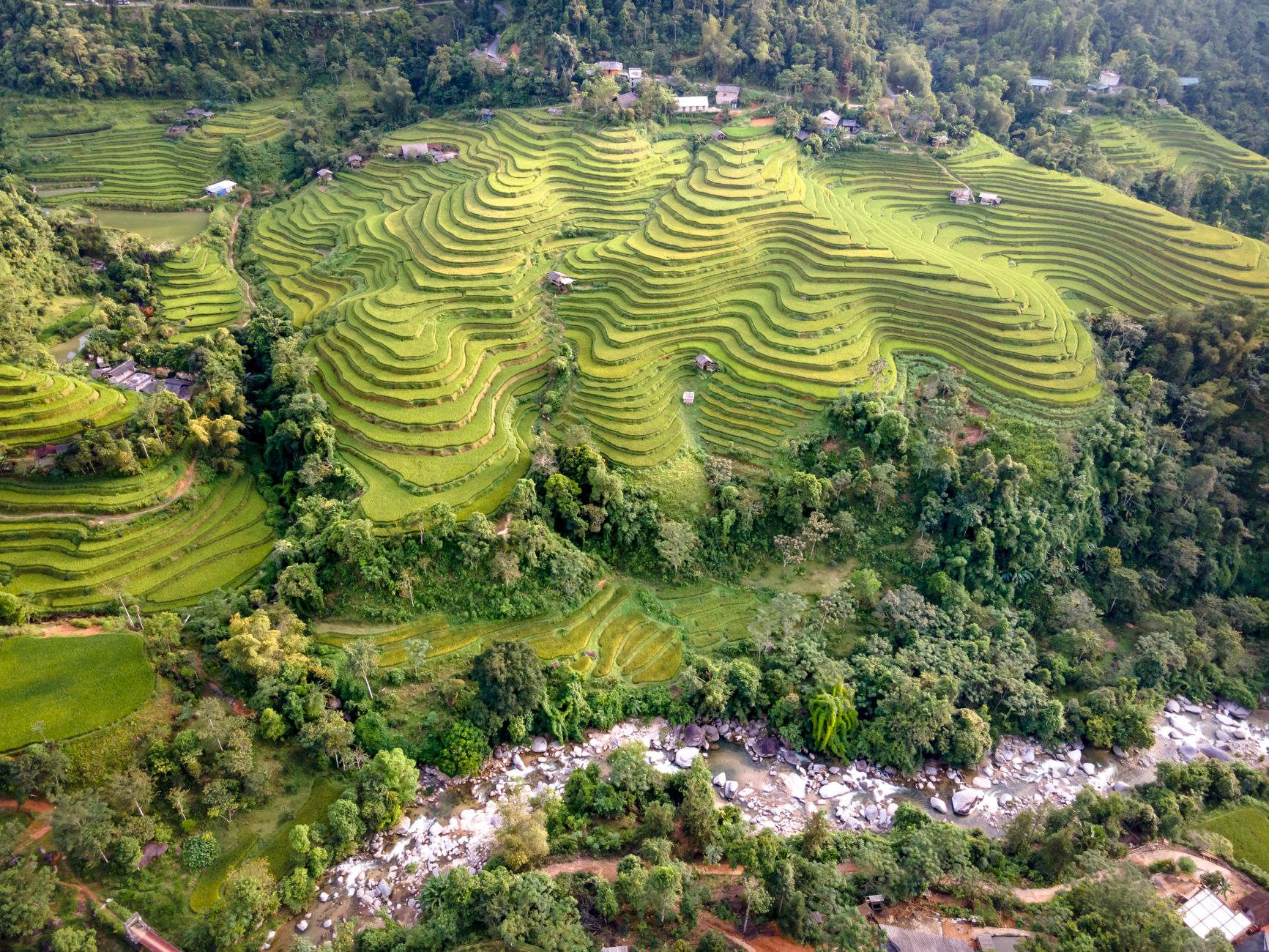
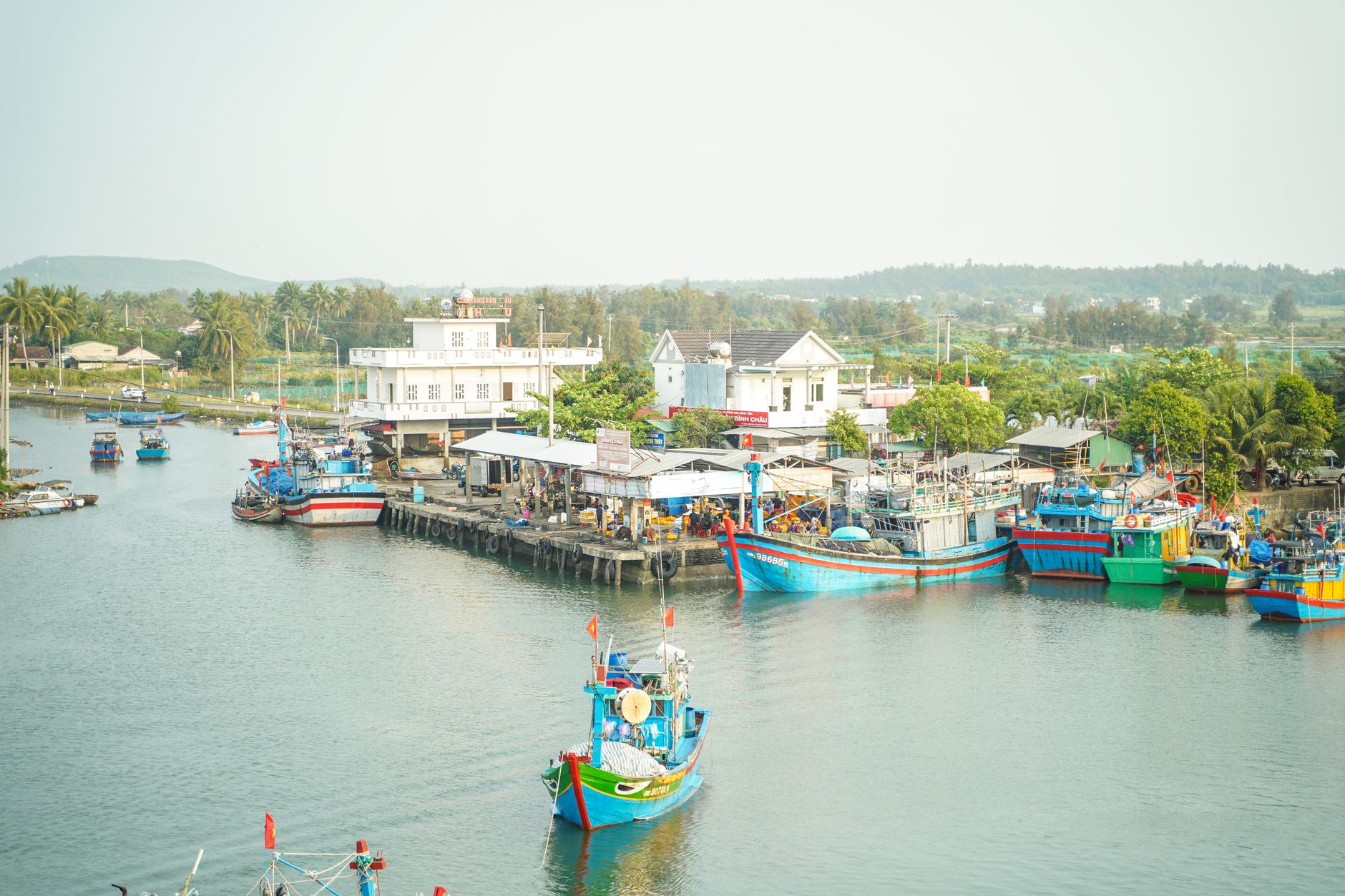
Cau Ham Rong — the Dragon's Jaw Bridge — sits over the Ma River in Thanh Hoa city, about 150 km south of Hanoi. It's one of the most historically significant bridges in Vietnam (베트남 / 越南 / ベトナム), and for travelers passing through the central coast corridor, it makes for a worthwhile half-day stop that most tourists skip entirely.
What it is and why it matters
Cau Ham Rong is a steel truss bridge originally built by the French in 1904. The name translates to "Dragon's Jaw," taken from Ham Rong Mountain just to the west, whose limestone profile supposedly resembles a dragon with its mouth open. During the American War, the bridge became one of the most heavily bombed targets in the country — U.S. forces attempted to destroy it repeatedly between 1965 and 1972, and locals defended it at enormous cost. The bridge standing today is a reconstruction completed in 1994, but the site carries the weight of that history.
You won't find tour buses here. This is the kind of place where Vietnamese families come on weekends, where old men fish off the riverbank in the early morning, and where the story of a small city's wartime resilience is told through a simple steel span over muddy water.
Why travelers go
Most foreign visitors hit Cau Ham Rong as a break on the long road between Hanoi (하노이 / 河内 / ハノイ) and Hue or Phong Nha. It's not a full-day destination, but if you're already routing through Thanh Hoa — and the highway practically forces you to — it rewards a stop. The bridge itself is photogenic in a utilitarian way, the riverside area has been cleaned up with walking paths and small parks, and Ham Rong Mountain behind it gives you a short hike with wide views over the Ma River valley. It's also a genuine piece of 20th-century history that you can stand on and touch, which hits differently than reading about it.
Best time to visit
September through November is ideal. The summer rains have tapered off, temperatures drop from the brutal June-August highs (which regularly push 38°C in Thanh Hoa), and the river is full without flooding. March and April are also good — warm but not yet oppressive. Avoid June through August unless you handle heat well; the humidity in Thanh Hoa is thick, and there's minimal shade around the bridge area.
Early morning (before 8 AM) or late afternoon (after 4 PM) gives you the best light for photos and the least sweat.
How to get there
From Hanoi, you have a few options:
- Train: Hanoi to Thanh Hoa station runs about 2.5-3 hours on the Reunification Express. Tickets cost 80,000-180,000 VND depending on seat class. From Thanh Hoa station, the bridge is about 3 km northwest — a 15,000-20,000 VND xe om (motorbike taxi) ride or a short Grab.
- Bus: Frequent buses from Hanoi's Giap Bat or Nuoc Ngam stations, 3-3.5 hours, around 100,000-130,000 VND. You'll be dropped at Thanh Hoa bus station, roughly 4 km from the bridge.
- Motorbike/car: Straight down the QL1A or the newer expressway. The expressway cuts it to about 2 hours but has tolls (around 50,000 VND for a motorbike, more for a car).
If you're coming from Ninh Binh — which many travelers pair with a Thanh Hoa stop — it's only about 55 km south, under an hour by motorbike or bus.

Photo by Quang Nguyen Vinh on Pexels
What to do
Walk across the bridge
The bridge has a pedestrian path alongside the vehicle lanes. It's roughly 160 meters across — takes five minutes at a slow pace. The views upstream toward Ham Rong Mountain are the main draw. Go in the late afternoon when the light softens and the limestone ridge catches some color.
Climb Ham Rong Mountain
The mountain is right next to the bridge's north end. A paved path leads up to several viewpoints and a small memorial site. The climb takes about 20-30 minutes at a casual pace. From the top, you look down on the bridge, the Ma River bending through town, and Thanh Hoa's low-rise sprawl. There's a war memorial near the summit with anti-aircraft gun emplacements preserved in place — sobering context for what this bridge endured.
Visit the Ham Rong historical site
At the base of the mountain, a small museum and outdoor display cover the bridge's wartime story. Signage is mostly in Vietnamese, but the photographs and artifacts are self-explanatory. Free entry. Budget 20-30 minutes.
Walk the Ma River promenade
The city has invested in a riverfront walkway stretching a couple of kilometers along the south bank. It's pleasant in the evening when locals come out to exercise, kids play, and vendors sell sugarcane juice and "che" (sweet soup desserts). Not a tourist attraction per se — just a nice slice of small-city Vietnamese life.
Catch the sunset from the south bank
Position yourself on the south side of the river looking northwest toward the bridge and mountain. On a clear evening, the silhouette of the dragon-jaw ridge against the sky is genuinely impressive — the kind of thing you stumble into and remember.
Where to eat nearby
Thanh Hoa's signature dish is "nem chua" — fermented pork wrapped in banana leaf and pressed with garlic and chili. You'll see it sold everywhere, and it's worth trying fresh from a local vendor rather than the packaged versions sold at bus stations. Look for shops along Le Loi Street near the city center.
For a proper meal, try "banh canh" — thick tapioca noodle soup — at one of the small shops near Thanh Hoa market. A bowl runs 25,000-40,000 VND. The local version often comes with crab or pork ribs and is thicker and more savory than what you'll find further south.
Where to stay
Thanh Hoa city has plenty of budget and mid-range accommodation, though nothing aimed specifically at foreign tourists. Expect to pay 200,000-350,000 VND per night for a clean nha nghi (guesthouse) with air conditioning and hot water. Mid-range hotels along Quang Trung Street run 400,000-700,000 VND and are perfectly comfortable. There's no real reason to stay more than one night unless you're using Thanh Hoa as a base for Sam Son Beach (16 km east) or exploring the province further.
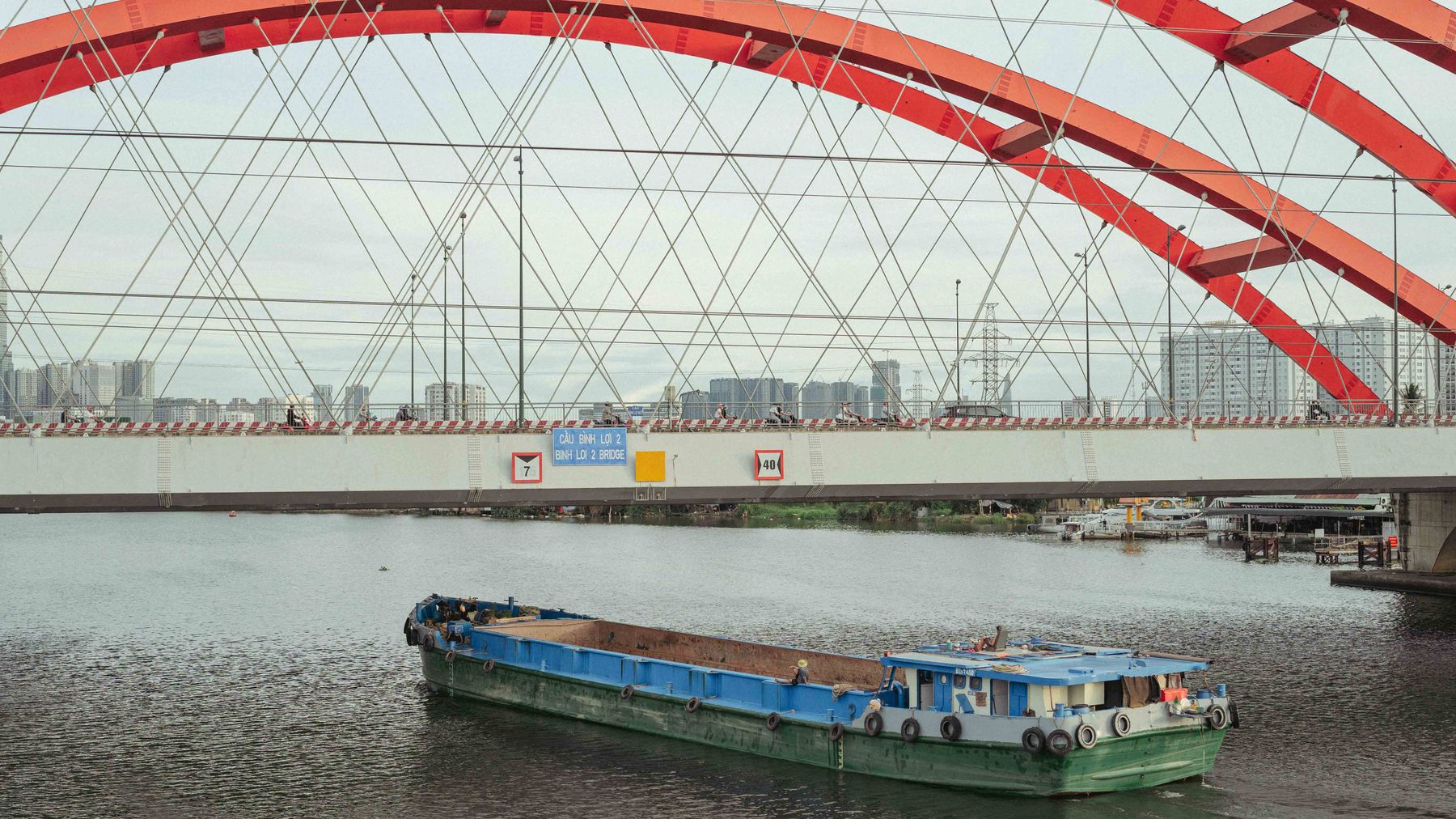
Photo by Theodore Nguyen on Pexels
Practical tips locals would tell you
- Bring water. There's limited shade around the bridge, and the closest convenience store is a 10-minute walk from the mountain trailhead.
- If you're on a motorbike, park at the small lot near the north end of the bridge (5,000-10,000 VND). Don't leave anything visible in your basket.
- The bridge gets busy with commuter traffic during rush hours (7-8 AM, 5-6 PM). Walking across during those windows is noisy and less pleasant.
- Vietnamese coffee in Thanh Hoa is good and cheap — 15,000-20,000 VND for a "ca phe sua da" at any streetside cafe. Fuel up before the climb.
Common mistakes to avoid
- Skipping Ham Rong Mountain for just the bridge. The bridge alone is a 10-minute experience. The mountain turns it into a proper stop.
- Coming midday in summer. The exposed bridge and treeless riverbanks make noon brutal from May through August.
- Expecting English signage. There's very little. Download Vietnamese offline on Google Translate before you arrive.
- Treating it as a destination, not a stop. Cau Ham Rong works best as a 2-3 hour pause on a longer route — pair it with Ninh Binh to the north or Phong Nha to the south.
Practical notes
Cau Ham Rong is free to visit. The mountain trail and memorial are also free. Budget half a day including a meal, and you'll come away with something most travelers on the Hanoi-to-Hue run completely miss — a real piece of Vietnamese history in a city that doesn't try to sell it to you.
Last updated · May 29, 2026 · independently researched, never sponsored.