Vietnam (베트남 / 越南 / ベトナム)'s Cham communities are two of the most under-visited food cultures in the country — and between the coastal province of Ninh Thuan and the Mekong border town of Chau Doc, you can eat your way through a culinary tradition that stretches back over a thousand years.
Day 1 — Arrival in Phan Rang, Ninh Thuan
Fly or take the train to Phan Rang-Thap Cham, the capital of Ninh Thuan province, about 350 km northeast of Saigon. The town itself is scrappy and sun-bleached — Ninh Thuan is the driest province in Vietnam — but that aridity is exactly what shapes the food here.
Check in, then head straight to the central market (Cho Phan Rang) for your first meal. Look for stalls selling "banh gai Cham", a dense sticky rice cake wrapped in phrynium leaves with a filling of mung bean and coconut. It looks a little like banh chung but the flavor is earthier, with a faint grassy sweetness from the leaf. Cost: around 10,000–15,000 VND per piece.
Spend the afternoon walking the streets near the Po Klong Garai Cham towers — 13th-century red-brick temples on a basalt hill about 7 km from town. The towers are an active place of worship for local Cham Balamon (Hindu-practicing Cham), and small food vendors often set up at the base selling grilled corn and coconut sweets. Buy something, sit in the shade, and get oriented.
Day 2 — Into the Cham Villages: Beef, Rice Wine, and "Banh Can"
Hire a motorbike or grab a xe om for the day. The Cham villages around My Nghiep and Bau Truc are within 10–15 km of Phan Rang. My Nghiep is famous for weaving; Bau Truc for pottery. But both have home cooks who sell food on informal schedules — ask your guesthouse owner the night before to make introductions if possible.
The dish to find here is "thit bo ham" — Cham-style braised beef slow-cooked with lemongrass, galangal, and a paste of roasted sesame and dried chili. It's halal by tradition in the Cham Bani (Islam-influenced) communities, and the flavor profile is distinct from anything in Kinh Vietnamese cooking: drier, more aromatic, with none of the sweetness you'd find in a southern Vietnamese beef braise. Eaten with steamed rice or torn flatbread, it runs about 50,000–70,000 VND for a full plate.
For lunch, find a "banh can" stall — small quail-egg-sized rice pancakes cooked in clay molds over charcoal, served with a fish dipping sauce and fresh herbs. This dish is popular across Ninh Thuan generally, but the Cham version uses a slightly fermented rice batter that gives it a mild sour edge. A full portion with 8–10 pieces costs around 30,000 VND.

Photo by King Ho on Pexels
Day 3 — Cham Desserts and the Coast
Ninh Thuan's Cham dessert tradition deserves a morning of serious attention. Head back to Phan Rang market early (before 9 a.m.) when the sweet stalls are fully stocked.
Look for "che Cham" — a loose term covering several different dessert soups. The most common versions feature pandan-scented glutinous rice balls in coconut milk, or mung bean pudding topped with grated coconut and palm sugar syrup. One you won't want to miss is "banh it den", black glutinous rice dumplings with a palm sugar core, served warm. Deeply sweet, slightly sticky, and wholly addictive at 5,000–8,000 VND each.
Spend the afternoon at Ninh Chu beach (about 6 km from Phan Rang). The coastline is calm and relatively uncrowded compared to the resort beaches further south. Seafood grills open up along the waterfront from around 4 p.m. — fresh squid, clams, and sea urchin cooked over coals.
Day 4 — Travel Day to Chau Doc
This is the long leg: Phan Rang to Chau Doc is roughly 430 km. The most practical option is a sleeper bus from Phan Rang bus station direct to Chau Doc — departures vary by operator but there are usually evening services; check Phuong Trang (FUTA) or Thanh Buoi. The ride takes around 7–9 hours.
Arrive in Chau Doc early morning, check in near the riverside, and sleep a few hours before eating. Chau Doc sits at the Cambodian border where the Mekong splits into multiple channels — the Cham community here, the Cham Chau Doc, have been settled along the river for centuries and maintain a distinctly different food culture from the Ninh Thuan Cham, shaped more by Islamic practice and the abundance of freshwater fish.
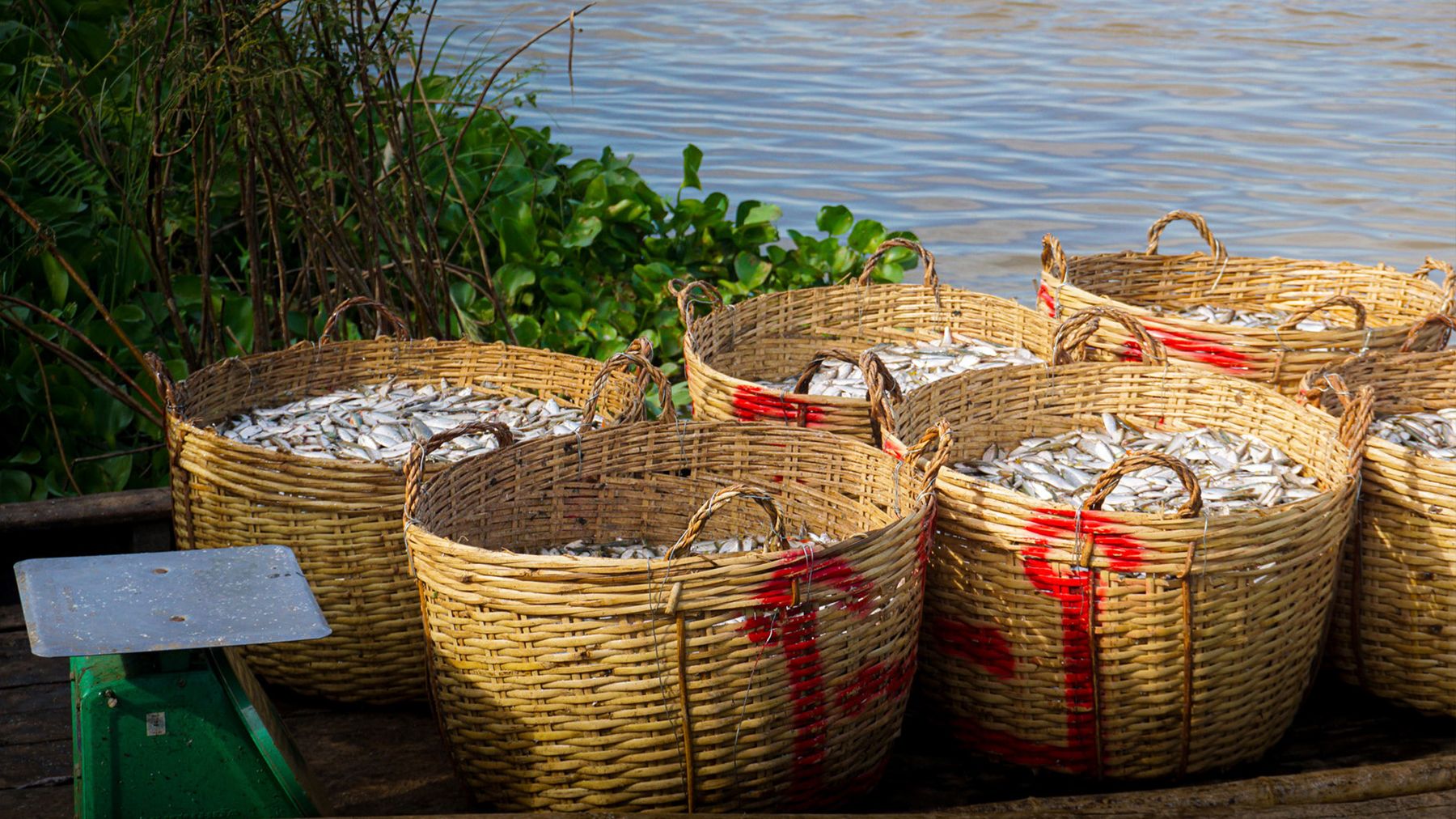
Photo by Khun Sodara on Pexels
Day 5 — Chau Doc Cham Food: Fish, Flatbread, and the Floating Villages
Start at the Chau Doc market (Cho Chau Doc) before 7 a.m. The Cham vendors here sell "banh mi Cham" — a chewy, slightly dense flatbread baked in a cylindrical clay oven not unlike a tandoor. It's eaten with slow-cooked beef curry ("ca ri bo") that is lighter and more coconut-forward than Indian-style curry, with fresh coriander and sliced chili on the side. A full breakfast with bread and curry: around 35,000–50,000 VND.
The signature ingredient in Chau Doc Cham cooking is "mam ca loc" — fermented snakehead fish paste — which turns up in everything from rice porridge to dipping sauces. If you've eaten at all in Hoi An or Hue (후에 / 顺化 / フエ), the fermented funk will feel familiar, but the Cham version is usually thinner and more acidic, used as a condiment rather than a base.
After breakfast, arrange a boat to the Cham floating villages on the Hau River — clusters of houseboats where families live on the water, raising fish in submerged cages below the hull. Some households sell simple lunches from their kitchens: rice, braised catfish in clay pot ("ca kho to"), and pickled vegetables. It's informal, genuine, and costs whatever they ask — usually 60,000–80,000 VND.
Spend the late afternoon back on shore, tracking down "banh bo nuong" — a Cham-influenced honeycomb rice cake, baked rather than steamed, with a caramelized sugar crust and a springy crumb. Street vendors near the central mosque typically have it from around 3 p.m.
Practical Notes
Ninh Thuan has no major airport — fly into Cam Ranh) and take a bus or taxi about 60 km south to Phan Rang. Chau Doc connects easily by boat to Phu Quoc (roughly 2.5 hours) if you want to extend the trip. Cham Bani and Cham Chau Doc communities observe Islamic dietary laws, so the beef and flatbread dishes at most market stalls are halal by default — worth knowing if that matters to you.
Last updated · May 29, 2026 · independently researched, never sponsored.