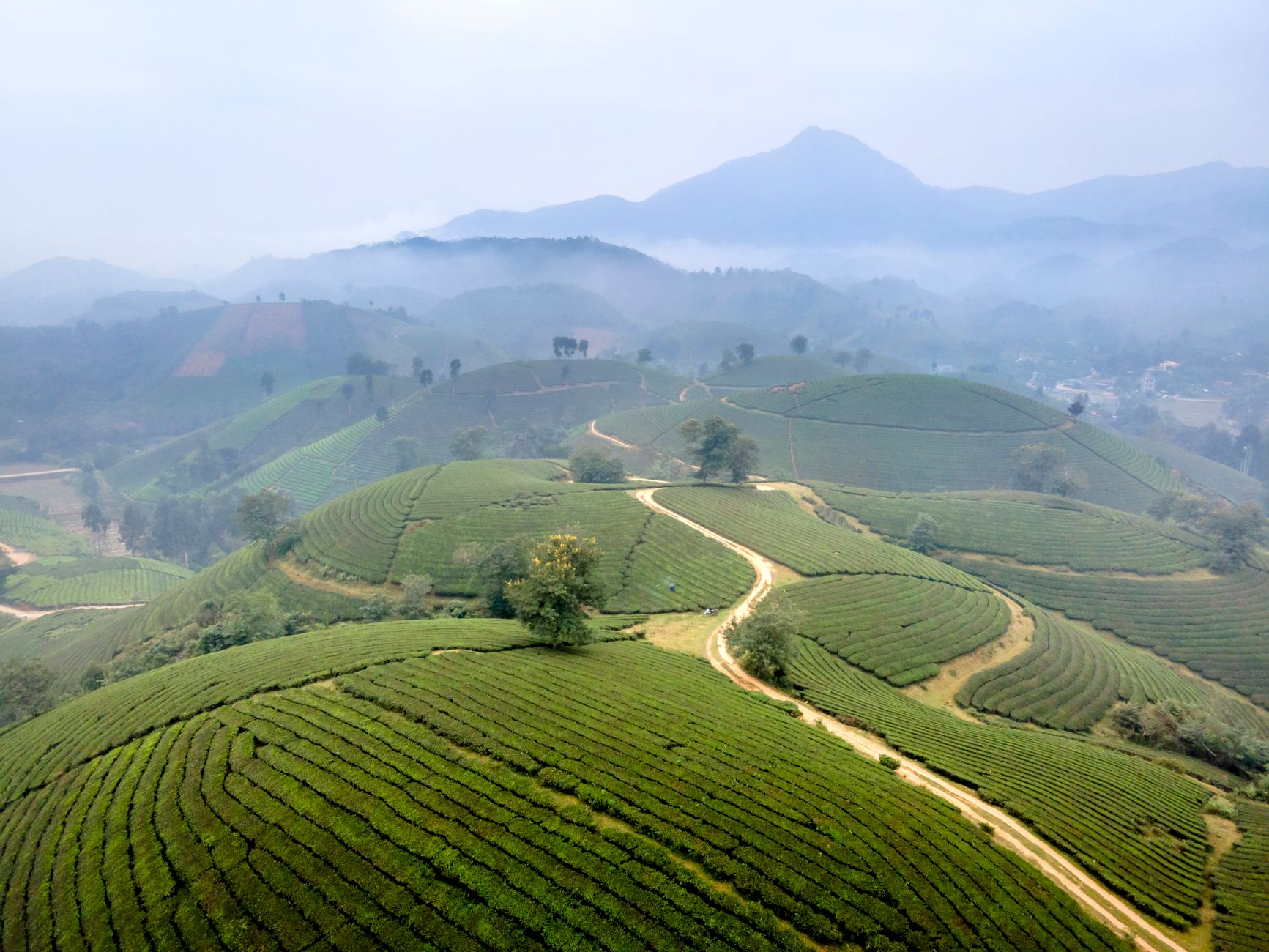
Chien Khu D — War Zone D in English — is one of the largest former resistance base areas in southern Vietnam (베트남 / 越南 / ベトナム), sprawling across parts of Dong Nai and Binh Phuoc provinces about 80 km northeast of Saigon. If you've already done the Cu Chi Tunnels and want something less packaged, more forested, and almost tourist-free, this is the place.
What it is and why it matters
Chien Khu D served as a major revolutionary base during both the French and American wars. The zone covered thousands of hectares of dense tropical forest, and its remoteness made it nearly impossible to control from the outside. Today, parts of it have been preserved as historical sites and nature reserves, while the surrounding area has grown into rubber plantations, cashew farms, and small towns.
The key historical site is the Chien Khu D Historical Relic Area, located in Tan Uyen commune, Dinh Quan district, Dong Nai province. It includes reconstructed wartime camps, underground shelters, command posts, and a small museum. Think of it as a much quieter, less commercial version of Cu Chi Tunnels — fewer tour buses, more forest.
Why travelers go
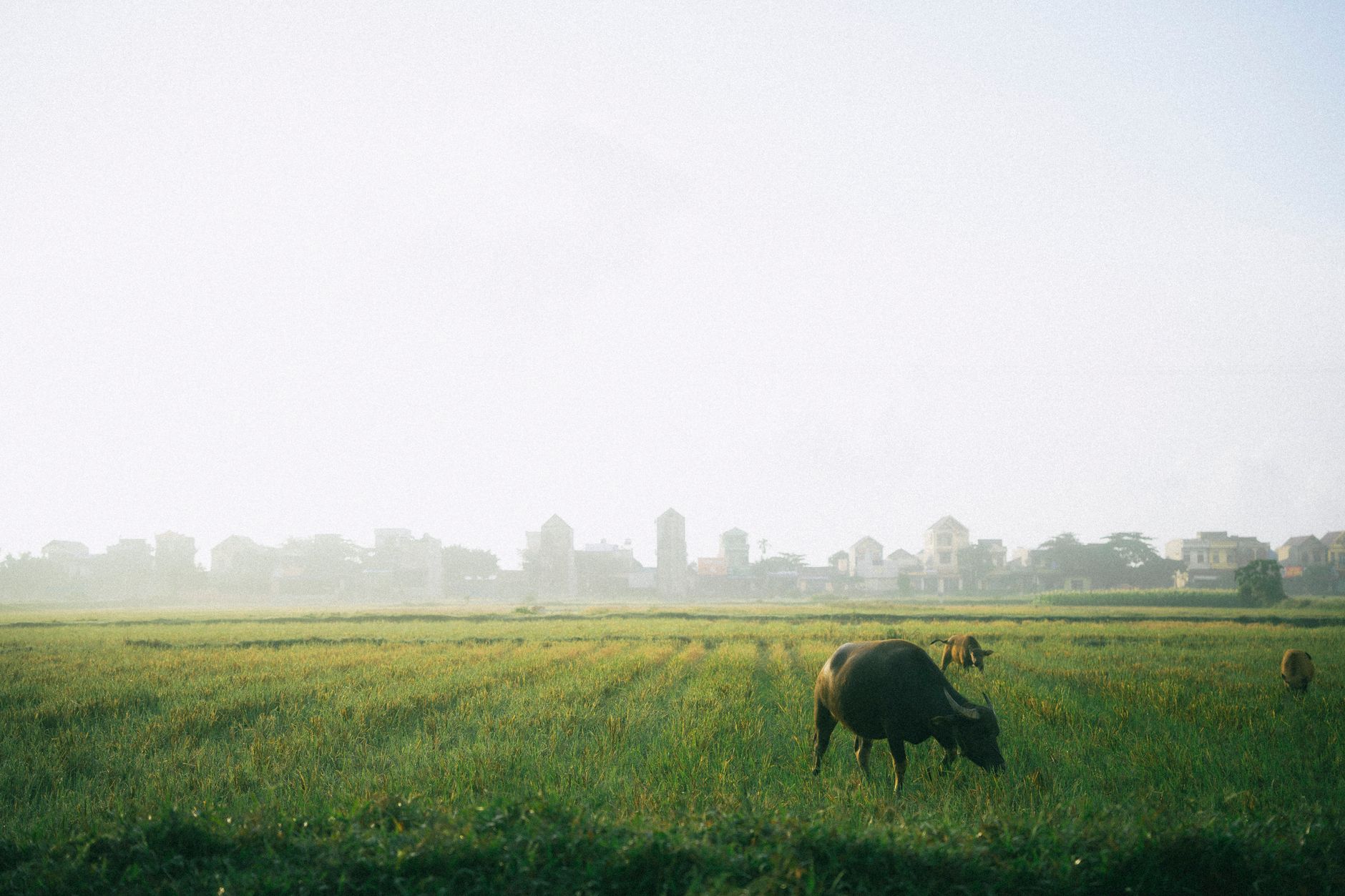
Most visitors come for three reasons. First, the wartime history: the site offers a look at jungle warfare infrastructure without the heavy tourist overlay you get closer to Saigon (사이공 / 西贡 / サイゴン). Second, the forest itself: Chien Khu D sits within and near parts of the Dong Nai Biosphere Reserve, and the surrounding landscape is thick tropical woodland, rubber tree corridors, and river systems. Third, the drive: the route from Saigon through Dong Nai province passes through some genuinely pleasant countryside — small-town Vietnam without much fuss.
Best time to visit
Dry season, November through April. The trails and dirt paths around the historical sites get muddy and slippery during the wet months (May–October), and some access roads in more remote sections can flood. January to March is ideal — cooler mornings, low humidity by southern Vietnam standards, and the forest canopy is green from the tail end of the rains.
Avoid public holidays, especially Tet and April 30 (Reunification Day), when the site draws domestic visitors and school groups.
How to get there from Saigon
The historical relic area in Dinh Quan district is roughly 130 km from central Saigon, about 2.5–3 hours by car or motorbike depending on traffic out of the city.
By motorbike or car: Take National Highway 1A east toward Bien Hoa, then connect to Highway 20 heading north toward Dinh Quan. The final stretch involves smaller provincial roads — Google Maps handles the routing fine, but signage can be sparse near the site itself. Having offline maps downloaded is a good idea.
By bus: Buses from Saigon's Mien Dong bus station run to Dinh Quan town (around 80,000–100,000 VND, 3 hours). From Dinh Quan town center, you'll need a "xe om" (motorbike taxi) for the last 10–15 km to the historical area — expect 50,000–80,000 VND.
Guided day trips: A few Saigon-based operators run occasional trips, but Chien Khu D isn't on the standard tourist circuit. Hiring a private car with driver for the day (around 1,500,000–2,000,000 VND round trip) is the most comfortable option if you don't ride a motorbike.

Photo by Thái Trường Giang on Pexels
What to do
Walk the historical relic area
The main site includes reconstructed base camps, underground bunkers, a weapons workshop replica, and a small museum with photographs, maps, and wartime artifacts. A full walk-through takes about 1.5–2 hours. Entry is typically 20,000–30,000 VND. Guides are available on-site (Vietnamese language mostly), and information boards have some English text.
Hike the surrounding forest
Beyond the formal historical site, trails extend into the surrounding woodland. These aren't marked hiking paths in any Western sense — you're walking along dirt tracks used by locals. But the forest canopy is dense, birdlife is audible everywhere, and you'll likely have the trail to yourself. Bring water and mosquito repellent.
Visit Tri An Lake
Tri An Lake (Ho Tri An), a large reservoir about 30 km southwest of the historical site, is a popular weekend spot for Saigon residents. The lakeshore has a few floating restaurants and areas where you can sit, eat grilled fish, and look out over the water. It pairs well with Chien Khu D as a half-day add-on.
Drive through the rubber plantations
The roads between Dinh Quan and the surrounding districts cut through enormous rubber tree estates. Early morning, when mist sits low between the rows of trees, is the best time. Pull over, walk a few rows in, and you'll see latex collectors at work with their small metal cups and angled cuts in the bark.
Stop at La Nga River
The La Nga River runs through Dinh Quan district and is crossed by a bridge on Highway 20. The riverbanks are where locals fish and where a few small eateries serve freshwater fish dishes. It's not a destination on its own, but it's a natural rest stop on the drive.
Where to eat nearby
Dinh Quan town has local rice-and-dish shops ("com binh dan") along the main road. Two things worth ordering: grilled freshwater fish from the La Nga River — usually snakehead or tilapia, served whole over charcoal — and "ga nuong" (grilled chicken) from free-range birds raised on the surrounding farms. Meals run 50,000–120,000 VND per person.
If you detour to Tri An Lake, the floating restaurants serve decent fried fish, hot pot, and cold beer. Expect 150,000–250,000 VND per person with drinks.
Where to stay
Dinh Quan has a handful of basic guesthouses ("nha nghi") in the 200,000–400,000 VND range — clean enough, air-conditioned, hot water, but no frills. For something more comfortable, stay in Bien Hoa (closer to Saigon, more hotel options in the 500,000–1,000,000 VND range) and make Chien Khu D a day trip.
A few homestays near Tri An Lake have appeared in recent years, catering to the Saigon weekend crowd. Prices hover around 400,000–700,000 VND per night.
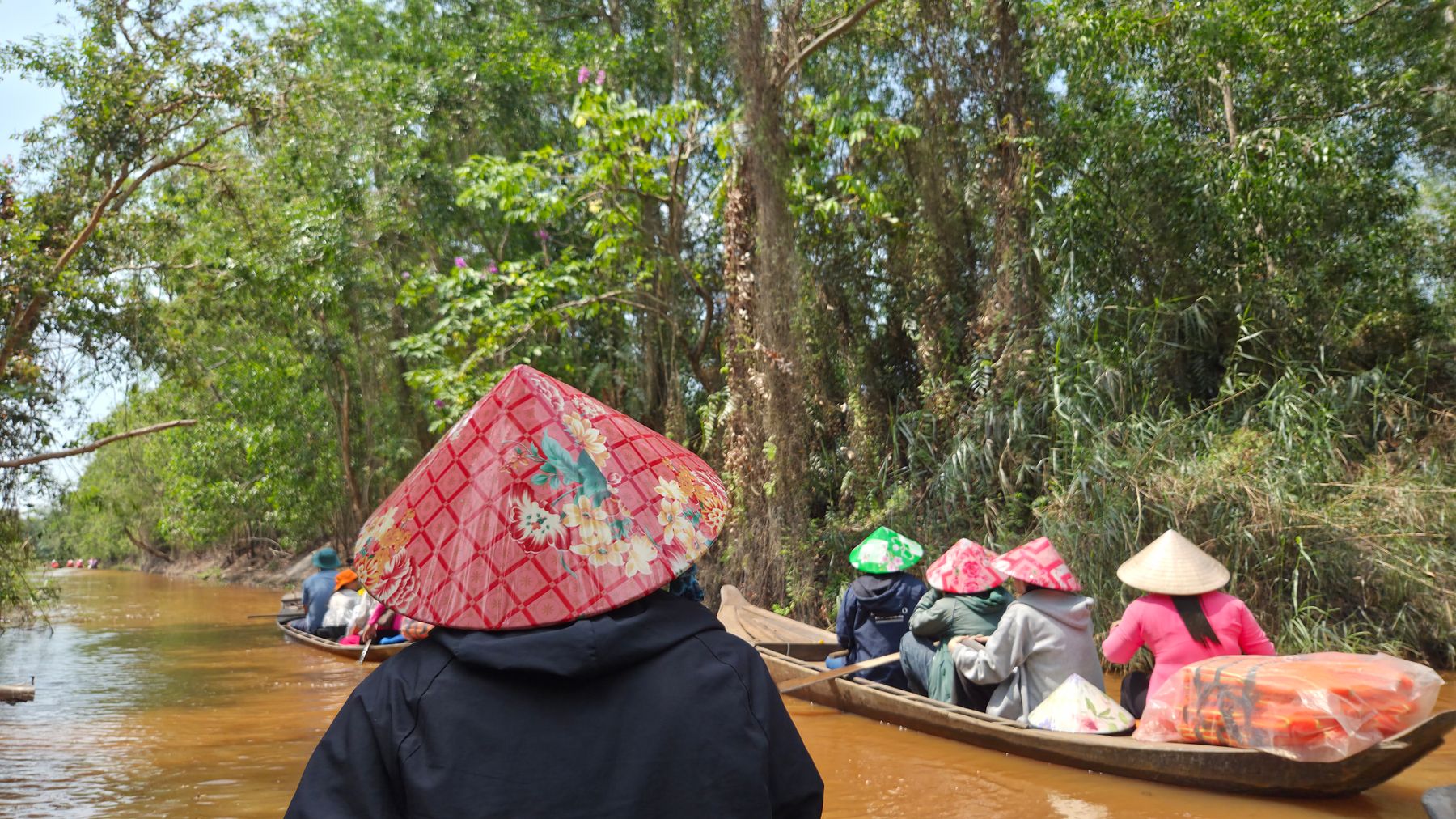
Photo by Nhẫn Nguyễn on Pexels
Practical tips locals would tell you
- Bring your own water and snacks. There's no convenience store at the historical site, and the nearest town is a ride away.
- Wear long pants and closed shoes. The forest trails are uneven, and fire ants are common around the base camp reconstructions.
- Start early. Leave Saigon by 6:00 AM to beat the highway traffic through Bien Hoa. The drive is significantly worse after 7:30.
- Carry cash. Card payments don't exist out here. ATMs are available in Dinh Quan town but not at the site.
- Mosquito repellent is not optional. This is lowland tropical forest. Bring strong stuff.
Common mistakes to avoid
Don't expect a polished tourist attraction. Chien Khu D is a historical preservation site, not a theme park. Facilities are basic, English signage is limited, and there's no gift shop or cafe. That's part of the appeal — but if you're expecting the Cu Chi Tunnels experience with air-conditioned shuttle buses, recalibrate.
Don't try to do it as a quick afternoon trip from Saigon. The 130 km drive each way, plus time at the site, makes this a full-day commitment. Rushing it defeats the purpose.
Don't skip the drive itself. The countryside between Saigon and Dinh Quan — the rubber estates, the river crossings, the small-town lunch stops — is half the experience.
Practical notes
Chien Khu D works best as a day trip from Saigon for travelers with their own transport or a hired car. Combine it with Tri An Lake for a full day that mixes history, forest, and countryside. It's not a place that needs more than one visit, but the one visit is worth the drive.
Last updated · May 21, 2026 · independently researched, never sponsored.