When to go — the short answer
Dong Nai sits in the southern tropical zone, which means two seasons: dry (November–April) and wet (May–October). If you're serious about hiking, visiting waterfalls, or exploring the countryside, aim for December through March. If you want fewer tourists and don't mind occasional rain, June through August is quieter but muggier.
The province is often skipped in favor of Saigon or the Mekong Delta (메콩 델타 / 湄公河三角洲 / メコンデルタ), which works in your favor: even in peak season, Dong Nai feels less crowded than major tourist hotspots.
Season breakdown
Dry season (November–April)
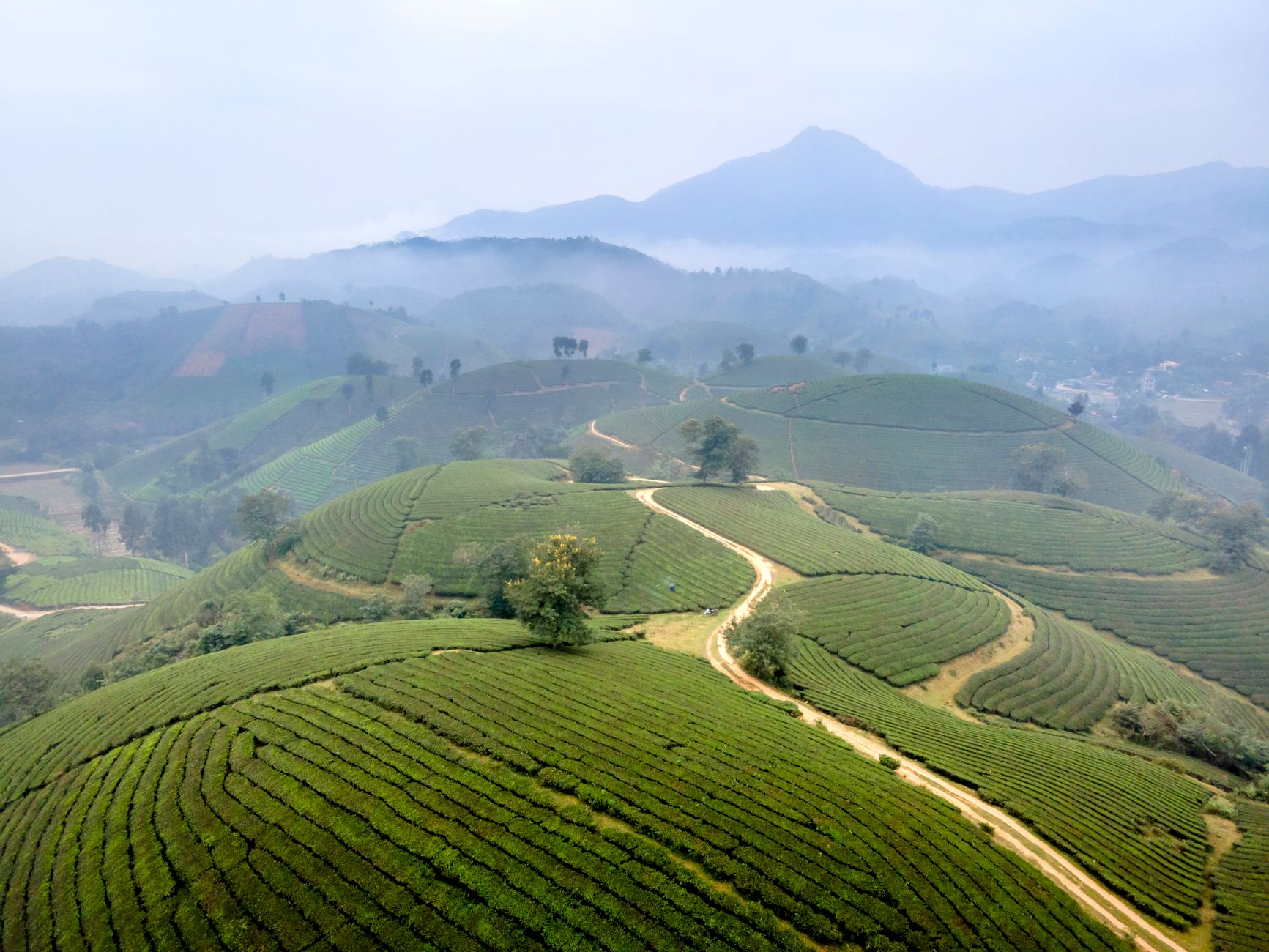
This is when most travelers come to southern Vietnam (베트남 / 越南 / ベトナム). Days are warm (25–32°C), humidity is lower, and rain is rare. The countryside is green but not waterlogged, making it ideal for hiking Cat Tien National Park or exploring the red volcanic soil around Tan Phu.
December–January are the sweetest months: cool evenings, clear skies, and comfortable conditions for full-day activities. Hotels and guesthouses fill up, and prices tick upward by 15–20%. If you're visiting "Cat Tien," this is when the park trails are driest and wildlife spotting chances peak.
February–March stay dry but temperatures climb. By late March, the heat becomes sticky even without rain. Fewer tourists have left by this point, but prices begin to ease off the December peak.
April marks the transition. Temperatures hit 30°C+ and humidity jumps sharply. Rain begins sporadically by mid-month. Tourist numbers drop noticeably, and accommodation rates dip 10–15%.
Wet season (May–October)
Heavy afternoon downpours are routine; roads to remote areas can become impassable. The heat is oppressive (28–35°C) with 80%+ humidity. Most package tours and casual visitors stay away.
May–June feel the most intense: sudden flooding is common, and travel insurance that covers weather disruption becomes worthwhile. Bird-watching and jungle trekking are still possible—the park is actually more alive—but require flexibility and waterproof gear.
July–September see the heaviest rainfall. Accommodation is cheap (30–40% off peak rates), and you'll share trails with far fewer people. If you can tolerate damp conditions, this is when Dong Nai reveals itself without the tourist machinery.
October begins to dry out toward month's end. Early October still brings rain, but by late October, conditions improve steadily. It's a shoulder window: reasonable prices, lighter crowds, and improving weather.
Month-by-month snapshot
| Month | Temp (°C) | Rain | Crowds | Price | |-------|-----------|------|--------|-------| | Jan | 25–31 | None | Peak | High | | Feb | 26–32 | Rare | Peak | High | | Mar | 27–33 | Rare | High | Medium–High | | Apr | 29–34 | Increasing | Medium | Medium | | May | 28–33 | Heavy | Low | Low | | Jun | 27–32 | Very heavy | Low | Low | | Jul | 26–31 | Very heavy | Low | Low | | Aug | 27–31 | Very heavy | Low | Low | | Sep | 27–32 | Heavy | Low | Low | | Oct | 27–32 | Moderate | Low–Medium | Low–Medium | | Nov | 26–31 | Decreasing | Medium | Medium | | Dec | 25–30 | None | Peak | High |
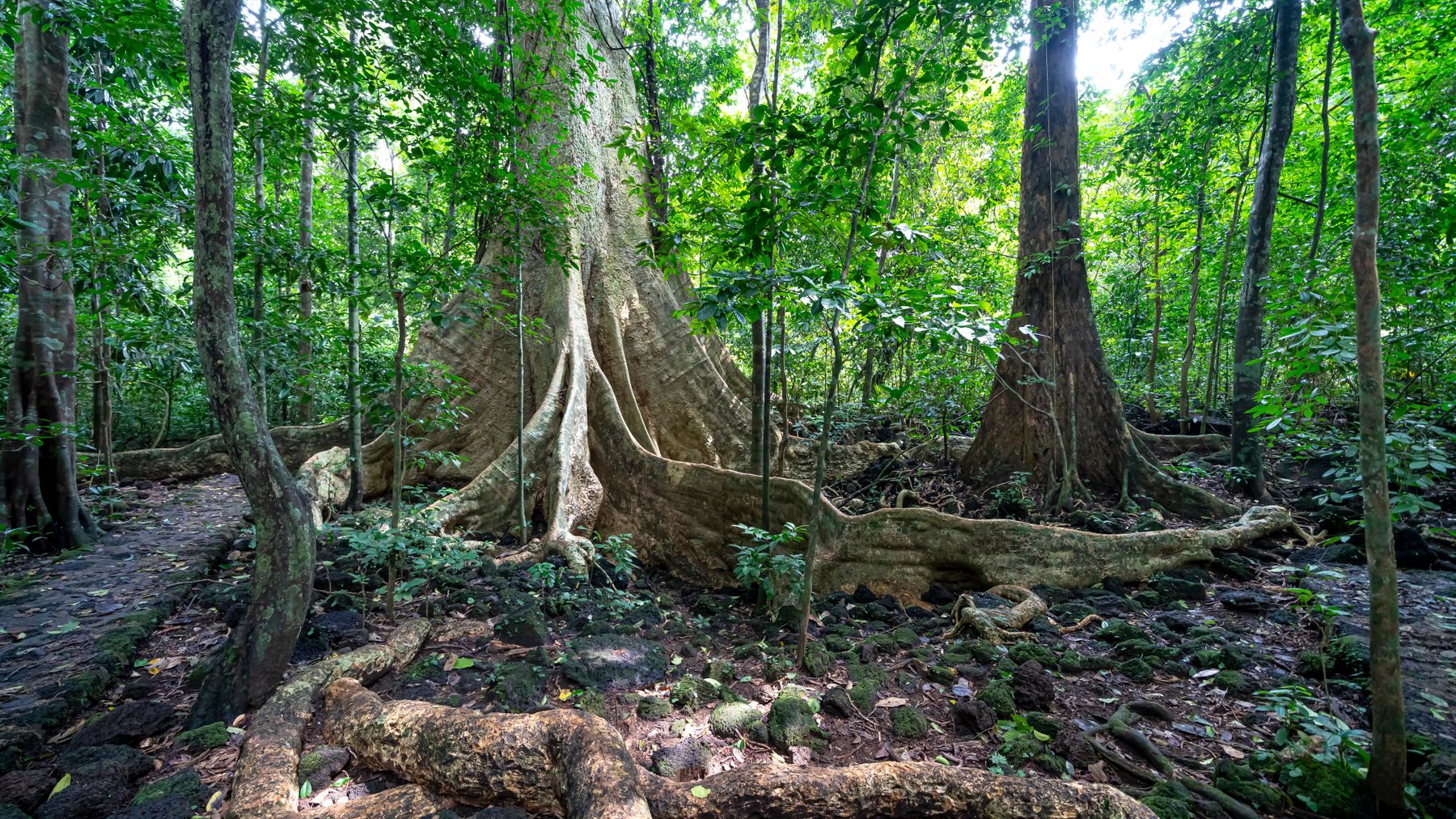
Photo by Quang Nguyen Vinh on Pexels
Festivals and events
Dong Nai doesn't host major tourist festivals like northern provinces, but a few regional observances align with travel planning.
Tet (late January or early February) transforms local culture everywhere in Vietnam. Towns quiet down—many businesses shut for a week—but temple fairs and family gatherings give a real glimpse of how Dong Nai celebrates. Accommodation books solid months ahead, and prices spike 25–30%.
Tet / 越南春节 / テト) Trung Thu (Mid-Autumn Festival, September–October) is smaller here than in Hanoi, but Bien Hoa and local villages hold lantern processions and children's events. It coincides with the tail end of wet season, so weather is improving.
Beyond these, Dong Nai is work-oriented: factories, farms, and logistics hubs mean the province pulses with economic activity rather than tourism fanfare. That's partly why it feels authentic.
Crowd patterns and what to expect
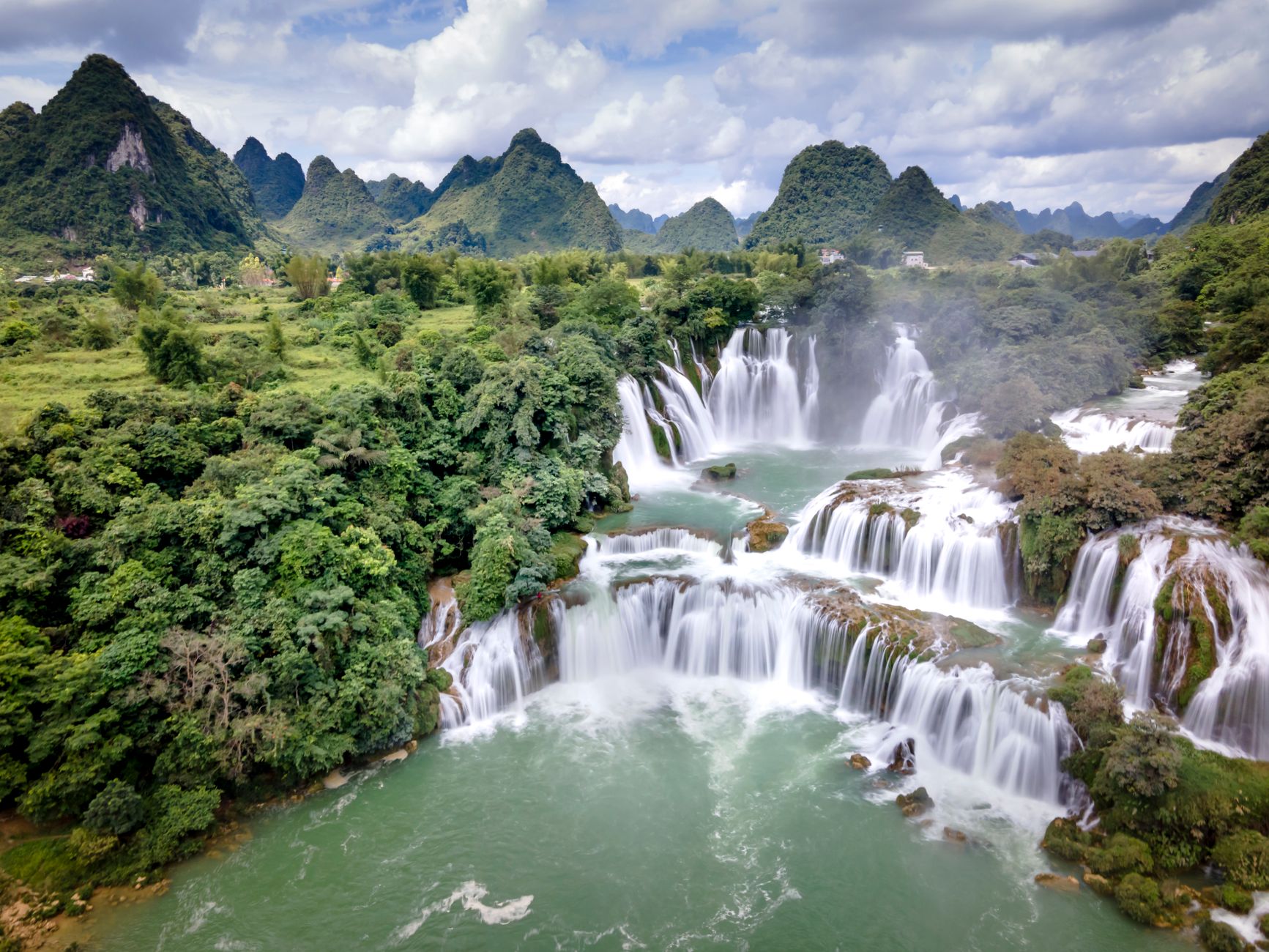
Peak season (December–February): Hotels fill by 70–80%. Popular spots like Damri Waterfall draw day-trippers from Saigon. Guided tours run daily; independent travel still feels solitary. Prices are 20–40% above off-season rates.
Shoulder season (March–April, November): Tourist numbers drop by half. You'll meet other travelers, but trails and viewpoints rarely feel crowded. Accommodation discounts are modest but real.
Off-season (May–October): Hotels often have empty rooms; many small guesthouses close or operate skeleton staff. Tour operators run trips only on request. Prices plunge 30–50%, and your main company will be locals and a handful of backpackers. The payoff is solitude and authenticity; the downside is logistical friction.

Photo by Dang Hong on Pexels
Weather reality check
Dong Nai's location—sandwiched between Saigon and the Long Khanh highlands—means microclimates. The coast near Vung Tau can be sunny while inland Tan Phu gets thunderstorms. Elevation in Cat Tien (200 m above sea level) keeps temperatures 2–3°C lower than the flatlands.
In the dry season, afternoons can feel scorching, but mornings are genuinely cool—pack light layers. In the wet season, rain usually falls in 1–3-hour bursts rather than all-day drizzle, so you can still move around.
Red dust from volcanic soil in the Tan Phu area is heaviest in April–May after harvest and before rains settle it. If you have respiratory sensitivity, that's a factor.
Practical notes
December through February is the no-brainer choice if you want reliable weather and don't mind company. October is criminally underrated: rains are fading, prices are low, and tourist infrastructure still hums. If you're flexible and seeking emptiness, commit to June–August with proper rain gear and patience. Avoid mid-April through May if you dislike extreme heat and unpredictable weather in tandem.
Last updated · May 29, 2026 · independently researched, never sponsored.