Nui Chua Chan — sometimes called Gia Lao Mountain — rises about 837 meters above the flatlands of Dong Nai province, roughly 100 km northeast of Saigon. For years it was a grueling hike-only affair: three to four hours of steep, root-tangled trail through dense forest. The cable car system, known locally as "cap treo Nui Chua Chan," changed the equation. Now you can reach the upper station in about 15 minutes, which has turned the mountain from a niche hiking destination into a legitimate day trip from Saigon.
What it is
The cable car runs from the base area near Buu Quang Pagoda up to the summit ridge of Nui Chua Chan, where a cluster of Buddhist temples and shrines have been built over the past couple of decades. The system uses modern gondolas, each carrying around eight passengers, covering a distance of roughly 2 km with a significant elevation gain. At the top, you'll find Linh Son Truong Tho Pagoda and several smaller temples connected by paved walkways and stone steps.
Nui Chua Chan has been a pilgrimage site for Vietnamese Buddhists for generations — the temples up top aren't new in spirit, even if the infrastructure is. The cable car simply made the mountain accessible to people who can't manage the steep climb, including older pilgrims and families with kids.
Why travelers go
Three reasons, really. First, the views from the gondola and the summit are genuinely good — you see the Dong Nai River basin, rubber plantations, and on clear days, a faint outline of Saigon (사이공 / 西贡 / サイゴン)'s skyline to the southwest. Second, the temple complex at the top is peaceful and uncrowded on weekdays, a contrast to the more touristy pagodas closer to the city. Third, it's one of the easiest mountain experiences you can have within day-trip range of Saigon — no overnight gear, no guide needed, no border permits.
For hikers, you can still take the trail up and ride the cable car down (or vice versa), which is the best way to do it if you have the legs for it.
Best time to visit
The dry season from November through April is ideal. Mornings are cooler, visibility is better, and you won't be dealing with the afternoon downpours that make the hiking trail slippery and the gondola views hazy. If you go during Tet (뗏 (베트남 설날) / 越南春节 / テト) or major Buddhist holidays, expect crowds — the mountain draws thousands of pilgrims during lunar new year. Weekdays in December or January are the sweet spot: cool air, thin crowds, clear skies.
Avoid July and August if you can. Heavy rain can suspend cable car operations temporarily, and the summit gets socked in with fog by mid-morning.
How to get there from Saigon
The mountain is near the town of Xuan Loc in Dong Nai province. From central Saigon, it's about 100 km east — roughly two hours by car or motorbike via Highway 1A and then cutting north toward Xuan Loc.
By motorbike: The most flexible option. Take Highway 1A east through Bien Hoa, continue to Long Khanh, then follow signs to Nui Chua Chan. Fuel cost is negligible; the ride itself is flat and straightforward until the final 10 km of smaller roads. Budget around 50,000 VND for fuel each way on a 125cc bike.
By bus + xe om: Catch a bus from Mien Dong bus station to Xuan Loc (around 70,000–90,000 VND, roughly two hours). From Xuan Loc town, grab a "xe om" (motorbike taxi) or use the Grab app for the remaining 15 km to the cable car base station — expect 40,000–60,000 VND.
By car: If you rent a car with driver from Saigon, budget around 1,200,000–1,500,000 VND for the round trip. This is the most comfortable option if you're traveling in a group.

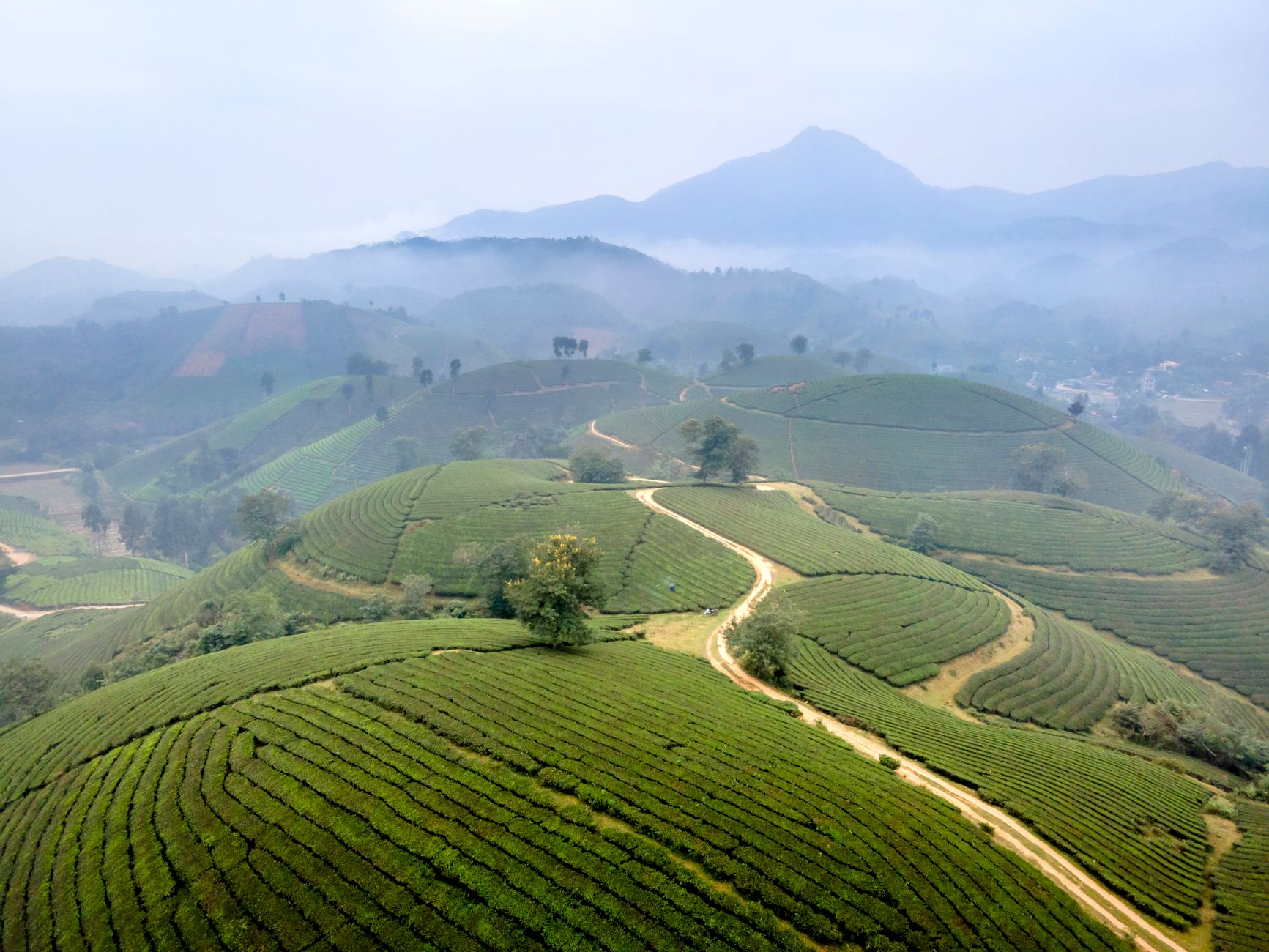
Photo by Hồng Quang Official on Pexels
What to do
Ride the cable car (obviously)
Tickets run around 200,000–250,000 VND for a round-trip adult ticket. One-way tickets are available if you want to hike in one direction. The ride takes about 15 minutes each way. Try to go early — the first cars start running around 7:00 AM, and the morning light is best.
Explore the summit temples
Linh Son Truong Tho Pagoda is the main structure at the top, with a large courtyard and a seated Buddha statue. Several smaller shrines dot the ridgeline, connected by stone paths. Budget 45 minutes to an hour to walk the full circuit. The incense smoke drifting through the mountain air up here is something you'll remember.
Hike the old trail
The original trail starts near Buu Quang Pagoda at the base. It's about 3–4 hours up, depending on your pace. The path is well-worn but steep in sections, with exposed roots and loose rock. Bring at least 1.5 liters of water and actual shoes — not sandals. A good strategy: hike up in the cool morning, take the cable car down.
Visit Buu Quang Pagoda
At the mountain's base, this pagoda is worth 20 minutes before or after your cable car ride. It's older and quieter than the summit temples, with a shaded courtyard and a vegetarian kitchen that sometimes serves free meals to visitors.
Watch the sunset from the summit
If cable car hours allow (check current schedule — last car down is usually around 5:00 PM), catching late afternoon light from the summit is worth timing your visit around.
Where to eat nearby
Xuan Loc town has a handful of local restaurants worth stopping at. Look for "com tam" — broken rice with grilled pork — which is solid at the small com tam shops along the main road into town, typically 35,000–45,000 VND per plate. "Banh canh" (thick tapioca noodle soup) is another local staple in this part of Dong Nai, often served with pork knuckle for around 40,000 VND.
At the base of the mountain itself, food stalls sell simple dishes — rice plates, instant noodles, grilled corn — but quality varies. Eat in Xuan Loc instead if you can.
Where to stay
Most people do Nui Chua Chan as a day trip from Saigon, which is the easiest approach. If you want to stay overnight to catch an early morning ascent:
- Budget: Guesthouses ("nha nghi") in Xuan Loc town run 200,000–350,000 VND per night. Basic but clean enough.
- Mid-range: A couple of newer hotels in Long Khanh town (20 minutes away) offer air-conditioned rooms with decent beds for 400,000–700,000 VND.
- There's no accommodation at the summit or cable car base station.

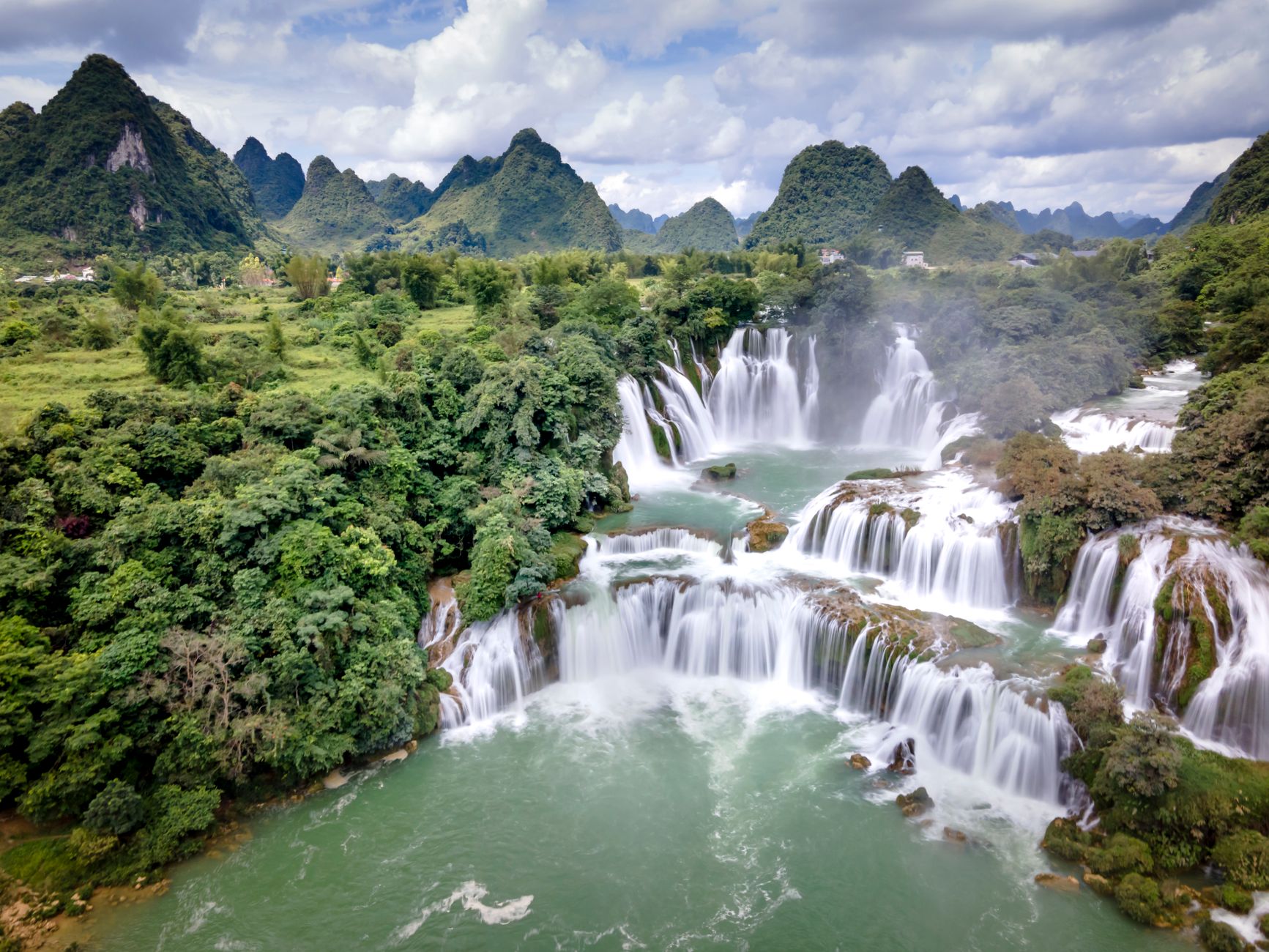
Photo by Kirandeep Singh Walia on Pexels
Practical tips locals would tell you
- Bring a light jacket. The summit is noticeably cooler than the base, especially in the morning — sometimes a 5–7°C difference.
- Wear proper shoes even if you're only taking the cable car. The summit paths have uneven stone steps.
- Bring cash. Card payment is unreliable at the ticket booth and nonexistent at food stalls.
- Start early. The cable car queue builds after 9:00 AM on weekends.
- If you're riding a motorbike from Saigon, the last 10 km of road to the base has some potholes — take it slow, especially after rain.
Common mistakes to avoid
- Going on a major Buddhist holiday without expecting crowds. Full moon days and Tet bring massive pilgrim numbers. The cable car wait can hit 60–90 minutes.
- Underestimating the hike. People see "837 meters" and think it's easy. The trail is steep and the Dong Nai heat is real — this isn't Da Lat weather down at the base.
- Skipping water. There's limited water for sale at the summit. Bring your own.
- Arriving after 3:00 PM. You'll feel rushed at the top and risk missing the last cable car down.
Practical notes
Nui Chua Chan works best as a dawn-start day trip from Saigon — leave by 6:00 AM, you're on the cable car by 8:00, back in the city by early afternoon. It pairs well with a stop in Long Khanh for fruit (the area is famous for rambutans and durian) on the drive back. For a longer southern Vietnam trip, it slots in nicely between time in Saigon and heading northeast toward the coast.
Last updated · May 29, 2026 · independently researched, never sponsored.