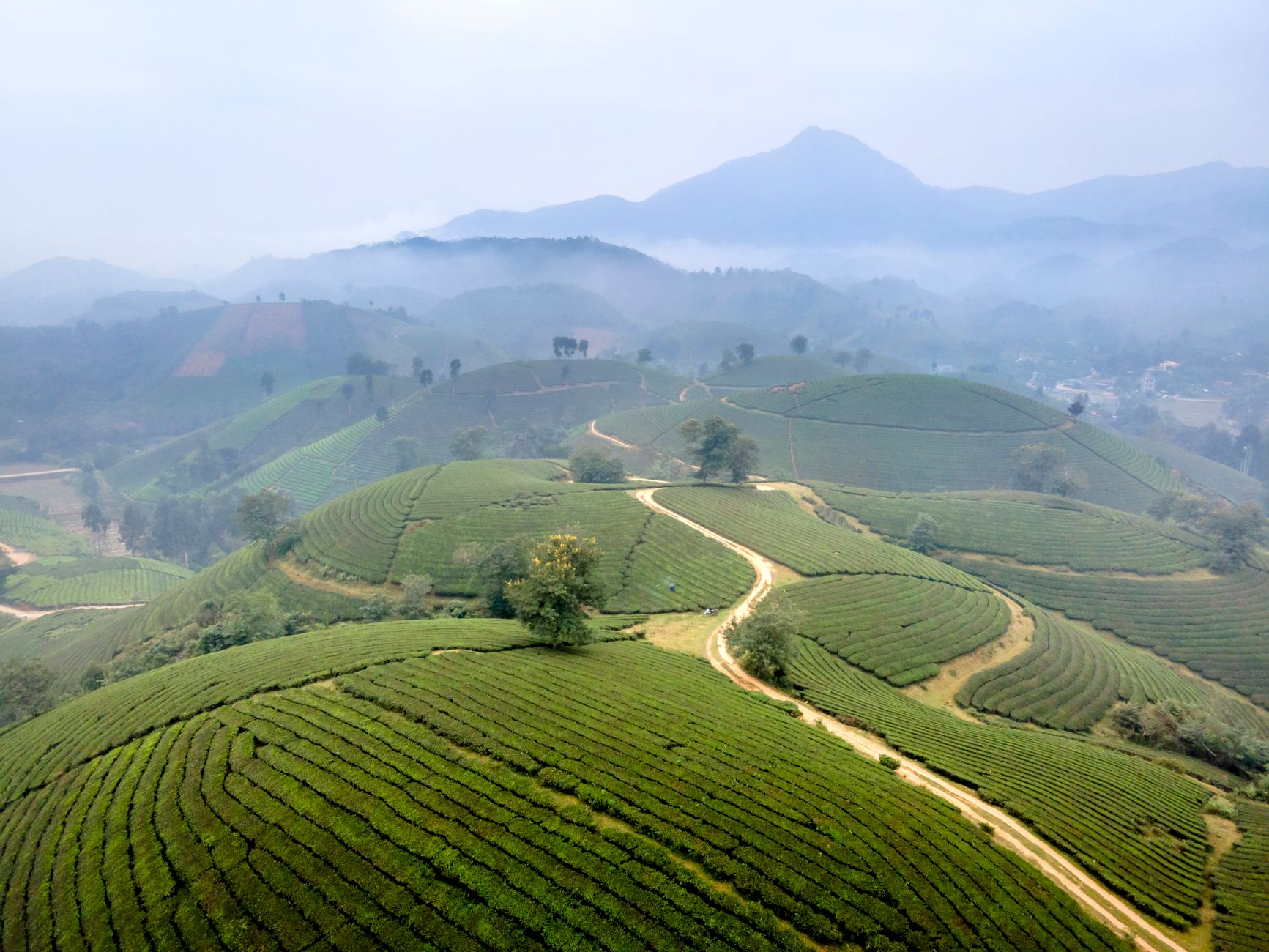
Thac Dung — roughly translated as "Standing Waterfall" — is a narrow, vertical cascade tucked into the forested highlands of Dong Nai province. It doesn't show up on most tourist itineraries, which is precisely why it's worth knowing about.
What it is
Thac Dung sits in a stretch of semi-evergreen forest in the northern reaches of Dong Nai, in territory that was formerly part of Binh Phuoc province. The waterfall drops roughly 20 meters in a single clean column — hence the name, "thac dung" meaning the waterfall that stands straight. The surrounding area is populated mostly by small farming communities growing cashew, rubber, and pepper. There's no theme park, no ticket booth with a mascot, no staged photo spots. It's a waterfall in the woods, and that's the appeal.
The local Stieng and Ma ethnic minority communities have long known the falls as a water source and gathering spot. In recent years, word has spread among domestic travelers from Saigon looking for weekend escapes that don't involve fighting crowds at more established sites.
Why travelers go
Two reasons, mainly. First, the forest. The walk to the falls passes through canopy cover that drops the temperature a few degrees — noticeable when you've been riding a motorbike through lowland heat. Second, the quiet. On weekdays you might have the pool at the base entirely to yourself. Weekend mornings are manageable; by early afternoon, local picnic groups start arriving.
If you're someone who measures waterfalls by sheer scale, Thac Dung won't compete with the big names. But if you'd rather sit on a rock with your feet in cold water and hear nothing but insects and moving water, it delivers.
Best time to visit
The rainy season in this part of the south runs roughly from May through October. The falls are at their strongest from July to September, when the volume is high and the forest is at peak green. The trade-off: trails get muddy, leeches appear, and afternoon downpours are almost guaranteed.
The sweet spot is late October through December — the rains are tapering off, the falls still have good flow, and the trails have started to dry. January through March is dry season; the waterfall thins out considerably and can be underwhelming by February.
Avoid public holidays (especially the days around Tet and April 30) unless you enjoy competing for shade with a hundred other visitors.
How to get there
The nearest major hub is Saigon (사이공 / 西贡 / サイゴン), roughly 150 km to the southwest depending on your exact route.
- By motorbike: The most common approach for independent travelers. Take Highway 13 north through Binh Duong and Thu Dau Mot, then cut east. Total ride time is around 3–3.5 hours without stops. Fuel costs are negligible — maybe 80,000–100,000 VND round trip on a 125cc bike.
- By car: Similar route, slightly faster on the highway stretches. If you're renting a car with driver from Saigon, expect to pay 1,500,000–2,000,000 VND for a day trip.
- By bus: You can catch a bus from Saigon's Mien Dong bus station heading toward Dong Xoai or Phuoc Long (around 120,000–150,000 VND), then arrange a "xe om" (motorbike taxi) for the remaining stretch to the falls. This last leg is 20–30 km depending on your drop-off point and will cost roughly 100,000–150,000 VND negotiated.
The final approach road is partially unpaved. A scooter handles it fine in dry season; in the wet months, something with decent tires and ground clearance helps.
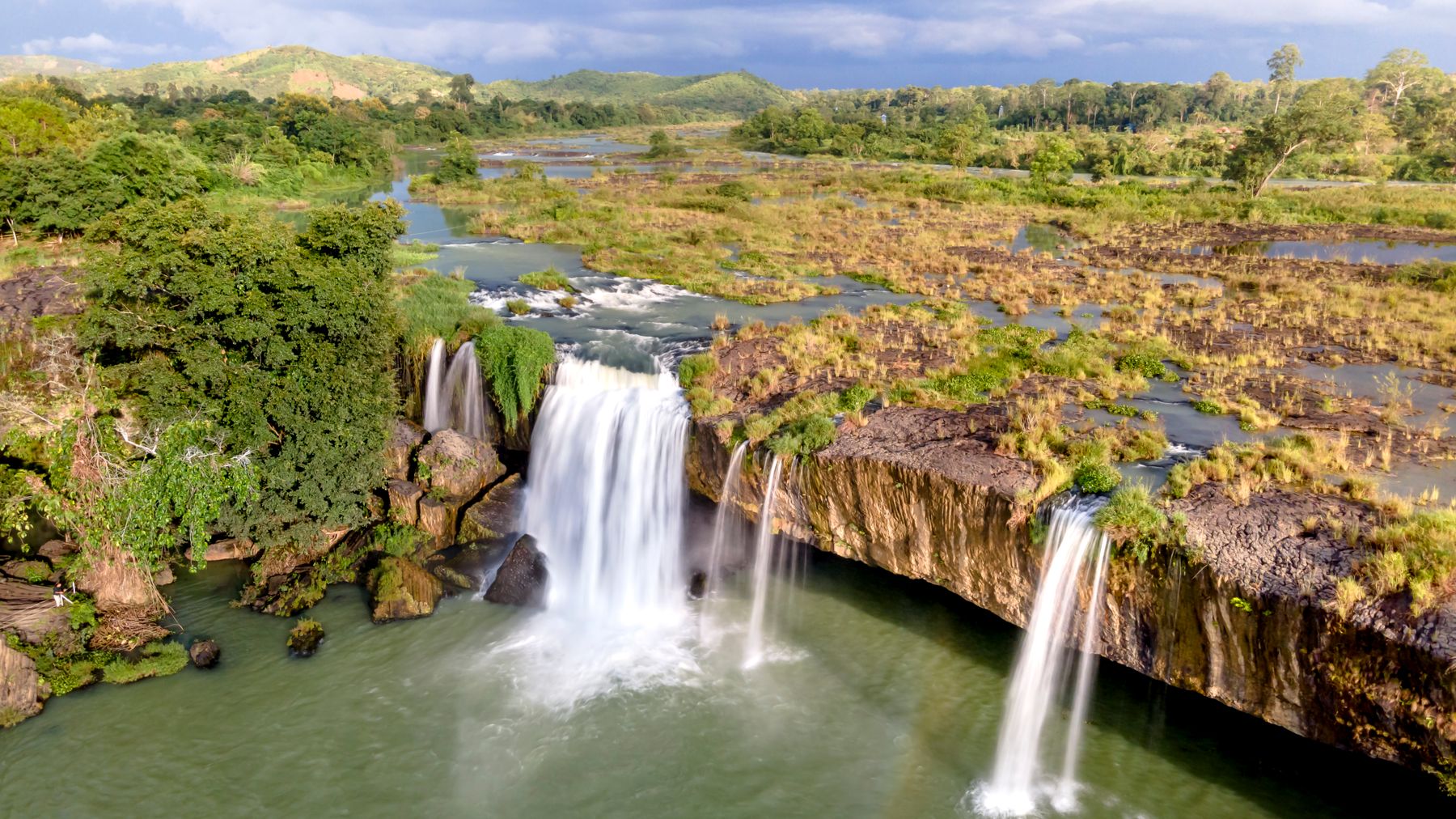
Photo by Quang Nguyen Vinh on Pexels
What to do
Swim at the base pool
The plunge pool at the bottom of the falls is deep enough to swim in during peak flow months. The water is cold by southern Vietnam (베트남 / 越南 / ベトナム) standards — refreshing after the walk in. Bring water shoes; the rocks are slick.
Walk the forest trail
A rough trail follows the stream above and below the falls. It's not marked or maintained in any official sense, but locals have worn a clear path. Allow 30–45 minutes for a loop. Keep an eye out for butterflies — the diversity here is genuinely impressive during the wet season.
Have a picnic
There are flat rocks and cleared areas near the falls that work well for a spread. Bring your own food — there are no vendors at the site itself. A baguette, some "cha gio" from the market in town, fruit, and cold water is the standard local move.
Visit a pepper farm
The area around Thac Dung grows black, white, and red peppercorns. Some families are happy to show you around if you ask politely. You can usually buy fresh pepper directly — expect to pay 150,000–200,000 VND per kilogram, well below Saigon market prices.
Catch the morning light
If you're staying overnight nearby, get to the falls before 8 a.m. The angle of light through the canopy hitting the mist off the cascade is the best photo opportunity here, and you won't be jostling anyone for position.
Where to eat nearby
The area isn't a food destination, but you won't go hungry. Small roadside "quan com" (rice shops) along the main road serve standard southern plates: broken rice with grilled pork — what Saigon calls "com tam" — and various noodle soups.
Look for places serving "ga nuong" (grilled chicken) — the free-range birds around here are noticeably better than city poultry, often grilled over cashew-wood charcoal and served with salt-pepper-lime dip and raw vegetables. A full chicken meal for two runs about 200,000–300,000 VND.
If you pass through a town with a morning market, grab "banh mi" for the road. The local version tends to be simpler than the Saigon style — heavier on pate and pickled vegetables.
Where to stay
Accommodation options near Thac Dung are limited and basic.
- Guesthouses ("nha nghi"): Scattered along the main roads. Expect a clean-enough room with air conditioning, hot water, and not much else for 200,000–350,000 VND per night.
- Homestays: A few families in the area offer rooms. These are informal setups — you'll get a mattress, mosquito net, and home-cooked meals. Around 300,000–500,000 VND including dinner and breakfast. Ask around at the local market or search Vietnamese-language listings on social media.
- Hammock camping: Some travelers string a hammock near the falls. This is technically unregulated — there's no camping fee or permit. Bring a rain tarp and insect repellent.
For more comfort, the nearest proper hotels are in Dong Xoai town, about 30–40 km away, where rooms with actual amenities start around 400,000 VND.

Photo by Vietnam Hidden Light on Pexels
Practical tips locals would tell you
- Bring cash. There are no ATMs near the falls and no one takes cards. Load up before you leave the main highway.
- Wear long pants for the trail. Thorny undergrowth and the occasional leech make shorts a regrettable choice during wet months.
- Carry your trash out. There's no waste collection at the site. The more domestic visitors discover it, the more litter appears — don't add to it.
- Start early. Leave Saigon by 5:30 a.m. and you'll arrive before the heat peaks. This also gives you the falls in good light with fewer people.
Common mistakes to avoid
- Relying on Google Maps alone. The pin location for the falls can be inaccurate. Cross-reference with Vietnamese-language directions or ask locals once you're in the area — "Thac Dung o dau?" gets you pointed the right way.
- Underestimating the last stretch. That unpaved road is manageable but slow. Don't budget highway speeds for the final 10 km.
- Skipping water and sun protection. The canopy offers shade at the falls, but the ride there is exposed. Dehydration and sunburn are the most common complaints from day-trippers.
- Expecting facilities. There are no changing rooms, no restrooms, no lifeguards. Plan accordingly.
Practical notes
Thac Dung works best as a day trip from Saigon or as a stop on a longer loop through the southern highlands toward Da Lat. Pair it with a night in Dong Xoai and a visit to Cat Tien National Park, which is roughly 60 km further north, for a solid weekend itinerary.
Last updated · May 26, 2026 · independently researched, never sponsored.