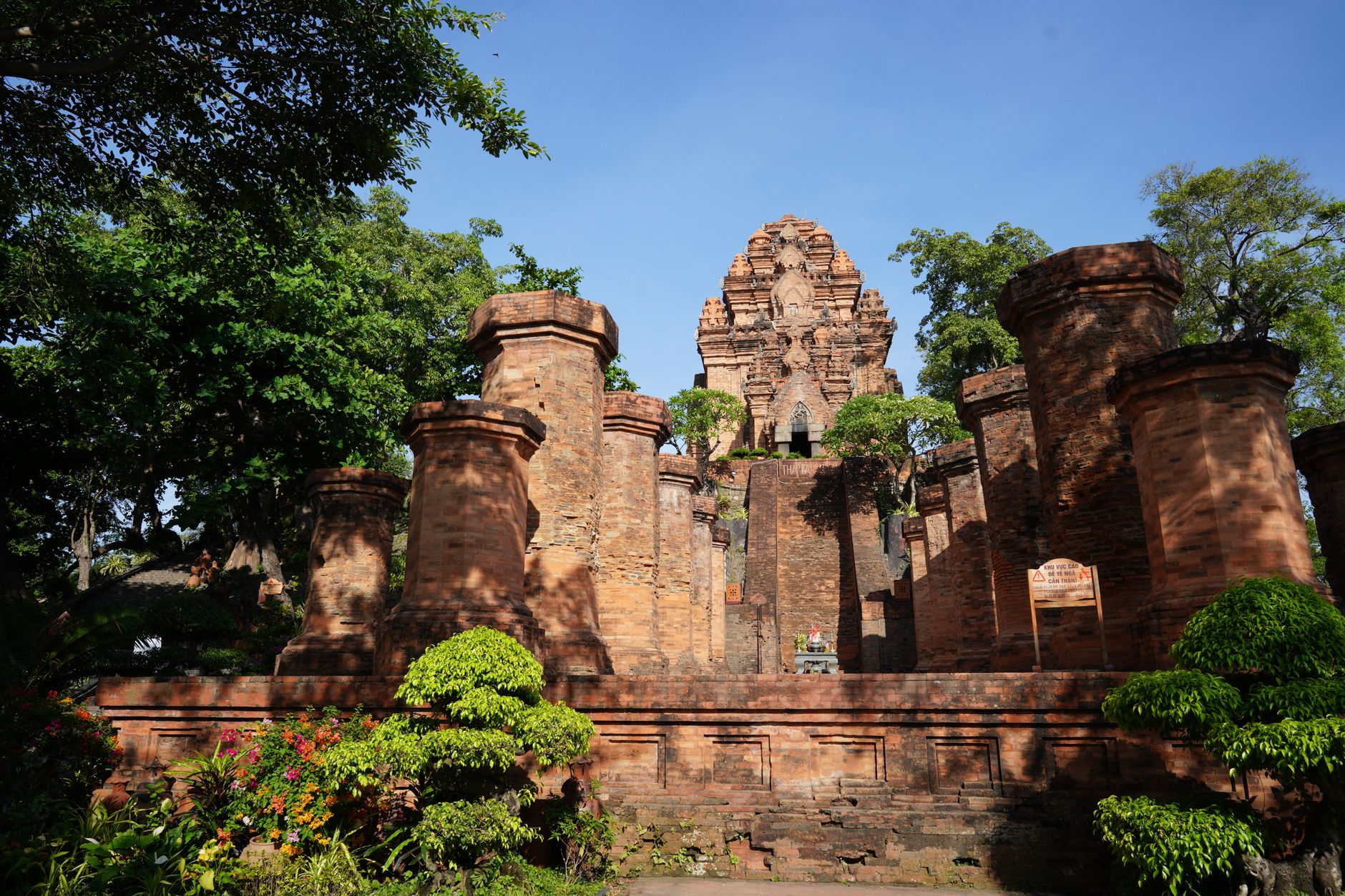
Cho Dam is where Nha Trang (냐짱 / 芽庄 / ニャチャン) actually eats. While the beach strip runs on overpriced fish restaurants and tourist menus, this covered market in the city centre has been feeding locals since the 1970s — and if you show up before 9 a.m., you'll find some of the best bowls of "bun ca" in the region for under 40,000 VND.
Finding the Market
Cho Dam sits on Nguyen Dinh Chieu street, roughly 1.5 km from the main beach promenade. It's a two-storey structure — the ground floor handles fresh produce, meat, and fish; the upper floor and surrounding alley stalls are where you eat. Most food vendors set up from around 6 a.m. and wind down by noon. If you're coming for breakfast, earlier is better — stalls get crowded between 7 and 9, and the best soups sell out.
What to Eat: Bun Ca First, Everything Else After
Bun ca — fish noodle soup — is the dish Nha Trang does better than almost anywhere else in central Vietnam (베트남 / 越南 / ベトナム). The broth here is built from simmered fish bones and lemongrass, lighter and cleaner than the fermented shrimp-heavy soups you'll find further north in Hue. A good bowl comes with chunks of fried or steamed fish, glass or rice noodles, fresh herbs, and a side of shrimp paste and chilli if you want it. At Cho Dam, expect to pay 30,000–45,000 VND per bowl. Look for stalls with handwritten signs and a queue — that's the only reliable indicator.
If you want something with more punch, ask around for "bun sua" — jellyfish noodle soup, a Nha Trang speciality that's harder to find outside this city. The texture takes some getting used to (the jellyfish is crunchy, almost squeaky), but the broth is mild and the whole thing is genuinely interesting for about 40,000 VND.
"Banh canh cha ca" also shows up at several stalls — thick tapioca noodles with fish cake in a clear, savoury broth. It's heavier than bun ca but worth trying if you're there in the cooler months.

Photo by Hoàng Giang on Pexels
The Seafood Section
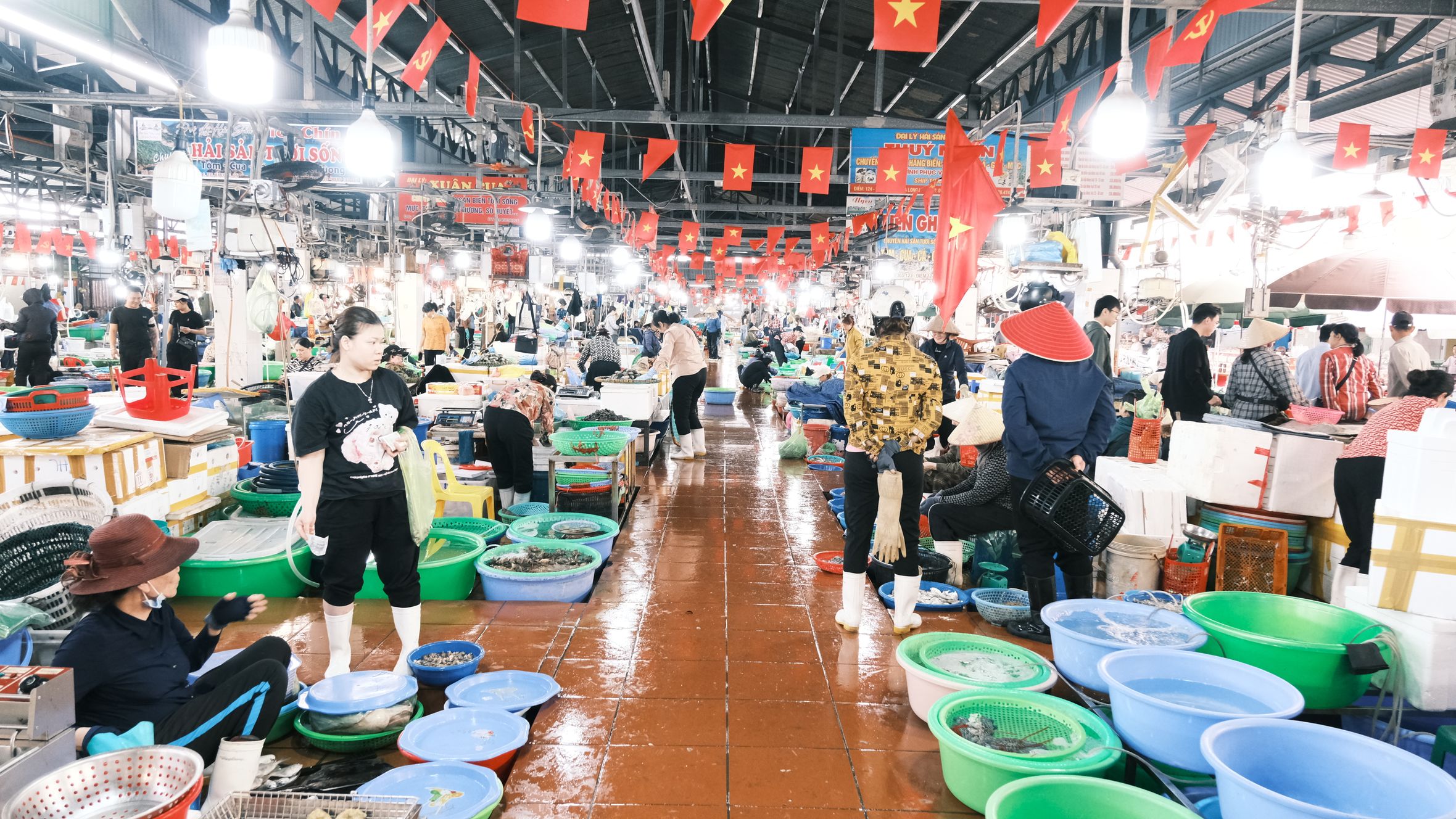
The ground floor wet market is worth walking even if you're not cooking. The seafood stalls run along the eastern side of the building and stock whatever came off the boats that morning — mantis shrimp, crab, squid, sea urchin when it's in season, and several species of reef fish you won't recognise but can point at. Prices here are wholesale-adjacent: a kilogram of fresh squid runs around 120,000–160,000 VND depending on the season, compared to two or three times that at beach restaurants.
A handful of small "com" (rice) stalls operate near the market perimeter from late morning — these are where you can put together a plate of steamed rice with braised fish, pickled vegetables, and a fried egg for 50,000–60,000 VND. Unglamorous, filling, exactly what it should be.
Other Things Worth Trying
"Banh mi" carts cluster near the market entrance from early morning. Nha Trang's version leans heavily on pate and pickled daikon; some stalls add a smear of the local fermented shrimp paste, which makes it saltier and funkier than what you'd get in Hoi An or Saigon. Price is usually 15,000–25,000 VND.
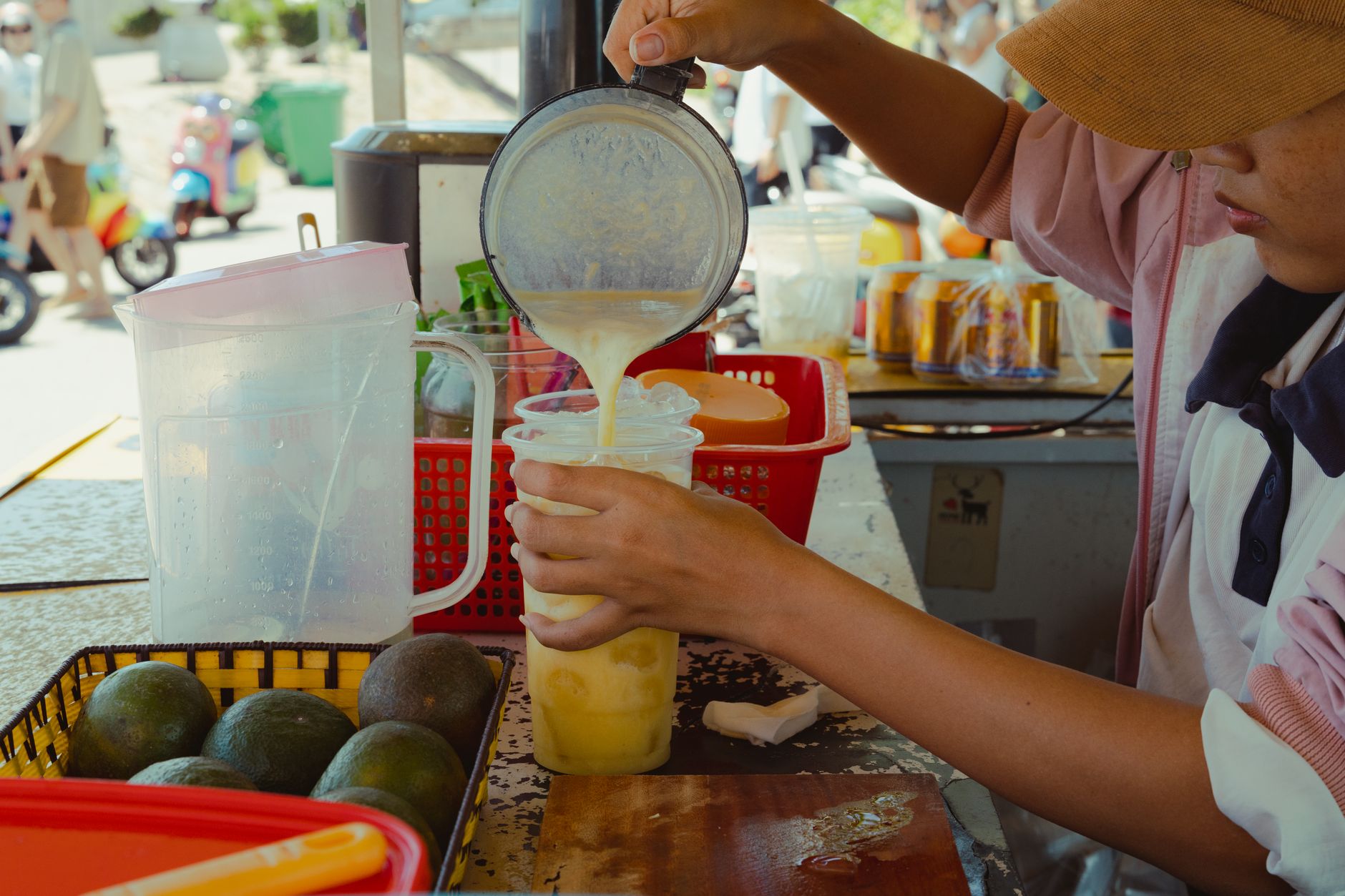
For drinks, a few vendors sell "ca phe sua da" from battered aluminium drip filters — strong, sweet, properly made. There's also fresh sugarcane juice pressed to order near the south entrance, around 15,000 VND a glass, which pairs well with the heat and the smell of fish.

Photo by Vika Glitter on Pexels
How to Navigate Without Getting Lost
Cho Dam is busy and a little chaotic, especially on weekend mornings. A few practical notes:
- Go on foot. Parking a motorbike near the entrances is possible but annoying. The market is small enough to walk around in 20 minutes.
- Bring small bills. Most food vendors won't have change for 500,000 VND notes.
- Point and gesture freely. English is limited at food stalls here, but most vendors are patient with visitors who make an effort. Holding up fingers for quantity works fine.
- Skip the tourist-facing stalls near the main entrance that sell dried squid in vacuum packs and instant noodle gift sets. Go deeper into the market for the real food.
If Cho Dam leaves you wanting more Nha Trang street food, the night market on Tran Phu is the obvious next stop — louder and more visitor-oriented, but useful for grilled seafood in the evening.
Practical Notes
Cho Dam is open daily from roughly 5 a.m. to 6 p.m., but the food stalls are almost exclusively a morning affair — aim to arrive before 9 a.m. for the widest selection. The market is free to enter. Budget 60,000–100,000 VND for a solid breakfast with coffee.
Last updated · May 26, 2026 · independently researched, never sponsored.