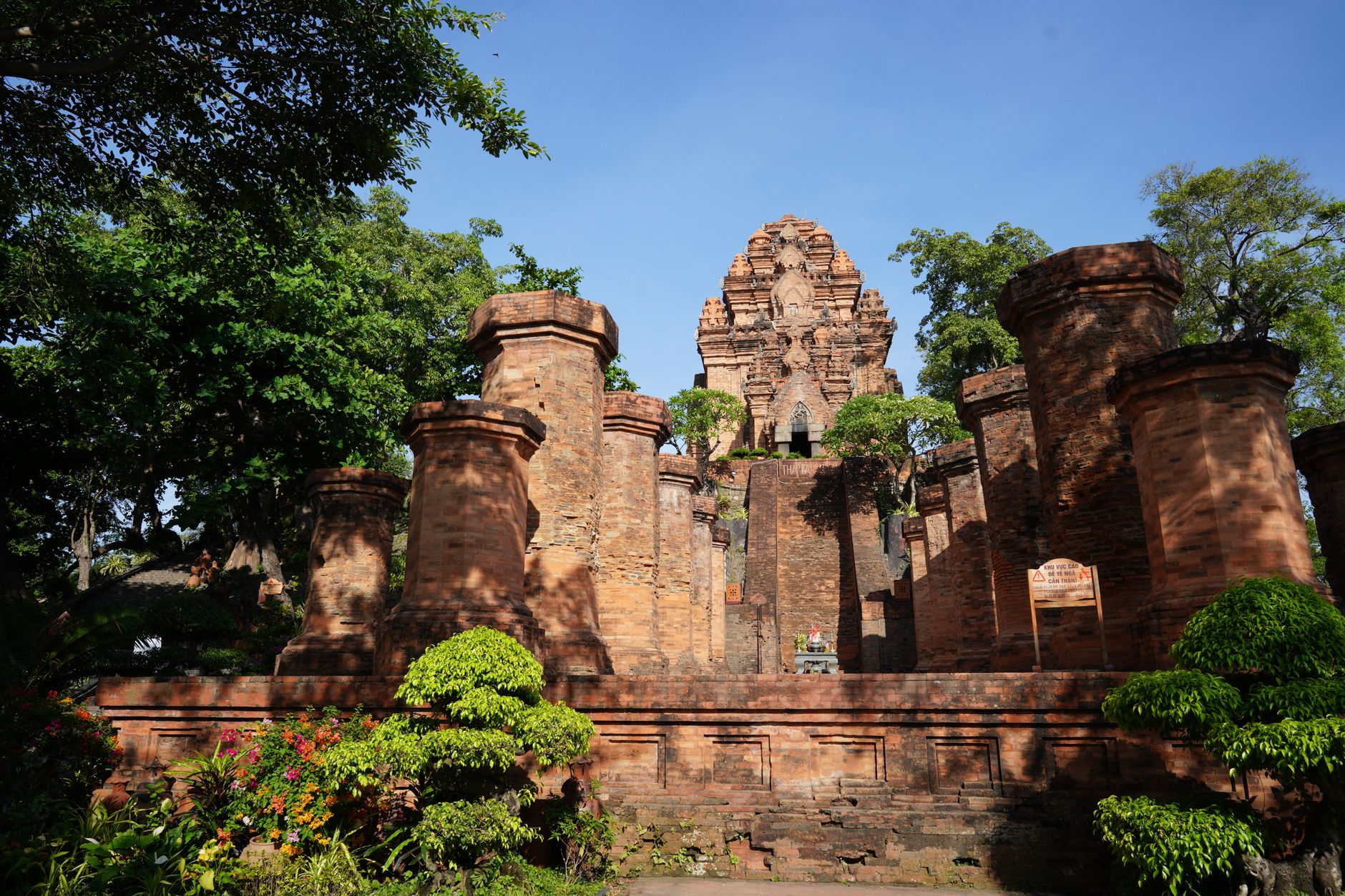
Hon Do — literally "Red Island" — is a small granite island sitting about 500 meters off the coast south of Cam Ranh. The name comes from the reddish hue of its rock face, especially vivid in late afternoon light. It's not a resort island. There's no hotel, no beach bar, no Instagram cafe. What it has is a cliffside temple, clear water, and the kind of quiet that's getting harder to find along this stretch of coastline.
What Hon Do actually is
Hon Do is a rocky island of roughly 4 hectares, connected to the mainland by a short boat ride from the fishing village of Ninh Tich (also called Ninh Hai by some locals). The island's main landmark is a Buddhist temple complex — Tien Lam Tu — built into the rock face and connected by steep stone steps. Construction of the temple began in the late 20th century, and monks have maintained it since. The island also has a few natural caves and tide pools along its base.
Don't confuse this with the more developed islands around Nha Trang (냐짱 / 芽庄 / ニャチャン). Hon Do has no permanent residents aside from the temple caretakers. That's part of the appeal.
Why travelers go
Most visitors come for the temple, which is genuinely interesting from an architectural standpoint — it's carved into and built against raw cliff rock, with narrow stairways winding up to small prayer halls and lookout points. The views from the upper levels look back toward the mainland coastline and out across open water.
Beyond the temple, the waters around the island are reasonably clear for snorkeling, particularly on the eastern side where coral coverage is still intact. It's not world-class reef, but for a half-day trip it's more than adequate. Some visitors also come simply because it's an easy, cheap boat ride that gets them onto an island that isn't overrun.
Best time to visit
The dry season from January through August is your window. March to June is ideal — seas are calm, visibility is good, and it's hot enough to enjoy the water without the worst of the summer heat. From September through December, the northeast monsoon brings rougher seas and occasional heavy rain. Boats may not run on bad weather days, and the temple steps get slippery.
Early morning arrivals (before 9 AM) are best. The rock absorbs heat fast, and by midday the exposed stairs to the temple become uncomfortable.
How to get there
The nearest major hub is Nha Trang, about 60 km to the north. From Nha Trang, you have a few options:
- Motorbike or taxi to Ninh Tich village: Take the coastal road (QL1A south, then cut toward the coast). About 1 hour 15 minutes by motorbike, or roughly 1 hour by car. A Grab car runs around 350,000–450,000 VND one way.
- From Cam Ranh: If you're flying into Cam Ranh airport, Ninh Tich is closer — about 30–40 km south, under an hour by road.
- Boat from Ninh Tich: Local fishermen run small boats to the island. Expect to pay 50,000–100,000 VND per person for a round trip, depending on group size and your negotiation. The crossing takes about 10 minutes. There's no fixed schedule — you arrange it dockside.
If you're traveling from further south, the area is also reachable from Phan Rang, roughly 30 km away.

Photo by Quang Vuong on Pexels
What to do on Hon Do
Walk the temple complex
Tien Lam Tu is the reason most people come. The complex includes several small halls, a main pagoda, and meditation areas built directly into the cliff. The stone stairway up is steep — maybe 150 steps — and narrow in places. Wear shoes with grip. At the top, there's a statue overlooking the sea and a small terrace where monks sometimes offer tea to visitors. Dress modestly: cover your shoulders and knees.
Snorkel the eastern shore
Bring your own gear — there's nowhere to rent on the island. The eastern side has scattered coral and decent fish life in 2–4 meters of water. Best visibility is in the morning before winds pick up. Don't expect Phu Quoc-level reefs, but it's a pleasant swim.
Explore the tide pools
At low tide, the base of the island reveals rock pools with sea urchins, small crabs, and anemones. Good for an hour of poking around, especially if you're traveling with kids.
Photograph the rock face
The red-toned granite is most photogenic between 4–5 PM when the light hits directly. From the mainland shore near Ninh Tich, you get a clear angle with fishing boats in the foreground.
Sit and do nothing
Seriously. The island is small enough to walk in 30 minutes. Once you've seen the temple, the best thing to do is find a flat rock, watch the water, and appreciate the absence of loudspeakers and tour buses.
Where to eat nearby
There's no food on the island itself, so eat before or after on the mainland.
In Ninh Tich village, look for seafood stalls near the dock — grilled fish, steamed clams, and rice are the standard meal. A plate of grilled "ca nuc" (round scad) with rice and dipping sauce runs about 40,000–60,000 VND. If you want something more substantial, drive 15 minutes toward Ninh Hai town where you'll find "banh canh" — the thick tapioca noodle soup — made with fresh crab or fish. A bowl costs 30,000–45,000 VND and is one of the better things you'll eat in this part of the coast.
For Vietnamese coffee, any roadside "ca phe" stall in Ninh Hai will do. Order a "ca phe sua da (연유커피 / 越南冰咖啡 / ベトナムアイスコーヒー)" and sit on a plastic stool like everyone else.
Where to stay
There's no accommodation on Hon Do itself. Your options are:
- Ninh Hai / Ninh Tich area: Basic guesthouses ("nha nghi") from 200,000–400,000 VND per night. Don't expect much beyond a bed, fan or AC, and a cold-water bathroom.
- Cam Ranh: Mid-range hotels in the 500,000–900,000 VND range with better facilities.
- Nha Trang: Full range from backpacker hostels (150,000 VND/dorm bed) to international hotels. Most travelers base themselves here and do Hon Do as a day trip.

Photo by Haneul Trac on Pexels
Practical tips locals would tell you
- Bring water and snacks. There's nothing to buy on the island. A 1.5L bottle and some fruit is enough for a half-day.
- Cash only. No ATMs in Ninh Tich. Bring small bills for the boat and any food purchases.
- Sunscreen and a hat are non-negotiable. There's almost no shade on the island outside the temple buildings.
- Respect the temple. This is an active place of worship. Keep your voice down, don't climb on statues, and remove shoes where indicated.
- Tell your boat driver a pickup time. There's no phone signal on parts of the island, so agree on a return time before he drops you off.
Common mistakes to avoid
- Coming in flip-flops. The temple stairs are uneven stone. One slip and you're looking at a scraped shin or worse.
- Expecting a beach day. Hon Do is rock, not sand. If you want a beach, head to Ninh Chu or Binh Tien on the mainland instead.
- Arriving after noon. The heat on exposed rock is brutal. Morning visits are dramatically more comfortable.
- Not confirming the boat return. Occasionally, drivers wander off. Be clear, agree on a price and time, and pay half upfront, half on return.
Practical notes
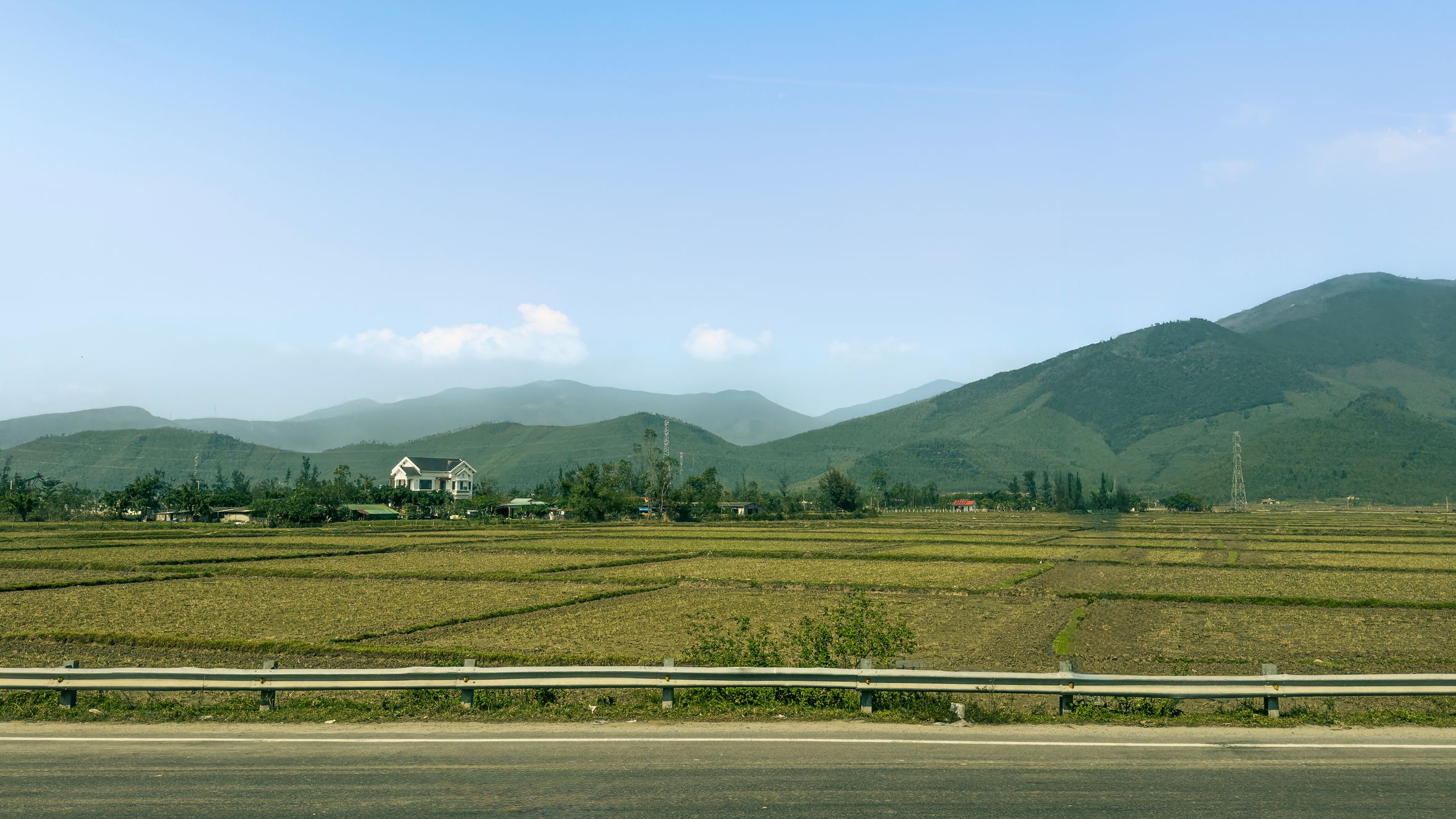
Hon Do works best as a half-day side trip if you're already in the Cam Ranh or Nha Trang area. It pairs well with a drive along the coast — the road between Cam Ranh and Phan Rang passes through salt fields and shrimp farms that are worth stopping for. Budget 3–4 hours total including transport from Ninh Tich, and you'll have seen everything without rushing.
Last updated · May 26, 2026 · independently researched, never sponsored.