Cua Dai Beach is one of those places where the river delta meets the East Sea in a wide, flat expanse of sand — less crowded than An Bang, less developed than My Khe, and deeply tied to the fishing communities that still work this coastline. It sits about 4 km east of Hoi An's Old Town, making it an easy day trip or a base for travelers who want sand and quiet without giving up access to one of Vietnam (베트남 / 越南 / ベトナム)'s best food towns.
What Cua Dai Is — and a Bit of History
Cua Dai translates roughly to "big mouth" — the mouth of the Thu Bon River where it fans out into the sea. For centuries, this stretch of coast served the trading port of Hoi An (호이안 / 会安 / ホイアン), with boats moving between the river and open water. The beach itself runs about 3 km, backed by casuarina trees and a handful of resorts.
Erosion has been a real issue here. Starting around 2014, large sections of the shoreline receded significantly, swallowing parts of the road and damaging some beachfront properties. Local authorities have since built sea walls and breakwaters, and the beach has partially recovered. You'll notice the concrete barriers in spots — they're not pretty, but they've stabilized things. The southern end of the beach, closer to the river mouth, tends to have more intact sand.
Why Travelers Go
Cua Dai works because of proximity and pace. You're a short bike ride from Hoi An — the tailors, the lanterns, the "cao lau" and "mi quang" — but the beach itself is calm. It draws people who want to swim in the morning, eat seafood at lunch, and cycle back to the Old Town by evening. It's also the departure point for boats to Cu Lao Cham, the cluster of islands about 18 km offshore with decent snorkeling and a quieter island atmosphere.
Best Time to Visit
The sweet spot is March through August. April to June is ideal — warm water, minimal rain, temperatures around 28-33°C. July and August are hotter and busier with domestic tourists.
Avoid October through December if you can. This is typhoon season in central Vietnam, and Cua Dai catches it full force. The sea gets rough, some beach services shut down, and flooding in Hoi An can make the road out to the coast difficult.
January and February are cooler (20-24°C) with occasional drizzle. Swimmable on good days, but not reliable beach weather.
How to Get There
From Da Nang, the drive to Cua Dai is about 35 km southeast, roughly 45-55 minutes depending on traffic.
- Taxi/Grab: 250,000-350,000 VND one way from central Da Nang. Grab is usually cheaper than metered taxis.
- Motorbike: Rentals in Da Nang run 120,000-150,000 VND/day. Take the coastal road (Vo Nguyen Giap) south through Non Nuoc and continue past Hoi An. Straightforward route, mostly flat.
- From Hoi An: The beach is only 4 km from the Old Town. Rent a bicycle (30,000-50,000 VND/day) and ride east on Hai Ba Trung Street, which turns into Cua Dai Road. Takes about 15 minutes at a relaxed pace.
If you're flying in, Da Nang International Airport is the nearest hub, with connections to Hanoi, Saigon, and regional cities.

Photo by Quang Nguyen Vinh on Pexels
What to Do
Swim and Sit
The water is warm and the waves are gentle from March to August. The southern stretch of beach near the river mouth has softer sand and fewer sea wall interruptions. Beach chairs and umbrellas rent for about 50,000-100,000 VND through nearby restaurants — order a drink and the chair is often free.
Boat to Cu Lao Cham
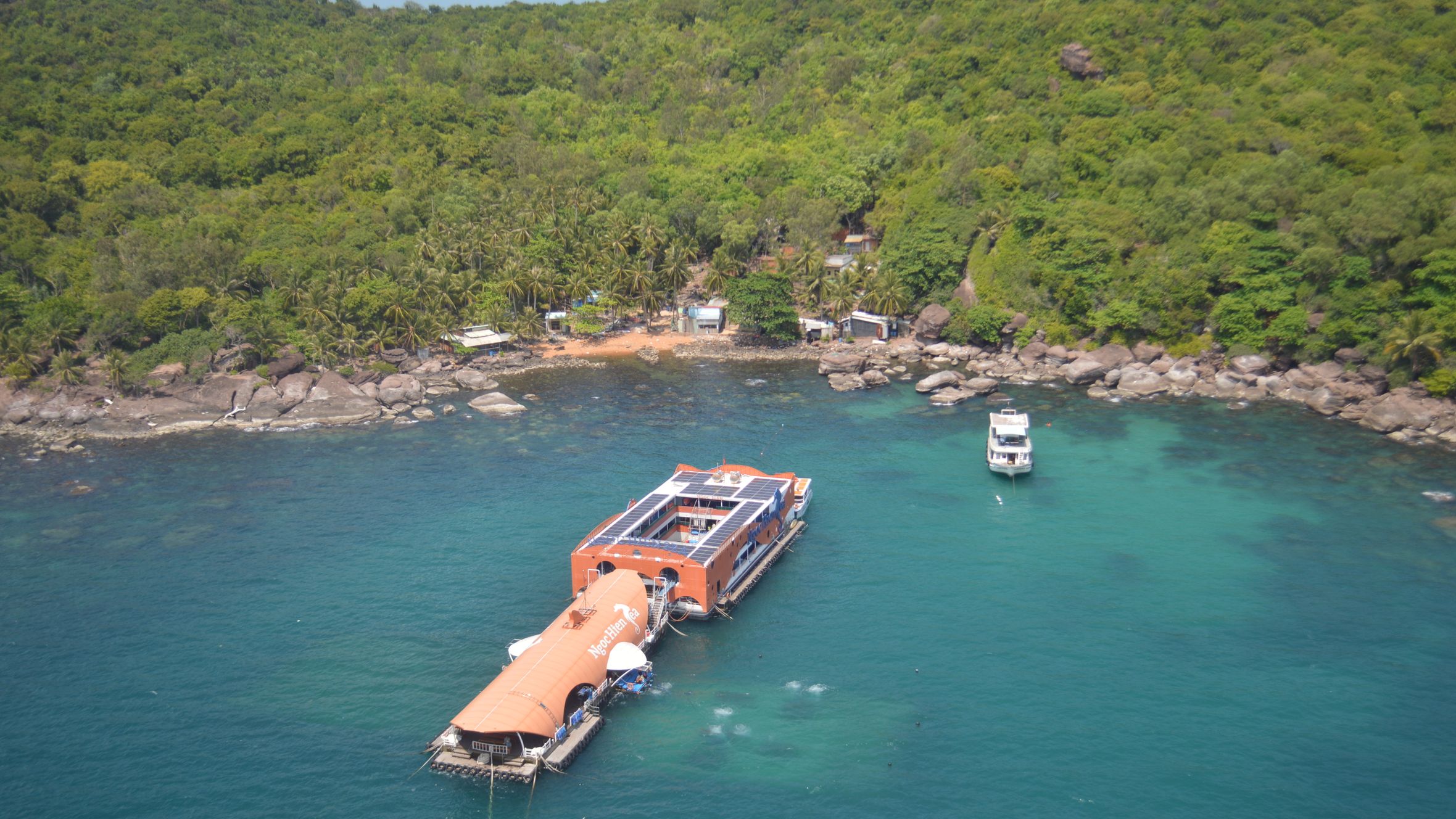
Speedboats leave from the Cua Dai pier most mornings (around 8:00-8:30 AM), returning in the afternoon. A round trip costs roughly 150,000-200,000 VND per person for the boat, plus a 70,000 VND island entrance fee. The snorkeling is decent — not world-class, but you'll see coral and reef fish. Go between June and August for the calmest water and best visibility.
Cycle the Coast Road
The road between Hoi An and Cua Dai passes rice paddies, small workshops, and local homes. It's flat and shaded in stretches. On the way back, detour through An Bang Beach for a comparison — it's more developed with beach bars and Western-style cafes.
Watch the Fishing Boats
Early morning (5:30-6:30 AM) is when the round basket boats — "thung chai" — come in with the night's catch near the river mouth. It's not staged for tourists. Fishermen sort fish, mend nets, and argue about prices. Worth waking up for once.
Sunrise
Cua Dai faces east. Sunrise over the water is direct and unobstructed. Best viewed from the quieter southern end of the beach.
Where to Eat Nearby
Seafood shacks line the road approaching the beach. Prices are reasonable if you confirm before ordering — expect 150,000-300,000 VND for a plate of grilled prawns or steamed clams.
For something specific, ride back toward Hoi An and find a bowl of "cao lau" — the thick noodle dish with pork, herbs, and croutons that's essentially unique to this area. "Mi quang", the turmeric-tinted noodle soup with shrimp and pork, is the other local essential. Both run 30,000-50,000 VND at street-side places. "Banh xeo" — the crispy rice-flour crepes stuffed with shrimp and bean sprouts — is another strong option, especially at the small restaurants along Bach Dang Street near the river.
Where to Stay
- Budget: Guesthouses and homestays along Cua Dai Road start at 250,000-400,000 VND/night. Basic but clean, often with bicycle rental included.
- Mid-range: Boutique hotels closer to the beach run 800,000-1,500,000 VND/night. Many have pools, which matters during the hotter months.
- High-end: A few resorts sit directly on the beachfront — expect 2,500,000-5,000,000 VND/night. Some were damaged by erosion and rebuilt further back from the waterline.
Most travelers stay in Hoi An proper and ride out to the beach. That's a fine strategy.

Photo by Haneul Trac on Pexels
Practical Tips Locals Would Tell You
- Bring cash. Most beach vendors and smaller restaurants don't take cards. ATMs are in Hoi An, not at the beach.
- Sunscreen before you arrive. There's limited shade on the sand itself. The casuarina trees are set back from the waterline.
- Check the tide. At high tide, the beach narrows significantly in the eroded sections. Low tide gives you much more room, especially in the middle stretch.
- Lock your bike. Bicycle theft happens. Use the small parking lots (5,000-10,000 VND) rather than leaving bikes unattended on the roadside.
Common Mistakes
- Expecting pristine beach the whole length. The erosion barriers are visible in places. Head south toward the river mouth for the best sand.
- Going during typhoon season and being disappointed. The beach is genuinely unusable in bad weather. Check forecasts if traveling October-December.
- Ordering seafood without asking prices. Always confirm per-kilogram pricing before the kitchen starts cooking. This isn't a scam warning — it's just how seafood restaurants work in Vietnam.
- Skipping Cu Lao Cham. If you have a full day and calm seas, the island trip is worth the early start.
Practical Notes
Cua Dai is best treated as a half-day complement to Hoi An rather than a standalone destination. The beach has character, the seafood is fresh, and the boat access to Cu Lao Cham adds a real dimension. Just manage expectations around the erosion, pack sunscreen, and bring enough cash for the day.
Last updated · May 29, 2026 · independently researched, never sponsored.