Den Duom sits at the base of Duom Mountain in Phu Luong district, about 40 km north of Thai Nguyen city. It's one of the most important temples in the northern midlands, and outside of festival season, you'll likely have the place mostly to yourself.
What it is and why it matters
Den Duom — sometimes written as Duom Temple — is dedicated to Duong Tu Minh, an 11th-century military commander who helped defend the region against Song Dynasty invasions. The temple was originally built during the Ly Dynasty and has been rebuilt and restored several times since. It holds national heritage status.
The complex spreads across the lower slopes of Duom Mountain, surrounded by old trees and limestone outcrops. Unlike heavily touristed temples closer to Hanoi, Den Duom has a quieter, more rural atmosphere. The architecture is traditional northern Vietnamese — low-slung wooden halls, curved tile roofs, stone guardian statues — without the commercial overlay you find at bigger pilgrimage sites like Bai Dinh.
Why travelers go
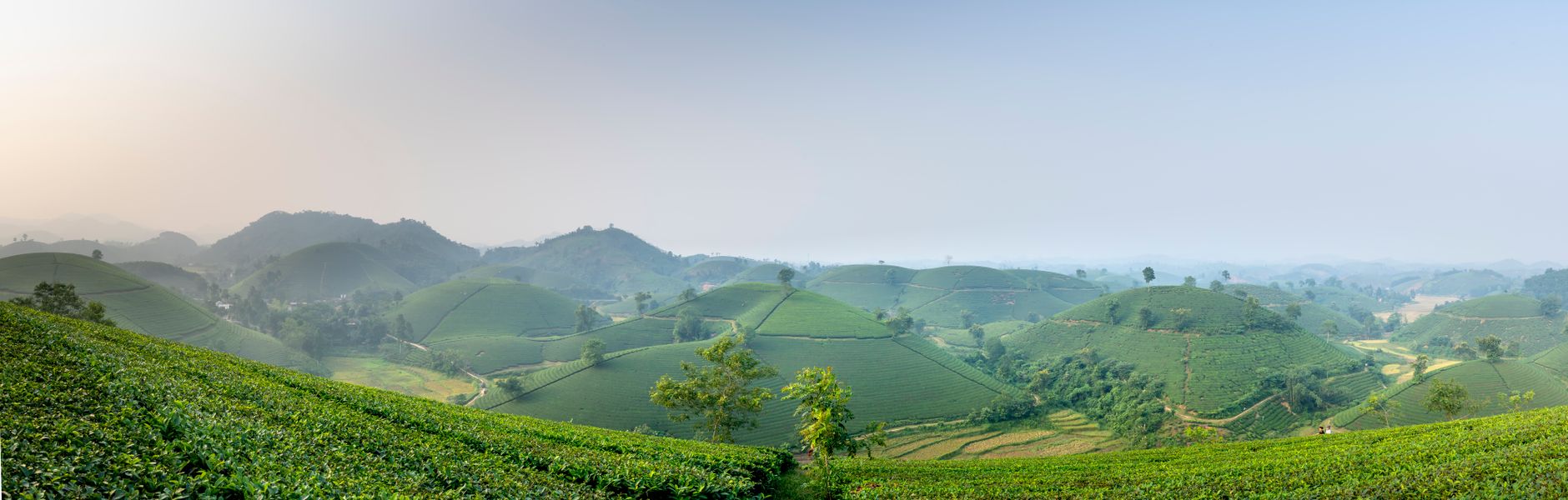
Most visitors are Vietnamese pilgrims, especially during the annual festival in January (lunar calendar). But the temple is worth a stop for anyone traveling through the Thai Nguyen or former Bac Kan area. The setting is genuinely peaceful — Duom Mountain behind, rice fields stretching out in front, and a forested path leading up to the main halls. It's a good window into northern Vietnamese spiritual life without the crowds of Perfume Pagoda or Yen Tu.
If you're interested in Vietnamese history beyond the well-known sites, Den Duom fills in a piece of the story that most travel itineraries skip entirely. Duong Tu Minh is a significant figure in the region, and locals take real pride in the temple.
Best time to visit
The Den Duom festival falls on the 6th day of the 1st lunar month — usually late January or early February. During the festival, you'll see traditional processions, offerings, and folk performances. It gets crowded, but it's the most culturally rich time to visit.
Outside of festival season, September through November is ideal. The weather in the northern midlands cools down, rain tapers off, and the surrounding rice terraces turn gold before harvest. March and April are also fine — warm but not yet humid.
Avoid June through August if you can. The heat is intense, and afternoon downpours can make the stone paths slippery.
How to get there from Hanoi
Thai Nguyen city is the nearest hub. From Hanoi (하노이 / 河内 / ハノイ), you have a few options:
- Bus: Regular buses run from My Dinh or Gia Lam bus stations to Thai Nguyen city. The ride takes about 1.5–2 hours and costs 80,000–120,000 VND. From Thai Nguyen city, take a local bus or hire a xe om (motorbike taxi) to Phu Luong district — another 30–40 minutes, roughly 25 km north on QL3 (National Route 3). Expect to pay around 100,000–150,000 VND for the xe om.
- Motorbike: The ride from Hanoi is around 90 km via QL3. Straightforward road, mostly flat until you hit the midland hills near Phu Luong. Budget 2.5–3 hours with stops.
- Private car / taxi: A grab car from Hanoi runs about 500,000–700,000 VND one way. More practical if you're combining Den Duom with other stops in Thai Nguyen province.
There's no direct tourist shuttle. This isn't on the standard backpacker circuit, which is part of the appeal.
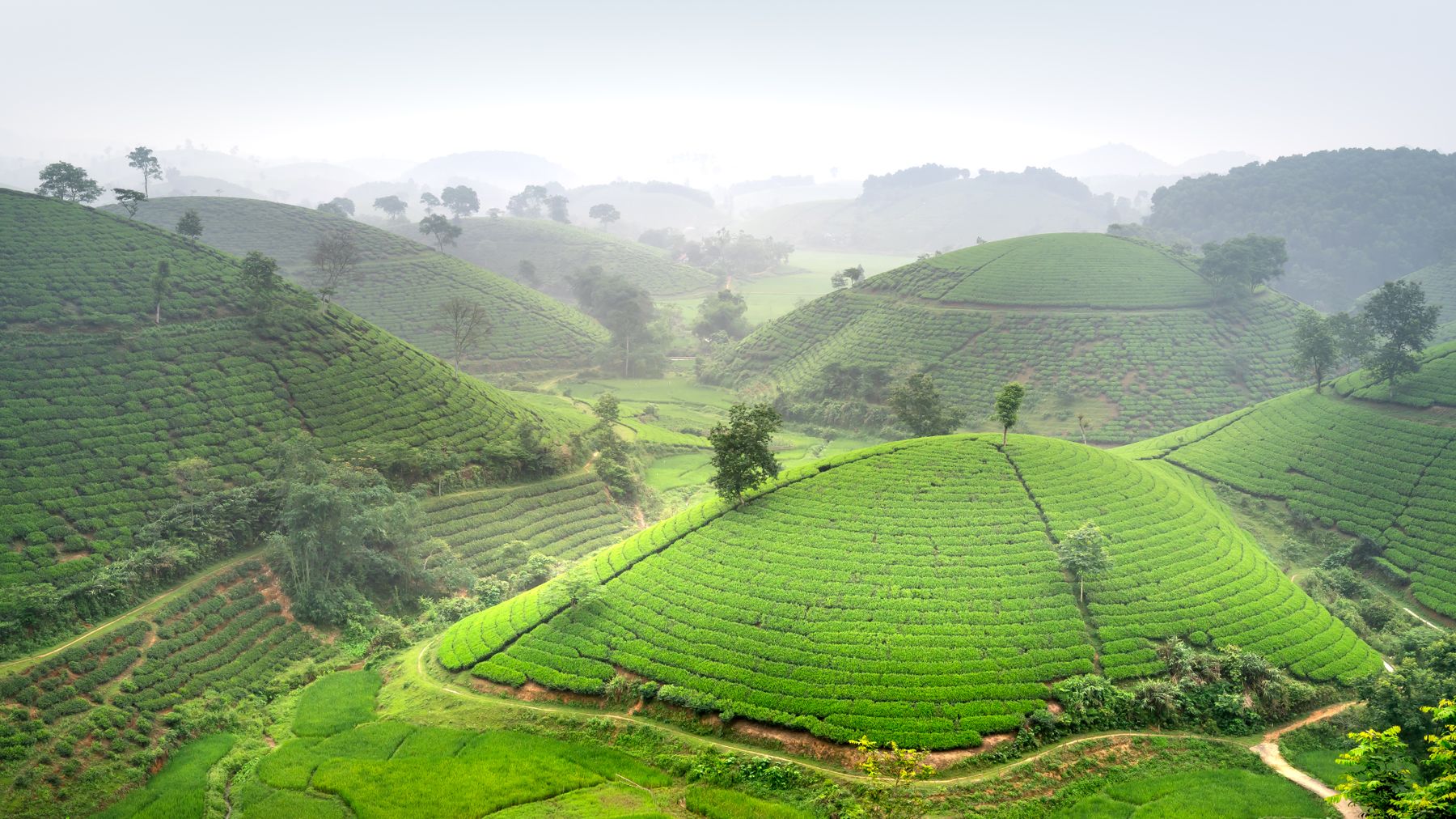
Photo by Quang Nguyen Vinh on Pexels
What to do
Walk the temple complex
The main hall ("dinh") houses the altar to Duong Tu Minh. Take your time here — the woodwork is detailed, and the interior is dim and cool. Behind the main hall, a path climbs partway up Duom Mountain through forest. It's a short walk, maybe 20 minutes to a viewpoint, but the canopy cover and quiet make it worthwhile.
Climb Duom Mountain
The full trail to the top of Duom Mountain takes about 45 minutes to an hour. It's not a serious hike — more of a steep walk — but it gives you a wide view over the valley and Phu Luong town below. Wear shoes with grip; the trail gets muddy after rain.
Visit during a ceremony
If you time it right (full moon or first-of-the-month days on the lunar calendar), you may catch a small local ceremony with incense, chanting, and offerings. These aren't staged for tourists — they're genuine community rituals.
Explore the surrounding countryside
The area around Phu Luong is tea country. Thai Nguyen province produces some of Vietnam (베트남 / 越南 / ベトナム)'s best green tea. Ask a local about visiting a tea garden or small processing workshop nearby. A bag of fresh Tan Cuong-style green tea makes a better souvenir than anything you'll find in a Hanoi gift shop.
Stop at the weekly market
If your visit falls on a market day in Phu Luong town, walk through. You'll find local produce, dried goods, and sometimes Tay and Nung ethnic minority textiles.
Where to eat nearby
Phu Luong town has basic com binh dan (everyday rice) shops. Nothing fancy, but filling and cheap — 30,000–50,000 VND per plate.
Two things worth seeking out:
- "Com lam" — sticky rice cooked inside bamboo tubes, a specialty of the northern midlands. Street vendors near the temple sometimes sell it, especially during festival season.
- "Thit trau gac bep" — smoked buffalo meat, hung above a wood fire for days. It's chewy, deeply savory, and goes well with rice. You'll find it at small eateries on the road between Thai Nguyen city and Phu Luong.
If you head back to Thai Nguyen city for dinner, there are better restaurant options along the riverfront, including solid "pho" and "bun cha" spots.
Where to stay
There's no accommodation at the temple itself. Your options:
- Phu Luong town: A few basic nha nghi (guesthouses), 150,000–300,000 VND per night. Clean enough, don't expect frills.
- Thai Nguyen city: A wider range — budget hotels from 250,000 VND, mid-range places around 500,000–800,000 VND. The city has a few decent options near the central market area.
Most travelers day-trip from Thai Nguyen city or combine Den Duom with a longer route heading further north toward the former Bac Kan area or toward Ha Giang.

Photo by Hồng Quang Official on Pexels
Practical tips locals would tell you
- Dress modestly at the temple. Shoulders and knees covered. This isn't strictly enforced, but it's respectful and locals notice.
- Bring incense if you want to make an offering. You can buy it from small vendors near the entrance for 10,000–20,000 VND.
- Carry cash. There are no ATMs at the temple, and the nearest reliable one is in Phu Luong town or Thai Nguyen city.
- Start early. The temple is best in the morning — cooler, quieter, better light for the mountain walk.
Common mistakes to avoid
- Showing up without water or sun protection. The walk up the mountain has limited shade in some sections, and there's no shop at the top.
- Trying to visit during Tet week without a plan. The festival draws huge crowds and transport gets packed. If you want the festival experience, book your Thai Nguyen hotel well ahead.
- Rushing through. Den Duom isn't a checklist sight. The value is in slowing down — sitting in the courtyard, watching the incense smoke, listening to the quiet. Give it at least a couple of hours.
Practical notes
Den Duom is free to enter, though small donations at the temple are appreciated. The whole area is easily combined with a day exploring Thai Nguyen's tea villages. If you're heading further north, it makes a logical first stop before the roads get more remote.
Last updated · Apr 28, 2026 · independently researched, never sponsored.