What is Hang Phuong Hoang?
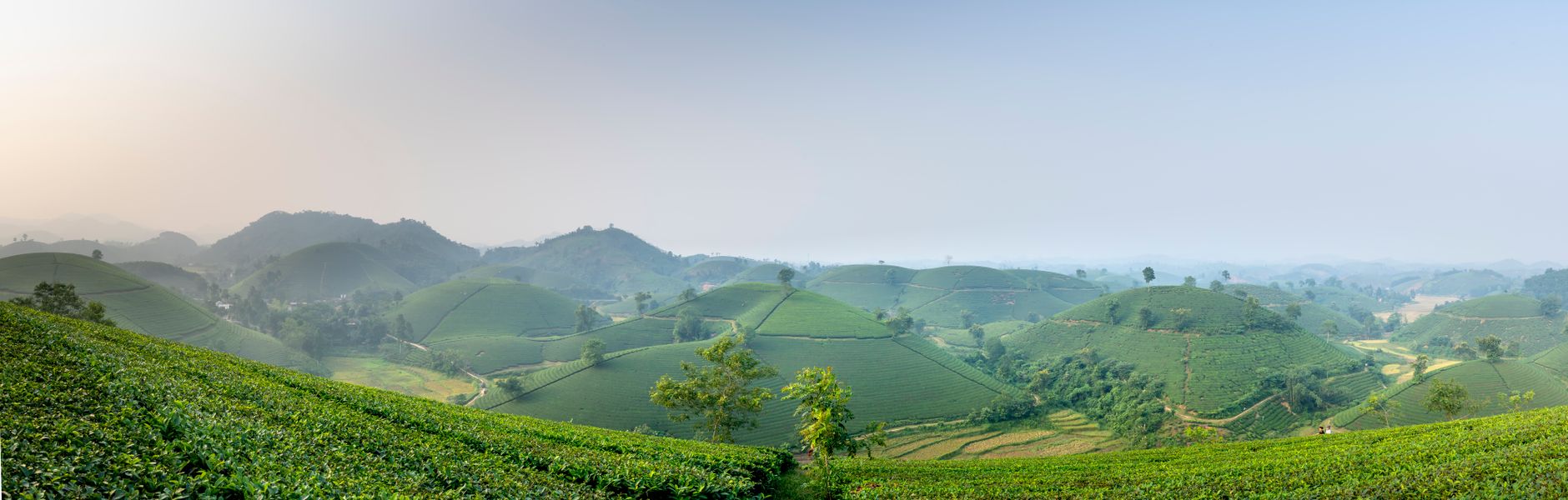
Hang Phuong Hoang — Phoenix Cave — sits in the limestone karst country of what was formerly Bac Kan province, now part of the expanded Thai Nguyen province following the administrative merger. The cave system cuts through a mountain ridge in Vo Nhai district, roughly 40 km northeast of Thai Nguyen city, in a landscape of jagged peaks, dense forest, and rivers that run green after rain.
The cave gets its name from a rock formation near the entrance that locals say resembles a phoenix in flight. Whether you see the bird or not, the geology is genuinely impressive — the main chamber stretches several hundred meters, with stalactites that have been forming for millions of years. The area around the cave has been home to Tay and Nung ethnic communities for generations, and you'll notice their stilt houses dotting the valleys on the drive in.
This isn't a heavily commercialized attraction. There's no elevator, no LED light show, no gift shop selling keychains. That's precisely why it's worth the trip.
Why travelers go
Most visitors to northern Vietnam head straight for Ha Long Bay, Ninh Binh (닌빈 / 宁平 / ニンビン), or Sapa. Vo Nhai district doesn't appear on many itineraries, which means you'll likely have the cave largely to yourself on a weekday. The draw is simple: raw karst scenery without the tour-bus crowds, a chance to interact with minority communities in a non-performative setting, and a cave system that rewards the minor effort it takes to reach.
If you've already done the well-trodden northern loop and want somewhere that feels genuinely off the radar, this is a solid pick.
Best time to visit
The sweet spot is October through April — dry season in the northeast. The cave itself is accessible year-round, but the roads through Vo Nhai get slippery during heavy rains from May to September, and the trails around the cave entrance can turn muddy. November and December are particularly good: cool weather (15-20°C), clear skies, and the rice terraces in the surrounding valleys turn gold before harvest.
Avoid major holiday weekends around Tet if you want solitude — domestic tourists from Hanoi sometimes make the day trip.
How to get there from Hanoi
Hanoi (하노이 / 河内 / ハノイ) to Thai Nguyen city is straightforward: buses leave from My Dinh or Gia Lam station every 20-30 minutes, take about 1.5-2 hours, and cost 80,000-100,000 VND. From Thai Nguyen city, you need to get to Vo Nhai district — another 40 km northeast.
Your options from Thai Nguyen city:
- Motorbike rental (150,000-200,000 VND/day from shops near the bus station) — the most flexible option. The road to Vo Nhai follows the Song Cong river valley and is scenic enough to justify the ride. Allow 1-1.5 hours.
- Local bus to Vo Nhai town center, then a "xe om" (motorbike taxi) the remaining distance. Less predictable schedule, but doable for around 50,000 VND total.
- Private car/taxi from Thai Nguyen city — expect 400,000-500,000 VND one way. Grab is available in Thai Nguyen city but drivers may hesitate on the Vo Nhai route.
From Hanoi, the total journey is roughly 130 km and takes 3-4 hours door to door by motorbike or car.
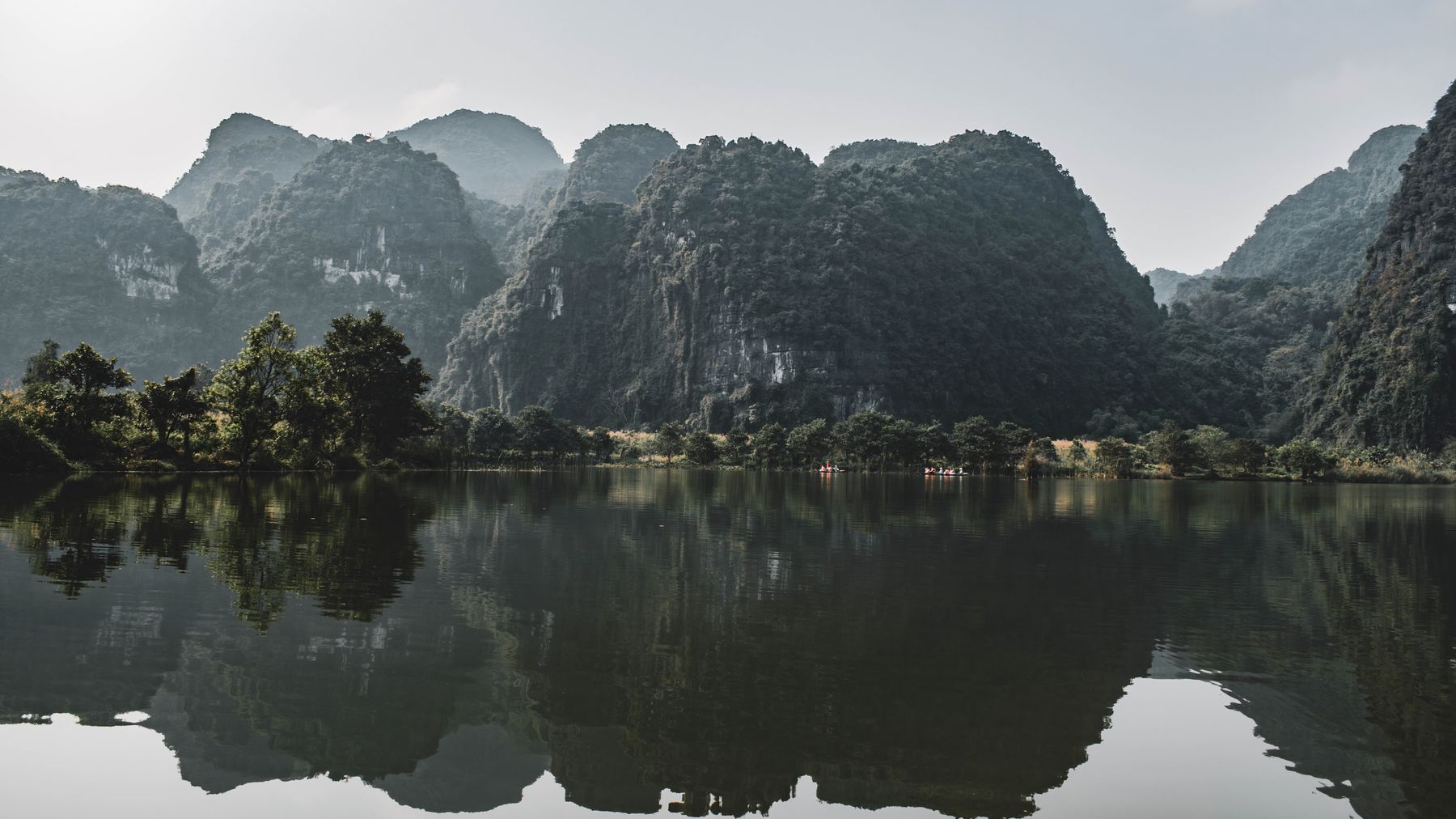
Photo by Karolina on Pexels
What to do
Explore the main cave chamber
Bring a headlamp or a strong phone flashlight — lighting inside is minimal. The main passage runs roughly 300 meters with high ceilings and formations that change character as you move deeper. A local guide (usually available at the entrance for 100,000-150,000 VND) is worth hiring — they know which side passages are safe and can point out formations you'd walk right past.
Hike the ridge above the cave
A trail from the cave entrance climbs to the top of the limestone ridge. It's a 30-40 minute scramble, not technical but steep in places. The view from the top looks out over the Vo Nhai valley — layered ridgelines fading into haze, stilt houses below, and if the season is right, patchwork rice fields.
Visit Tay villages in the valley
The villages near the cave are working communities, not tourist setups. If you're respectful and ideally have a Vietnamese-speaking companion, locals are often happy to show you around. You might see rice wine being distilled or indigo cloth being dyed. Don't show up expecting a performance — this is real life, and that's what makes it interesting.
Swim in the river
During dry season, the river near the cave base has calm, clear pools where locals swim. It's cold but refreshing after the cave hike. Ask your guide or a local to point you to the safest spot — currents shift after rain.
Combine with Phuong Hoang waterfall
A short ride from the cave, Phuong Hoang waterfall is worth the detour, especially after recent rain when the water volume picks up. It's a modest falls, not towering, but the surrounding forest is thick and the pool at the base is swimmable.
Where to eat nearby
Vo Nhai doesn't have a restaurant scene. What it has are small "com binh dan" (everyday rice) shops along the main road and, if you're lucky, home-cooked food from a homestay host.
Two things to seek out:
- "Thit trau gac bep" — buffalo meat smoked over a wood fire, a staple of Tay cuisine in this area. Chewy, deeply savory, usually served with sticky rice and dipping salt.
- "Pho chua" — sour pho, a Thai Nguyen specialty. Cold rice noodles with roast pork, peanuts, herbs, and a tangy broth. Different from the pho you know from Hanoi — more salad than soup.
If you're back in Thai Nguyen city for dinner, the night market area near Dong Quang lake has decent street food options.
Where to stay
In Vo Nhai district, options are limited but functional:
- Homestays with Tay families — 150,000-300,000 VND/night, often including dinner and breakfast. Basic but genuine. Expect a mattress on the floor of a stilt house, mosquito net, shared bathroom.
- Nha nghi (guesthouses) in Vo Nhai town — 200,000-400,000 VND/night. Simple rooms, hot water, Wi-Fi that mostly works.
If you want more comfort, stay in Thai Nguyen city where hotels range from 300,000-800,000 VND/night, and make the cave a day trip.

Photo by Quang Nguyen Vinh on Pexels
Practical tips locals would tell you
- Bring water and snacks. There's no shop at the cave entrance, and the nearest convenience store is back in Vo Nhai town.
- Wear proper shoes. The cave floor is uneven and wet. Sandals are a bad idea.
- Cash only. No ATMs near the cave, and the nearest reliable ones are in Thai Nguyen city. Bring enough dong for the day.
- Learn three phrases: "Xin chao" (hello), "Cam on" (thank you), "Bao nhieu" (how much). People here see few foreigners, and even clumsy Vietnamese goes a long way.
- Thai Nguyen province is famous for tea — pick up some "tra Thai Nguyen" (Thai Nguyen green tea) on your way back. It's among the best in Vietnam and costs a fraction of what it sells for in Hanoi.
Common mistakes to avoid
- Trying to do it as a rushed day trip from Hanoi. The 3-4 hour drive each way leaves you exhausted and hurried. Stay overnight in Vo Nhai or Thai Nguyen city.
- Skipping the guide. The cave has unmarked side passages and slippery sections. 100,000 VND for a guide is cheap insurance.
- Showing up in rainy season without checking road conditions. The last stretch to the cave can flood. Ask your homestay host before heading out.
- Expecting Phong Nha-level infrastructure. This is a local attraction with local facilities. That's the appeal, but set your expectations accordingly.
Practical notes
Hang Phuong Hoang works best as part of a 2-day loop from Hanoi through Thai Nguyen province. Pair it with a tea plantation visit on the way up and you've got a weekend trip that feels genuinely different from the usual northern Vietnam circuit. No crowds, no entrance fee inflation, just limestone and quiet.
Last updated · May 26, 2026 · independently researched, never sponsored.