Chua Buu Lam is one of those places that doesn't appear on most tourist radars, which is exactly why it's worth the detour. Sitting in the flat, canal-laced landscape of Dong Thap province in the Mekong Delta (메콩 델타 / 湄公河三角洲 / メコンデルタ), this centuries-old Buddhist pagoda offers a genuine slice of southern Vietnamese religious life without the crowds you'd find at more famous sites.
What it is and how it got here
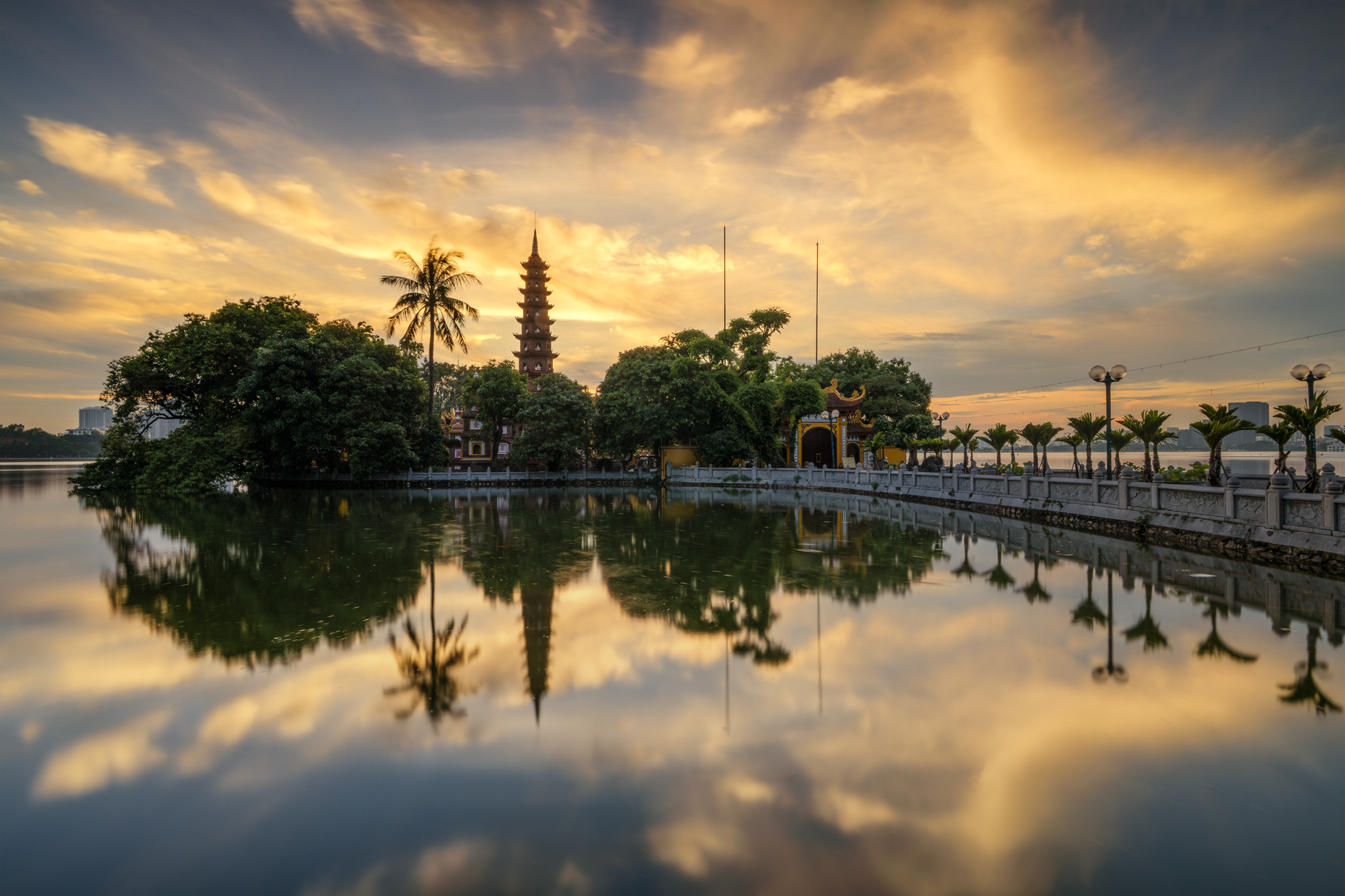
Chua Buu Lam (Buu Lam Pagoda) is a Mahayana Buddhist temple dating back to the early 18th century, making it one of the oldest surviving pagodas in the western Mekong Delta. The temple has been rebuilt and expanded several times over the centuries, but it retains a distinctly southern architectural character — low-slung rooflines, ornate ceramic mosaic work along the ridgepoles, and a layout that blends Chinese and Khmer design influences common to this part of Vietnam (베트남 / 越南 / ベトナム).
The pagoda houses a collection of old wooden statues and ritual objects, some of which are recognized as provincial-level heritage items. Unlike the grand northern pagodas such as Bai Dinh, Chua Buu Lam is modest in scale. That modesty is part of the appeal. This is a working temple where monks still live and local families come to pray, not a ticketed attraction.
Why travelers go
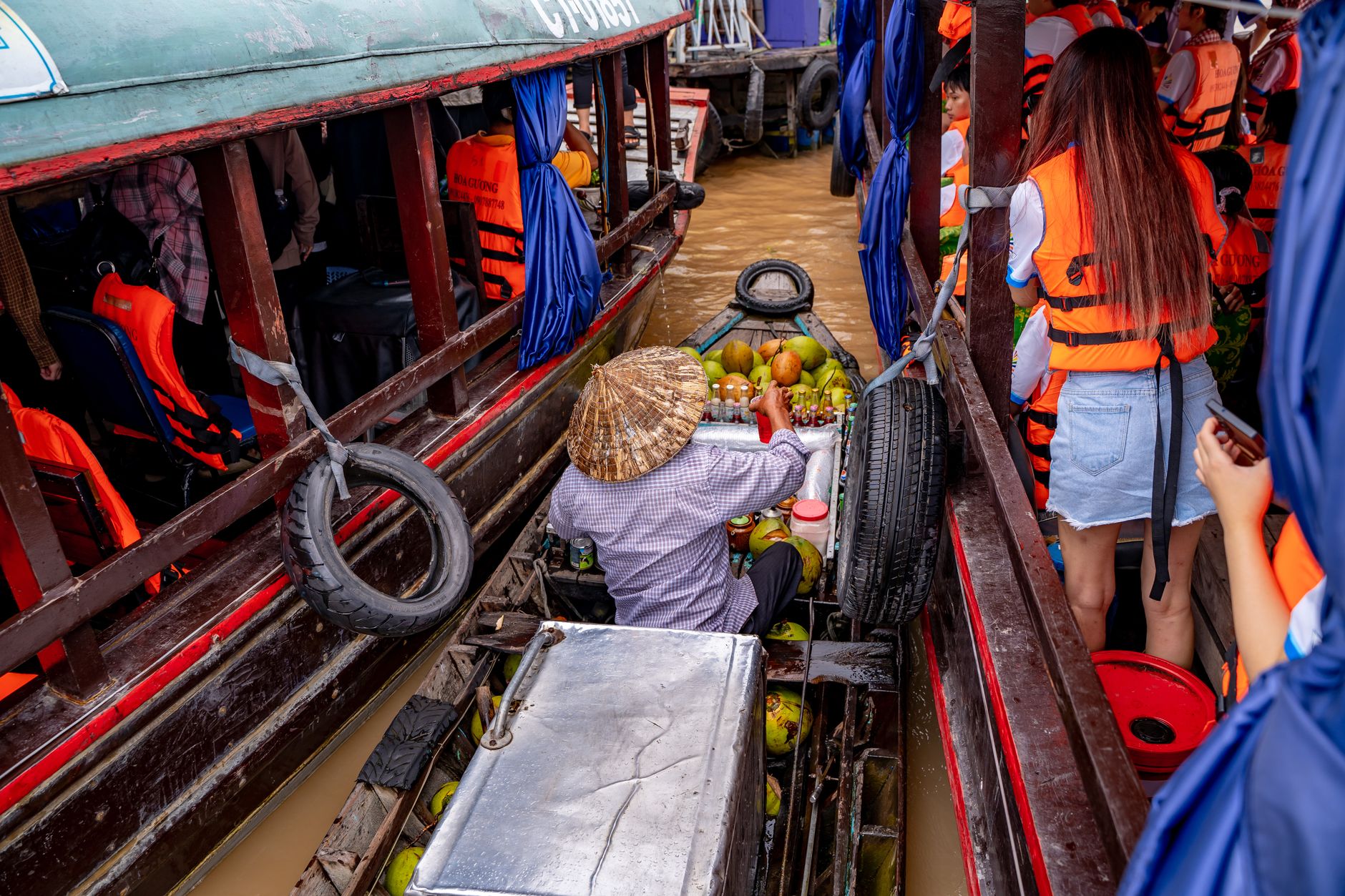
Most visitors to Dong Thap are here for the lotus fields, the Tram Chim bird sanctuary, or a Mekong Delta homestay loop. Chua Buu Lam fits naturally into a day spent exploring the area's cultural side. The pagoda is a quiet counterpoint to the bustle of floating markets further south in Can Tho. If you have any interest in Vietnamese Buddhist architecture, folk art, or simply want an hour of calm in a shaded courtyard, it delivers.
The ceramic and stucco ornamentation on the roof is genuinely impressive — dragons, phoenixes, and floral motifs assembled from broken porcelain in a style you see across southern delta temples but rarely this well preserved.
Best time to visit
Dong Thap's weather splits into wet (May–November) and dry (December–April). The dry season is more comfortable for getting around, with less mud on the access roads and cooler mornings. January through March is ideal — the air is drier, temperatures hover around 28–32°C, and the lotus season hasn't kicked in yet, so the province is quieter.
That said, if you're combining Chua Buu Lam with the famous Dong Thap lotus fields, aim for June or July when the flowers peak. Just bring rain gear and expect afternoon downpours.
The pagoda is busiest during Tet and on the 1st and 15th of each lunar month, when locals come to burn incense. Visiting on those days gives you atmosphere; visiting on an ordinary weekday gives you solitude.
How to get there
The nearest major hub is Can Tho, about 90 km southeast. From Can Tho's main bus station (Ben Xe Khach Can Tho), buses to Cao Lanh — Dong Thap's capital — run frequently throughout the day. The ride takes roughly 2–2.5 hours and costs around 80,000–100,000 VND.
From Cao Lanh, Chua Buu Lam is reachable by local bus or motorbike taxi ("xe om"). A xe om from Cao Lanh center should run 40,000–60,000 VND depending on distance and your bargaining. Grab bikes work in Cao Lanh too, though coverage can be spotty outside the town center.
If you're coming from Saigon, the most direct option is a bus to Cao Lanh (around 4–5 hours, 150,000–180,000 VND from Ben Xe Mien Tay). Renting a motorbike in Cao Lanh is the most flexible way to combine the pagoda with other Dong Thap sights — expect 120,000–150,000 VND per day for a Honda Wave or similar.
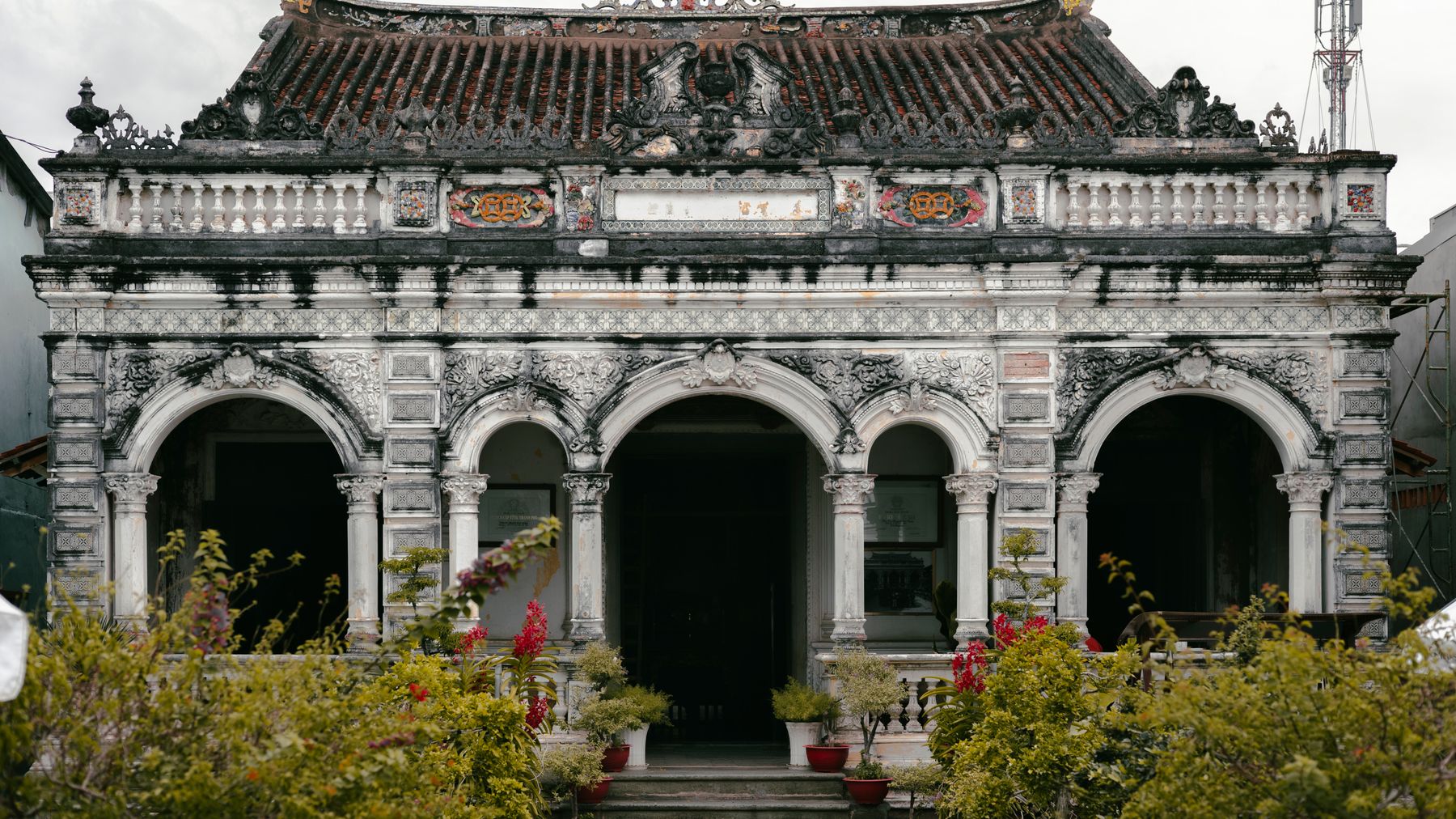
Photo by DUYTRG TRUONG on Pexels
What to do
Walk the main hall and side altars
The central worship hall houses the principal Buddha statues and the oldest wooden carvings. Take your time here — the lacquerwork on the altars shows real craftsmanship, with gilded panels depicting scenes from Buddhist sutras. The side altars honor local guardian spirits, a distinctly southern Vietnamese Buddhist tradition.
Study the roof ornamentation
Step back into the courtyard and look up. The ceramic mosaic ridgeline is the pagoda's signature feature. These aren't mass-produced decorations — they're hand-assembled from cut porcelain and colored glass in a folk art tradition that's slowly disappearing across the delta.
Sit in the courtyard garden
The temple grounds include a small garden with old trees and a lotus pond. Monks are generally welcoming to visitors who are respectful. This is a good place to just sit for twenty minutes and watch the light change. No agenda required.
Visit during a prayer session
If your timing aligns, catching an evening chanting session (usually around 17:00–18:00) adds a dimension you won't get from architecture alone. The sound of chanting in a nearly empty temple at dusk is something that stays with you.
Combine with Cao Lanh's other sights
Chua Buu Lam pairs well with a half-day loop that includes the Xeo Quyt forest and the Dong Thap Museum in Cao Lanh. The museum is free and gives useful context on Mekong Delta ecology and culture.
Where to eat nearby
Dong Thap's signature dish is "hu tieu" — the southern Vietnamese rice noodle soup with pork, shrimp, and a clear broth that's lighter and sweeter than what you'd find further north. Look for roadside stalls in Cao Lanh serving hu tieu My Tho style, typically 30,000–45,000 VND a bowl.
Also worth trying: "banh xeo" in the delta style, which tends to be larger and crispier than the central Vietnamese version, stuffed with bean sprouts, shrimp, and pork. Street vendors near Cao Lanh's central market sell them for 15,000–25,000 VND each.
Where to stay
Cao Lanh is the practical base. Budget guesthouses ("nha nghi") start around 200,000–300,000 VND per night for a clean room with air conditioning and hot water. Mid-range hotels along the main road run 400,000–700,000 VND. There are no international chain hotels here — this is small-town Vietnam, and accommodation is simple but functional.
For a more atmospheric stay, some homestays along the canals outside Cao Lanh offer rooms for 250,000–400,000 VND including breakfast. These are a better fit if you want to experience delta life up close.

Photo by maxed. RAW on Pexels
Practical tips locals would tell you
- Dress modestly. Cover your shoulders and knees. This is an active place of worship, not a museum. Shoes off before entering any building.
- Bring cash. There are no ATMs at the pagoda and card payments don't exist here. Carry small bills for offerings, xe om rides, and food.
- Go early. The light is best and the heat most bearable between 07:00 and 09:00. By midday, the concrete courtyard radiates serious heat.
- Ask before photographing monks. Most don't mind, but it's basic courtesy.
Mistakes to avoid
- Skipping it because it's not famous. Dong Thap's pagodas don't compete with the scale of temples in Hue or Hanoi, but they have a character that the big-ticket sites have polished away. Don't measure everything against the Imperial Citadel Thang Long.
- Showing up at noon. The temple essentially shuts down during the hottest hours. Monks rest, gates may be partially closed.
- Not combining it with other stops. On its own, Chua Buu Lam is a 30–60 minute visit. Build it into a Cao Lanh day loop and the trip makes much more sense.
Practical notes
Chua Buu Lam has no entrance fee. Allow a half-day from Cao Lanh to visit comfortably, including transport and a meal. If you're on a wider Mekong Delta loop through Can Tho or the floating markets, Dong Thap is an easy and worthwhile addition — a province where tourism infrastructure is thin but the character is real.
Last updated · May 29, 2026 · independently researched, never sponsored.