What Dao Ba Goa actually is
Dao Ba Goa — literally "Widow's Island" — is a small limestone island sitting in the middle of Ho Nui Coc (Nui Coc Lake), a man-made reservoir about 25 km west of Thai Nguyen city. The lake was created in the late 1970s when the Cong River was dammed for irrigation, and the flooding left several hilltops poking above the waterline. Dao Ba Goa is the most visited of these.
The name comes from a local legend about a woman who waited on the island for her husband to return from war. Whether the story is Kinh folklore or later embellishment depends on who you ask, but it stuck. The island is forested, roughly 3 hectares, and connected to a network of smaller islets you can loop by boat in a couple of hours.
This area used to fall under Bac Kan province before the recent administrative merger folded it into Thai Nguyen. For travelers, nothing changed on the ground — same roads, same boats, same lake.
Why travelers go
Dao Ba Goa draws mostly domestic weekenders from Hanoi, about 80 km to the south. Foreign visitors are rare, which is part of the appeal. There's no entrance gate with a ticket scanner, no souvenir gauntlet. You hire a boat, ride out to the island, walk around, and eat grilled fish on the shore.
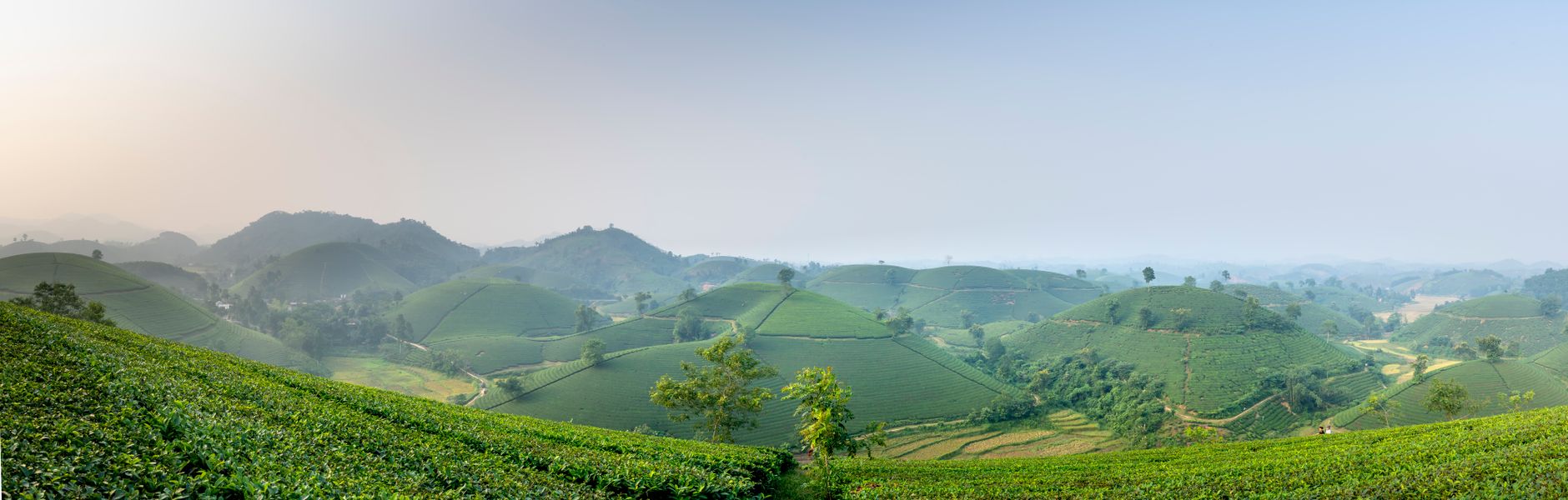
The lake itself is the real draw. Ho Nui Coc covers roughly 25 square kilometers and sits at the edge of tea-growing hills — Thai Nguyen province produces some of Vietnam's most respected green tea. The combination of calm water, karst-topped islands, and tea plantations rolling into the distance gives the area a texture that's different from the more dramatic landscapes up in Ha Long Bay or Ninh Binh (닌빈 / 宁平 / ニンビン), but quieter and entirely yours on a weekday.
Best time to visit
September through November is ideal. The monsoon rains taper off, the reservoir is full (meaning better boating and greener islands), and temperatures sit around 25-28°C. Mornings can be misty on the water, which makes for good photographs.
March through May works too — warm, mostly dry — but the water level can drop noticeably by April, exposing muddy banks around some islets.
Avoid June through August if you dislike rain. Afternoon downpours are near-daily and can strand you on the island longer than planned. Vietnamese holidays — especially Tet and the September 2 long weekend — pack the lake with domestic tourists. Weekdays are always better.
How to get there from Hanoi
From Hanoi (하노이 / 河内 / ハノイ), you have two practical options:
Bus: Catch a bus from My Dinh or Gia Lam bus station to Thai Nguyen city. Departures run every 20-30 minutes, the ride takes about 1.5-2 hours, and tickets cost 70,000-90,000 VND. From Thai Nguyen city, grab a local bus or taxi to Ho Nui Coc (about 25 km, 30-40 minutes). A Grab car from Thai Nguyen city center to the lake pier runs around 150,000-200,000 VND.
Motorbike: The ride from Hanoi is roughly 80 km via QL3 (National Road 3). Straightforward, mostly flat, 2-2.5 hours depending on Hanoi traffic. This is the better option if you want to loop through tea villages on the way back.
Once at the lake, you'll hire a boat from the main pier area. Small motorboats seating 4-6 people cost 300,000-500,000 VND for a 2-3 hour loop that includes Dao Ba Goa and a couple of neighboring islands. Prices are posted but negotiable on quiet days.
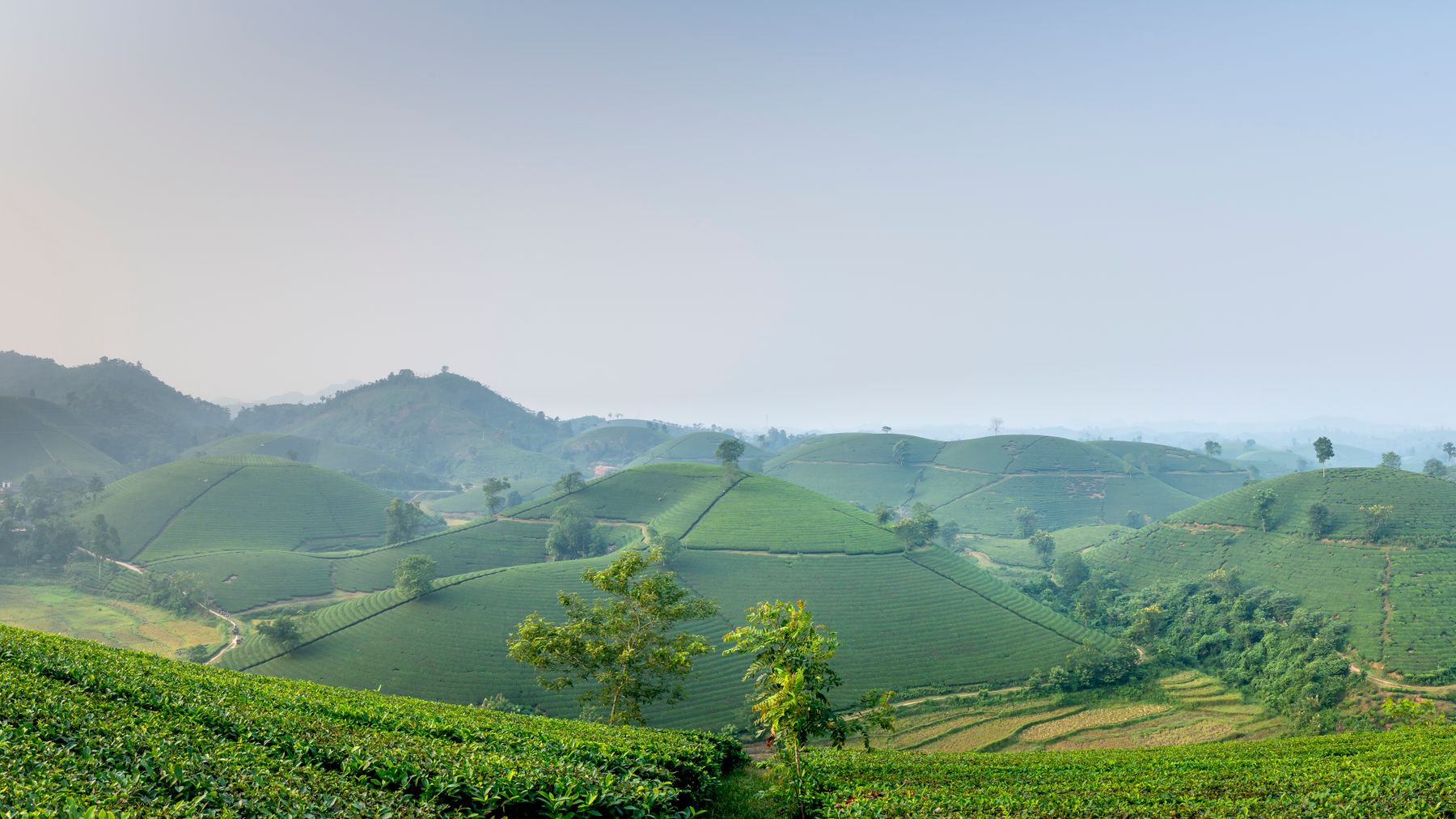
Photo by Quang Nguyen Vinh on Pexels
What to do
Walk the island loop
Dao Ba Goa has a dirt trail that circles the island in about 30-40 minutes. It's shaded, slightly overgrown in spots, and passes a small shrine near the summit with views across the reservoir. Wear shoes with grip — the path gets slippery after rain.
Boat around the islet cluster
Ask your boatman to swing past the smaller unnamed islets east of Dao Ba Goa. Some have tiny beaches where you can stop, swim if the water's clean enough (it usually is from October onward), or just sit. The whole cluster takes about an hour to loop.
Visit a tea farm
Thai Nguyen is the tea capital of northern Vietnam. On your way to or from the lake, stop at one of the small family-run tea farms along the road in Tan Cuong commune. Most will let you walk through the rows, watch processing if it's harvest season (April-May and September-October), and sit down for a tasting. No charge — they'll hope you buy a bag. A kilo of decent Tan Cuong green tea runs 200,000-400,000 VND, far cheaper than Hanoi shops.
Fish or watch fishing
Locals fish the reservoir constantly. If you're staying overnight, your guesthouse can arrange rods and bait for around 50,000 VND. The catch is mostly tilapia and carp — and yes, they'll cook whatever you pull out.
Catch sunset from the pier
The main pier area faces west across the lake. Grab a plastic chair at one of the lakeside drink stalls, order a tra da (iced tea) for 5,000 VND or a local bia for 15,000 VND, and watch the light go orange over the water. Simple, but it's the kind of moment that sticks.
Where to eat nearby
Lakeside restaurants line the road near the main pier. Most serve the same menu: grilled reservoir fish (ca nuong, usually tilapia or carp) and "ga doi" — free-range hill chicken, either steamed with lime leaf or grilled over charcoal. A whole chicken runs 250,000-350,000 VND, enough for 3-4 people. The fish depends on size but expect 150,000-250,000 VND per plate.
For something different, look for "banh coong" — a Thai Nguyen specialty that's essentially a small, crispy rice cup filled with minced pork and mushroom, fried in a special mold. Street vendors sell them in Thai Nguyen city for 3,000-5,000 VND each.
If you're heading back through Hanoi, the capital's "pho" and "bun cha" need no introduction — but eating lakeside grilled fish first makes them taste even better the next day.
Where to stay
Accommodation around Ho Nui Coc is basic. Options fall into two tiers:
Budget guesthouses (nha nghi): 200,000-400,000 VND/night. Simple rooms, fan or AC, hot water if you're lucky. Clean enough. These cluster near the main pier.
Resort-style lodges: A handful of newer properties around the lake charge 600,000-1,200,000 VND/night for rooms with lake views, proper bathrooms, and breakfast. Don't expect international hotel standards — think clean Vietnamese mid-range.
Most travelers day-trip from Thai Nguyen city, where hotel options are better and cheaper. A decent city hotel runs 300,000-500,000 VND/night.

Photo by Md Sihabul Islam on Pexels
Practical tips locals would tell you
- Bring cash. No ATMs at the lake. The nearest are in Thai Nguyen city.
- Sunscreen and a hat. There's zero shade on the boat.
- Negotiate boat price before boarding. Agree on the route, number of stops, and total price. Get it on your phone screen if your Vietnamese isn't strong.
- Lotus tea season is June-July. If you visit then, you might find fresh lotus tea ("tra sen") at lakeside stalls — worth trying even if it costs more than regular green tea.
- Bring a rain jacket April through September regardless of the forecast.
Common mistakes to avoid
- Coming on a weekend in summer. The lake gets loud with karaoke boats and large tour groups. Weekdays are a different experience entirely.
- Skipping the tea farms. Most visitors beeline to the lake and ignore the tea countryside, which is arguably the better half of the trip.
- Expecting English. Almost nobody at the lake speaks English. Download Vietnamese on Google Translate offline before you go.
- Rushing it as a half-day trip. The drive plus boat time plus tea farm visit fills a full day comfortably. Trying to squeeze it into an afternoon from Hanoi means you'll see the lake for 45 minutes and spend 4 hours in traffic.
Practical notes
Dao Ba Goa works best as a full-day trip from Hanoi or an overnight in Thai Nguyen city combined with tea country exploring. It's not a destination you'd fly across Vietnam for — but if you're already in the north, spending time around Hanoi or heading toward the mountains, the detour is worth the quiet.
Last updated · May 29, 2026 · independently researched, never sponsored.