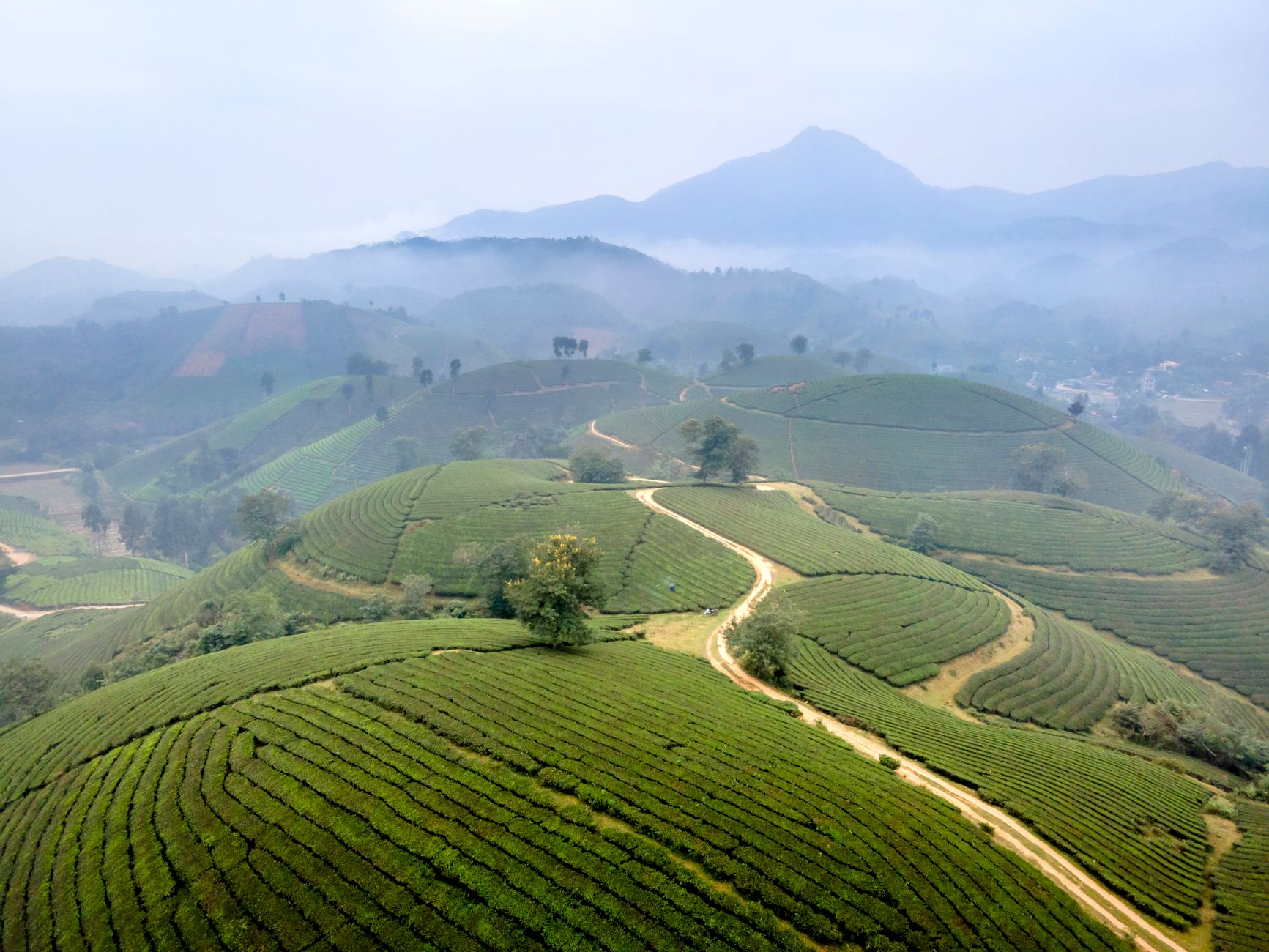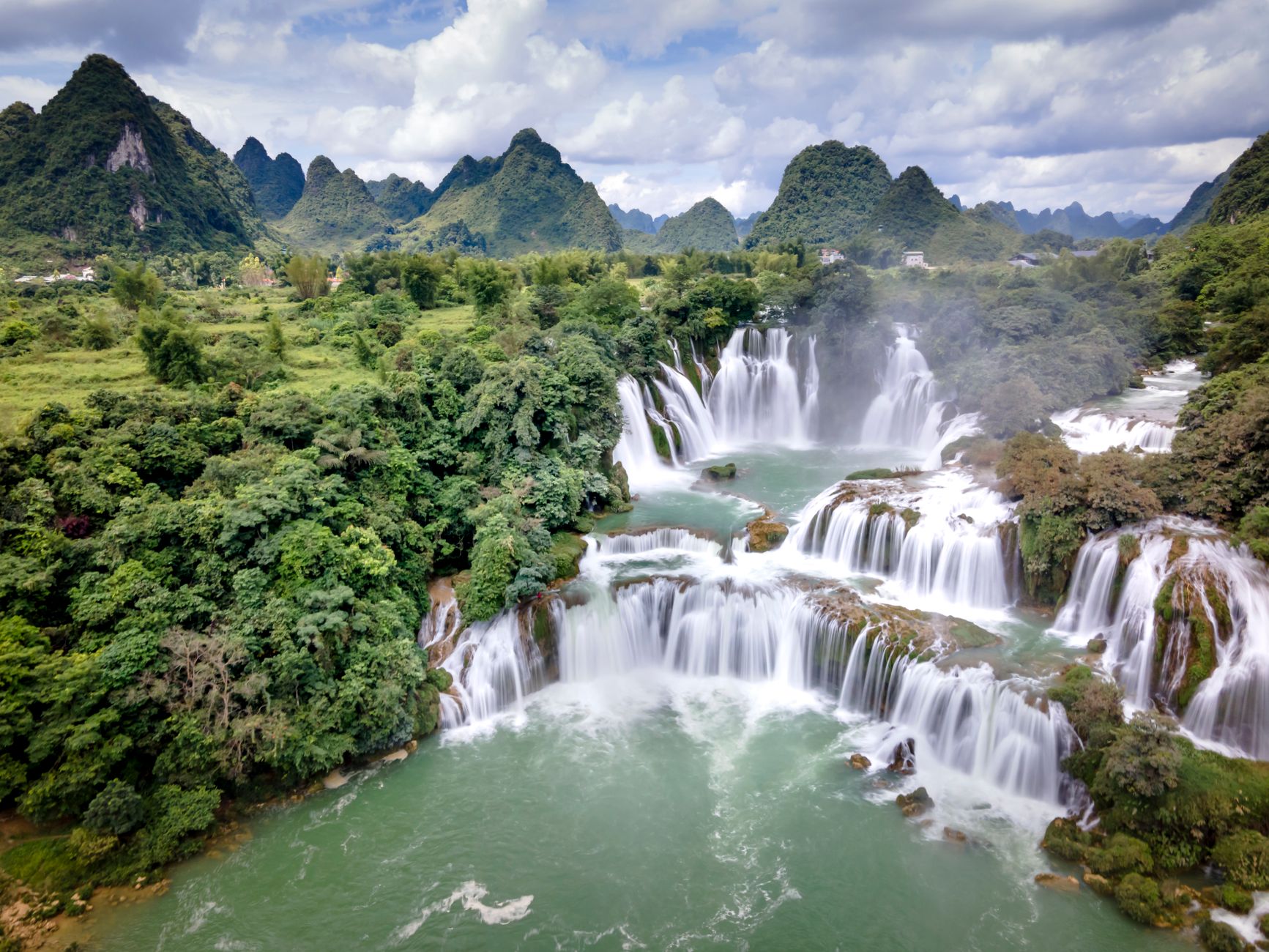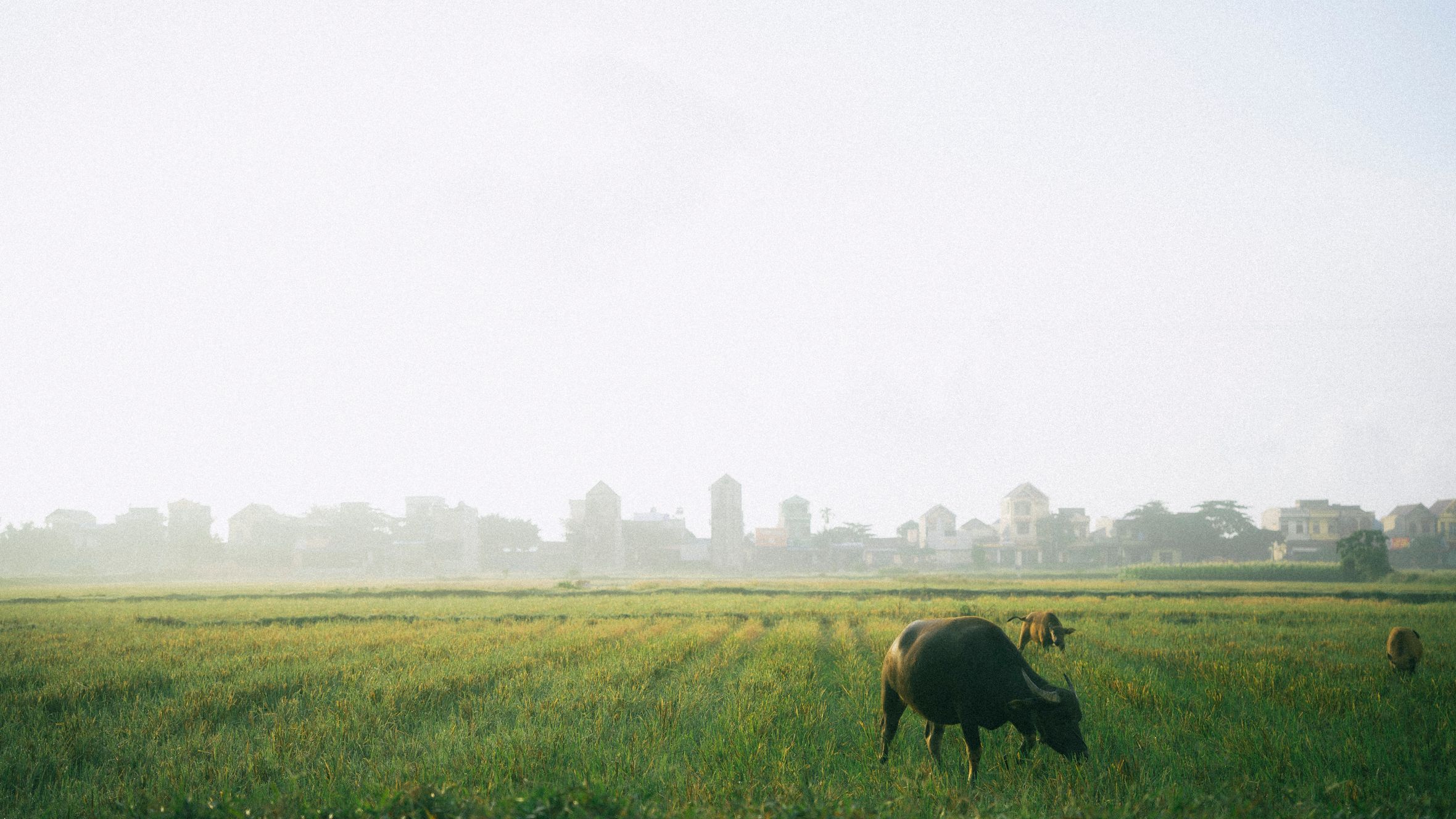
Thac So 4 sits in the forested highlands of what used to be Binh Phuoc province, now part of expanded Dong Nai following administrative boundary changes. It's one of a series of numbered waterfalls along the same river system, and "so 4" — number four — is the one that draws the most visitors, mostly because it's the easiest to reach and the best for swimming.
What It Is
Thac So 4 is a tiered waterfall dropping roughly 15-20 meters across several rock shelves into a wide natural pool at the base. The surrounding forest is dense secondary growth — not pristine old-growth jungle, but thick enough to block out the heat and noise of the lowlands. The rocks are volcanic basalt, dark and slippery, shaped by thousands of years of water carving through laterite soil.
The waterfall is part of a cluster in the region. Thac So 1 through So 6 are all within a few kilometers of each other, but So 4 has the best combination of accessibility, swimming depth, and shade. Locals from nearby towns have been coming here for decades — long before anyone thought to charge admission.
Why Travelers Go
This isn't a place you visit for Instagram content or dramatic scenery. You go because it's a genuinely pleasant spot to spend half a day cooling off, and because nobody else from outside the province seems to know about it. On weekdays, you might share the waterfall with a handful of local families. Weekends get busier, but nothing like the crowds at destinations closer to Saigon.
The water is cool year-round — noticeably colder than lowland rivers — and the pool at the base is deep enough for proper swimming. The rock formations create natural seats and ledges where you can sit with the water rushing over your legs. It's the kind of place where you show up planning to stay an hour and leave three hours later.
Best Time to Visit
The sweet spot is November through April, during the dry season. Water levels are lower, the pool is calmer, and the trails aren't muddy. The waterfall still flows well through most of this period — it doesn't dry to a trickle until late March or April in a dry year.
Avoid September and October if you can. The rainy season peaks here and the water turns brown with runoff. The rocks become dangerously slick, and flash flooding along the river system is a real risk, not a theoretical one. Local authorities occasionally close access during heavy rain periods.
June through August is a middle ground — the falls are at their most powerful, which looks impressive, but swimming becomes risky due to strong currents.
How to Get There
The nearest major hub is Bien Hoa, the capital of Dong Nai province, roughly 90 km south. From Saigon (Ho Chi Minh City (호치민시 / 胡志明市 / ホーチミン市) center), you're looking at about 130-140 km depending on the route.
By motorbike from Saigon (사이공 / 西贡 / サイゴン): Take Highway 1A northeast to Bien Hoa, then continue on provincial roads north through the rubber plantation country toward the highlands. Total ride time is 3-3.5 hours without stops. This is the best option — the last 20 km involves narrow roads through villages and forest where a car feels oversized. Fuel up in Bien Hoa; gas stations thin out as you head north.
By car or taxi: Possible but less practical. A private car from Saigon runs around 1,500,000-2,000,000 VND round trip if you negotiate a day rate with a driver. Grab doesn't reliably operate this far out.
By bus + xe om: Take a bus from Saigon's Mien Dong bus station toward the northern Dong Nai towns (around 80,000-120,000 VND), then arrange a "xe om" (motorbike taxi) for the final stretch. Budget 50,000-80,000 VND for the xe om leg. This works but requires patience and basic Vietnamese or a translation app.
Entrance fees, if collected, are modest — typically 10,000-20,000 VND per person. Parking for motorbikes runs about 5,000-10,000 VND.

Photo by Nhẫn Nguyễn on Pexels
What to Do
Swim the main pool
The base pool is the main attraction. Depth varies by season — waist-deep in dry months near the edges, over your head in the center. No lifeguards, no ropes, no safety equipment. You're responsible for yourself.
Climb the rock tiers
The waterfall cascades over multiple levels. You can scramble up the rocks alongside the falls to reach higher pools. Wear shoes with grip — flip-flops on wet basalt is a trip to the local clinic. The second tier has a smaller, quieter pool that's often empty even when the main pool is busy.
Hammock and picnic
Locals string hammocks between trees near the base. Some vendors rent hammocks for 20,000-30,000 VND. Bring your own food — there's no restaurant at the waterfall itself, just occasional sellers with drinks, instant noodles, and snacks.
Walk the forest trail
A rough trail follows the river upstream past the other numbered waterfalls. It's not well-marked and gets overgrown in rainy season, but in dry months you can walk 2-3 km through decent forest. Birding is surprisingly good early morning.
Photograph the lower cascades
Below the main falls, the river spreads across wide rock shelves with shallow water flowing over them. Late afternoon light here is worth the wait if you're into photography.
Where to Eat Nearby
Don't expect restaurants at the waterfall. The closest proper food is in the small towns along the road in.
Look for "com tam" — broken rice plates with grilled pork — at roadside shops in the lowland towns. Standard lunch runs 35,000-50,000 VND. Dong Nai province is also known for "banh canh" — thick tapioca noodle soup — and you'll find versions here with pork or crab that differ from the central Vietnamese style. A bowl costs 30,000-40,000 VND.
Bring water and snacks from Bien Hoa or Saigon. Seriously — there's no convenience store within walking distance of the falls.
Where to Stay
There's no accommodation at the waterfall itself. Your options:
- Nha nghi (guesthouses) in nearby towns: Basic rooms with fan and shared bathroom, 150,000-250,000 VND/night. Clean enough, don't expect hot water.
- Homestays: A few families in the area rent rooms. Ask around when you arrive — these aren't listed on Booking.com. Expect 200,000-350,000 VND including a simple breakfast.
- Day trip from Saigon: Most people do this. Leave early, spend the day, ride back by evening.
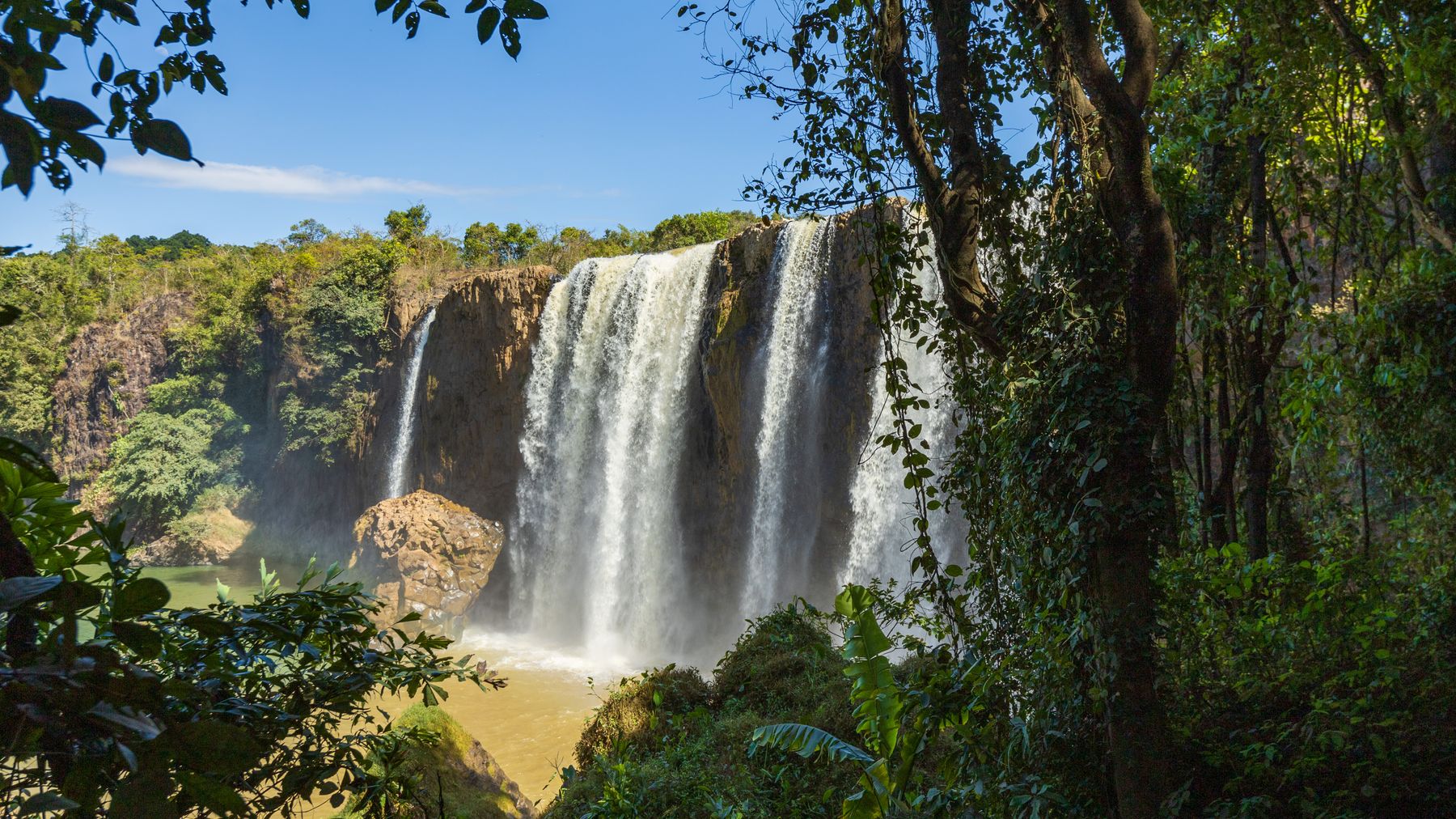
Photo by Serg Alesenko on Pexels
Practical Tips
- Bring reef shoes or sturdy sandals. The rocks will shred flip-flops and your feet.
- Cash only. No ATMs near the falls. Withdraw in Bien Hoa.
- Pack out your trash. There's no waste collection here. Whatever you bring in leaves with you.
- Sunscreen before you arrive. The canopy provides shade, but the pool area gets direct sun midday.
- Start early. Leave Saigon by 6 AM to arrive before the heat peaks and before weekend crowds.
Common Mistakes
Swimming after heavy rain — the current is far stronger than it looks, and debris washes downstream. Wearing the wrong shoes and sliding on rocks — this accounts for most injuries here. Assuming you can buy food and water on-site — you can't, reliably. Trying to visit all the numbered waterfalls in one day — they're spread out and the trails between them are rough. Pick So 4, maybe So 2, and call it a day.
Practical Notes
Thac So 4 works best as a long day trip from Saigon or as a stop on a wider motorbike loop through Dong Nai's northern highlands. It's not a destination that justifies flying across the country for, but if you're based in the south and want a day away from concrete, it delivers. Pair it with a ride through the rubber plantations on the way back — the light through the trees in late afternoon is worth the detour.
Last updated · May 26, 2026 · independently researched, never sponsored.