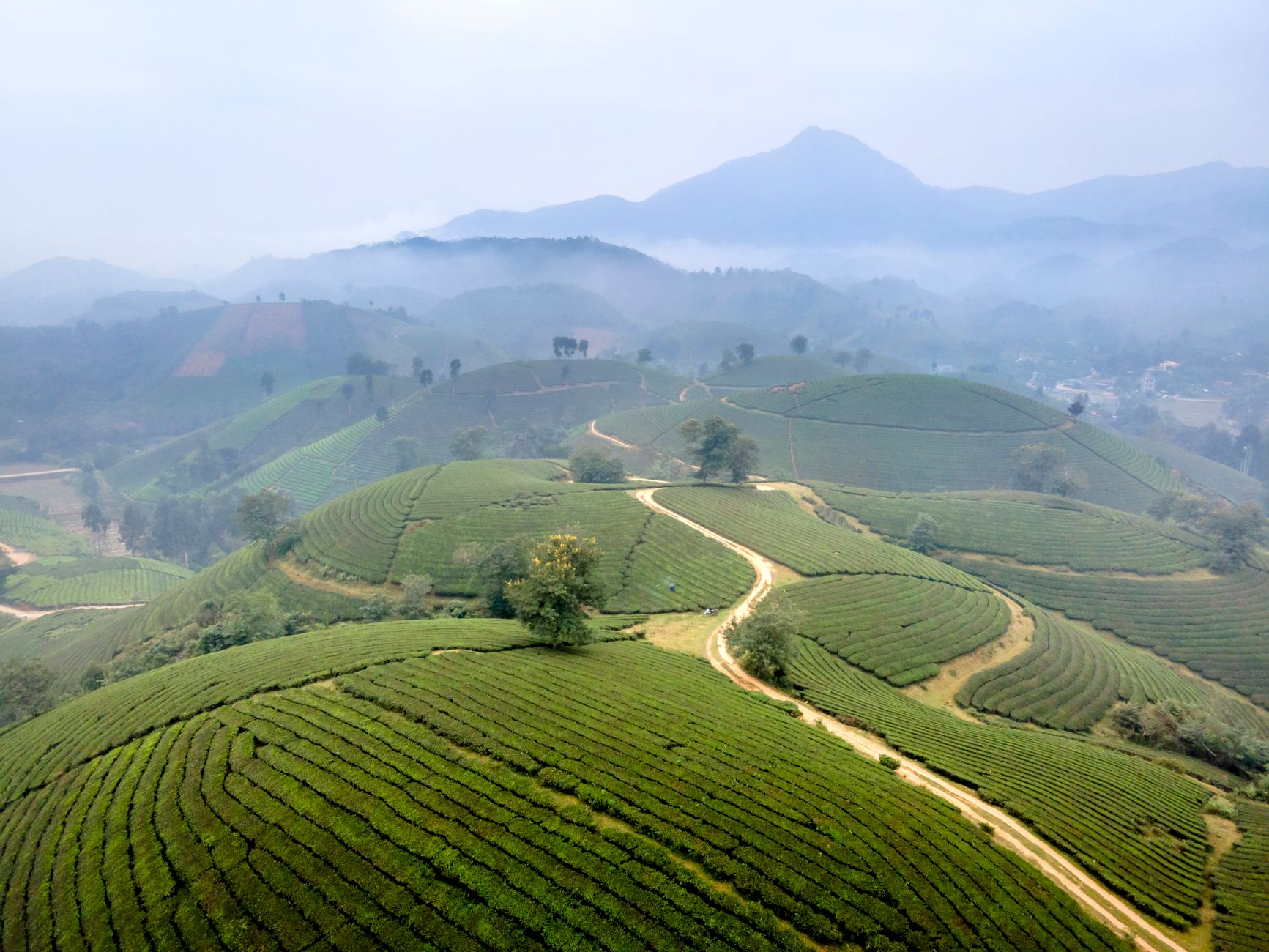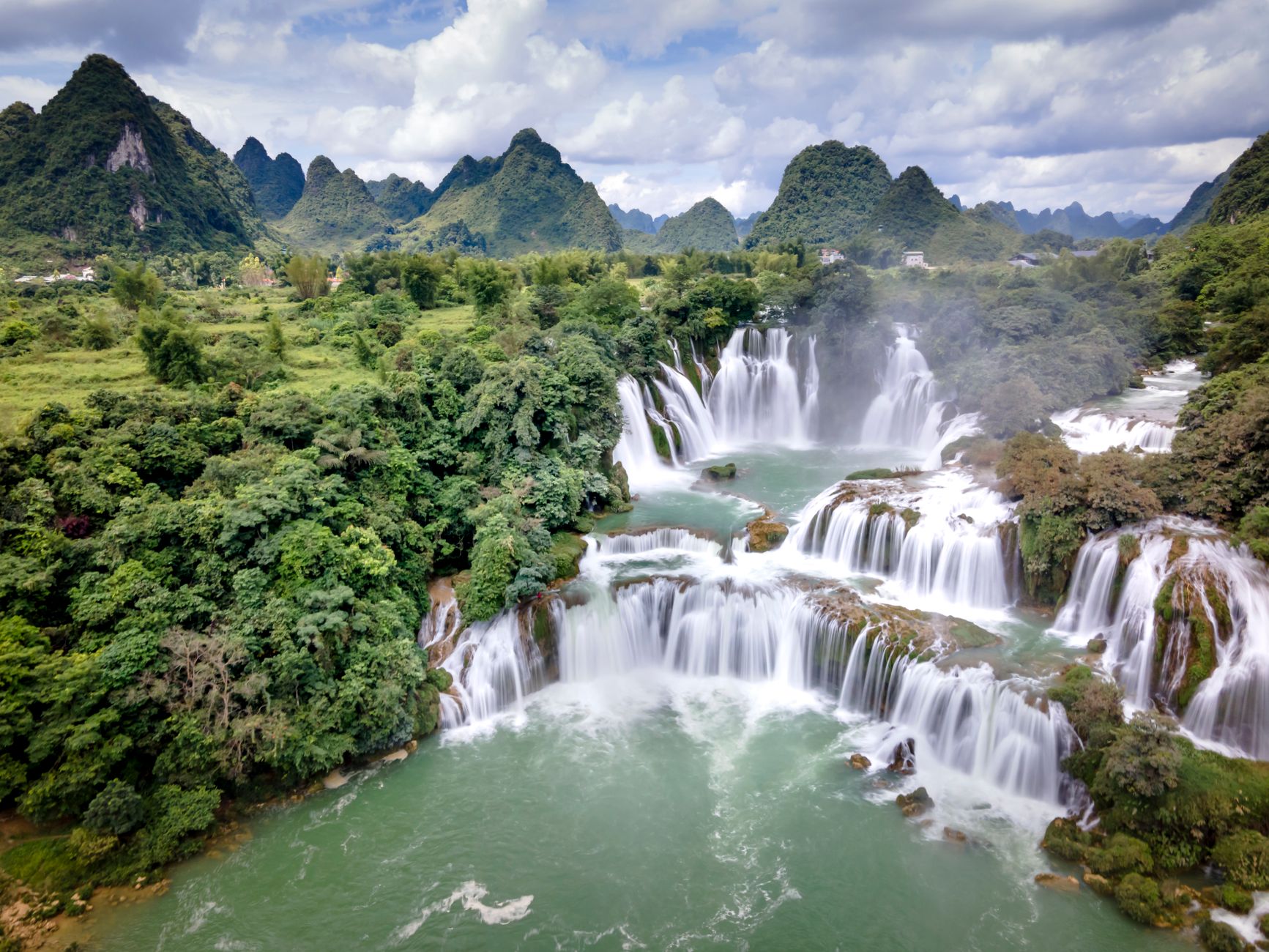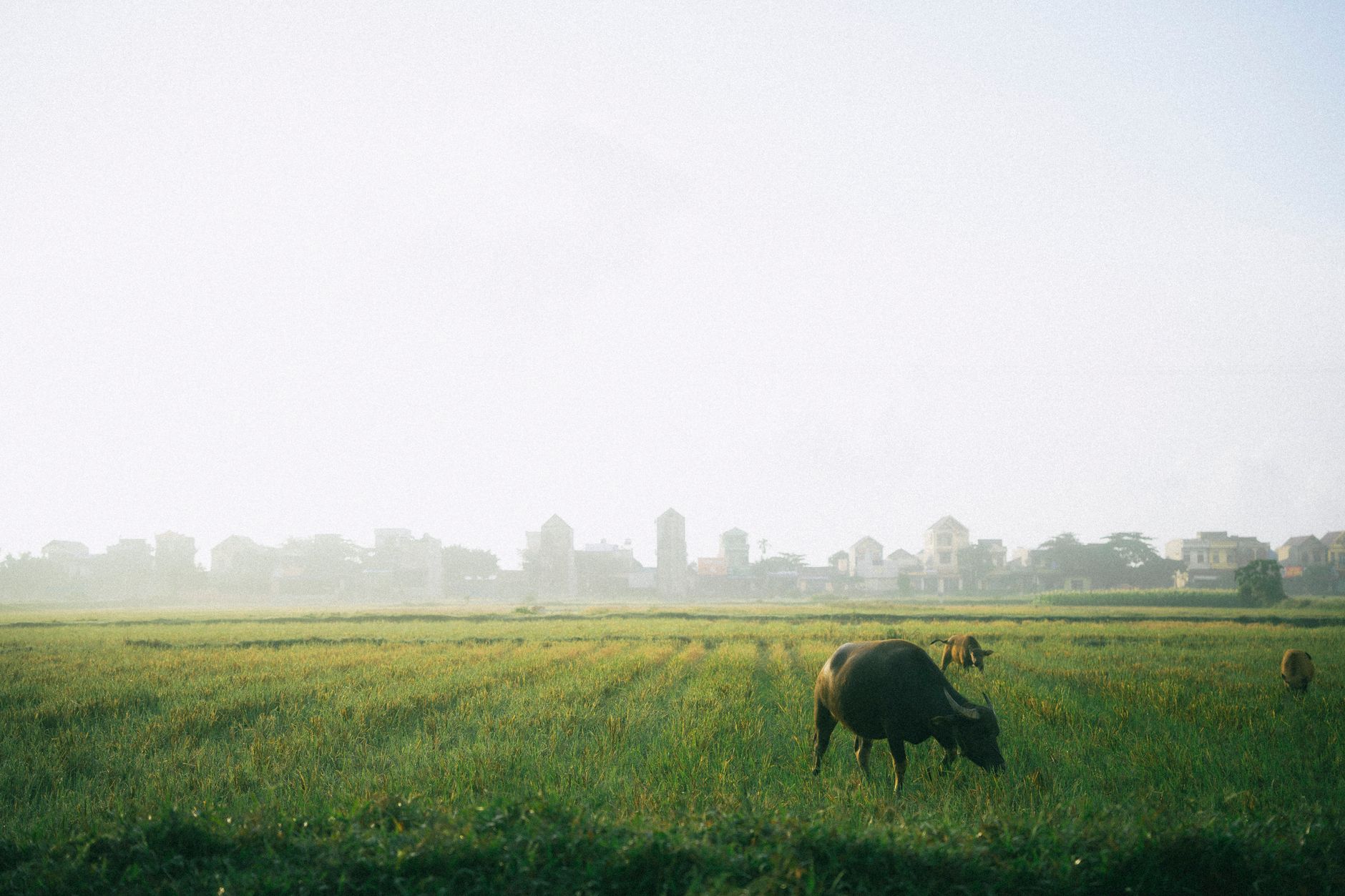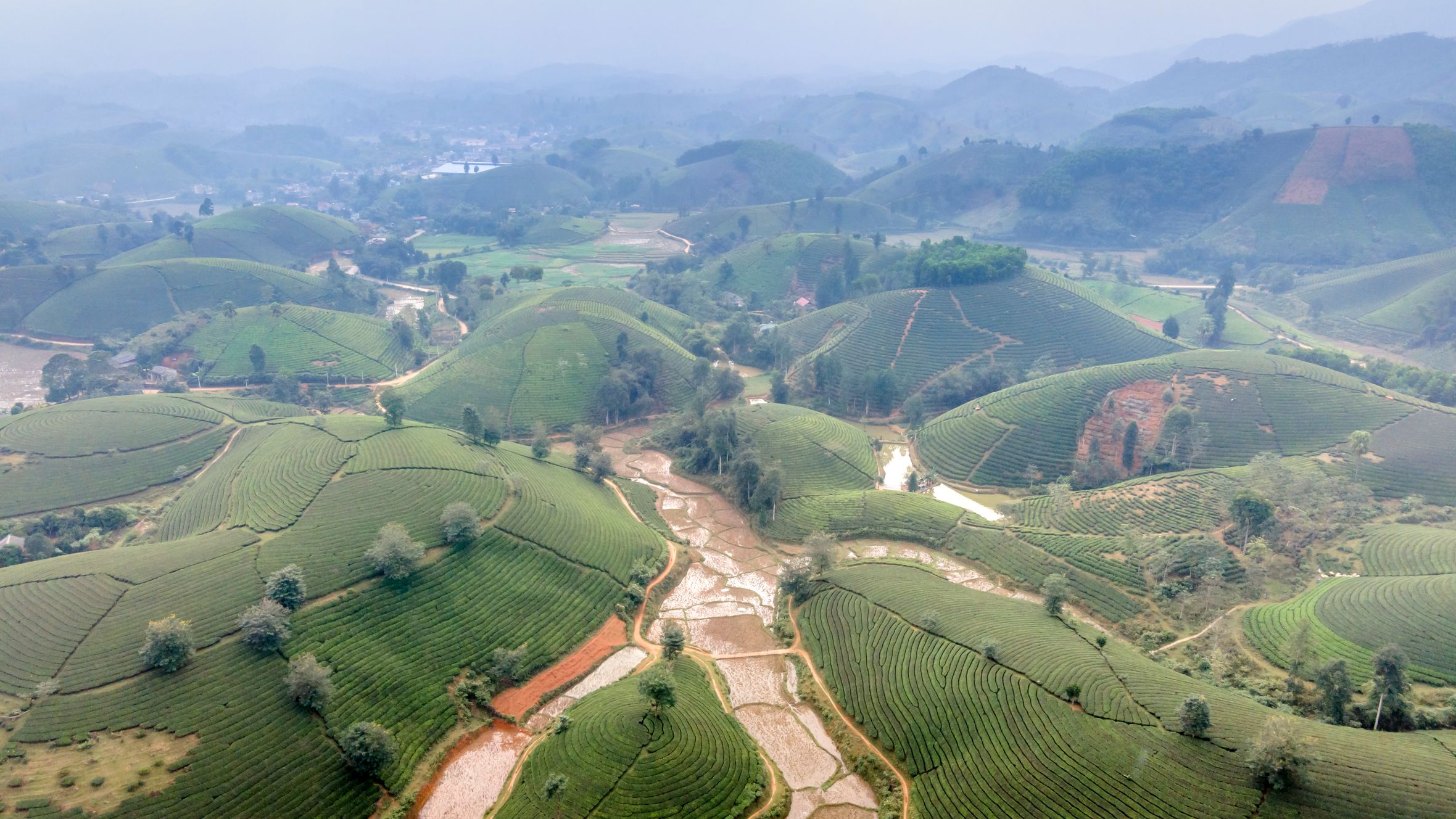
Cat Tien National Park is the closest thing to real jungle you'll find within a few hours of Saigon. It's 720 square kilometers of lowland tropical forest straddling Dong Nai, Binh Phuoc, and Lam Dong provinces — home to gibbons, pygmy slow lorises, over 350 bird species, and some of the oldest trees in southern Vietnam (베트남 / 越南 / ベトナム).
What Cat Tien is and why it matters
Established in 1978 and later expanded, Cat Tien earned UNESCO Biosphere Reserve status in 2001. The park protects one of the largest remaining patches of lowland evergreen and semi-evergreen forest in the south. It's not a manicured nature resort — this is actual forest with leeches, river crossings, and humidity that fogs your camera lens in seconds.
Travelers come here for a few reasons: genuine wildlife encounters (not zoo-style), overnight treks without the altitude sickness of northern mountains, and a break from the relentless concrete of Saigon. Birdwatchers treat it as a pilgrimage site. If you've done the Cu Chi Tunnels and Mekong Delta (메콩 델타 / 湄公河三角洲 / メコンデルタ) day trips and want something with more dirt under your nails, Cat Tien delivers.
Best time to visit
Dry season runs from December to April, and that's your window. Trails are passable, river levels are lower for the boat crossing into the park, and wildlife is easier to spot because animals gather near remaining water sources. January through March is the sweet spot — less rain, cooler mornings.
Avoid June through October if you can. Trails flood, leeches multiply, and the night safari vehicles get stuck in mud. The park stays open year-round, but a wet-season visit requires serious flexibility and waterproof everything.
How to get there from Saigon
Cat Tien's main entrance is at Nam Cat Tien, roughly 150 km north of Saigon. You have a few options:
By bus: Catch a bus from Saigon's Mien Dong bus station heading toward Da Lat or Bao Loc. Ask to be dropped at the Cat Tien junction on Highway 20 (near Tan Phu town). From there, it's about 24 km on a local road to the park gate — grab a "xe om" (motorbike taxi) for around 80,000-100,000 VND. Total bus fare runs 100,000-150,000 VND, and the whole journey takes about 4-5 hours including the last stretch.
By motorbike: A popular choice if you're comfortable on two wheels. Take Highway 1A north to Bien Hoa, then Highway 20 toward Da Lat. Turn off at the Cat Tien signpost near Tan Phu. About 3.5-4 hours depending on traffic out of the city. The last 24 km is a decent paved road through rubber plantations and small villages.
By private car or tour: Expect to pay 1,500,000-2,500,000 VND for a private car each way. Several Saigon-based tour operators run two-day packages starting around 2,000,000 VND per person including transport, meals, and guided treks.
At the park gate, you cross the Dong Nai River by boat — a short five-minute ride that's included with your entrance ticket (80,000 VND for foreigners as of 2024).

Photo by Tam Freemanfreemind on Pexels
What to do
Night safari
This is the main draw and genuinely worth it. You pile into an open-top vehicle after dark, and a guide sweeps a spotlight across the forest edge. Expect to see sambar deer, civets, and if you're lucky, pygmy slow lorises clinging to branches with their enormous eyes. Runs nightly from the park headquarters, costs around 600,000 VND per person (prices vary by group size). Book at the park office when you arrive — don't skip this.
Gibbon trek
A guided early-morning walk to a spot where a habituated group of yellow-cheeked crested gibbons calls at dawn. You leave at 5:00 AM, hike about 45 minutes in the dark, then sit and listen as the forest wakes up. The gibbons' calls carry for kilometers — it's one of those sounds that stays with you. Around 200,000-300,000 VND with a guide.
Crocodile Lake (Bau Sau)
A 10 km trek through dense forest to a wetland where Siamese crocodiles — critically endangered — live in the wild. You can do it as a day hike or overnight in a basic shelter by the lake. The overnight option (around 500,000 VND including guide) is better: you'll see crocodiles at dusk when they surface, and the nighttime forest sounds are something else entirely.
Botanical garden and ancient trees
A shorter, easier loop trail near park headquarters passes through old-growth forest with labeled tree species. The "tung" trees here are hundreds of years old, with buttress roots taller than you. Good for the morning before it gets too hot.
Bird watching along the river
The area around park headquarters and the river banks is surprisingly productive for birding. Great hornbills, red junglefowl, green peafowl tracks (seeing the actual bird is rare and celebrated). Bring binoculars — the park doesn't rent them.
Where to eat nearby
Inside the park, there's a canteen at headquarters serving basic Vietnamese meals — rice, vegetables, meat or fish, around 50,000-80,000 VND per plate. It's fine, not remarkable.
For something better, eat before you cross the river. The small town near the park gate has a handful of "com binh dan" (everyday rice) places. Look for "ga nuong" — grilled chicken raised in the surrounding farms, served with pepper-salt-lime dip and broken rice. If you're heading back toward Highway 20, Tan Phu town has decent "bun rieu" and "com tam" shops along the main road.
Where to stay
Inside the park: The national park runs basic guesthouses and dormitories near headquarters. Expect 300,000-800,000 VND per night for a room with a fan or air conditioning, cold or lukewarm water. It's no-frills but the location is unbeatable — you're right in the forest.
Forest Floor Lodge: A privately run eco-lodge about 1 km from the park entrance. Cleaner rooms, better beds, and they organize treks and transport. Rooms run 600,000-1,500,000 VND depending on season and room type.
Homestays near the gate: A few family-run places have popped up in the village before the river crossing. Budget option at 200,000-400,000 VND per night.
Book park accommodation directly by calling the park office — online booking is unreliable.

Photo by Vietnam Hidden Light on Pexels
Practical tips locals would tell you
- Bring cash. There's no ATM inside the park and card payment doesn't exist here. The nearest ATM is in Tan Phu town.
- Leech socks matter. Even in dry season, creek crossings mean leeches. Tuck your pants into your socks or buy proper leech socks in Saigon beforehand.
- Charge everything before you go. Electricity at the park guesthouses can be limited. Bring a power bank.
- Mosquito repellent with DEET. This is lowland tropical forest. Malaria risk is low but dengue mosquitoes don't care about your travel insurance.
- A headlamp frees your hands on night treks — phone flashlights don't cut it on uneven jungle trails.
Common mistakes to avoid
Showing up without booking the night safari or Crocodile Lake trek — guides are limited and groups fill up, especially on weekends. Trying to do Cat Tien as a day trip from Saigon is technically possible but pointless; you'd spend seven hours driving for two hours in the park. Give it at least one night, ideally two. And don't wear sandals on the trails. This isn't Da Lat — the forest floor is uneven, muddy, and full of things that bite ankles.
Practical notes
Cat Tien works well as a two or three-day side trip from Saigon, or as a stop if you're riding between the city and Da Lat. It's rough around the edges — that's the point. Come prepared, leave your expectations of resort-level comfort behind, and you'll find one of the most rewarding nature experiences in southern Vietnam.
Last updated · May 29, 2026 · independently researched, never sponsored.