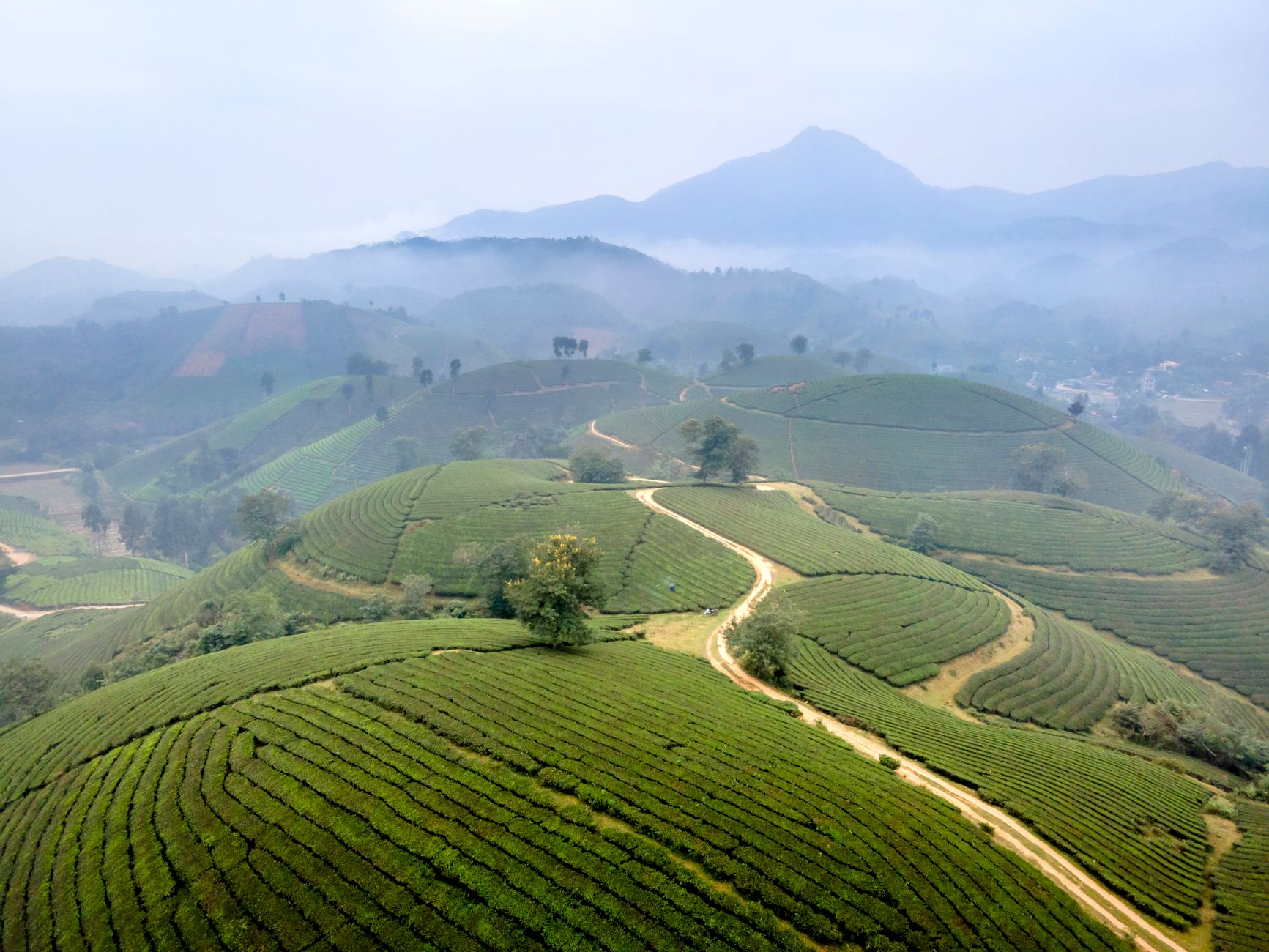
Why Dong Nai Matters (And Why Most Travelers Skip It)
Dong Nai is a paradox: it's one of Vietnam (베트남 / 越南 / ベトナム)'s most industrialized provinces, home to massive Samsung and Intel factories, yet it holds some of the country's oldest rubber plantations, river landscapes, and hidden waterfalls. Tourists rarely linger here — they pass through on the way to Vung Tau or the southern coast — but day-trippers from Saigon and those with time to explore find genuine, un-touristed Vietnam.
The province sits 45–90 km northeast of Saigon (사이공 / 西贡 / サイゴン), depending on where you go. If you're based in the city and want to escape the noise for a few hours without flying, Dong Nai delivers.
Top Sights
Tri An Lake
About 30 km north of Saigon, Tri An is a massive hydroelectric reservoir ringed by low forested hills. It's not scenic in the postcard sense, but the light in early morning or late afternoon is soft and melancholic. Locals come to fish; you come to walk, eat fresh fish at waterside shacks, or rent a small boat (negotiate: 500,000–800,000 VND per hour for a modest speedboat).
The eastern bank is less developed than the western. Drive to Dinh Quan town, then head toward the water. Small family-run restaurants along the shore serve grilled catfish and ca nuong (whole fish baked in clay). Prices: 80,000–150,000 VND for a main dish.
Best visit: Friday to Sunday. Weekdays are quieter but fewer vendors open.
Cat Tien National Park
One of Vietnam's largest and oldest national parks, Cat Tien spans Dong Nai and two neighboring provinces. It's 150 km north of Saigon and covers 73,878 hectares of lowland tropical forest. The park has trekking trails, a river (the Dong Nai), gibbons (if you're lucky at dawn), and Croc Lake — a murky swimming hole that's more novelty than adventure.
One-day visit: enter at the south gate near the town of Cat Tien, walk the Croc Lake trail (2 km, 45 minutes), then hike into secondary forest. You'll see bird-watchers and monkeys if you're quiet. Skip the zipline tours; they're overpriced (300,000 VND) and don't improve the forest experience.
Overnight stays exist, but they're basic. Most visitors stay in Saigon and day-trip. Entry: 150,000 VND, plus 60,000 VND if you hire a guide (useful for spotting wildlife).
Phu Gia Rubber Plantation
French colonists planted their first rubber here in 1897. Today, it's a working estate of 2,000+ hectares, one of the oldest in the country. The plantation is about 60 km north of Saigon, near Long Thanh. You can visit with a guide from Saigon tour operators — they arrange transport and a 2–3 hour walk through the rows of rubber trees, past worker housing, and to a small museum in the plantation office.
It's not glamorous. The reality is quiet, repetitive, and historically important. Prices: tours from Saigon run 600,000–900,000 VND per person (including transport and guide).
Skip if you're impatient or looking for "authentic plantation experience" Instagram moments. Go if you want to understand Vietnam's colonial economic history.
Tra Su Cajuput Forest
In the far north of Dong Nai (130 km from Saigon), Tra Su is a flooded forest of cajuput and water palm — a wetland ecosystem that floods seasonally. It's home to water birds, monitor lizards, and kingfishers. You navigate by wooden rowboat (40,000 VND per person per hour, groups share boats).
Best in wet season (August–November) when water is deep. In dry season (March–May), water recedes and the magic fades. The forest is quiet and slightly eerie. Bring insect repellent.
This is a long day-trip from Saigon (3+ hours each way). Combine it with a visit to nearby Tan Phu town if staying overnight.
Hidden Gems
Dau Tieng Waterfall
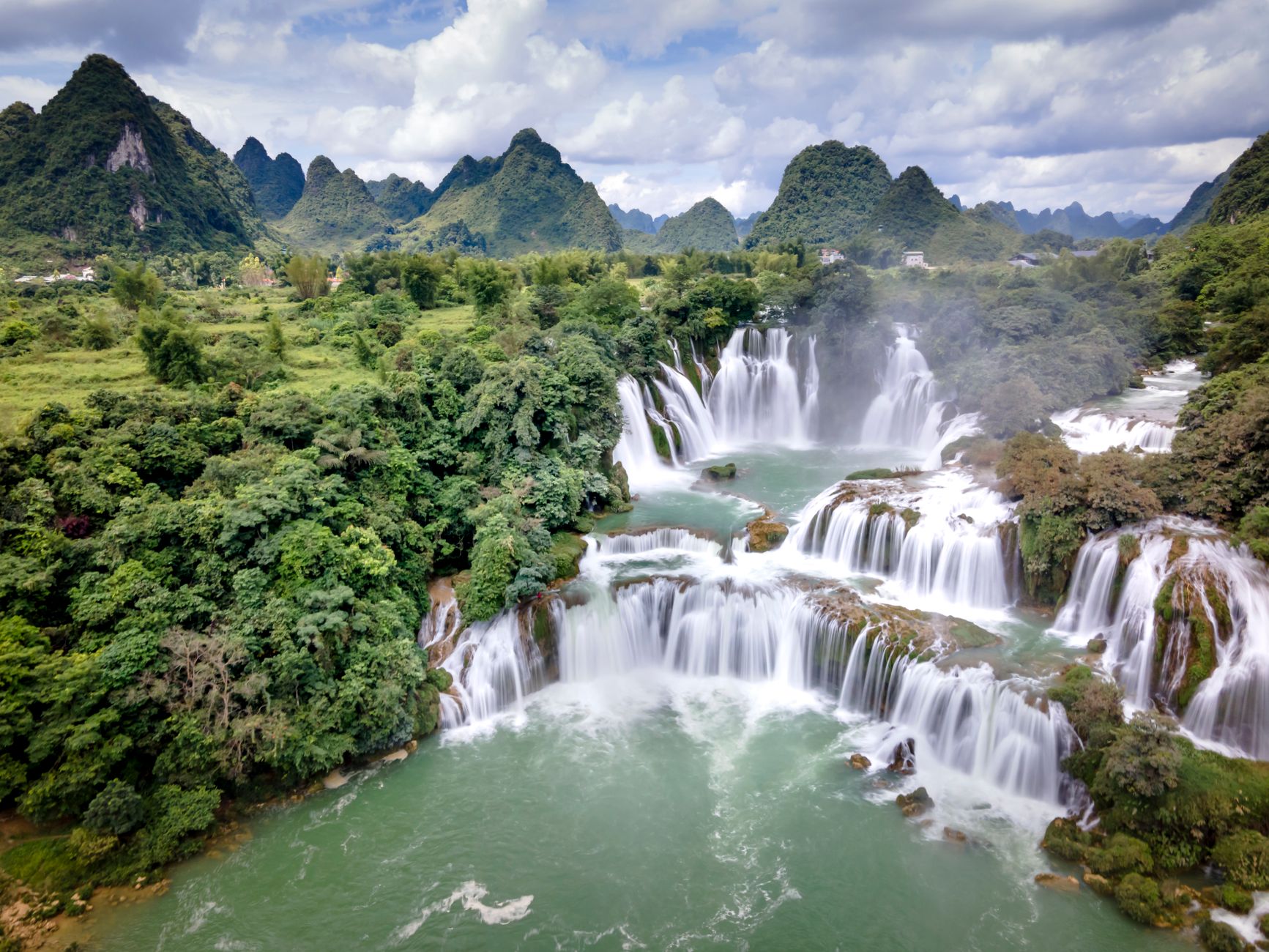
A 15-meter cascade near Dau Tieng town in the northwest. It's not dramatic, but it's surrounded by forest and far from crowds. Local picnickers come on weekends; weekdays you'll have it mostly to yourself. The water is cool and swimmable. No formal entrance fee; leave a small tip (20,000 VND) if a caretaker is present.
Access: drive to Dau Tieng, ask locals for "thac nước" (waterfall). It's a 10-minute walk from the road.
Lang Chai Village
A small fishing village on Tri An Lake where locals still build wooden boats by hand. There's no "official" tour; just ask a boat operator in Dinh Quan or Tri An town if you can visit. You'll see carpenters working under open-sided sheds, children playing on the water, and nets drying on racks. A few residents speak basic English.
Bring a small gift (coffee, candy) and ask permission before photographing people. Respect that this is a working village, not a museum.
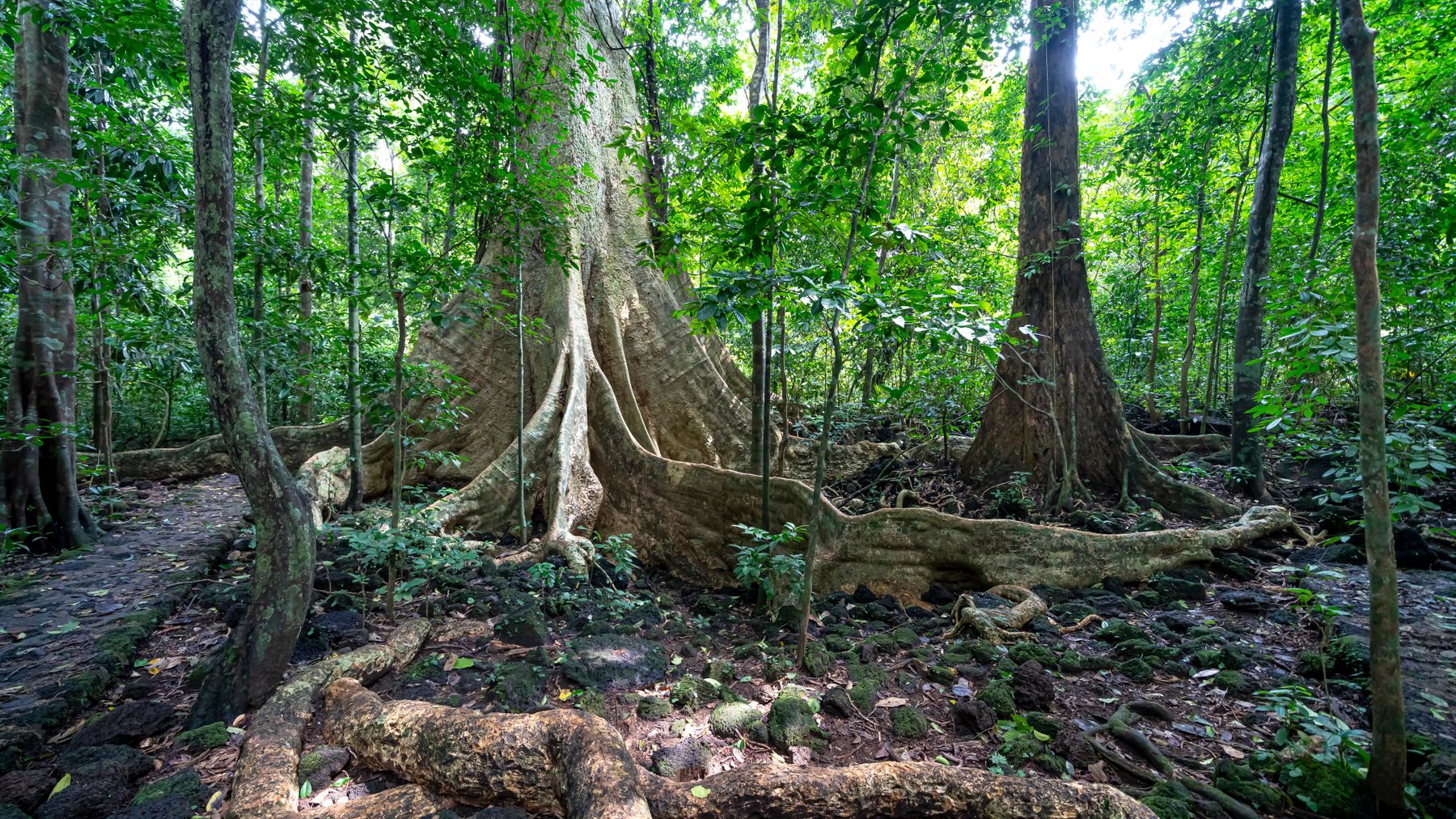
Photo by Quang Nguyen Vinh on Pexels
Cultural Experiences
Dinh Bien Phu Memorial & Museum
In Bien Hoa city (Dong Nai's capital, 30 km from Saigon), this modest museum preserves artifacts and documents from the 1954 siege. It's well-kept but small; most visitors spend 45 minutes here. The grounds are quiet and lined with monuments.
Entry: 20,000 VND. Open 8 am–5 pm, closed Mondays.
Long Huong Pagoda
A 300-year-old "Hanging Pagoda" carved into a limestone cliff near Tan Phu town. The entrance fee is minimal (20,000 VND), and you climb wooden stairs to a small golden Buddha overlooking the valley. It's peaceful and not crowded, though poorly signposted.
Ask locals in Tan Phu for directions; taxi drivers from Saigon know it. A half-day excursion if combined with Tra Su.
Outdoor Activities
Hiking & Trekking
Beyond Cat Tien, trails around Dau Tieng and Dinh Quan offer easier forest walks. Guides are helpful but not essential. Hire one through your hotel in Saigon or ask at local ranger stations. Cost: 300,000–500,000 VND for a half-day guide.
Best months: November–February (cool and dry).
Bird-Watching
Tri An Lake and Tra Su attract migrant and resident species. Early morning (5–8 am) is prime. Bring binoculars; guides available through Saigon eco-tourism operators (700,000–1,000,000 VND for a half-day).
Fishing
Tri An and other reservoirs allow rod-and-line fishing. Arrangements through local lodges or your Saigon hotel. Cost: 100,000–300,000 VND for equipment rental and a few hours on the water.
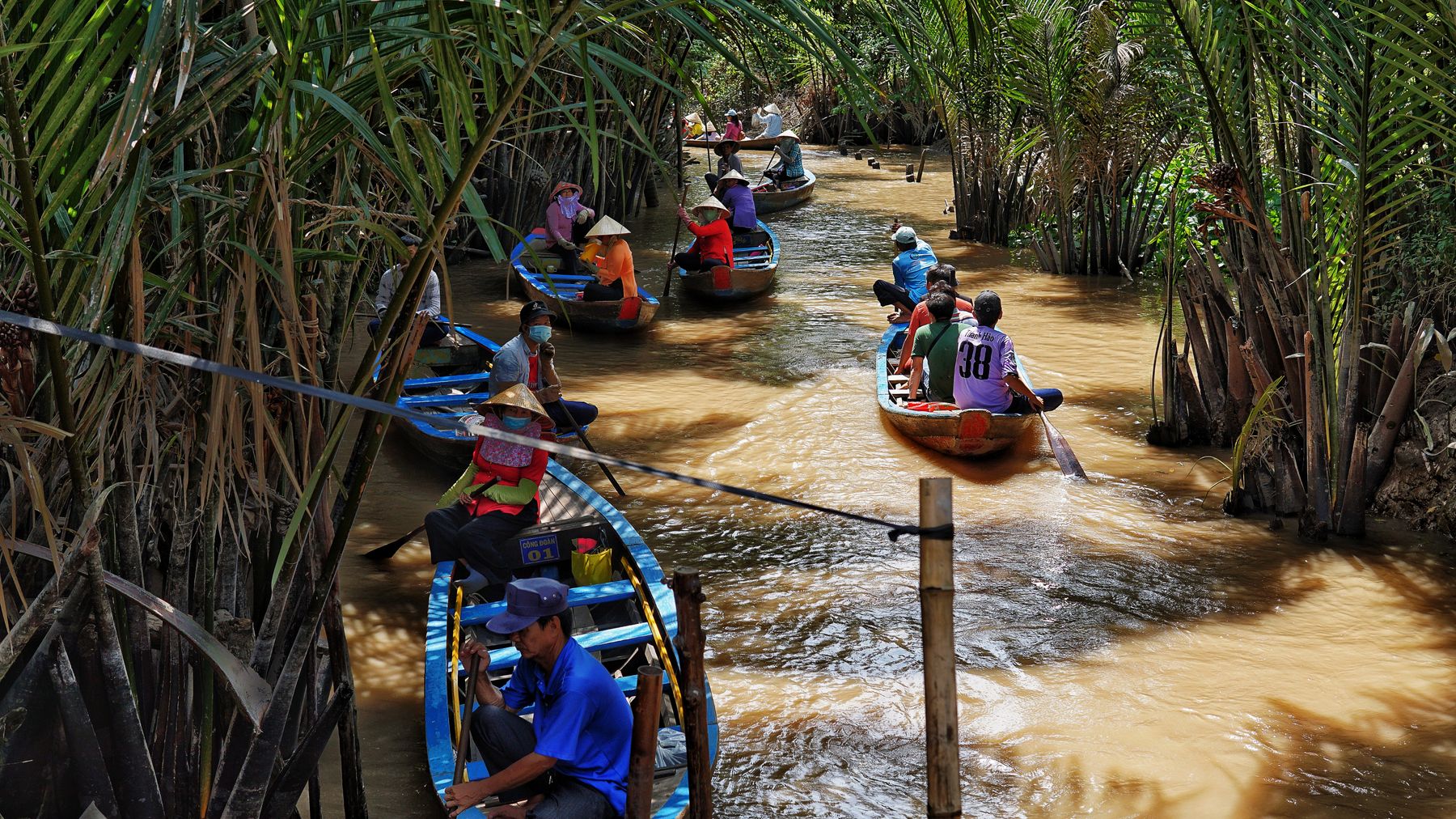
Photo by Noel Nicolas on Pexels
Day-Trip Itineraries from Saigon
The Lake & Countryside Loop (1 day)
Morning: Leave Saigon 6 am, drive to Tri An Lake (45 minutes). Rent a boat, cruise for an hour, then eat fish at a waterside restaurant (10:30 am).
Midday: Visit Phu Gia Rubber Plantation or drive to Dinh Quan and walk through the town market (11 am–1 pm).
Afternoon: Return to Saigon (3 pm onwards).
Cost: 400,000–600,000 VND per person (transport, boat, lunch, guide tips).
Forest & Rivers (1 day)
Early morning: Leave Saigon 5:30 am, arrive Cat Tien by 7:30 am. Enter the park, hire a guide, hike until noon.
Lunch: Picnic or eat at the park lodge.
Afternoon: Walk to Croc Lake, swim if you like, then drive back to Saigon (arrive ~5 pm).
Cost: 600,000–900,000 VND per person.
Wetland Eco-Tour (1.5 days)
Day 1: Drive to Tan Phu (2.5 hours), lunch, visit Long Huong Pagoda (afternoon), stay overnight in a simple guest house (150,000–250,000 VND).
Day 2: Early boat tour of Tra Su Cajuput Forest (sunrise, 2 hours), return to Saigon by early afternoon.
Cost: 800,000–1,200,000 VND per person.
What to Skip
Long Thanh Airport Area
A massive new airport is under construction northeast of Saigon. Don't visit unless you're catching a flight there; it's flat, industrial, and uninviting.
Bien Hoa Industrial Zone
Samsung, Intel, and hundreds of smaller factories dominate. The skyline is cranes and warehouse roofs. Unless you're doing industrial heritage research, there's nothing for tourists.
Weekend Beach Drives from Saigon
If you have time to reach Dong Nai, you likely have time to drive further to Vung Tau (50 km more) or Mui Ne (200 km). Both are better beach destinations. Dong Nai has no beach to speak of.
Practical Notes
Dong Nai is best explored by hired car from Saigon (4–6 hours use = 400,000–600,000 VND) or on an organized tour. Public buses run from Saigon to Bien Hoa and other towns, but they're slow. Accommodation is thin outside Bien Hoa and Tan Phu; most visitors base themselves in Saigon and day-trip. Bring cash; ATMs exist in towns but not at trailheads. November–February is the sweet spot for weather; avoid May–September (heat and rain).
Last updated · May 29, 2026 · independently researched, never sponsored.